

Fresh international accolades have pushed Phu Quoc firmly into the global spotlight, reinforcing the Vietnamese island’s rapid rise as one of Asia’s most desirable leisure destinations.
Phu Quoc has added another major international title to its growing list of accolades, being named the World’s Leading Nature Island Destination at this year’s World Travel Awards. The honour places the southern Vietnamese island ahead of established global names including Antigua and Barbuda, Dominica, Scotland’s Isle of Skye, and Norway’s Lofoten Islands, signalling a decisive shift in how international travellers and industry professionals now view the destination.
The recognition follows closely on the heels of another high-profile endorsement. Earlier this year, readers of Condé Nast Traveler voted Phu Quoc the most beautiful island in Asia, further cementing its appeal among long-haul and regional travellers alike. Taken together, the awards reflect not just scenic beauty, but a broader transformation in the island’s tourism profile, infrastructure, and accessibility.
A SURGE IN TOURISM NUMBERS
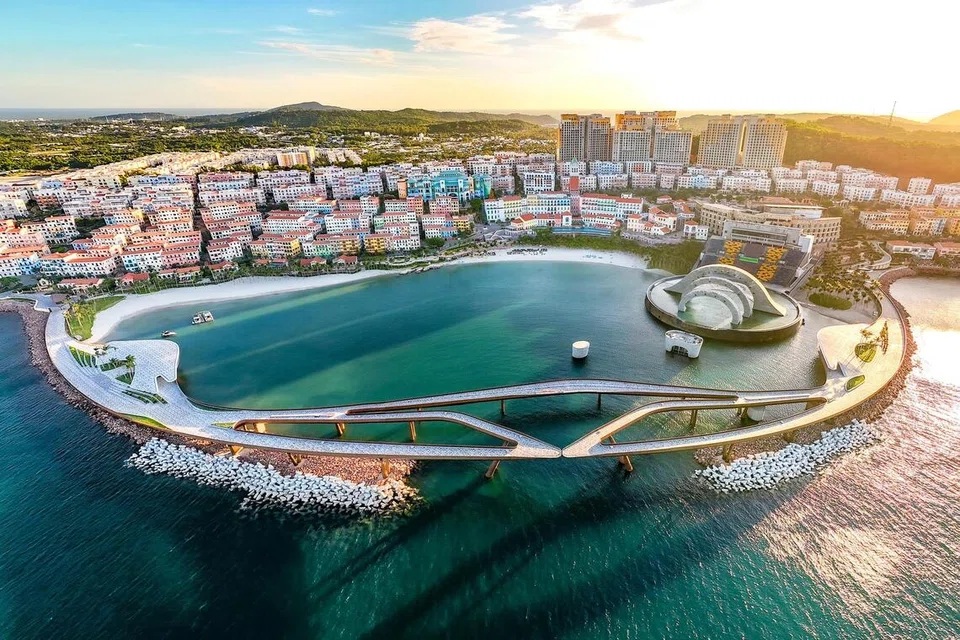
Once known primarily as a quiet beach retreat for domestic visitors, Phu Quoc has undergone a dramatic evolution over the past decade. Strategic investment in resorts, international-standard hotels, entertainment complexes, and transport links has reshaped the island into a fully fledged global holiday hub. Direct international flights, expanded airport capacity, and a growing roster of luxury and mid-range accommodation have all played a role in accelerating its rise.
Tourism figures from 2025 underline just how significant that growth has become. In the first 11 months of the year alone, Phu Quoc welcomed nearly 7.6 million visitors, including approximately 1.6 million international arrivals. This represents a 35 percent year-on-year increase and comfortably surpasses the island’s original target of 7.25 million total visitors, which included 1.2 million foreign tourists.
Such numbers would have seemed ambitious only a few years ago. Today, they highlight how effectively Phu Quoc has positioned itself as a mainstream international destination rather than a niche alternative. The island’s peak season, running from October through May, coincides with dry weather, calm seas, and consistently sunny skies, making it especially attractive to travellers from colder climates seeking winter escapes.
NO VISA REQUIRED
One of Phu Quoc’s most compelling advantages remains its visa policy. Unlike the rest of Vietnam, the island offers a 30-day visa waiver for travellers of all nationalities. This unique arrangement has proven to be a powerful draw, particularly for short-haul visitors from Asia and longer-stay leisure travellers from Europe, Australia, and the Middle East. For many, the ability to arrive without advance visa arrangements removes a key barrier and places Phu Quoc in direct competition with other visa-free island destinations across the region.
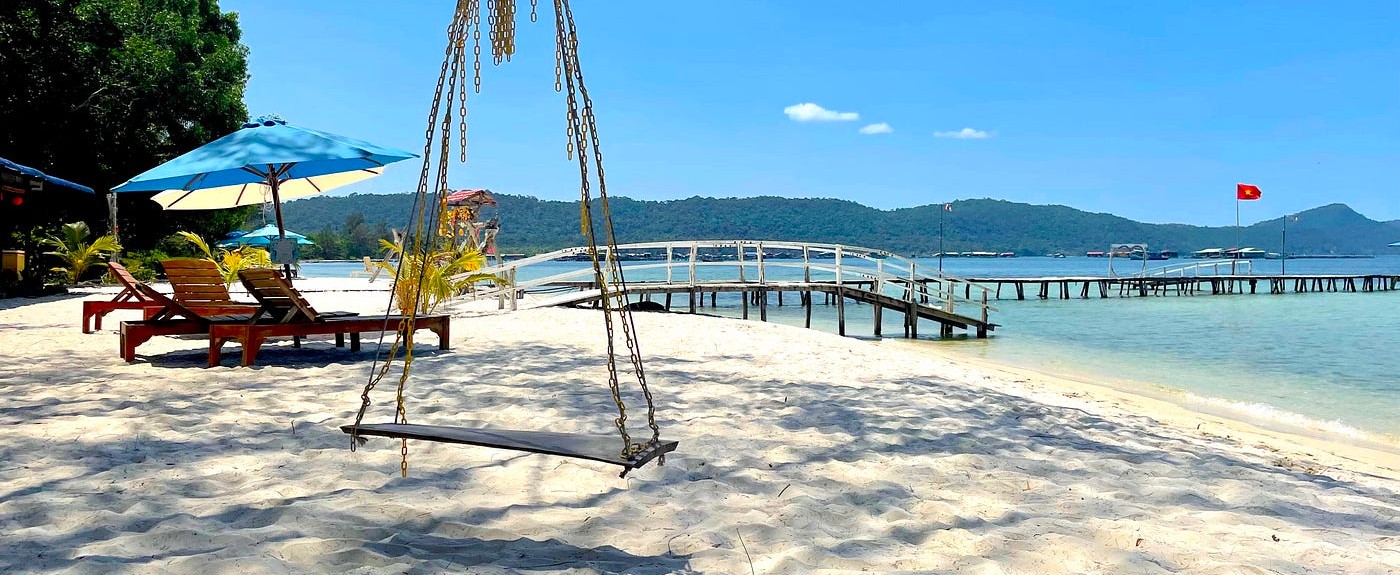
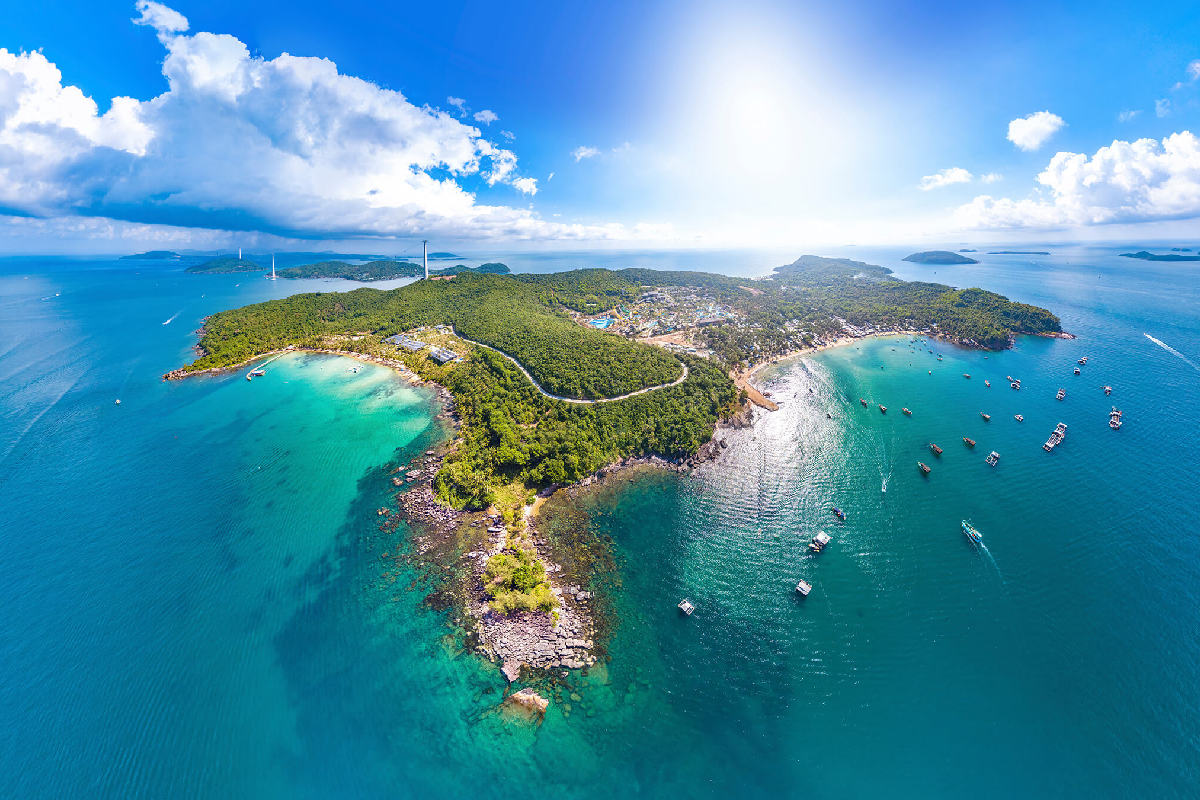
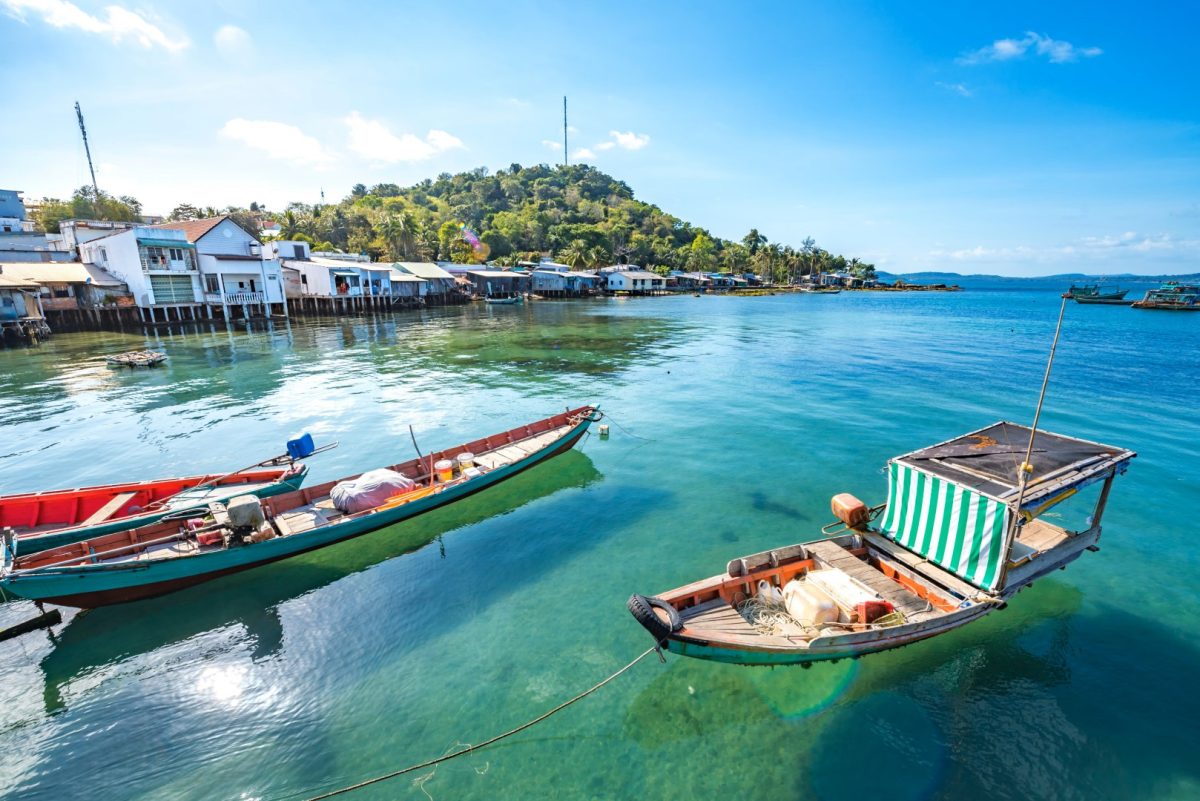
Beyond policy and numbers, the World Travel Awards title reflects a growing appreciation of Phu Quoc’s natural assets. The island is home to dense tropical forests, marine reserves, coral reefs, and long stretches of white-sand beaches. Phu Quoc National Park, which covers more than half of the island’s land area, plays a central role in preserving biodiversity while supporting eco-tourism initiatives.
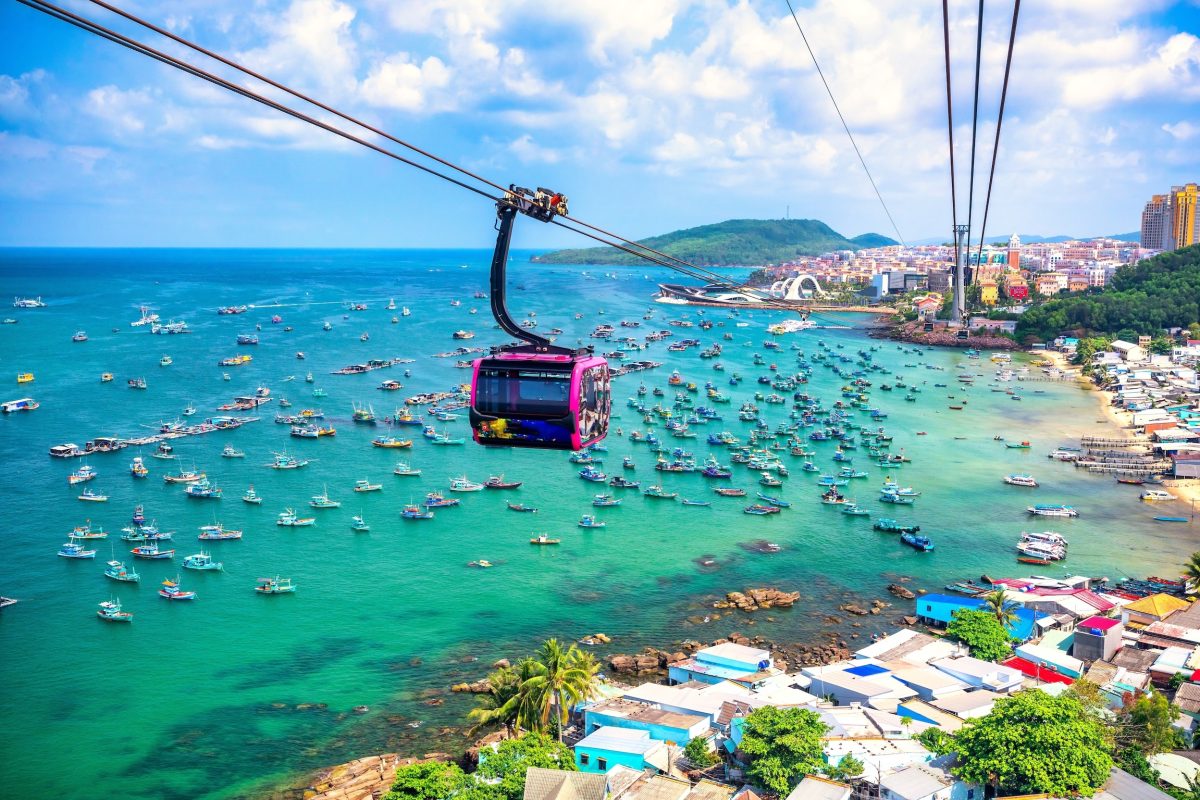
At the same time, the island has invested heavily in experiences that extend beyond nature alone. Night markets, cultural attractions, cable car systems, and large-scale entertainment developments have broadened its appeal to families, couples, and group travellers. This balance between natural scenery and curated attractions has helped Phu Quoc appeal to a wide demographic without losing its core identity as a beach-led destination.
PHU QUOC’S ASCENT
The World Travel Awards, established in 1993, are widely regarded as one of the tourism industry’s most influential benchmarks. Often referred to as the Oscars of the travel sector, the awards are determined through votes cast by travel professionals, industry stakeholders, and the general public. Winning at a global level places destinations in a rare category, often translating into heightened international visibility and long-term brand value.
For Vietnam, Phu Quoc’s success carries broader significance. As the country continues to rebuild and expand its tourism sector following pandemic-era disruptions, the island serves as a high-profile showcase of what targeted investment and clear positioning can achieve. Its performance also offers a glimpse into how Vietnam may continue diversifying its tourism offerings beyond traditional urban and heritage centres.
Looking ahead, sustaining growth without eroding the very qualities that earned international praise will be the island’s next challenge. Environmental protection, infrastructure management, and balanced development will play decisive roles in determining whether Phu Quoc’s current momentum can be maintained over the long term.
For now, however, the message from the global travel industry is clear. Phu Quoc is no longer an emerging destination quietly waiting to be discovered. It has arrived, and the world is paying attention.
SOURCES: VN Express; World Travel Awards; Condé Nast Traveler