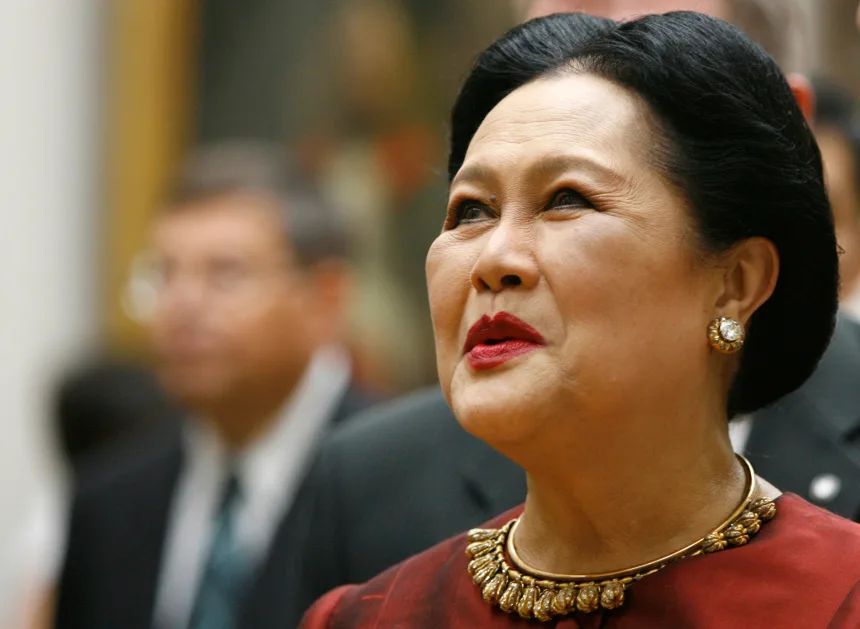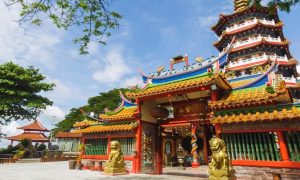



Malaysia’s neighbour to the north bids farewell to a beloved monarch whose compassion, artistry, and commitment to her people shaped generations.
Thailand’s Queen Mother Sirikit, long admired for her tireless dedication to improving rural livelihoods, preserving traditional crafts, and safeguarding the environment, passed away in Bangkok on Friday at the age of 93. The Royal Household Bureau confirmed that she died peacefully in hospital following complications from a blood infection that began in mid-October.
Her passing marks the end of a remarkable royal era. For decades, Queen Sirikit stood as both consort and companion to King Bhumibol Adulyadej, whose reign of 70 years defined modern Thai history. Though she had largely withdrawn from public life in recent years due to declining health, her legacy as Thailand’s “mother of the nation” remains deeply woven into the country’s cultural and social fabric.
As a sign of courtesy and respect, it has been recommended that those visiting the Kingdom in the coming weeks wear black or other dark colours (or, alternatively, all white) upon arrival. Thais have been requested to avoid wearing “flashy colours” for a period of 90 days.
A LIFE OF SERVICE AND SYMBOLISM
Born on August 12, 1932, into an aristocratic Bangkok family with ancestral ties to the Chakri dynasty, Sirikit Kitiyakara came of age during a time of upheaval. The same year she was born, Thailand transitioned from absolute to constitutional monarchy. After World War II, she followed her diplomat father to France, where she studied music and languages, later meeting the young King Bhumibol Adulyadej in Paris.
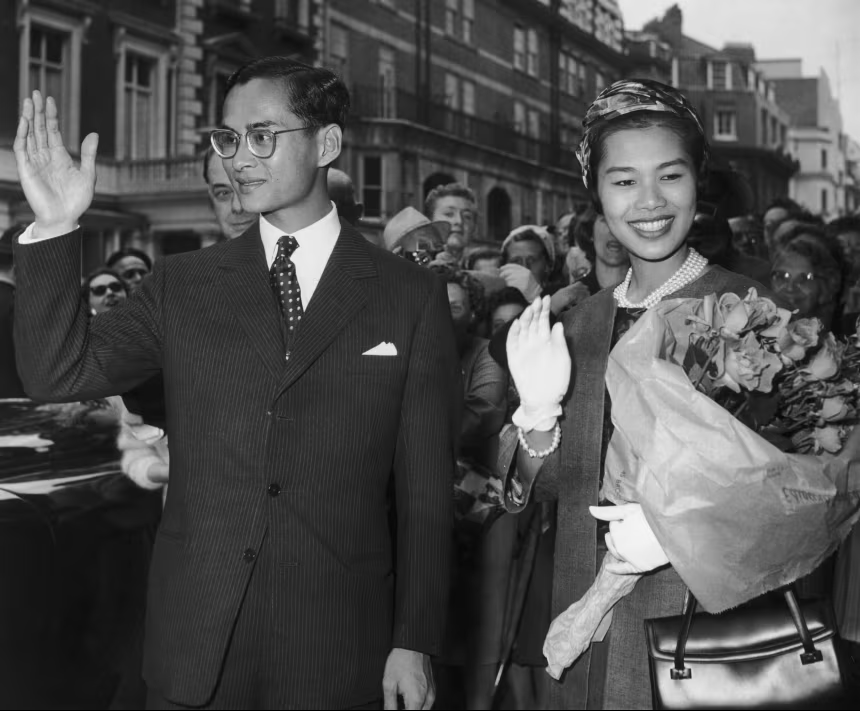
Their relationship blossomed after the king was injured in a serious car accident. Sirikit moved to Switzerland to help care for him, and the two married in 1950. Together, they pledged to “reign with righteousness for the benefit and happiness of the Thai people.” The royal couple went on to have four children, including the current monarch, King Maha Vajiralongkorn, and princesses Ubolratana, Sirindhorn, and Chulabhorn.
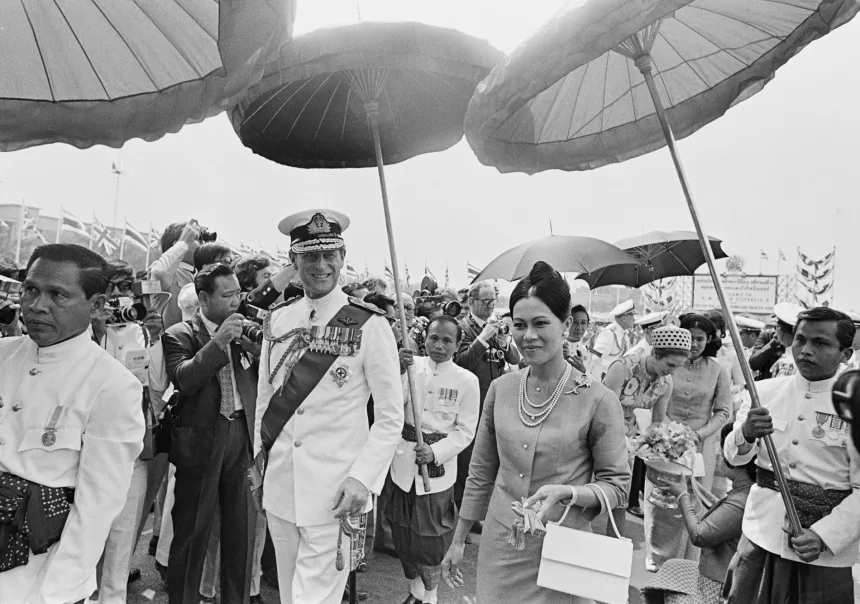
Throughout the 1950s and 1960s, the king and queen traveled the world as Thailand’s goodwill ambassadors, but their greatest focus remained at home. As the country grappled with poverty, inequality, and social unrest, Queen Sirikit devoted her attention to uplifting rural communities and protecting Thailand’s natural heritage.
THE PEOPLE’S QUEEN
Often seen visiting villages in remote provinces, Queen Sirikit developed a rare closeness with ordinary Thais. Wearing elegant silk yet unafraid to walk through muddy fields or crowded markets, she listened to villagers’ concerns with empathy. In a 1979 interview, she remarked, “People in rural Thailand say they are neglected, and we try to fill that gap by staying with them in remote areas.”
In 1976, she founded the SUPPORT Foundation, a programme designed to preserve traditional crafts while providing income to poor families. Through SUPPORT, thousands of villagers learned skills such as silk-weaving, jewelry-making, ceramics, and batik painting, helping to sustain Thailand’s artisanal traditions.
Her commitment to conservation earned her another title — the “Green Queen.” She established wildlife breeding centres, “open zoos,” and turtle hatcheries, and initiated projects such as Forest Loves Water and Little House in the Forest to promote the sustainable management of forests and water resources.
Queen Sirikit’s humanitarian work also extended beyond Thailand’s borders. She was a vocal advocate for refugees, particularly those displaced by the conflicts in neighbouring Cambodia during the 1970s and 1980s, and supported charitable organisations devoted to women and children’s welfare.
Her birthday on August 12 became Thailand’s official Mother’s Day, and her portrait remains a familiar presence in homes, schools, and public buildings across the nation.
COMPLEX TIMES AND ENDURING INFLUENCE
While adored by many Thais, Queen Sirikit’s role was not without controversy. As Thailand endured cycles of political unrest, coups, and protests, she occasionally found herself drawn into the public spotlight. Her attendance at the funeral of a protester killed during clashes with police in 2008 was viewed by some as a symbolic act of solidarity, while others saw it as evidence of partisanship in an era when the monarchy’s role was increasingly scrutinized.
Still, her influence endured far beyond politics. Known for her impeccable sense of style, she championed Thai silk on the international stage, working closely with designer Pierre Balmain to create garments that married traditional textiles with modern couture. Her wardrobe became a symbol of national pride and helped place Thai craftsmanship on the global map.
Even as her health declined following King Bhumibol’s death in 2016, Queen Sirikit remained a unifying figure. Images released by the palace for her 88th birthday showed her surrounded by family, including her son King Vajiralongkorn, during visits to Chulalongkorn Hospital.
To many Thais, she represented an enduring bond between monarchy and people — one rooted in compassion, service, and shared identity.
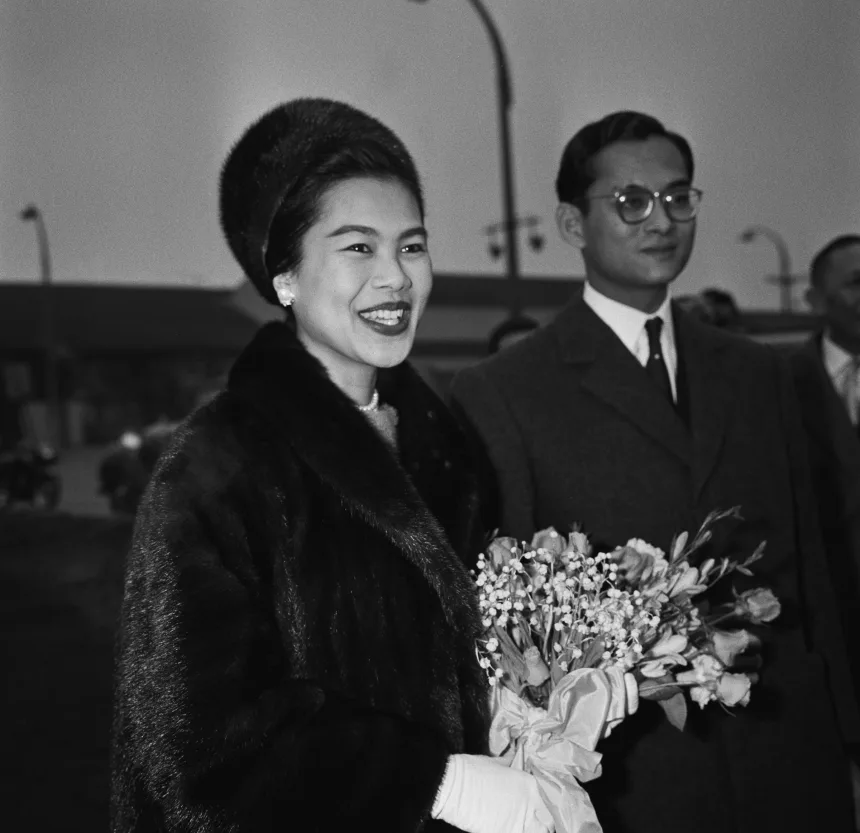
A LEGACY THAT ENDURES
Queen Sirikit’s reign as consort and later as queen mother spanned more than seven decades, making her one of the world’s longest-serving royal figures. Her life’s work — bridging Thailand’s urban and rural divide, empowering women, and protecting the country’s natural beauty — continues to shape public initiatives today.
In her own words, spoken decades ago but still resonant now: “There are some in the universities who think the monarchy is obsolete. But I think Thailand needs an understanding monarch. At the call, ‘The king is coming,’ thousands will gather. The mere word king has something magic in it. It is wonderful.”
As part of national mourning protocols, Thailand will fly its flags at half-mast for 30 days, while mourning attire is traditionally observed for three months.
Visitors who plan to pay their respects at the royal palace, where the Queen Mother’s body lies in state, are reminded to wear formal black or white clothing with a suit jacket, as a mark of respect.
Sources: Associated Press, CNN Asia, Bangkok Post, The Nation Thailand.