


As Thailand experiments with relaxing its afternoon alcohol ban while enforcing a strict overnight drinking curfew, the clash between public-health concerns and economic fallout highlights how delicate the balance between regulation and freedom can be.
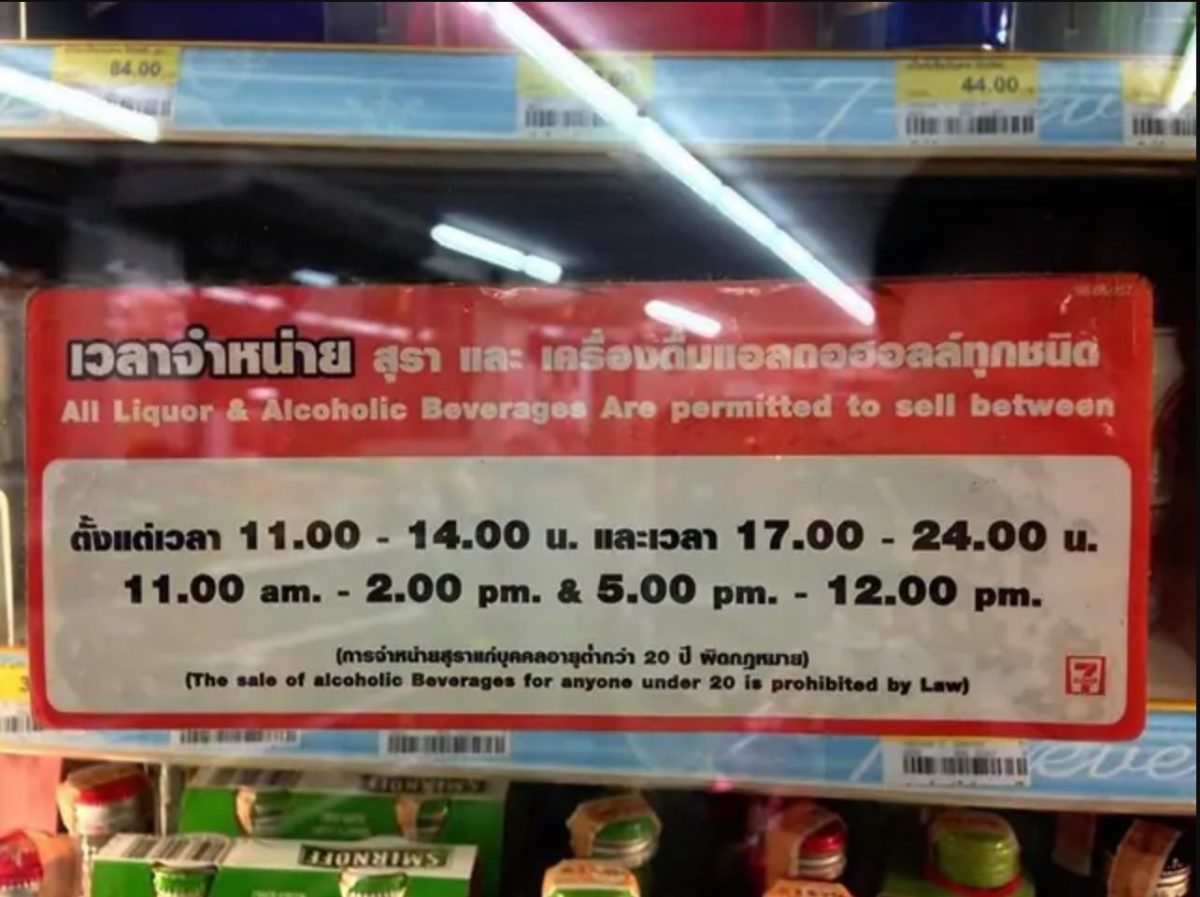
Thailand has once again reset the bar — literally. On December 3, 2025 the government launched a six-month trial loosening part of its decades-old alcohol sale restrictions. For the first time in years, restaurants, bars and liquor stores may sell alcohol from 11 a.m. until midnight — a shift from the earlier standard ban on sales between 2 p.m. and 5 p.m. The idea, officials say, is that the midday dry spell had outlived its original purpose. “Government employees sneaking out to drink during work hours” was the old rationale, but as Deputy Prime Minister Sophon Saram acknowledged, times have changed.
However, the latest change comes with a new — and severe — twist: a freshly enforced penalty for post-midnight drinking. As of November 8, 2025 a 10,000-baht fine now applies to anyone caught consuming alcohol at licensed venues between midnight and 11 a.m. That rule, combined with the revived daytime sales window, leaves a narrow gap of late-night consumption, effectively extending the dry hours for nightlife venues by years.
MIXED SIGNALS: EASING ONE BAN, TIGHTENING ANOTHER
On the face of it, the government’s two moves seem contradictory. On one hand, lifting the afternoon sales ban acknowledges changing social norms and caters to tourists and working Malaysians alike. On the other, the new curfew and fine risk dealing a serious blow to clubs, bars, and night-time eateries that rely on late-night trade.
Industry insiders have already warned that the midnight ban will harm the night-time economy just when it was beginning to rebound. Some noted that foreign tourists, especially those from Europe and other regions accustomed to late-night culture, might reconsider Thailand as their destination of choice. A 10,000-baht fine is no small deterrent for someone hoping to enjoy a late-night drink — especially when many ahead-of-time purchases and party plans go out of the window by midnight.
Others pointed out the confusing logic: if afternoon drinking was originally banned to deter public-sector workers from skipping work, the night-time curfew now risks criminalising responsible adults who finish dinner late or unwind after long shifts. In effect, the law replaces an afternoon ban targeting productivity with a blanket curfew that punishes nightlife participation.
At the same time, public-health advocates have cautiously welcomed the daytime relaxation. For them, the afternoon slot represented a risky window — people could begin drinking mid-afternoon and continue into the night, increasing the potential for accidents, drunken behaviour, and impaired driving. With Thailand’s road-traffic death rate already among the highest in the region, and alcohol-related incidents accounting for a large share of fatalities, some see the tighter curfew as responsible governance rather than a crackdown on nightlife.
This dual approach — loosening one restriction while reinforcing another — illustrates the core tension: how to accommodate social and economic demand for normalized alcohol access, without compromising on public safety and social order.
NAVIGATING HEALTH, TOURISM, AND ECONOMIC CONCERNS
Thailand’s economy depends heavily on tourism, hospitality, and entertainment — sectors that thrive on relaxed rules, late nights, and social buzz. By tightening the late-night window, the government risks cooling the very nightlife culture that attracts repeat visitors and prolongs stays.
Local businesses are already sounding alarms. Restaurants in nightlife-heavy districts, bars with licence renewals pending, and street vendors who relied on after-midnight trade are bracing for drops in revenue. Some may close early while others might shift to daytime promotions, but the overall vibrancy of Thailand’s night-time economy could suffer.
Meanwhile, from a public health perspective, the 2 p.m.–5 p.m. ban had become increasingly irrelevant. With flexible working hours, remote work, and modern commuting patterns, many would simply schedule around the ban rather than avoid alcohol altogether. The afternoon restriction hardly deterred determined drinkers, but it did create arbitrary obstacles for legitimate business interests and social activity. The new schedule recognizes that reality — allowing consumption during reasonable hours while reserving curfew for times when alcohol-related incidents are statistically higher.
In theory, the midnight curfew might reduce late-night accidents, noise complaints, and public disorder. But enforcement remains pivotal. If police crackdowns are inconsistent, if venues still allow surreptitious drinking, or if drunk driving isn’t rigorously policed, the policy may do little to improve road safety or public health.
FINDING THE BALANCE: SENSIBLE LAW, SUSTAINABLE BUSINESS
Thailand’s policymakers may be attempting a balancing act — to give bars and restaurants some breathing room while safeguarding public health. That approach echoes challenges seen elsewhere: create regulations flexible enough to allow cultural expression and commerce, yet firm enough to deter harm and excess.
What this moment underscores is how vital clarity and consistency are. For businesses, the window between 11 a.m. and midnight must remain economically viable. Club owners, restaurateurs, and vendors need assurances — not just of when they can sell, but how strictly curfews will be enforced, or whether exemptions exist for special events. For public health, it means enforcing drink-driving laws, educating about moderation, and investing in transport alternatives for late-night travellers.
If Thailand gets it right, the 2025 reforms could signal a more modern, mature approach to alcohol — one that acknowledges changing lifestyles and economic pressures while respecting public-health priorities. If it gets it wrong, the result could be a loss in tourism revenue, quieter streets after dark, and a sense that regulation favoured order over openness.
As the trial period unfolds, all eyes will be on how these changes play out in pubs, on highways, in clubs and karaoke bars, and on social media threads. Because at the heart of this issue is more than beer and spirits: it is about society, balancing safety and economy, and the cost of individual freedom.
Sources: VN Express International (via shared press-summaries), Bangkok Post coverage, Reuters reporting on Thailand tourism statistics.