


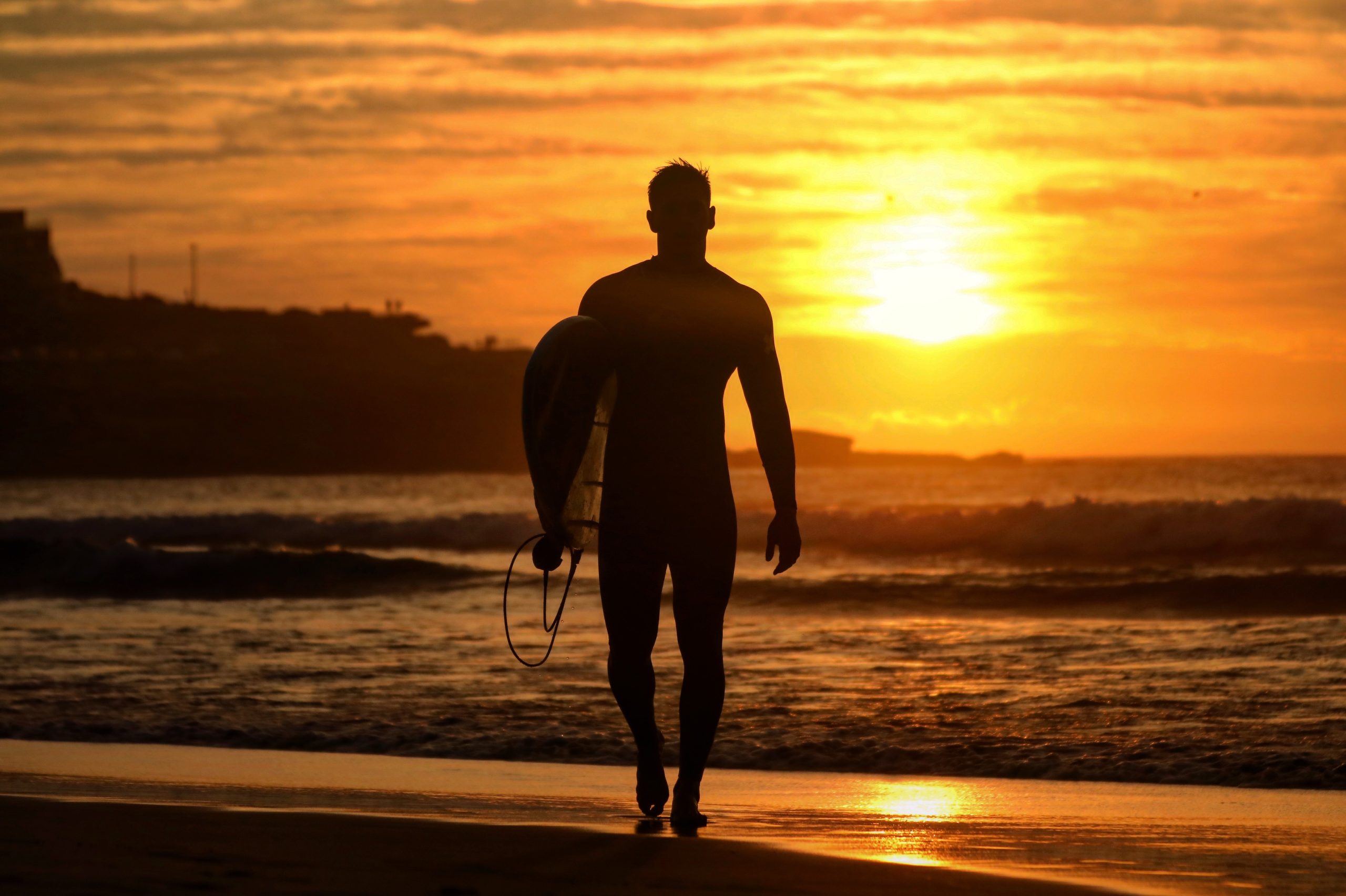
For many Australians, life revolves around the coast. From early-morning surfs and sun-soaked afternoons to fish and chips on the beach, the seaside is woven into the country’s identity. With thousands of beaches stretching along its vast coastline, Australia offers a beach lifestyle that is hard to resist.
In this feature, travel writer David Bowden takes us on a journey through the country’s rich surf culture, iconic coastal destinations and laid-back way of life. The Expat usually explores the wonderful places, people and experiences Malaysia has to offer. We also love venturing beyond its borders to showcase the beautiful countries around us though. And Australia, with its spectacular beaches and unmistakable coastal spirit, is simply irresistible.
BEACH LIFE
From the age of five, my brother, sister and I would walk the two kilometres to the beach after breakfast and return before dusk. Fitted out in our swimmers, we dabbed pink zinc on the nose and took nothing but a sandwich and a towel to nearby Bar Beach.
We would return as red as beetroots and be scolded by our parents for getting sunburnt. Is it any wonder that Australia has the world’s highest incidence of skin cancer? The following weekend, we did the same until the end of summer. Life was uncomplicated, and I loved every minute of it.
In my teenage years, life continued to be gloriously simple. Bronzed surfers, endless beaches, battered ‘utes’ (pickup vehicles), thongs (flip-flops), Speedos (Australian swimwear that everyone wore – there were few choices in those days – and fish ‘n chips at the beach.
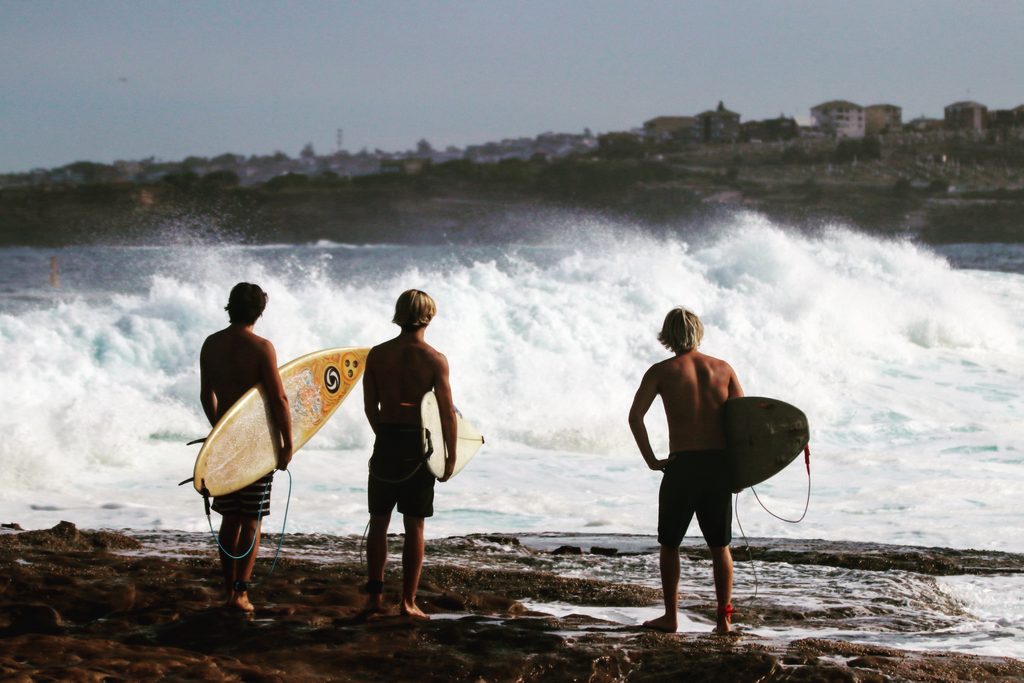
Surfing is an essential part of Australian culture. It is often picked up at a young age and enjoyed well into old age. It comes with its own rituals, language, dress code and hierarchy, all conducted somewhere between dawn patrol and the last wave before sunset. The sport says a great deal about where Australians live, how they see themselves and why so many of them gravitate towards the coast.
Australia is a profoundly coastal nation. Some 85% of the population lives within 50 km of the coast (50% within 7 km). The only major inland city is Canberra, the capital, which was planned that way (what were they thinking?). This geographical bias is not accidental, as much of the continental interior is vast, parched and mostly unforgiving. The coast offers temperate weather, opportunities for international trade, and, importantly, beaches. With a coastline of 35,000 km and thousands of beaches, I certainly won’t attempt to list them all – just a few of my favourites.
HITTING THE WAVES
Surfboard riding arrived in Australia in late 1914, when Hawaiian surfer Duke Kahanamoku gave lessons at Freshwater Beach in Sydney. He used a board he crafted from Australian timber. It was a defining moment in the development of surfing in Australia, and the Duke’s board is now on display at the Freshwater Surf Life Saving Club. A statue of Kahanamoku was also erected in his honour on the northern headland of Freshwater Lake.
The Hawaiian riding the waves ignited public interest in a nation of swimmers and beachgoers. Many took to board riding like ducks to water. By the late 1960s, surfing had become entwined with youth culture, rebellion and freedom. American surf films, rock music and the post-war economic boom all helped transform surfing from a niche pastime into a defining cultural movement.
Not to be outdone by the Americans, Australia produced its own movies. The 1972 movie Morning of the Earth maintained cult status even today. Its soundtrack features the iconic sounds of Taman Shud and John J. Francis (“Simple Ben”) and is included in the list of Australia’s Top 100 Albums.
Surfing has become a way of life for many – an early morning surf before work, weekends chasing swells and family holidays built around beaches became ingrained in Australian culture.
IN TUNE WITH NATURE
At its core, Australian surf culture revolves around a close relationship with nature. Surfers spend much of their lives glued to weather charts, tide tables and wind forecasts. They are always looking for the perfect combination of conditions.
The surf dictates meeting schedules and employers in coastal towns often understand that productivity may drop when the surf is hot. Best of luck in trying to pin down a Margaret River winemaker when the swell is rolling along Gnarabup Beach south of Perth.
There is also a strong egalitarian streak. Everyone is equal, as the person surfing next to you could well be the arresting policeman or your parole officer. However, surfers can be territorial, particularly at famous surf breaks. Outsiders quickly learn that catching the wrong wave can lead to expletive-charged exchanges.
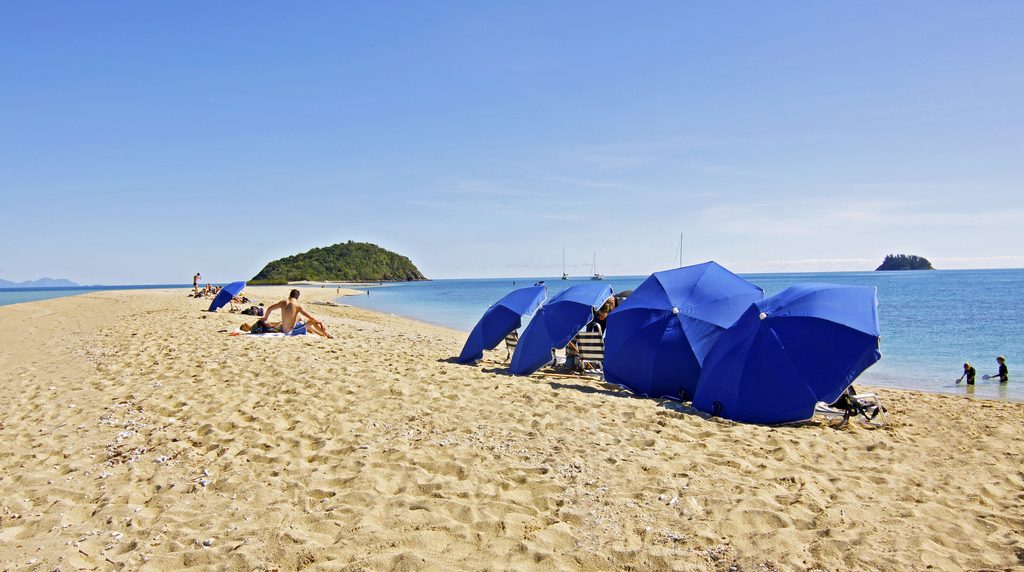
On the beach, makeshift games of cricket, football and volleyball welcome all who want to play. Umbrellas, picnics and barbeques enable beachgoers to enjoy a day in the sun.
GLOBAL APPAREL
Aussies had been decking themselves out in Speedo cozzies (swimwear) since 1928. However, in 1960, a new tight-fitting design caused a scandal and even arrests on Australian beaches. There is no such thing as bad publicity, and global attention was drawn to men wearing what became known as ‘budgie smugglers’ – a cheeky Australian nickname for tight-fitting swim briefs, referring to the idea that they are small enough to look as though they are hiding a budgie (a budgerigar, or small Australian parakeet) inside.
In the 1970s, a nylon/lycra blend revolutionised swim apparel. Speedo–wearing Aussie swimmers bagging yet another Olympic gold medal also captured global attention. Much to the chagrin of Aussies, the iconic brand is now in British hands.
The rise of Australian surfboard manufacturing, surf magazines and other surfwear brands turned Australian surf counterculture into an industry. Australian companies such as Rip Curl, Billabong and Quiksilver transformed surf fashion into global businesses. For a period during the 80s and 90s, boardshorts and thongs were national dress (for many, this has never changed).
In recent years, Mambo, Roxyand others entered the surf and street fashion scene. Now many are in the hands of global hedge fund managers, venture capitalists and private equity managers, suggesting there is money to be made in counter-cultural investments.
LIFE’S A BEACH DOWN UNDER
Sydney beaches such as Bondi, Manly, Coogee, Bronte and Clovelly are essential beaches to visit. Workers in Sydney’s eastern suburbs often go for a dip before starting a day’s work. Visiting backpackers gravitate to Bondi Beach and many take board-riding lessons along the famous stretch of sand. Others choose to swim in ocean baths with the Bondi Icebergs and Wyley’s at Coogee, attaining legendary status.
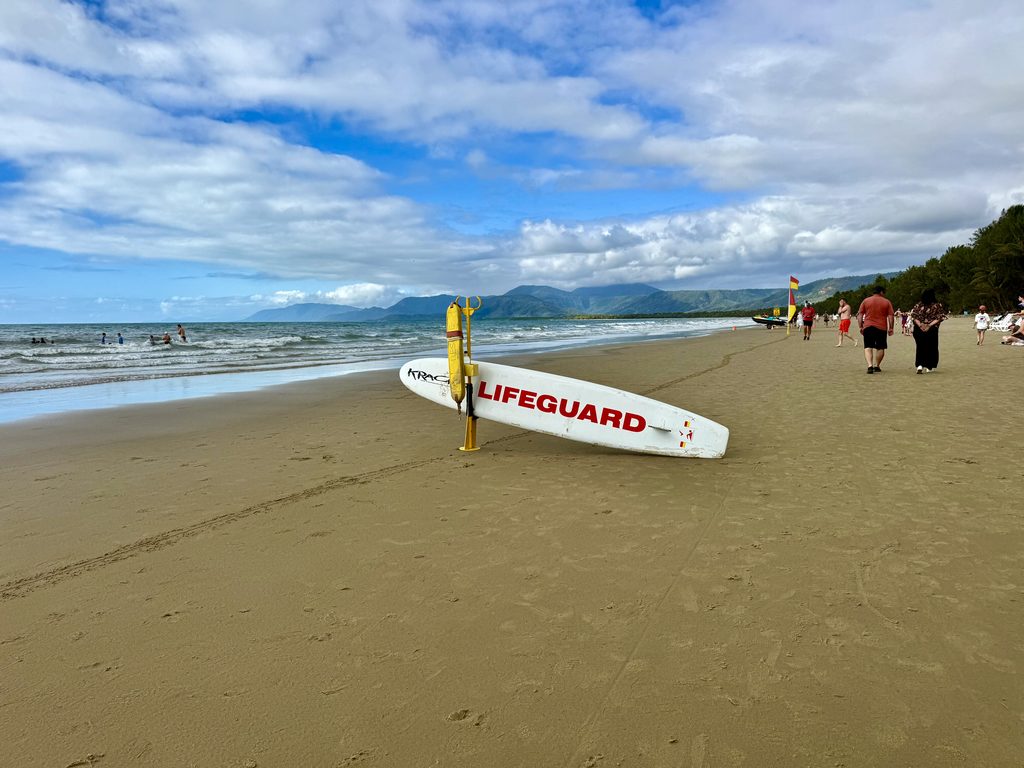
Should you visit Bondi, look out for my daughter and say hello. She is one of the volunteer weekend lifesavers. While the popular beaches are patrolled by professional lifeguards, volunteers provide additional support at weekends.
The familiar yellow and red flags mark safe swimming areas, while the Westpac rescue helicopter is a common sight flying along the coast.
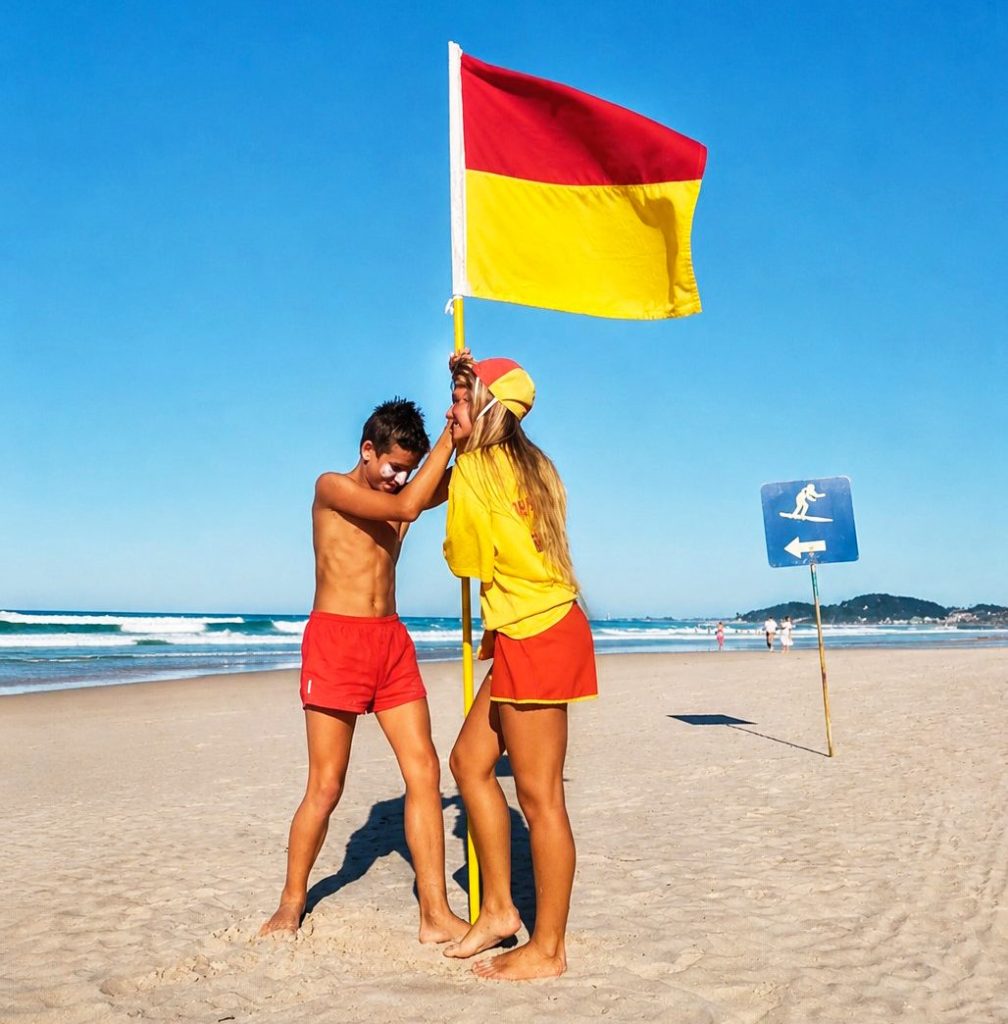
Many volunteer lifesavers start young, joining in as nippers before progressing through increasingly rigorous training. And it’s certainly not all work and no play. The surf lifesaving club overlooking the beach is also a popular hub for social activities.
Byron Bay, on the northern coast of New South Wales, has become a spiritual capital of surfing. Once a sleepy centre for alternative lifestylers, Byron Bay now attracts surfers, wellness gurus, musicians and gap-year travellers. Others gravitate to near-deserted sands such as Corindi Beach near Coffs Harbour.
You can also head south from Sydney to the beaches of the Royal National Park and Stanwell Tops. Hang gliders landing on the beach here are a common sight. Further south are Kiama and Werri Beach near Gerringong.
Queensland’s Gold Coast offers a very touristy insight into surfing. Snapper Rocks and nearby breaks produce some of the longest rides in the world. Surfers Paradise is where aspiring surf professionals come to test themselves and where Australian retirees have fun in the sun and enjoy the good life.
In Tropical North Queensland, backpackers fly into Cairns to establish a base at places like Four Mile Beach, Palm Cove, Ellis Beach and Port Douglas for access to the beach and dive sites on the Barrier Reef. They then travel southwards to Townsville and Magnetic Island, Langford Reef off Hayman Island and beaches like Coolum on the Sunshine Coast.
Perhaps the most iconic surf destination in Victoria, in southeastern Australia, is Bells Beach. It is home to the famous Rip Curl Pro competition held each Easter. Its cliffs, chilly Southern Ocean water and long right-hand point break embody the seriousness of the surf culture. Winning at Bells still carries enormous prestige among professional surfers. The 1991 action-thriller movie Point Break had Patrick Swayze riding Bell’s Beach monster surf. In true Hollywood style, they shot the footage in Oregon (never let the truth get in the way of a good story).
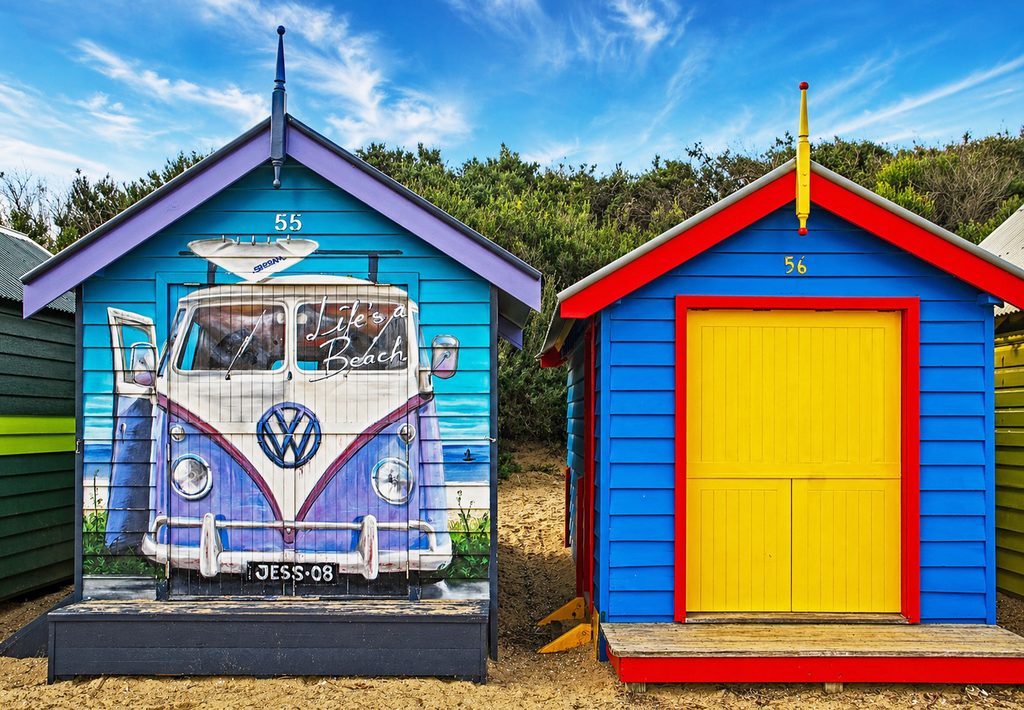
While Melbourne rarely attracts surfers, its colourful bathing sheds at Brighton, on the shores of Port Phillip Bay, are among the city’s most photogenic sights. Meanwhile, in Tasmania (Tassie), no location on the island is more than 115 km from the coast. Rugged coastlines along places like Bridport create perfect conditions for rugged links-style golf courses. Here, Barnbougle Dunes Golf Course has, in 20 years of operation, made it into the world’s top 100 courses.
On the opposite side of the continent, Western Australia delivers a down-to-earth surfing experience. Around Margaret River, surfers contend with swells rolling in from the Indian Ocean. One of my favourite places in Australia to enjoy breakfast is the White Elephant Café overlooking Gnarabup Beach near Margaret River. Other picturesque coastal destinations in the far west include Broome, where a camel ride along Cable Beach is a must-do activity. In the far southwest, Greens Pool is one of the nation’s most picturesque beaches.
MEET THE LOCALS – CAREFULLY
Australia’s coastlines help sell the nation to tourists, but beyond the postcard scenery lurks a long list of organisms ready to bite, sting, poison or otherwise inconvenience human beings. In certain places, and at various times of the year, swimming is discouraged by local authorities.
The country’s waters are home to sharks, including the formidable Great White Shark, the Tiger Shark and the Bull Shark. Shark attacks remain statistically rare, but they occupy a large place in the national imagination, particularly among surfers who are constantly vigilant.
In tropical Queensland, the box jellyfish possesses venom potent enough to cause cardiac arrest, while the tiny Irukandji jellyfish delivers a sting so painful that victims have reportedly begged to end it all. Australians still go swimming, although usually behind protective nets and with a respect for warning signs.
Saltwater crocodiles inhabit northern estuaries, rivers and coastal waters, growing large enough to regard kayaks as their next meal. On land, venomous snakes such as the Eastern Brown Snake or the Coastal Taipan can enliven social gatherings. Even seemingly harmless rock pools can conceal blue-ringed octopuses capable of delivering paralysing venom.
Most Australians take these threats in their stride and urge visitors not to be paranoid. However, they will tell you to swim between the flags, listen to the advice of lifesavers and locals and be wary of swimming along unpatrolled beaches.
Australia’s beaches offer something for everyone, from world-class waves to quiet stretches of sand. Just check the flags, respect the ocean, keep an eye out for the locals and enjoy one of Australia’s greatest pleasures.