


My idea of Sri Lanka has always been pretty one-dimensional: hot weather, stupas and monks, an abundance of spices, plenty of waterways, and, of course, the best appam (hoppers).
However, my recent trip to the Pearl of the Indian Ocean taught me that what I knew was only the surface. From ancient temples and a King’s fortress to authentic Sri Lankan village food and the majestic Mahaweli River, Sri Lanka is all-consuming.
A SUPREME ANCIENT FORTRESS
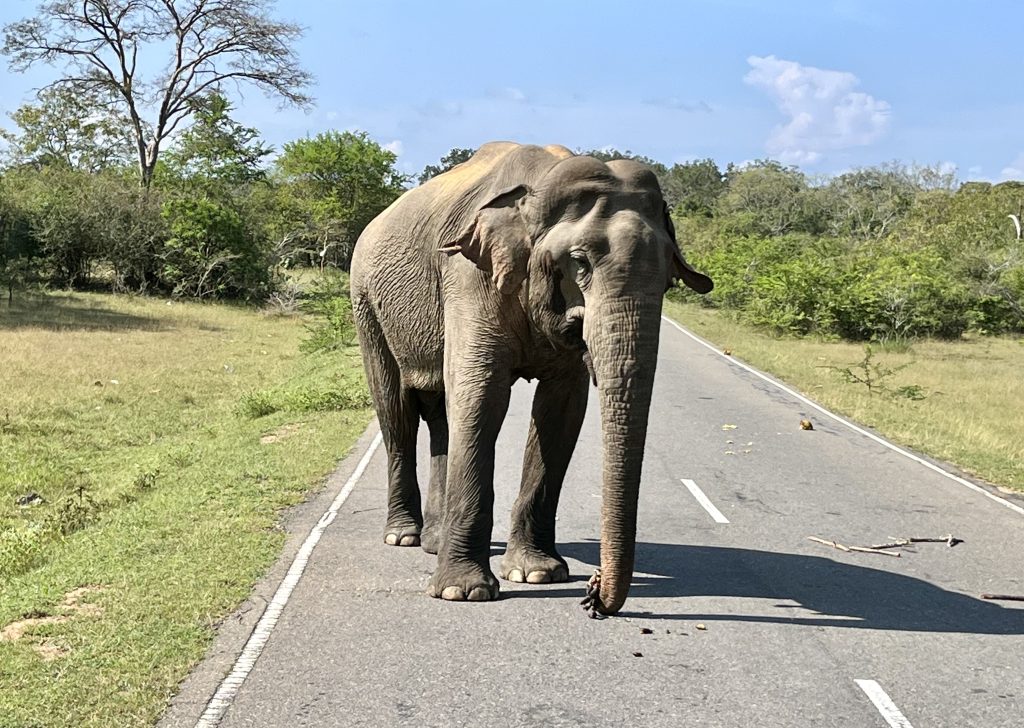
Sri Lanka has a deep connection with elephants. Appearing on postcards, ornaments, woven bags and, surprisingly, on the road at night, as we discovered while heading towards Dambulla and the ancient rock fortress of Sigiriya. The elephants paid no attention to the traffic. They simply following their usual path through the forest, while our driver treated their presence as an everyday occurrence.
Our first stay, at Kassapa Lions Rock, a self-proclaimed ‘bird friendly resort’, felt like taking refuge in the lap of Mother Nature. Fresh, crisp air, and the gentle calls of birds serving as our wake-up alarm. Peacocks hopping over fences and rural plantations stretching into the distance – it was a different world. True to its name, the resort is located close to Sigiriya. This makes it an ideal base for exploring the iconic Lion Rock.
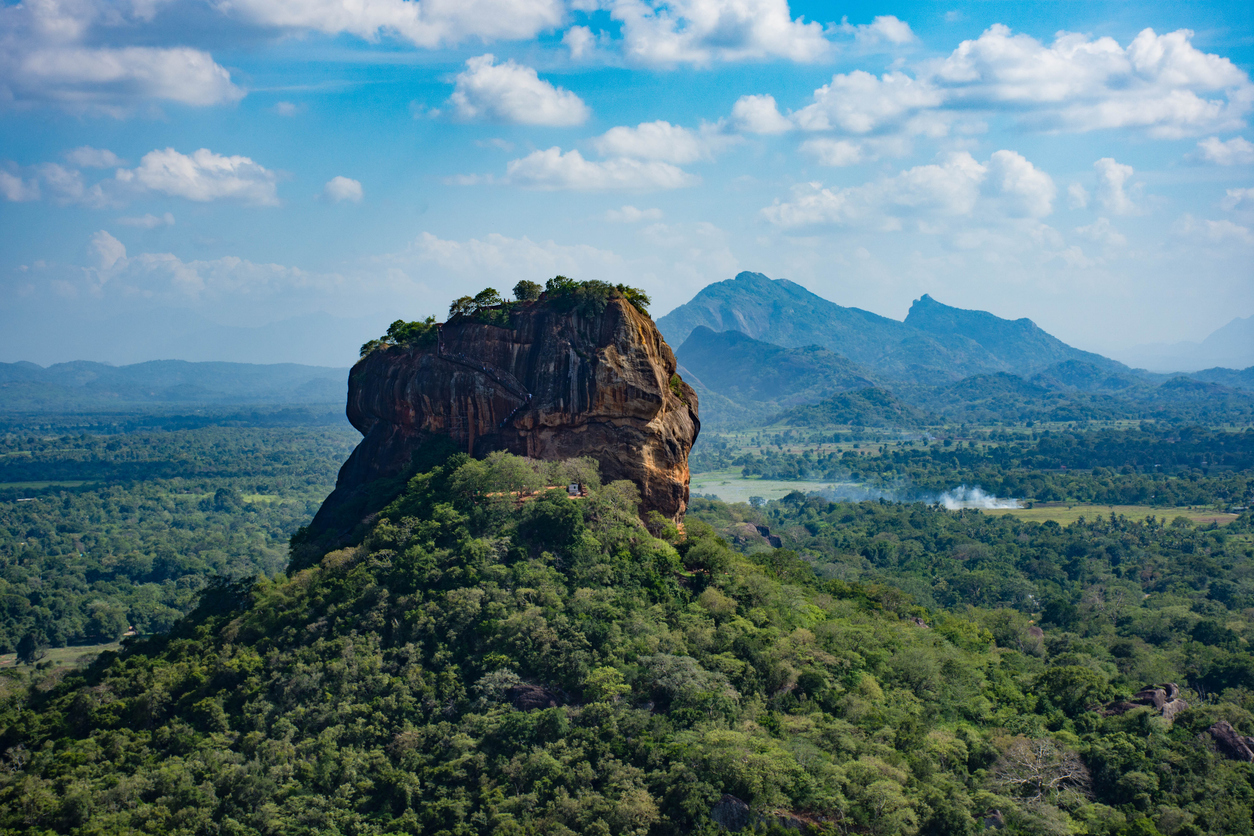
This UNESCO World Heritage Site is an ancient stronghold. Sinhalese King Kashyapa I built it atop a massive rock outcrop in the late 5th century. The giant rock rises more than 200 metres from the plains below. Surrounding the plateau is a carefully curated city with moats and canals. It once provided defensive shields against his own brother’s army. As peaceful and scenic it is today, the guide explained that the waterways were once filled with crocodiles and traps.
UP AND PERSONAL WITH BIRDS
Putting up at Cinnamon Citadel Kandy was perhaps the best outcome in Sri Lanka. Aside from its retro-chic rooms and cosy atmosphere, its position along the quiet banks of Mahaweli River is flawless. Be it during buffet or at the open bar, the lure of Sri Lanka’s longest river is constant. To my surprise, moments later, we found ourselves agreeing to a boat tour. With the sun gradually clearing the morning mist, we hopped on the boat. Within a few metres, our eyes were fixated on birds that call the waterway as home.
First, fully webbed feet and dark-feathered cormorants dipping into the water; then white-throated kingfishers darting between tree branches; an Indian pond heron snapping up a piece of fish; and finally, a pair of white-bellied sea eagles gazing over the entire river. We moved at an unhurried pace, taking in views of distant mountains, watching workers extract sand from the river by hand, and admiring the iconic rope bridge featured in Indiana Jones and the Temple of Doom (1984).
KANDY TOWN’S INEVITABLE CHARM
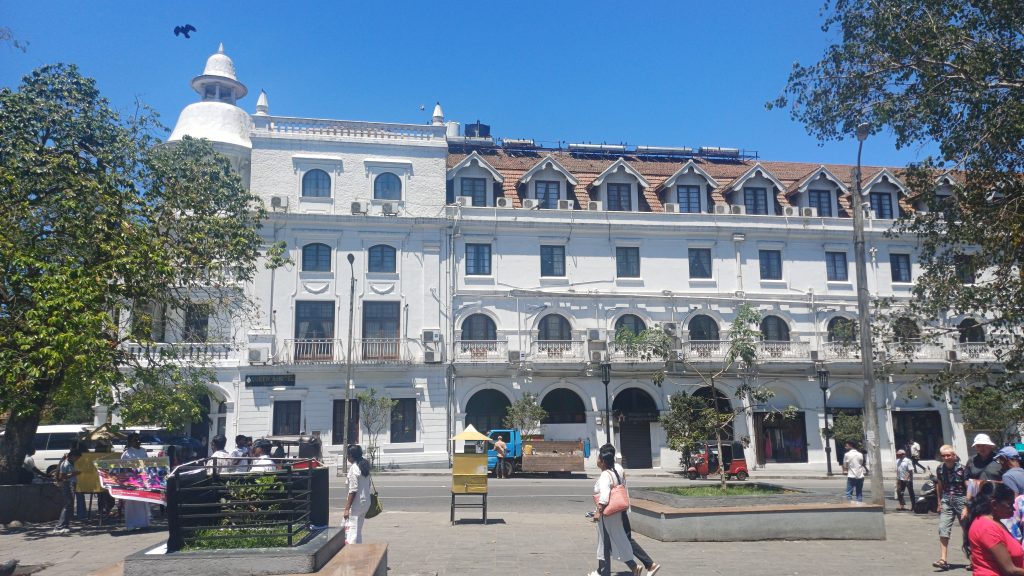
Every photo taken in Kandy was postcard-perfect. Nestled in a bowl of mountains, the ancient capital of Kandy has bustling streets, colonial architectures, lush gardens and a beautiful manmade lake. Even when the midday sun creeps through the trees, the city provides a cooler climate compared to the coastal areas. Just strolling through the streets was an experience of its own. The old town is home to a labyrinth of market stores offering spices, textiles and handmade crafts. And once the sun goes down, cafes and ice cream parlours housed within colonial buildings lure a wave of the younger generation. For the perfect snapshot of Kandy, we went to Kandy Viewpoint to soak up the panoramic sights of the city and the lake.
ANCIENT TEMPLES COMING ALIVE
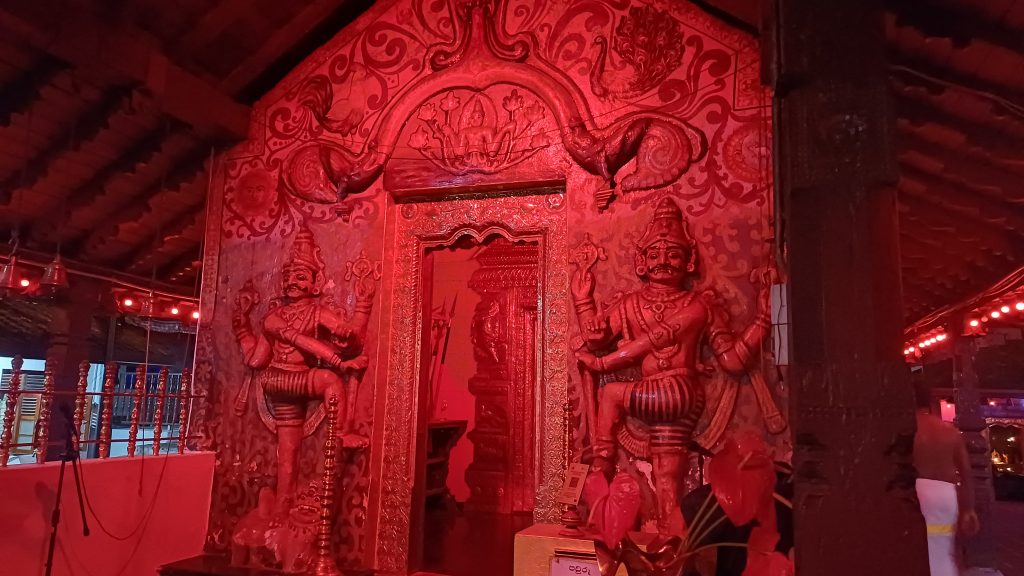
No visit to Kandy is deemed complete without visiting Sri Maha Kataragama Devalaya, which sits at the heart of Kandy Town. The Hindu shrine is easily recognisable by its vibrantly decorated vahalkada (frontispiece). On the inside, the traditional Kandyan architecture and wooden carved valance boards add to the artistic allure. This temple was built during the reign of King Narendrasighe (1707-1739). It was the personal shrine of the Kandyan kings for their devotional rituals. Rolling into the night, the temple radiates in red colour, and the thump from authentic drums further uplifts the sacred aura.
I generally love trees – short, tall, weathered, verdant, gnarly or slender. It doesn’t matter. So when I got to know that the world’s oldest intentionally planted tree sits within Jaya Sri Maha Bodhi in Anuradhapura, I just had to go. The 2,300-years-old-sacred fig (Ficus religiosa), or more endearingly known as the bodhi tree, is the closest living link to Gautama Buddha. Tradition holds that it grew from a cutting taken from the southern branch of the sacred tree in India beneath which Buddha attained enlightenment some 2,600 years ago. Today, the venerated tree stands on a raised terrace, encircled by lower terraces planted with Bodhi trees known as ‘Parivara Bodhi’, which are believed to protect it.
TEA, SPICE AND EVERYTHING NICE
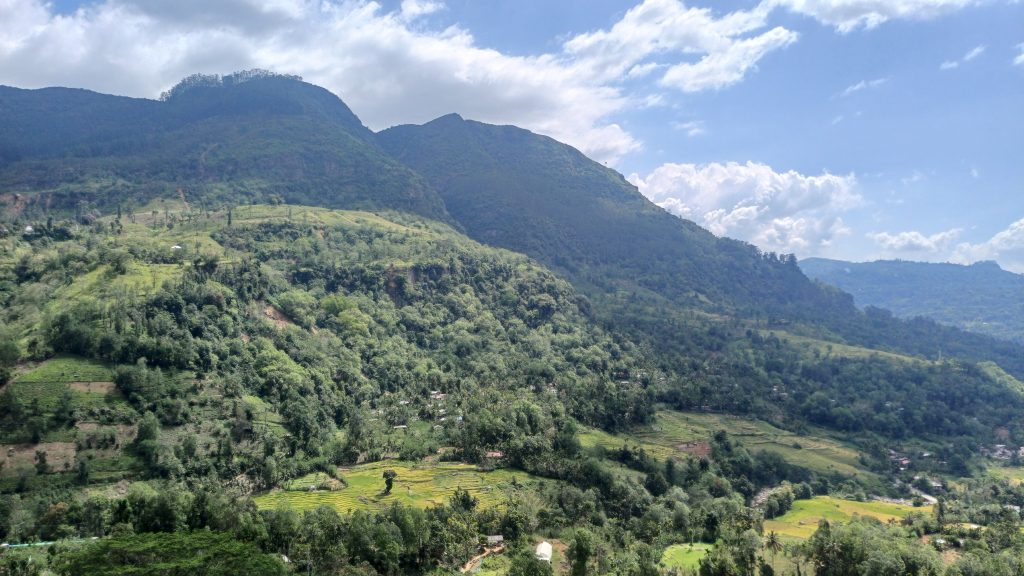
Tea is ubiquitous in Sri Lanka. From tea shops to in-room tea bags, every sip left an impression on the palate. To savour the best, we went to Nuwara Eliya, a highland town that lies 1,800 metres above sea level. Tea plantations and rolling hills predominate, while locals set up makeshift stalls selling cabbages, strawberries, carrots and other fresh produces.
Nearing the top point, we stopped at Labookellie Tea Lounge. The views were soul-soothing, particularly with hot black tea, a slice of tea cake and freshly made pizzas on our sides. We sipped several types of black teas, identified the colours (dark, amber, light and mild red), sensed the aromatic notes and chose our favourite. Followed by a 20-minute tea tour inside the factory, we learnt how plucked teas are curated and removed moisture, oxidised to develop colour and taste, and finally split according to grades.
SRI LANKA’S FOOD CULTURE
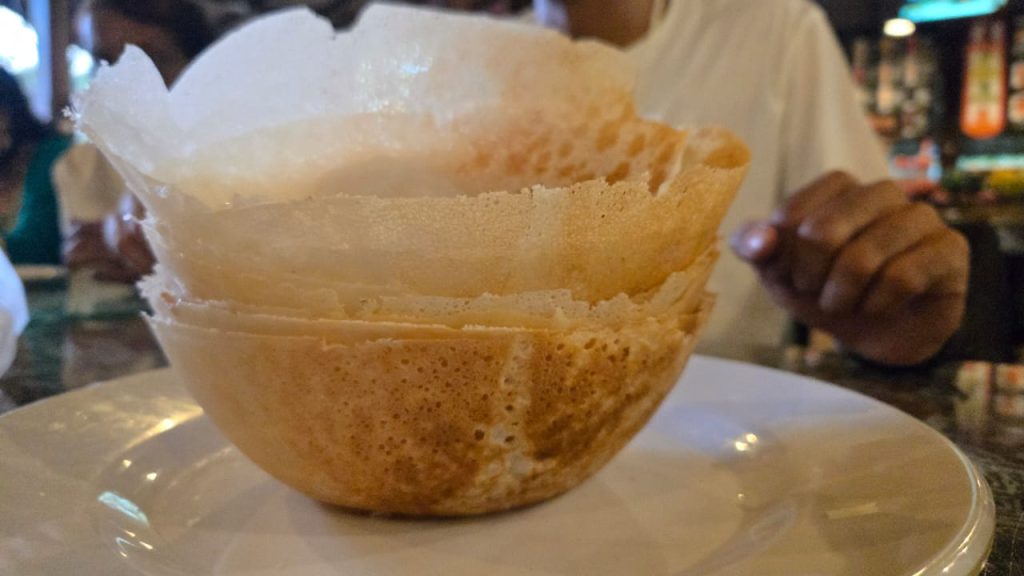
Sri Lankan food doesn’t hold back on salt or spice, and portions are equally generous. Over the course of the stay, we tried kottu parotta (chopped flatbreads mixed with spices and vegetables), idiyappam (string hoppers), watalappan (dessert made from coconut milk, jaggery and cardamon) and my much-loved egg appam (bowl-shaped egg hoppers).
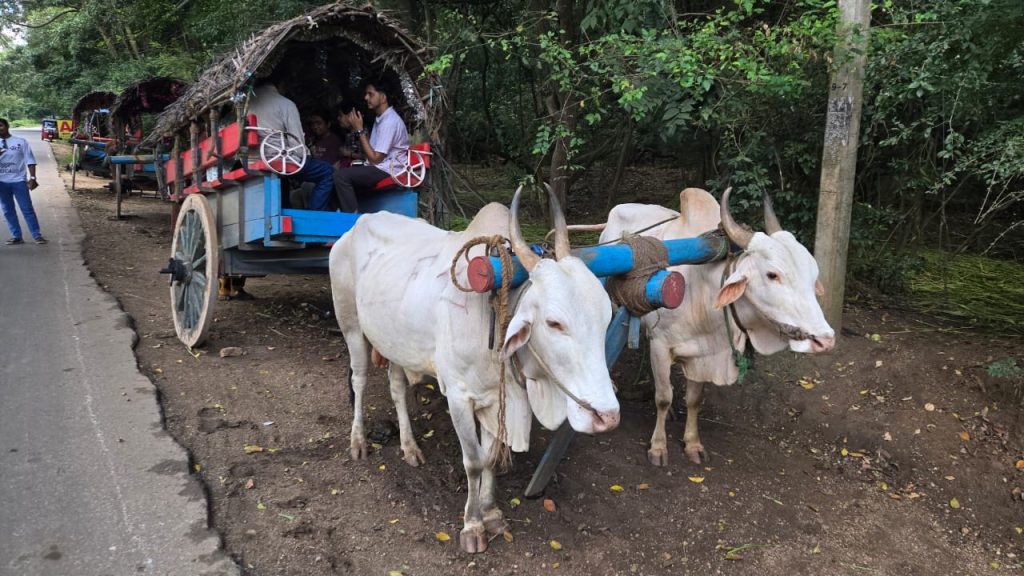
However, our top-pick was a village meal part of Sirigiya Village Safari Tour. First up, we hopped on a wooden cart pulled by bulls and embraced the tempo into a rural village. This was the way how crops and goods were transported back then. As we ventured deeper, the roads became increasingly rough, forcing us to switch to a tractor. Finally, we crossed a gorgeous lotus-covered lake to reach the other side of the village by catamaran.
After weaving our way through a sea of lotus plants, we stepped off the boat to discover a village hut. The welcoming sound of drums announced our traditional Sri Lankan lunch. Freshly made spicy pol sambal from grated coconut and chillies, and colourful dishes lined in clay pots, tempted our growling stomachs. Sourced from nearby plantations, the snake gourds, winter melons, cabbage and sweet-sour ambarellas impressed with their respective textures and flavours, with the right undernote of spices. When asked about the fried fish, the villager told, “Yes, it was caught from the lake you crossed.” We washed it all down with a cup of yoghurt drizzled with raw, local honey. No frills, just flavours.
HISTORICAL POSTAL SERVICE IN SRI LANKA
Throughout our stay in Sri Lanka, we observed colonial buildings and architectures, especially within Kandy town. Nevertheless, a standout experience has to be the Nuwara Eliya Post Office in in Nuwara Eliya. Built in 1894 by the British, the property’s red-brick facade and Tudor-style architecture, complete with spires and a clock tower is a sight to behold. Inside, we browsed a collection of stamps, telegrams and timeworn postal equipment. To make the most of the moment, we sent Sri Lankan postcards with handwritten wishes back home as a token of remembrance. The excitement of sending a handwritten postcard to a loved one was second to none.
From the outset, Sri Lanka proved to be engaging and exceeded my expectations given my initial viewpoint. It’s a preface to anyone seeking adventure and antiquity alike, particularly newcomers.