



Often dismissed as minor discomfort, persistent digestive issues can signal something far more serious. Upper GI cancers are among the deadliest globally – but when detected early through screening, they are highly treatable and often curable.
For many, a “stomach ache” is dismissed as a minor inconvenience – a side effect of a spicy meal or a stressful day. However, in many parts of the world, particularly across East Asia, persistent digestive discomfort can be the first whisper of something much more serious: upper gastrointestinal (GI) cancer.
Upper GI cancers, which primarily include stomach cancer and oesophageal cancer, are among the most common and lethal malignancies globally. Yet, they share a hopeful characteristic: when caught early through proactive screening, they are highly treatable and often curable.

WHY SCREENING MATTERS
The primary danger of upper GI cancer is its “stealth” nature. Early-stage tumours rarely cause noticeable symptoms. By the time a patient experiences significant weight loss, difficulty swallowing, or persistent pain, the cancer has often reached an advanced stage where treatment is much more complex.
Screening changes the narrative by:
- Catching “silent” tumours: Finding cancer before symptoms even begin.
- Endoscopic treatment options: Many early lesions can be removed endoscopically without the need for major abdominal surgery.
- Drastically improving survival: Early-stage cancer has a significantly higher survival rate and better long-term outcomes compared to advanced-stage disease.
MODERN SCREENING METHODS: WHAT TO EXPECT
Today’s screening is faster, more accurate, and more comfortable than ever before.
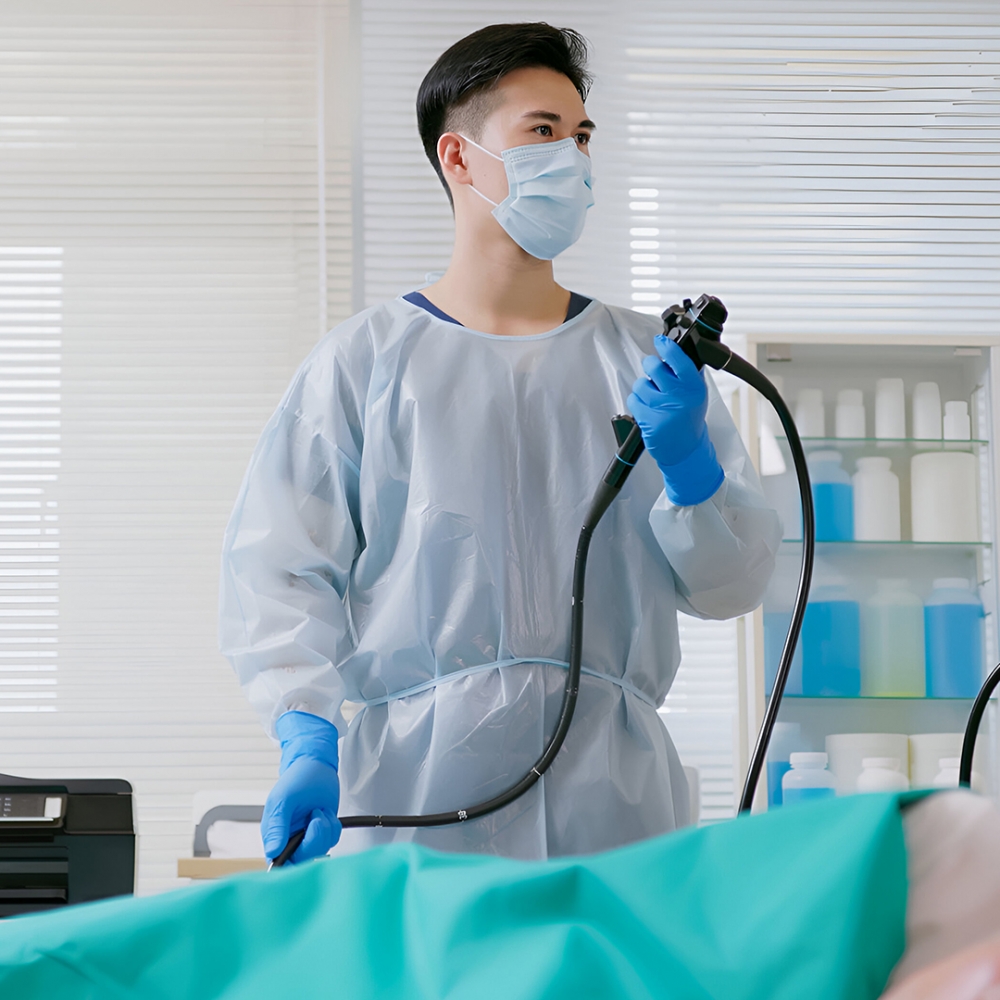
- Gastroscopy: The “gold standard” for detecting upper GI cancers. A thin, flexible tube with a high-definition camera is used to examine the lining of the oesophagus and stomach directly via the mouth. Doctors can take tiny tissue samples (biopsies) or even remove precancerous growths (polyps) during the same procedure..
- H. pylori testing: Since Helicobacter pylori bacteria is a leading cause of stomach cancer, testing for and treating this infection is a vital pillar of prevention.
ARE YOU AT RISK?
- Age: Risk increases significantly after age 45–50.
- Chronic infection: Persistent H. pylori infection.
- Diet: High intake of salted, smoked, pickled, or processed foods.
- Lifestyle: Smoking and heavy alcohol consumption.
- Medical conditions: Gastrooesophageal reflux disease (GERD), chronic gastritis, obesity, and others.
- Family history: Having a first-degree relative with upper GI cancer.
COMMON UPPER GI CANCER “RED FLAGS”
While the goal is to catch cancer before symptoms appear, you should seek medical advice immediately if you experience:
- Difficulty swallowing: A key symptom of feeling that food is “stuck” in the chest or throat.
- Early satiety: Feeling full after eating only a small amount of food.
- Persistent indigestion or heartburn: Discomfort that does not resolve with over-the-counter medications.
- Upper abdominal pain: Pain or gnawing discomfort in the upper stomach area.
- Nausea and vomiting: Frequent episodes, which may occasionally include blood.
- Black, tarry stools: A sign of internal gastrointestinal bleeding.
- Unexplained weight loss: A sudden drop in weight or loss of appetite.
- Fatigue: Extreme tiredness, often caused by underlying anaemia.
TAKE ACTION
If you are over 45 with a family history of upper GI cancer, or experience persistent indigestion, do not wait for “red flag” symptoms to worsen. Speak with a gastroenterologist or upper gastrointestinal surgeon about screening today. In the fight against cancer, time is our most valuable resource – and screening is the best tool for early detection and timely treatment.

All images courtesy of Sunway Healthcare