

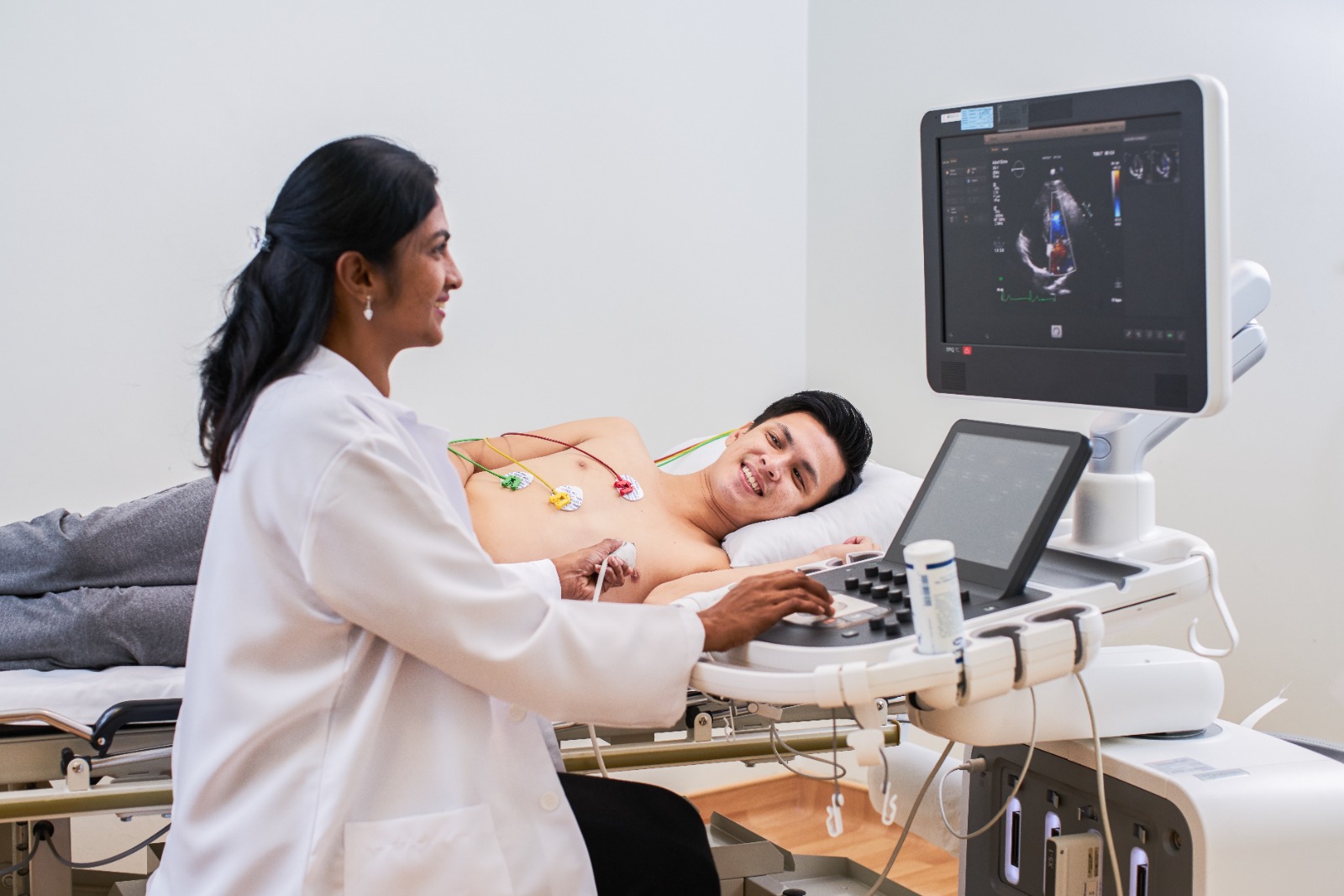
Chest pain is not the only signal. From shortness of breath to jaw discomfort, early warning signs of heart disease can be subtle – making regular screenings and timely checkups essential for long-term health.
When heart disease is mentioned, chest pain is often the only symptom that comes to mind.
However, heart problems can come up in the form of other symptoms that may not be as obvious. It’s important to be aware of these early warning signs before the condition becomes life threatening.
Sunway Medical Centre Consultant Cardiologist, Dr Richard Chan, shares the early and common warning signs of heart disease that you should never ignore, as well as why you need a regular heart health checkup.

Heart problems often present with overlooked symptoms beyond typical chest pain. A heart attack may feel like a deep, crushing sensation rather than sharp pain. Jaw or neck pain can signal heart issues due to shared nerve pathways. Swelling in the legs and feet may indicate heart failure from fluid buildup. Shortness of breath can result from poor blood circulation or fluid in the lungs. Dizziness or fainting may occur due to reduced brain blood flow or abnormal heart rhythms. Nausea and gastric pain, more common in women, can also reflect reduced oxygen supply in the body.
UNDERSTANDING THE IMPORTANCE OF HEART HEALTH CHECKUPS
It can also be possible to have a heart problem but not experience any noticeable symptoms. That is why getting a heart health screening with a Consultant Cardiologist is crucial. A heart specialist can identify potential issues through tests and offer advice on the appropriate treatment and lifestyle changes that can save your life.
WHEN SHOULD YOU GET A HEALTH CHECK?
An annual heart health screening and check-up is recommended for all individuals above age 40, as well as those who have the risk factors below:
- Hypertension
- Diabetes
- High cholesterol levels
- Obesity
- Family history of heart disease
- Smoking
“Hypertension, diabetes, high cholesterol and smoking increase inflammation of the blood vessel walls and cause plaque to form. This narrows the blood vessel lumen and restricts blood supply. The rupture of plaques can also lead to blood clots that obstruct blood flow, causing a sudden heart attack,” explains Dr Richard.
Men have higher heart disease risk, but women’s risk rises after menopause due to reduced estrogen and progesterone. Surgical menopause further increases risk. Although hormones offer protection earlier in life, declining levels remove this benefit, making postmenopausal women equally vulnerable and highlighting the importance of monitoring heart health in both men and women.
WHAT SHOULD YOU EXPECT DURING A HEART HEALTH CHECKUP?
Some of the tests during a heart health checkup include:
- Electrocardiogram (ECG): Sensors are placed on the chest and arms and legs to check the heart’s electrical signals.
- Stress Test: You walk on a treadmill or ride a stationary bike to see how your heart works during exercise.
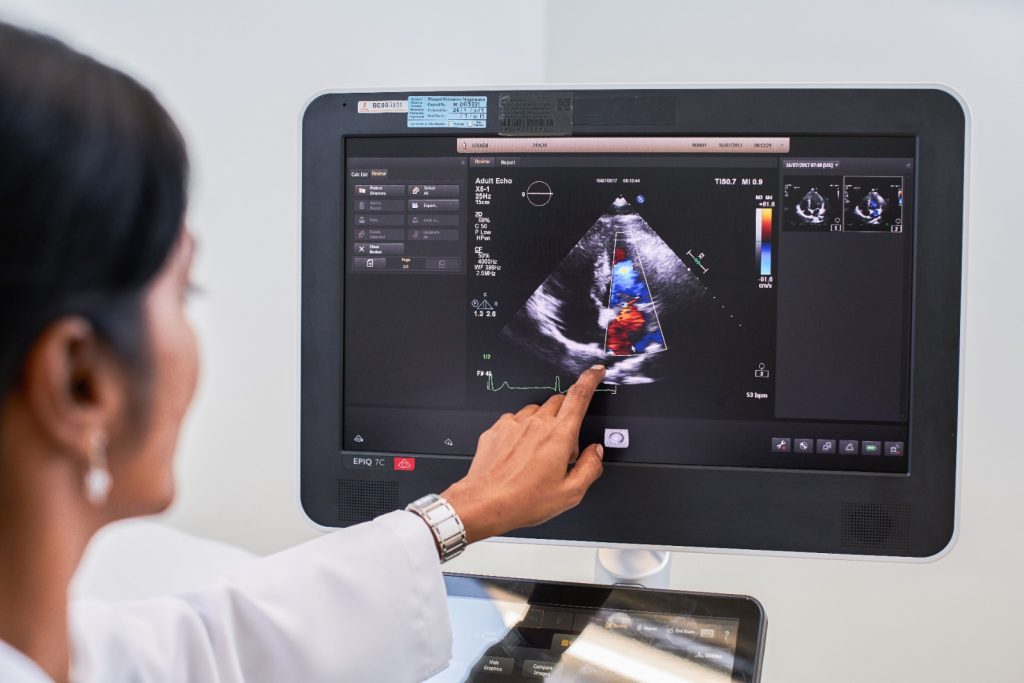
- Echocardiogram: A scan that uses sound waves to look at the heart and nearby blood vessels.
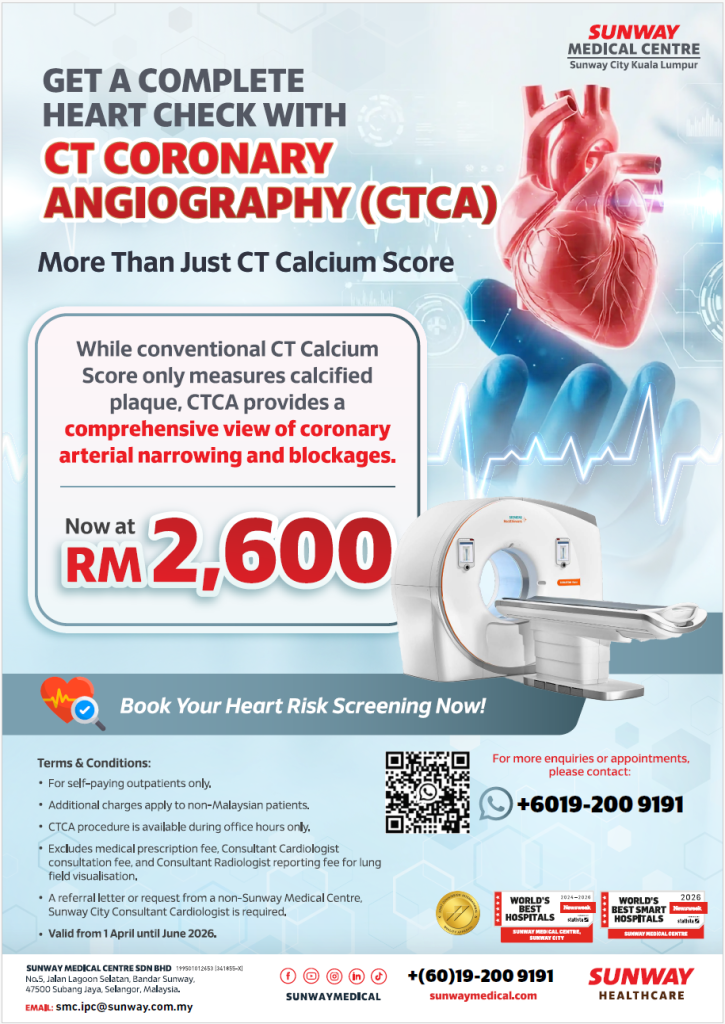
- CT Coronary Angiography: A safe and detailed scan used to check the heart and blood vessels.
If heart concerns are found, the doctor will suggest the right treatment and lifestyle changes if needed.
Don’t wait until problems become serious. If you have any of these symptoms or risk factors, it’s important to get checked. A heart health check up with a heart specialist can help detect issues early and give you the chance to make changes that protect your health.
Schedule a heart health check with our Consultant Cardiologist at Sunway Medical Centre, Sunway City if you have any symptoms or concerns about your heart today.