




Think about everything you used to have to carry to leave the house: a wallet, a bunch of keys, a map, perhaps a diary, a camera and a stack of cards. Today, a smartphone can replace almost all of them.
It holds our payment cards and boarding passes, finds our way when we are lost, keeps track of hotel bookings, entertains us, connects us to the world and, increasingly, even unlocks our doors.
The pace of these changes has been remarkable. In less than 20 years, the smartphone has evolved from a new gadget into an essential tool. It combines a camera, maps, entertainment, travel, banking, communication and more in one pocket-sized device.
Yet as transformative as smartphones have been, many technology experts believe we are only at the beginning of a much larger shift. Artificial intelligence, wearable technology, advanced healthcare systems, autonomous transportation, smart infrastructure, and new forms of computing are converging at a pace rarely seen before. The result could be a future where technology becomes less visible but more integrated into our daily lives. The question is no longer whether technology will change the way we live. The question is how.
LIFE IN 2036 STARTS BEFORE YOU WAKE UP
Imagine waking up on an ordinary morning ten years from now. Before your alarm sounds, your home has already been working hard. The bedroom temperature has adjusted based on your sleep patterns, and your blinds open gradually to mimic natural sunrise. Then, your coffee machine begins brewing at precisely the right moment to kick start your day.
Overnight energy consumption has been optimised, while the air-conditioning system is adjusted according to weather forecasts and electricity demand. Most importantly, none of this feels particularly futuristic. The best technologies rarely announce themselves. They simply work.
Many of the foundations already exist today. Smart thermostats, connected appliances, voice assistants, and energy management systems are becoming increasingly common. Over the next decade, these individual devices are expected to evolve into integrated ecosystems that communicate with one another and make decisions automatically.
THE SMARTPHONE’S SUCCESSOR
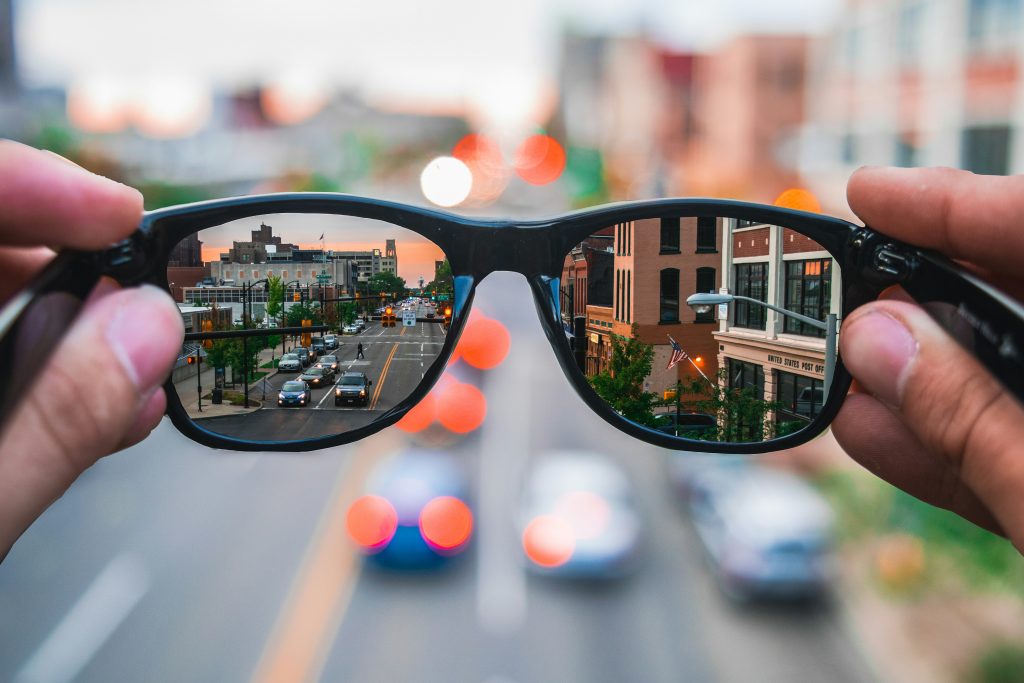
The smartphone has become one of the most successful consumer technologies in history. Which naturally raises an interesting question: what comes next?
For years, technology companies have been searching for the device that might eventually replace the smartphone as our primary interface with the digital world. Many believe the answer will be wearable technology. Smartwatches already provide notifications, navigation, health monitoring, payments, and communication. The next generation of wearable devices is expected to expand these capabilities dramatically.
Augmented reality glasses are attracting particular attention. Unlike virtual reality headsets, which immerse users in digital environments, augmented reality overlays digital information onto the real world with directions appearing directly in your field of vision. Restaurant reviews appear as you walk past a venue, real-time language translation is displayed during conversations.
For expatriates living in multilingual environments, such capabilities could prove very useful. Imagine travelling through a foreign city while road signs, menus, and directions are automatically translated in front of your eyes. Will wonders never cease – and will we ever stop being amazed?!
FUTURE HEALTHCARE
Healthcare is likely to undergo one of the most profound transformations of any sector over the coming decade. Historically, healthcare has often been reactive: people become ill, symptoms appear, treatment begins.
Healthcare is increasingly moving towards predicting and preventing illness rather than simply treating it once symptoms appear. Wearable devices already track things like heart rate, sleep, physical activity and blood oxygen levels. In the future, these devices could monitor many more signs of what is happening inside our bodies, continuously and without the need for invasive tests. This could allow doctors to spot small changes that may signal a health problem weeks or even months before we notice any symptoms ourselves.
Artificial intelligence is expected to play a growing role as well. Medical imaging, diagnostics, drug development, and patient monitoring are all areas where AI is already demonstrating significant potential.
For ageing populations around the world, including many expatriate communities, the ability to remain healthier and independent for longer could become one of technology’s most meaningful contributions. The future of healthcare may involve fewer hospital visits and more continuous health management integrated into daily life.
TRAVEL WITHOUT FRICTION
Travel has become easier than ever, but it still involves numerous small inconveniences, like check-ins, queues, identity verification, language barriers, travel planning, and navigation. Many of these processes are becoming increasingly seamless.
Biometric identification systems are already reducing reliance on physical documents in some airports as facial recognition technology is increasingly being used for immigration clearance, airport boarding procedures, hotel check-ins, and access to secure facilities.
Supporters argue these systems improve efficiency, strengthen security, and reduce fraud. Critics point to concerns around privacy, surveillance, data ownership, and the long-term storage of personal information. These debates are unlikely to disappear. As technology advances, societies will continue to wrestle with a fundamental question: how much personal information are individuals willing to exchange for convenience?
At the same time, artificial intelligence is conveniently stepping into the role of a highly personalised travel concierge. So, what to do?
Rather than spending hours researching flights, accommodation, restaurants, and activities, travellers could simply describe what they want. The system could then create customised itineraries in seconds.
Real-time translation technologies may further reduce barriers between cultures. Although language differences are unlikely to disappear, technology may make communication significantly easier. For globally mobile individuals, that could fundamentally change the travel experience.
READY TO LET GO?
Autonomous vehicles have been discussed for years, often accompanied by unrealistic expectations and exaggerated timelines. Yet significant progress continues.
In several cities around the world, autonomous driving is no longer a laboratory experiment. Driverless taxi services are already operating in limited commercial environments, giving passengers a glimpse into what future mobility may look like.
China has emerged as one of the most visible testing grounds, with autonomous ride-hailing services operating in selected urban districts. Similar initiatives are taking place in North America and the Middle East.
Perhaps more importantly, many motorists are already using early forms of autonomous technology every day. Adaptive cruise control, automated parking, lane-centring systems, traffic-jam assistance, collision avoidance, and emergency braking have quietly become common features in modern vehicles.
The road to full autonomy may prove longer than early forecasts suggest, but the transition has already begun. Have we noticed we are sleepwalking into a highly connected future?
The implications extend beyond convenience. Human error remains one of the leading causes of road accidents worldwide. Smarter transportation systems could reduce accidents, ease congestion, and improve fuel efficiency. It also makes mobility more accessible for elderly populations and those unable to drive.
For commuters, travel time may gradually become productive time. Instead of concentrating on driving, passengers could work, read, communicate, or simply relax. The journey itself may become part of the destination.
LIVING IN THE AGE OF AI
Artificial intelligence is often discussed in terms of business productivity and economic transformation, yet its greatest influence may ultimately be much more personal.
AI is increasingly becoming a practical tool for everyday life. It can already summarise information, assist with research, generate content, provide recommendations, translate languages, and support decision-making with future versions becoming far more capable. Already, we are seeing the emergence of so-called AI agents.
Unlike traditional software, which waits for instructions, AI agents can perform tasks autonomously within defined parameters. Businesses are experimenting with systems that schedule meetings, prepare reports, analyse data, monitor supply chains, manage customer enquiries, and coordinate workflows with minimal human involvement.
Emerging AI assistants can coordinate family calendars, monitor household energy usage, reorder groceries, manage smart home systems, compare travel options, and help organise daily routines. Today’s systems are far from perfect, but the direction of travel is clear.
The challenge, of course, is deciding how much autonomy we are willing to give these systems. Convenience has always driven adoption; trust will determine how far we let AI go. But perhaps the darker question is this: will we still have a choice?
THE REINVENTION OF WORK
Predictions that technology will eliminate work altogether have been made throughout history, and they have consistently proved wrong. Technology changes the way we work; it rarely eliminates the need for human contribution entirely.
Over the next decade, many routine tasks are likely to become increasingly automated. Administrative processes, scheduling, reporting, data analysis, and repetitive workflows may require less human involvement.At the same time, softer skills, creativity, communication, leadership, critical thinking, and emotional intelligence are likely to become more valuable.
Professionals may increasingly work alongside AI systems rather than compete against them. For example, a lawyer may use AI to review thousands of pages of documentation in minutes, a doctor might use it to analyse scans and identify patterns invisible to the human eye, an architect could test multiple design concepts simultaneously or teacher may use it to personalise learning experiences for individual students.
The future workplace may depend less on replacement and more on collaboration.
THE RISE OF INTELLIGENT CITIES
Cities are becoming more connected whereby sensors embedded within infrastructure can monitor traffic flow, air quality, water usage, energy demand, and public transportation performance in real time. These systems generate enormous quantities of information that can help cities operate more efficiently.
Smart traffic management can reduce congestion, energy systems optimise consumption, waste collection routes can be adjusted dynamically public services can respond more quickly to changing conditions.
For residents, many of these improvements may be largely invisible. The objective is not to make cities feel more technological, it is to make them feel more liveable. The most successful cities of the future are likely to be those that use technology to improve quality of life rather than simply showcase innovation.
WILL WALLETS DISAPPEAR IN THE FUTURE?
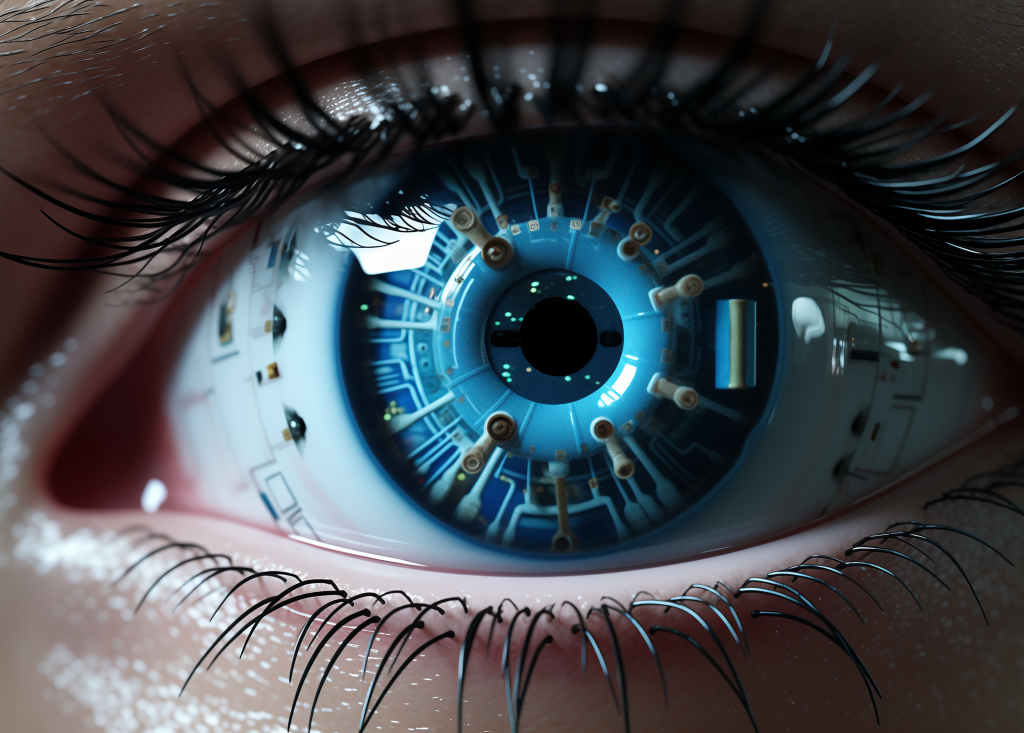
The humble wallet provides an interesting example of how technology evolves. Cash remains important in many societies, however, digital payments continue to expand rapidly. Contactless transactions, mobile payment platforms, digital banking, and electronic transfers have transformed how many people spend and manage money. The next phase may involve digital identities and increasingly integrated payment systems.
In several countries, consumers can already authorise purchases using facial recognition, fingerprints, or palm-scanning technology. Instead of reaching for a wallet, card, or even a phone, consumers can link payments directly to their biometric identity.
Controversially, research into implanted technologies is also continuing and although still far from mainstream, some early adopters have experimented with implantable microchips capable of storing credentials, unlocking doors, or sharing digital information. That does not necessarily mean physical wallets disappear entirely, but their role may continue to shrink.
Technologies that once seemed firmly rooted in science fiction are gradually moving into practical use with George Orwell and 1984 springing immediately to mind.
THE MOST IMPORTANT TECHNOLOGY WILL BE INVISIBLE
When people imagine the future, they often picture dramatic inventions. Flying cars, humanoid robots, and futuristic cities. While some of these innovations may eventually arrive, history suggests that the most transformative technologies are often the least dramatic.
Electricity changed the world, so did indoor plumbing. The internet transformed society and GPS reshaped navigation. Yet today, most people rarely think about them – they have become invisible. That may be the ultimate destination of future technology.
The most important innovations of the next decade are unlikely to be the ones generating the biggest headlines. They will be the ones that quietly save time, improve health, reduce stress, increase safety, simplify travel, and help people live more comfortably. Yet progress rarely comes without trade-offs. The challenge will not simply be developing new technologies. It will be ensuring they remain aligned with human values.
From wallets to wristwatches to microchips, technology has continually evolved towards greater convenience and integration. The next chapter is unlikely to be any different. The future may not arrive with a bang; it may simply become part of everyday life before we even realise it has arrived.
Contributed by David Swinburne.