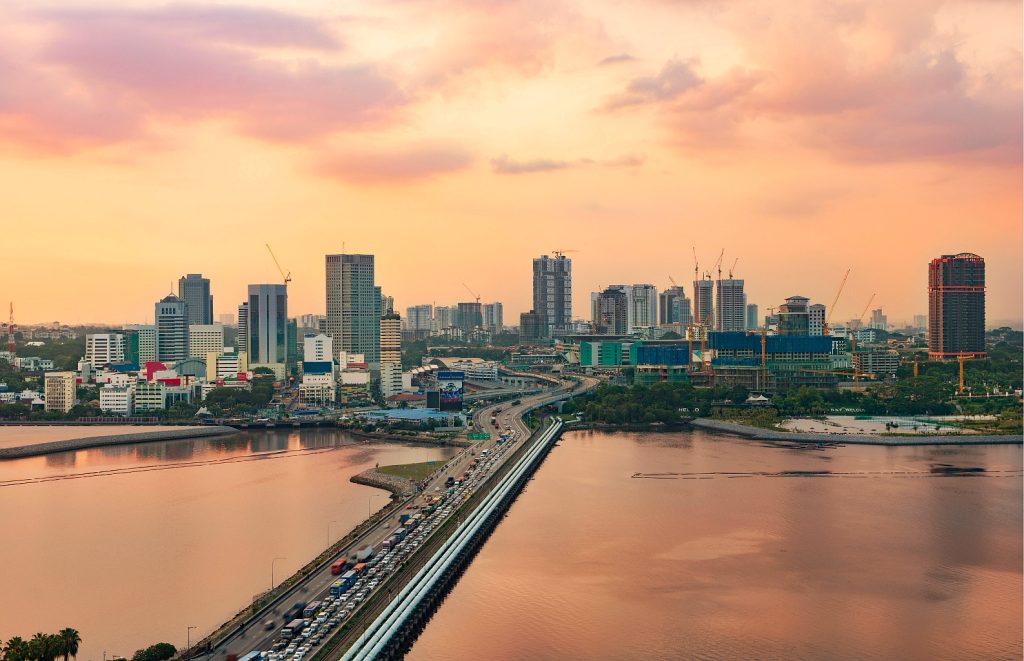


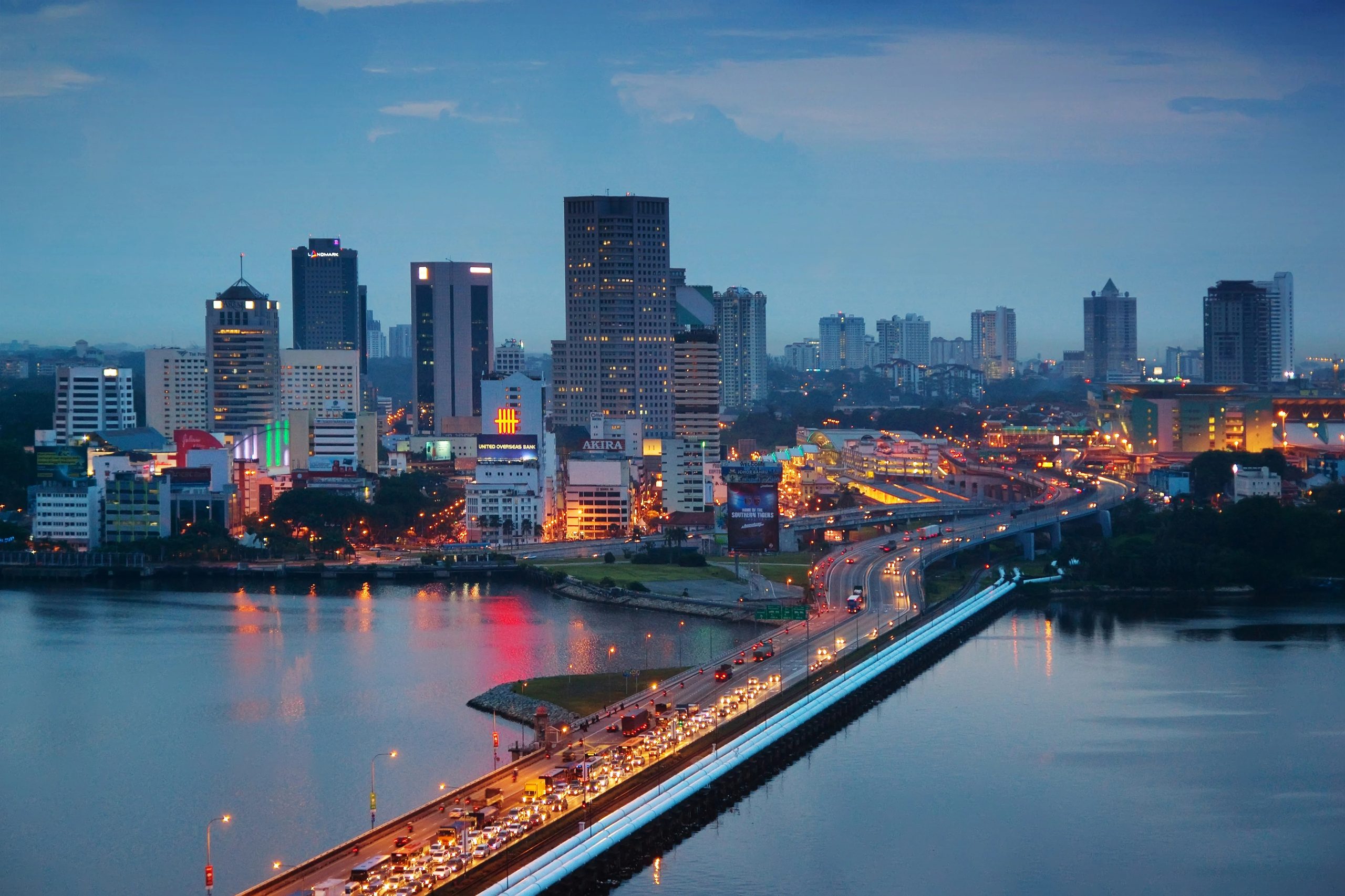
With a new rail link to Singapore on the horizon and its own urban landscape continuing to evolve, Johor Bahru is becoming more than a convenient stopover; it’s a city that invites visitors to explore its heritage streets, food culture, hotels, and discover its growing appeal as a destination in its own right.
The impending RTS rail link from Johor Bahru to Singapore could be a game changer when it becomes fully operational early next year.
The Johor capital, Johor Bahru (JB to most), may not feature on many people’s travel plans, as most simply pass through it on their way to Singapore. However, from a Singaporean perspective, Malaysia’s southern gateway is extremely popular as a place to shop, eat, and enjoy a break from the island state. A new train service opening in early 2027 will enable direct travel from Johor Bahru onto Singapore’s MRT rail network.
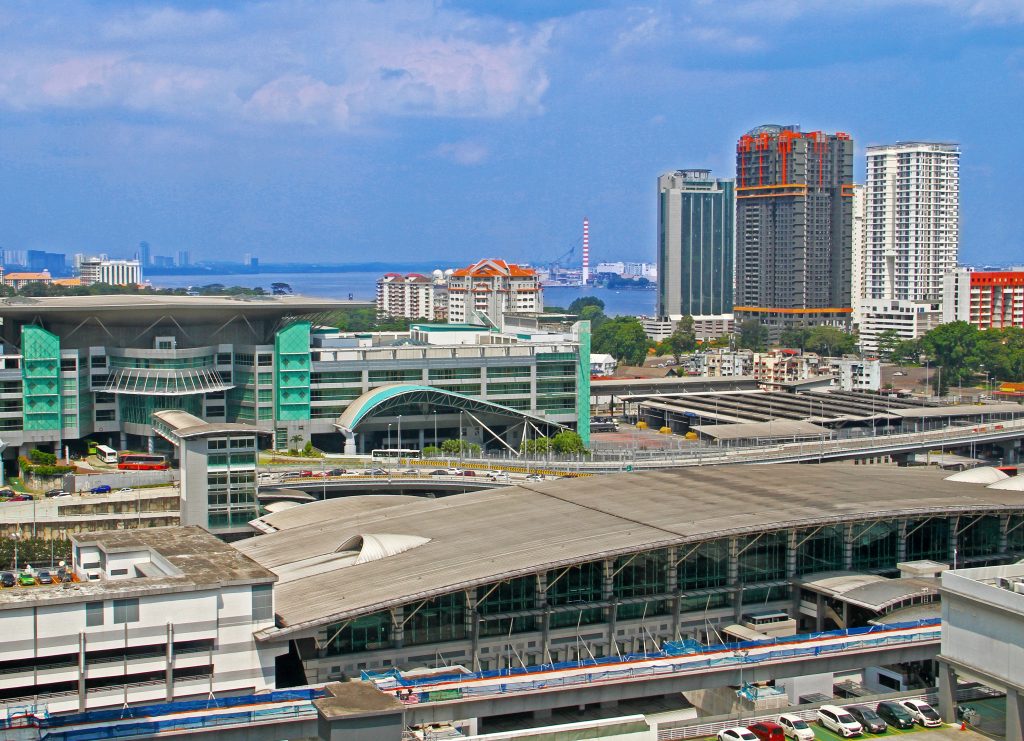
There is considerable excitement in the Johor capital, as the Johor Bahru-Singapore Rapid Transit System (RTS) will soon change the way Johor Bahru and Singapore interact. The new stations at Bukit Chagar and Woodlands North will provide a seamless connection to Singapore’s MRT network.
The Gemas-to-Johor Bahru electrified double-track line has finally opened after considerable delays, providing an uninterrupted electrified rail connection along the peninsula.
TRAVELLING SOUTH
Recently, I made my first journey on the ETS southward from Kuala Lumpur to Johor Bahru. Things didn’t get off to a great start, with a 25-minute delay departing KL Sentral. As this was my second delayed journey on KTM in a month, I was starting to question its punctuality. However, the train wins easily over a coach, and, as I was traveling alone, I wanted to avoid the demanding drive down the highway.
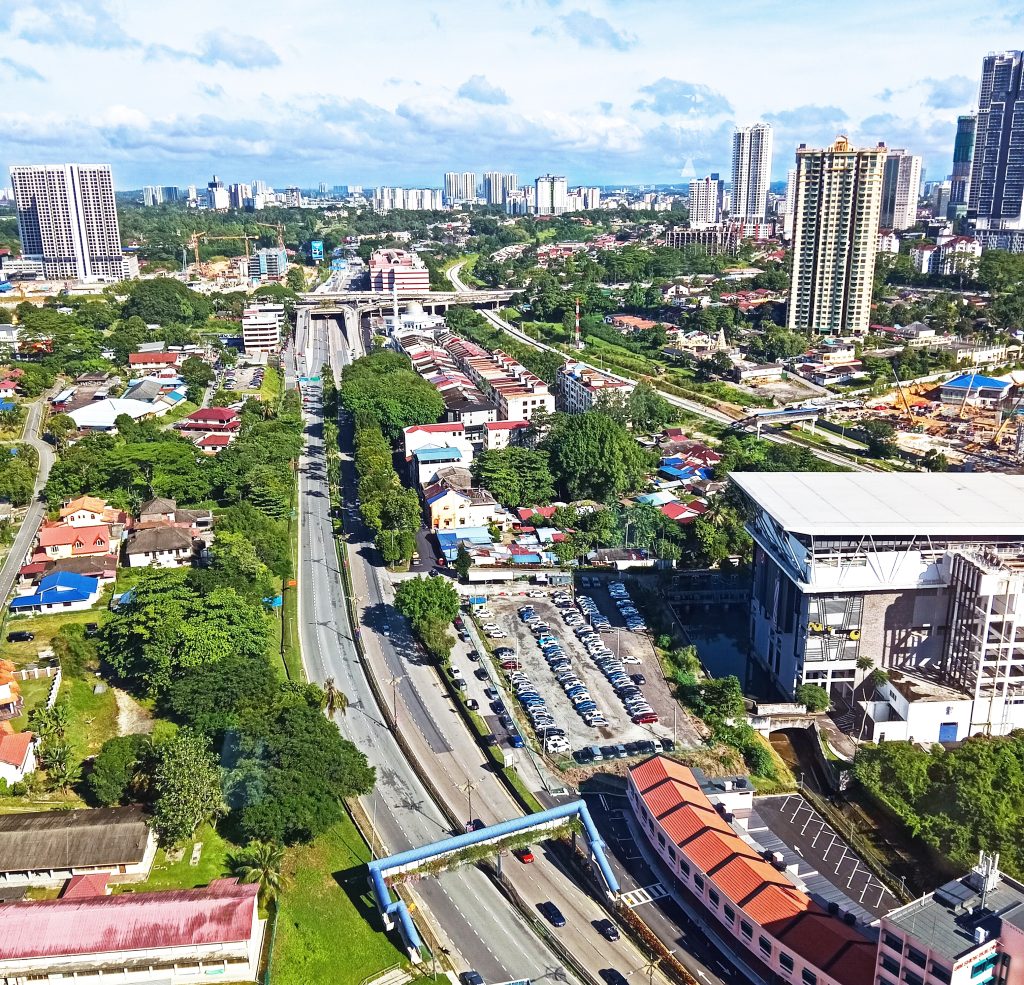
Departing late also meant we arrived late in Johor Bahru, but that wasn’t a problem, as I wasn’t in a hurry. First impressions are lasting, and it’s obvious that the state capital is on the move. The city skyline is reaching up into the hazy sky, with the Coronation Square mixed-development project within sight of the station. Comprising six tower blocks, including one of 37 stories, it’s destined to inject new life into downtown.
STREET LIFE
I’m not one to shy away from discovering a destination on foot. However, Johor Bahru is sprawling, making the location of your hotel especially important. I’ve stayed in downtown hotels such as Amari and DoubleTree by Hilton and can recommend both. Other recognizable brands include Holiday Inn, Sheraton, and Renaissance, along with numerous local hotels.
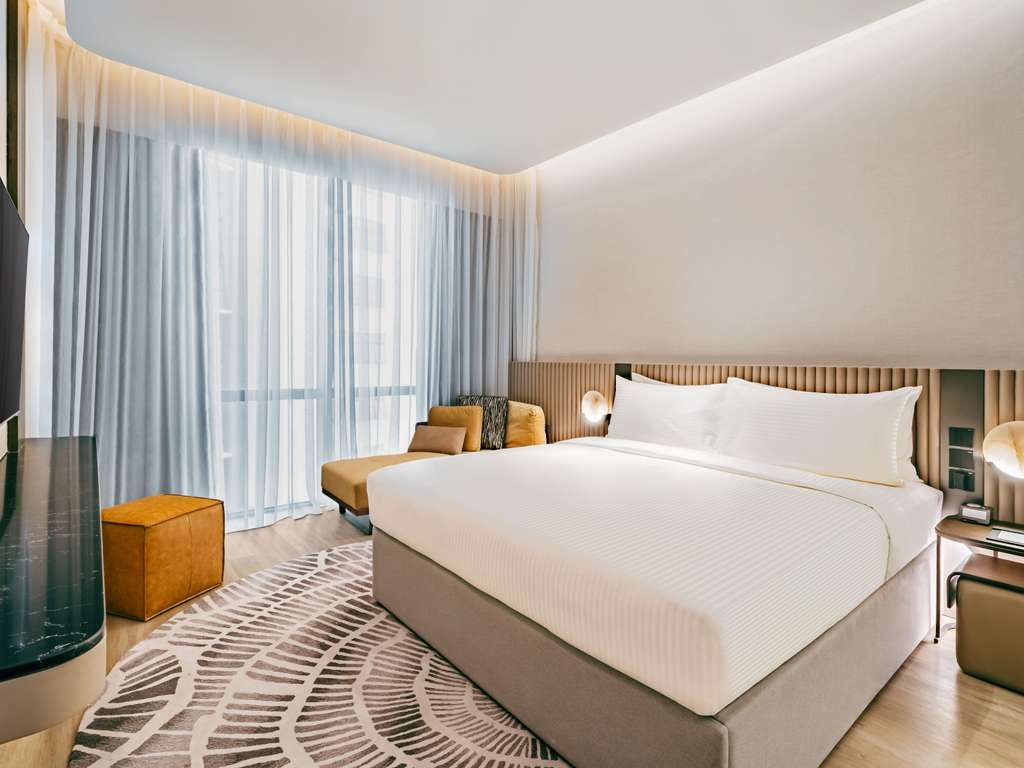
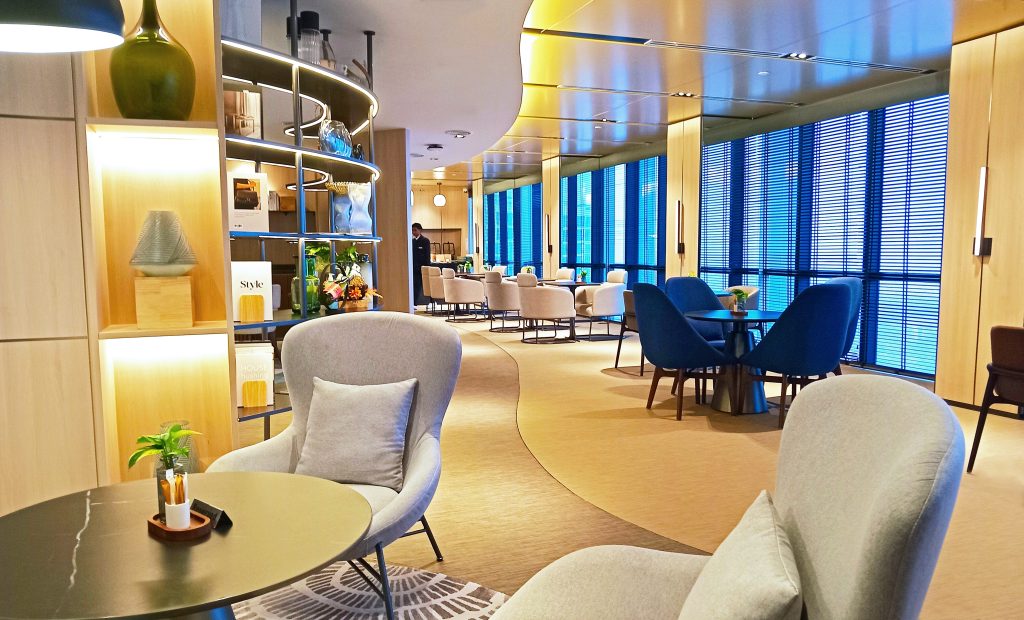
Seeking something new in a quieter area, but still accessible to shopping and dining outlets, I checked into the Novotel Johor Bahru City Centre and was glad I did, as it had only recently opened. It has several advantages, including its proximity to KSL City Mall and numerous restaurants, as well as a most impressive executive lounge. The Friday evening “Seafood Extravaganza” buffet offers excellent value for hungry diners. The Novotel was also just a short Grab ride from the older parts of downtown that I wanted to explore on foot.
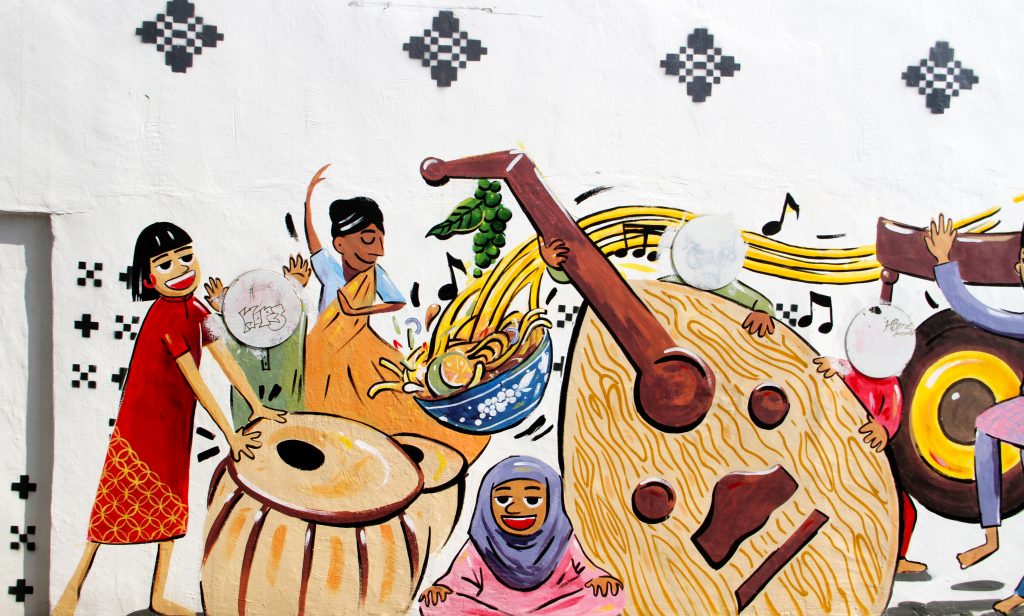
Several inner-city streets and alleyways are adorned with colorful street art that documents the city’s culture and history. These works are perfect for capturing elements of the past, the present, and a glimpse into the future.
CITY SIGHTS
The railway station and the CIQ (Customs, Immigration, and Quarantine) Centre are considered the city center. Johor Bahru City Square, a vibrant shopping and entertainment complex, is located immediately opposite. With numerous outlets, ranging from global fashion brands to local designers, it’s easy to see why it appeals.
To explore the historic city, I suggest taking a Grab to Johor Bahru City Centre and walking southward toward the Straits of Johor. Several places of worship, including the Johor Ancient Temple (Taoist), Gurdwara Sahib (Sikh), and Arulmigu Rajamariamman Devasthanam (Hindu), are passed along this walk. A little farther away, the Church of the Immaculate Conception has an impressive spire.

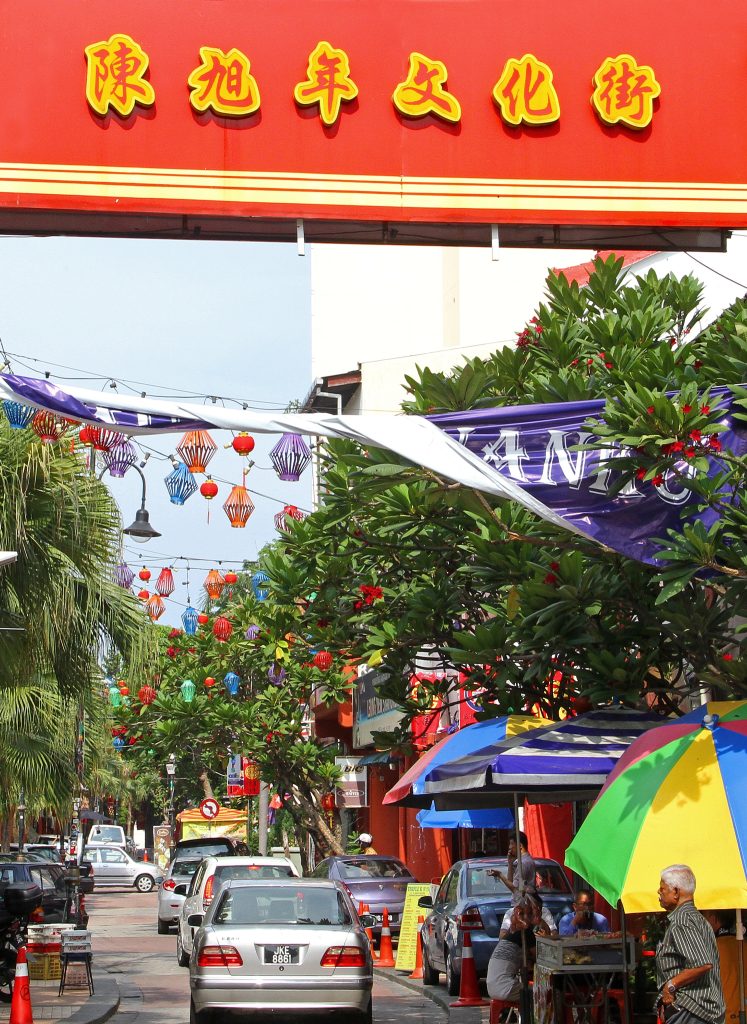
Jalan Tan Hiok Nee and Jalan Dhoby are arguably the city’s best-known heritage streets, lined with many intact two-story shophouses. Most have now been repurposed as cafés and restaurants.
The Chinese played a significant role in developing Johor Bahru (founded in 1855) and the state of Johor. Upon arriving in the state, Chinese immigrants began clearing the forests and farming the land. One of the early migrants was Tan Hiok Nee, whose name was given to the city’s famous heritage street. In 1873, he became the first “Mejar Cina” (previously known as Chinese Kapitan), or “Respected Chinese Elder,” and developed a close relationship with the Johor royalty.
While staying at the Novotel, I read a fascinating book while relaxing in the impressive club lounge: The 50 Stories of Johor Bahru Chinese by local author Su King Siang. In it, he writes, “Gambier has a close relationship with the Chinese community. Without gambier, there would be no Chinese, and without Chinese, there would be no modern Johor.”
Gambier, I hear you ask. It is an extract obtained from the leaves of Uncaria gambir, a climbing shrub native to tropical Southeast Asia. While it has minimal economic value these days, it was once consumed as medicine and chewed with betel. It was also used to tan hides. Interestingly, gambier is also a totem of Johor royalty and symbolizes power.
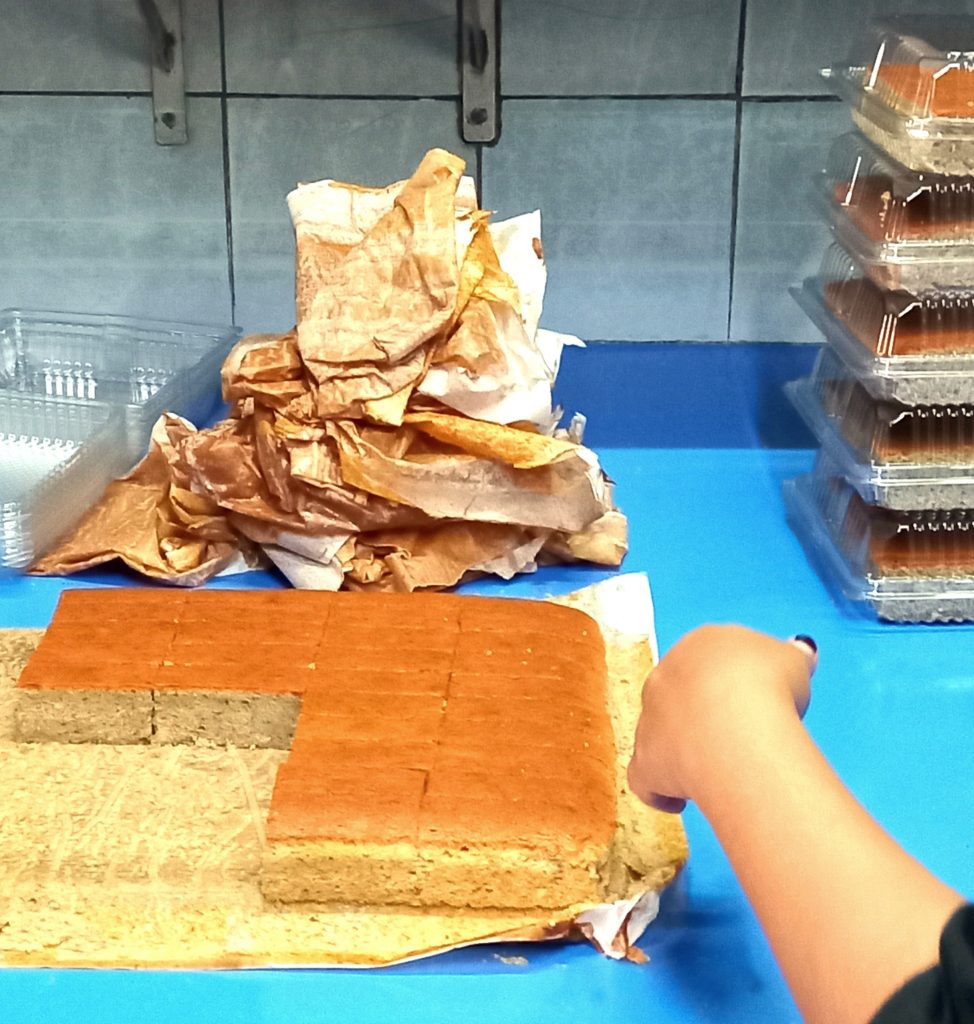
Hiap Joo Bakery and Biscuit Shop, an iconic institution along Jalan Tan Hiok Nee, still uses a wood-fired oven to bake cakes, bread, and biscuits. Not all items are available every day, with regulars knowing when it’s best to queue for prized items such as banana cake.
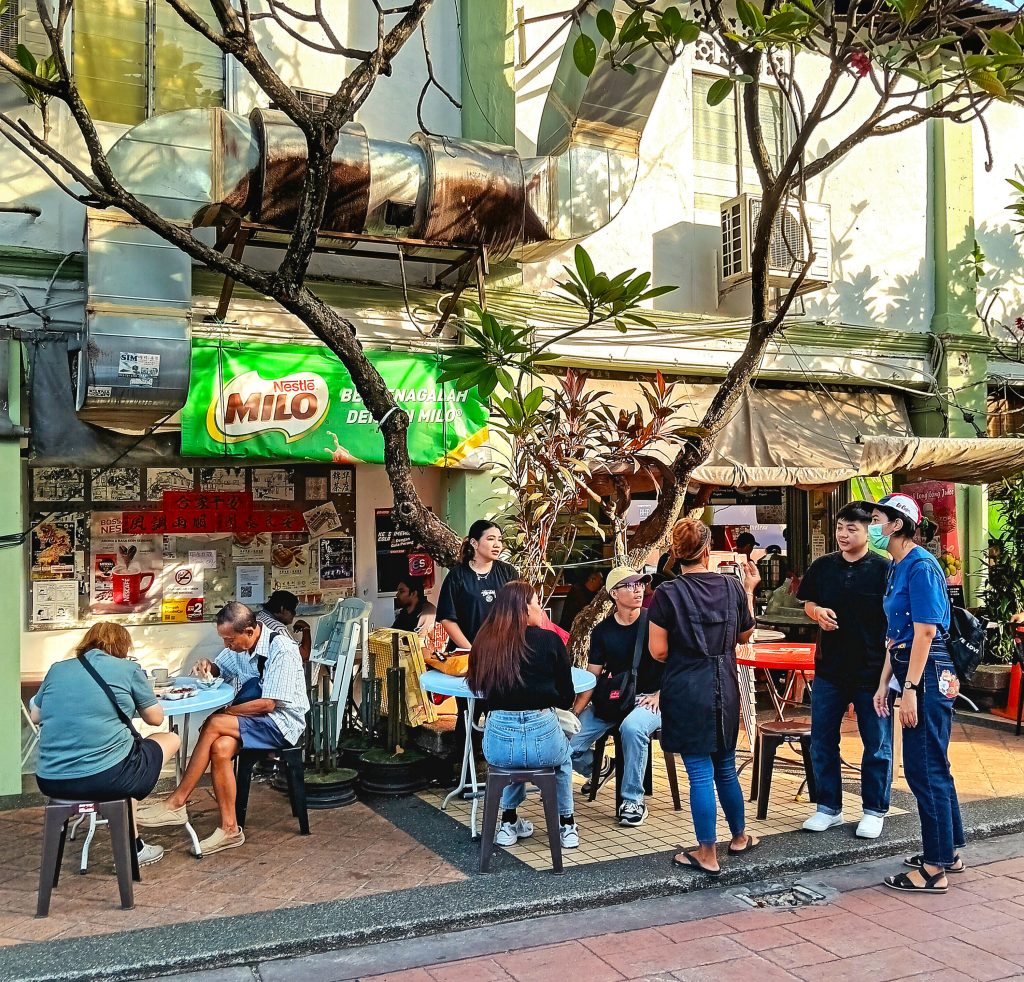
Just opposite, Kin Hua Restaurant is an iconic kopitiam where dishes such as nasi ayam kampung, roti bakar and kaya, chee cheong fun, and kuay teow sup ayam attract nostalgic diners. Roast & Coffee Retro Garden 1968 is nearby, and its queue suggests it’s doing something right. I have a weakness for roti bakar and kaya, and I have to say the double-butter version here is worth the wait. Another dish that appeals is the salted egg French toast, and there’s even ais kacang to cool down in the tropical heat.
The Johor Bahru Chinese Heritage Museum, also located along this street, provides valuable insight into the role the Chinese played in developing the city and the state. It is an engaging venue that will appeal to those who enjoy history. Interestingly, the museum is in the building where Malaysian billionaire Robert Kuok was born.
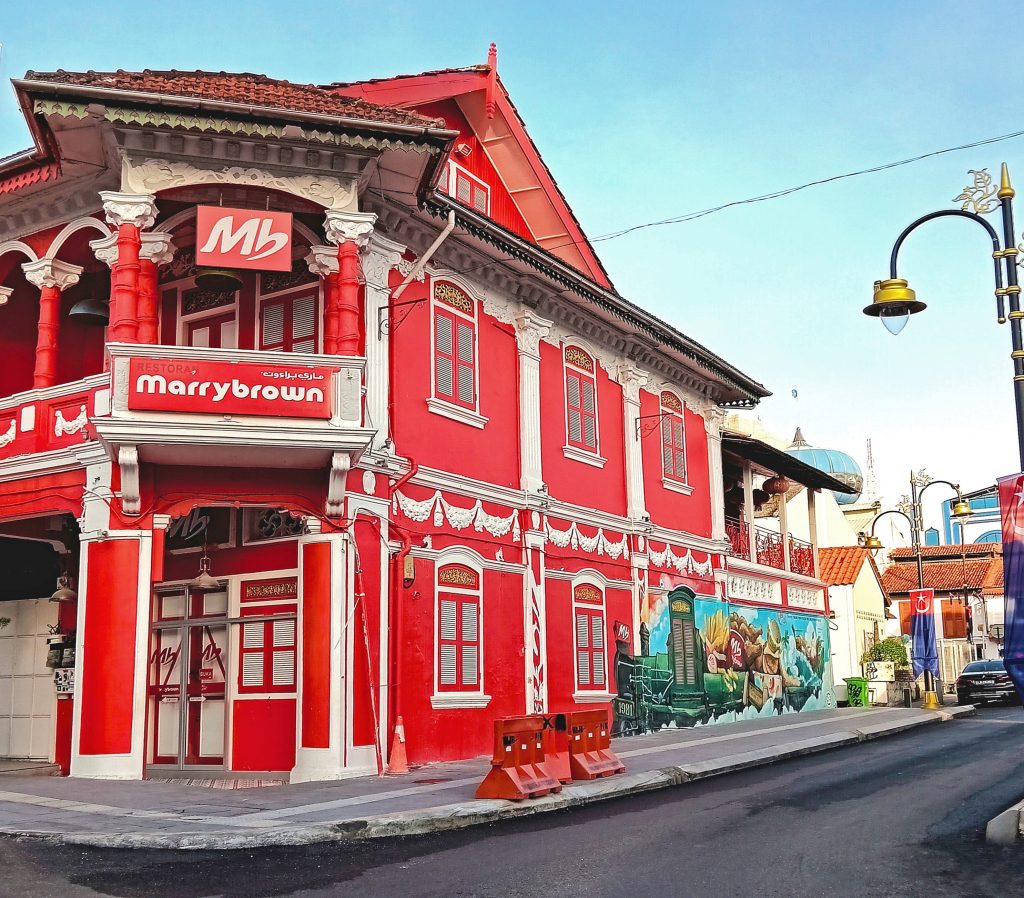
Just opposite, at No. 56, is the famous Red House. Once a Marrybrown outlet, it had only reopened shortly before I began exploring the street. The famous Guang Heong biscuit outlet from Ipoh has also opened here. It brings traditional biscuits and pastries to Johor Bahru, baked from recipes dating back to 1911. This is the place for those pining for famous treats such as meat floss with lotus paste biscuits and meat floss with salted egg biscuits. Three Sisters Café has opened on the top level, serving traditional Chinese dishes in a Nanyang-style setting.
Jalan Dhoby, the street running parallel to Jalan Tan Hiok Nee, does its best to compete with the more famous street. IT Roo Café is renowned for its old-world charm, and, according to locals, it’s home to the city’s finest chicken chop. Salahuddin Bakery, an 80-year-old bakery, continues to bake using a wood-fired oven.
There is also an active contemporary coffee and café scene in the city to complement the kopitiam nostalgia. Sunday Morning Film Lab, Drip Coffee, and Principle Café are all worth a visit. They are in the city center, with the former being a former film-processing lab that recreates a traditional Japanese kissaten, or coffee shop. An old grinder and roaster from the 1970s create a charming traditional coffee shop ambience.
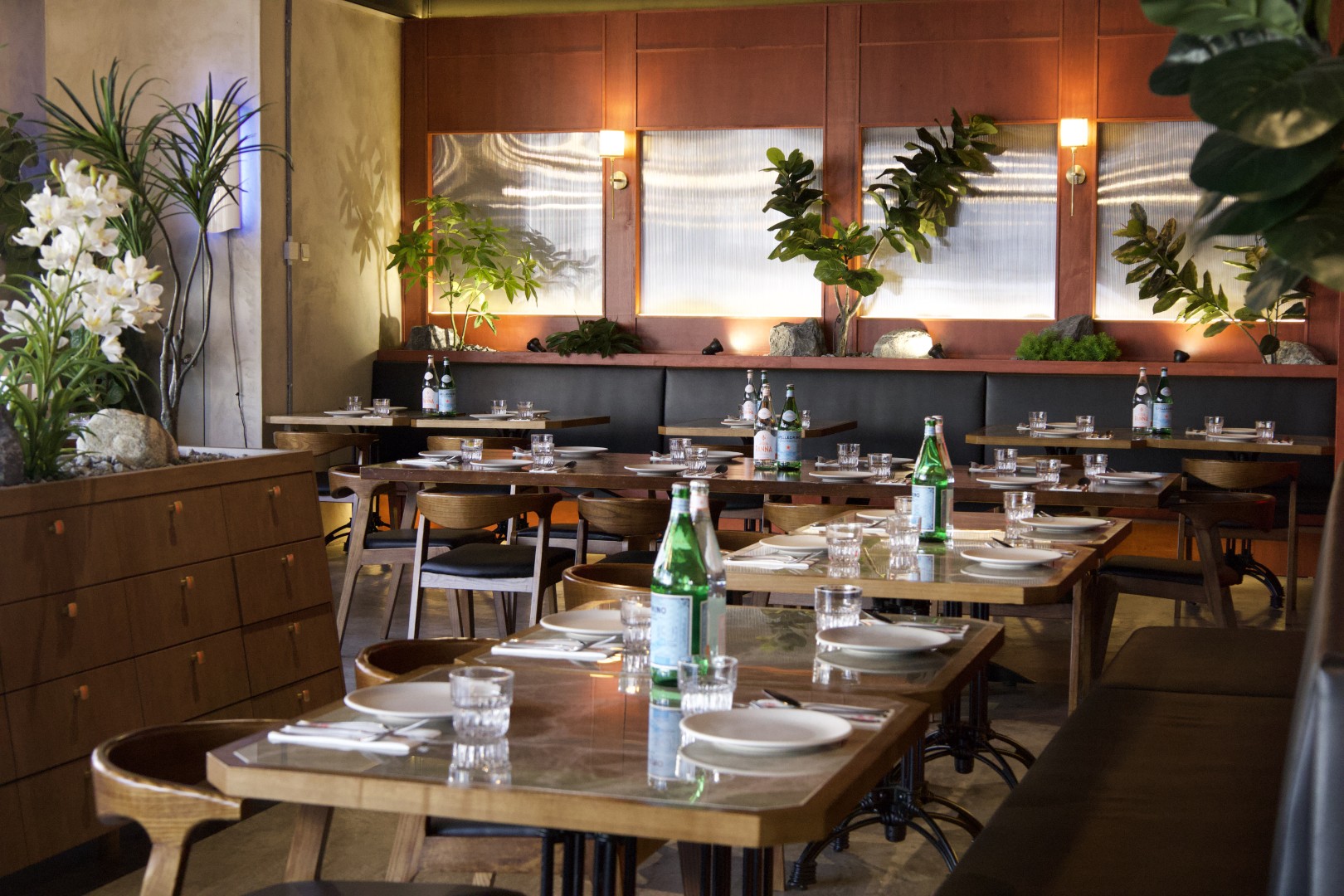
A little further afield, FirePitz in Horizon Hills is not exactly nearby, but well worth the 25-minute drive from the Novotel. Celebrating its fifth anniversary in November 2026, this pioneering open-flame steakhouse helped introduce Johor to a more theatrical style of fire-led cooking, with premium cuts of beef grilled in an open kitchen and a menu that also gives fish, seafood, and other meats their moment over the flames.
The restaurant takes its dry-aging seriously, applying the technique to selected meats and fish to deepen flavor and improve tenderness. There are Japanese wagyu and Korean Hanwoo cuts among the premium offerings, alongside Australian beef and a tempting selection of starters and sides. It has the atmosphere and ambition of a special-occasion restaurant, but prices, while by no means cheap, are generally more approachable than one might expect from a steakhouse of this calibre. Regulars here praise the food, attentive service, and comfortable setting. For anyone with an appetite for a properly cooked steak, the journey out to Horizon Hills is time well spent.
LURING SINGAPOREANS
While I’m not convinced that those residing in other parts of Malaysia will travel to Johor Bahru to shop, it’s easy to see why the city appeals to Singaporeans.
Not surprisingly, Singaporeans top the list of tourist arrivals into Malaysia, with most arriving via Johor Bahru. The local tourism industry is keen to see Singaporeans stay longer rather than simply come for the day to shop. For example, managers of some malls have created spaces where shoppers can spend time engaging in a range of lifestyle activities, such as wellness and spa treatments. The plethora of treatment outlets in KSL City Mall suggests that Johor Bahru is an epicenter of preening for Singaporeans.
One of the topics of debate when I was there was the rising cost of living in the city. There was a suggestion that landlords have increased rents in preparation for the expected influx of tourists following the impending opening of the rail connection from Singapore. It is inevitable that prices will rise in the city as it becomes more closely aligned with Singapore.
HOLIDAY DESTINATION
Budget travelers keen to explore Singapore could consider Johor Bahru as a cost-effective alternative to staying in Singapore. With immigration and customs on both sides of the Causeway, it’s not without problems and delays, but it is possible to save on accommodation and dining out. This should become much easier when the new rail connection opens. My experience suggests you need to allocate about 90 minutes to get from Johor Bahru to downtown Singapore.
Johor Bahru is worth visiting as a destination city in its own right, or using as a base to explore southern Johor. Two popular family attractions in the southern part of the state are LEGOLAND and Desaru Coast, with its massive water adventure park. I suggest staying in the city at hotels such as the Novotel and exploring other parts of the state on day trips.
One certainly gets the impression that Johor Bahru will become more intricately connected to Singapore in the coming months.
TRAVEL FILE
GETTING THERE
The drive from Kuala Lumpur southward along the North-South Highway takes at least three hours. The other alternatives are to travel by coach or, as I did, by train. The train journey takes four hours.
WHERE TO STAY
Novotel Johor Bahru City Centre (accor.com).