

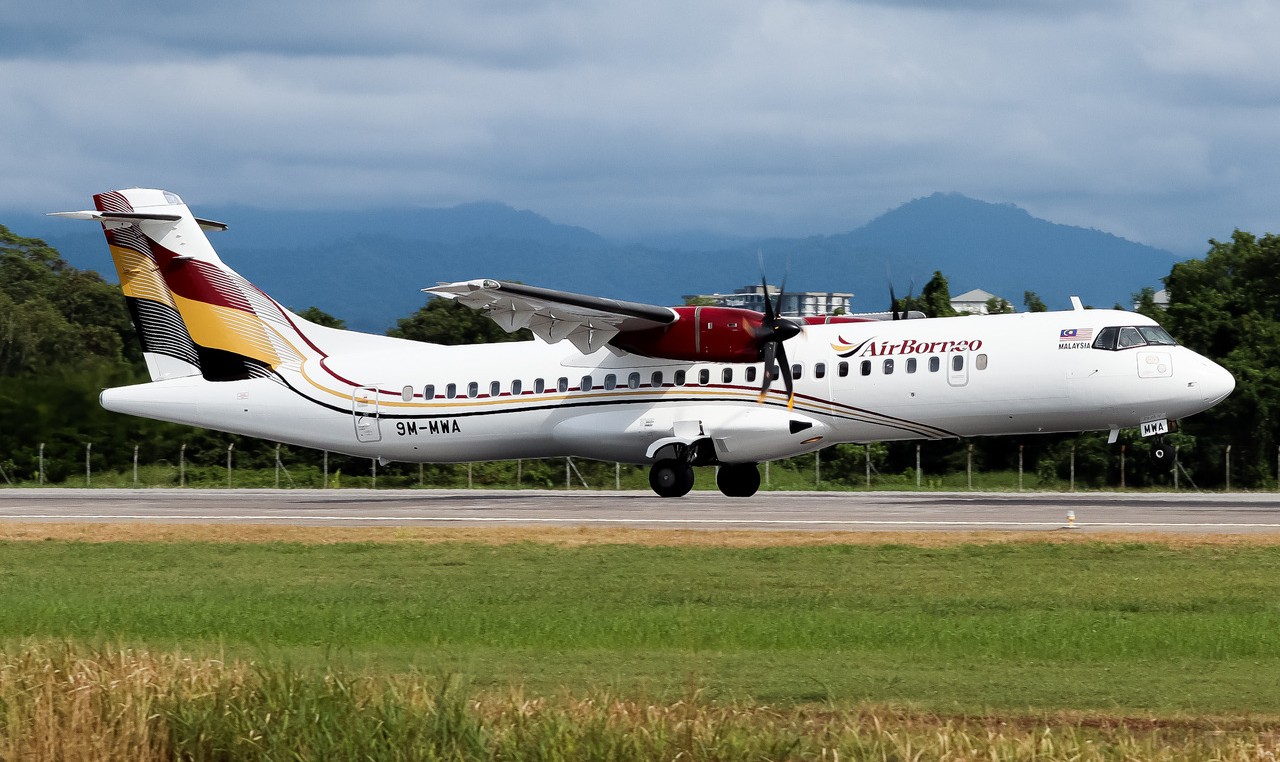
Malaysia’s newest state-owned airline is entering its next operational phase, with AirBorneo set to operate fully under its own MY flight codes following a system-wide migration scheduled for January 14.
AirBorneo will begin operating entirely under its own MY flight codes from January 14, marking a significant operational milestone for the state-owned carrier as it completes its transition away from legacy systems previously used under MASwings.
The announcement was made by Sarawak’s Minister of Transport, Dato Sri Lee Kim Shin, following an operational briefing with AirBorneo’s chief executive officer, Megat Ardian Wira Mohd Aminuddin, who led a senior management delegation in a courtesy visit earlier this week. The meeting focused on readiness for the airline’s planned migration to its own Departure Control System, or DCS, a core platform that underpins passenger check-in, seat allocation, and flight operations.
Under the change, flights that previously operated using Malaysia Airlines’ MH flight codes – specifically those in the MH3000 series – will now be reflected as MY3000 series flights, aligning with AirBorneo’s own airline code. While the adjustment may be visible on flight information displays and booking references, passengers are not expected to experience any disruption to their travel plans.
According to Lee, the ministry has been assured that the DCS cutover will be carried out seamlessly and simultaneously across all 21 airports served by AirBorneo in Sabah, Sarawak, and Labuan. These include major regional hubs as well as smaller community airports, making the coordination effort both complex and critical.
“I have been briefed that all systems will remain fully operational throughout the transition, and that passengers travelling during this period will not experience any changes to their itineraries,” Lee said. “The DCS cutover will be implemented simultaneously across all airports, with check-in counters continuing to operate as usual.”
The transition represents more than a technical upgrade. For AirBorneo, operating under its own DCS and flight codes is a foundational step toward full operational independence. Until now, the airline has relied on systems inherited from MASwings, which previously handled rural air services in East Malaysia under the Malaysia Aviation Group umbrella.
Preparations for the migration have included extensive coordination with airport operators, ground handling teams, and other aviation stakeholders to ensure continuity of service. AirBorneo’s management has emphasised that bookings, flight schedules, and passenger services will remain unaffected, with backend system changes largely invisible to travellers.
Passengers may, however, notice updated branding at airports, including refreshed flight information displays and signage reflecting the AirBorneo name and MY flight numbers. These visible changes signal the airline’s gradual emergence as a distinct regional carrier, focused on serving East Malaysia’s connectivity needs.
Lee also used the occasion to formally welcome Megat Ardian in his role as AirBorneo’s chief executive officer, expressing confidence in the airline’s leadership team as it moves into its next phase of operations.
“The ministry looks forward to working closely with AirBorneo’s management to ensure operational stability, service reliability, and a smooth passenger experience, while strengthening regional connectivity,” he said.
AirBorneo was established as part of Sarawak’s broader push to reclaim and manage its own air connectivity, particularly for rural and underserved communities. Much like in the U.S. state of Alaska, reliable air links remain essential across East Malaysia, where geography, terrain, and distance make aviation a vital public service rather than a luxury.
While the MY flight code transition may appear administrative on the surface, it is a key building block in positioning AirBorneo for future growth. Owning its operational systems allows the airline greater flexibility in scheduling, pricing, service design, and long-term planning. It also lays the groundwork for potential network expansion and deeper integration with regional development goals.
For passengers, the message from both the airline and the ministry is one of reassurance. Flights will continue as scheduled, check-in processes will remain familiar, and customer experience is expected to remain consistent during the transition period.