

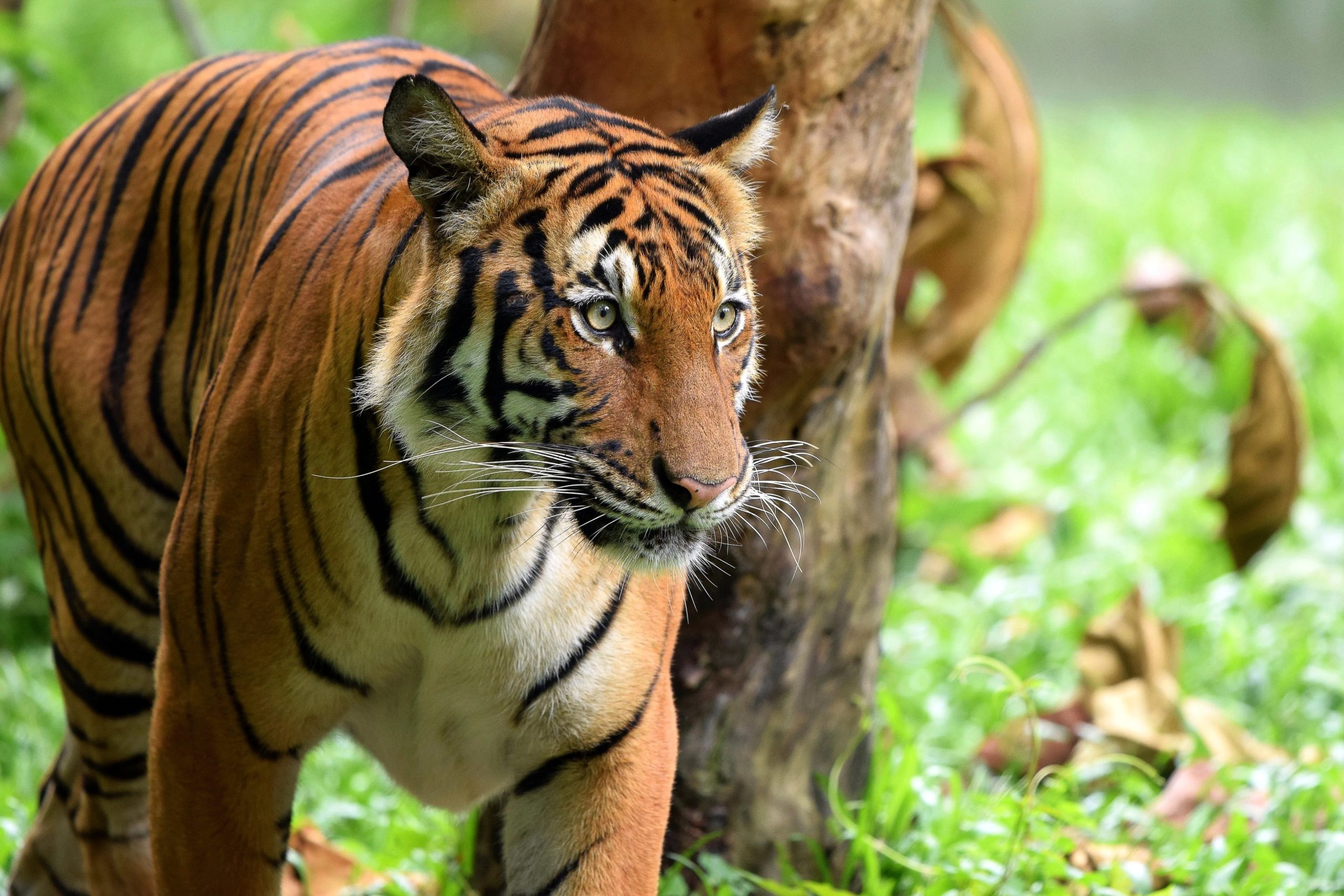
With fewer than 150 Malayan tigers left in the wild, a new royal reserve in Pahang is expanding protected forest, strengthening anti-poaching patrols, and reconnecting critical habitat in a race against time.
In the 1950s, as many as 3,000 Malayan tigers roamed Peninsular Malaysia. Today, conservationists estimate that just 150 remain in the wild. The collapse has been swift and sobering, driven by habitat loss, poaching, prey depletion, and forest fragmentation.
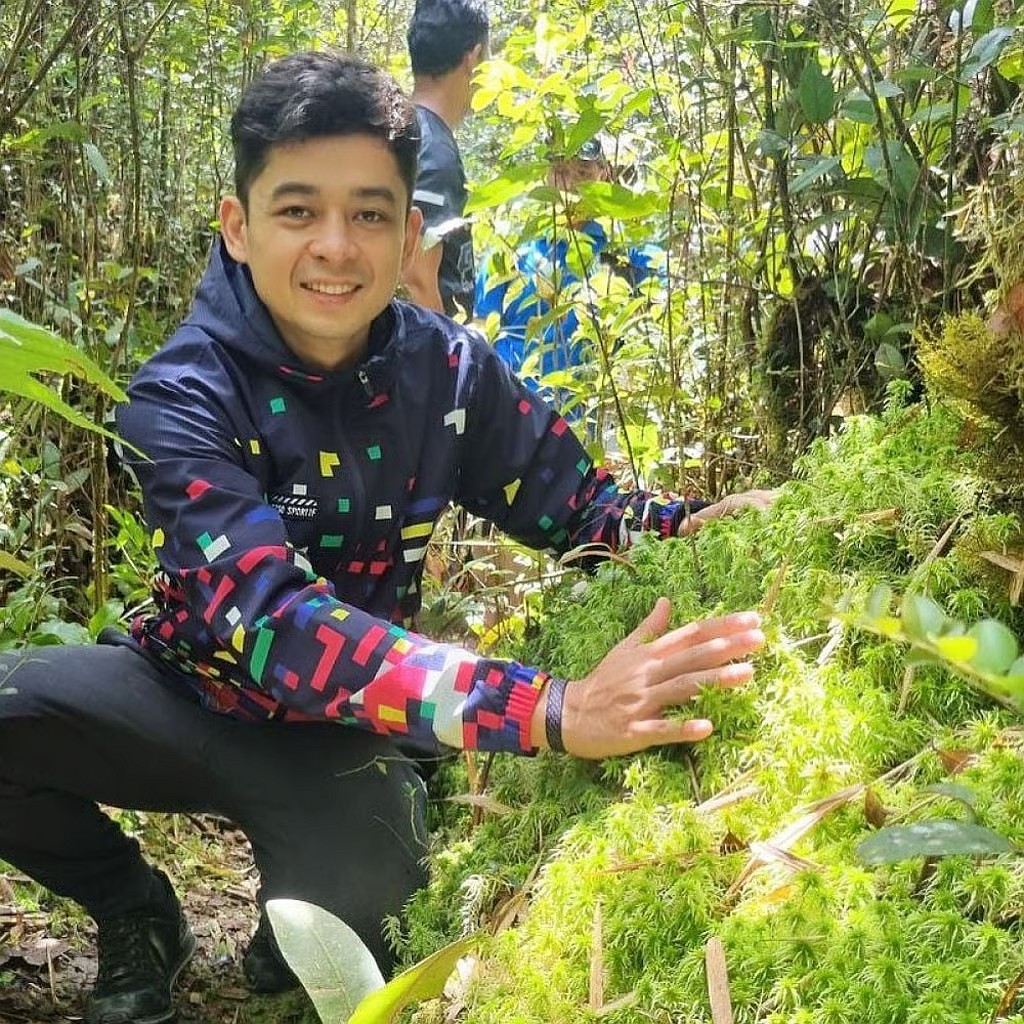
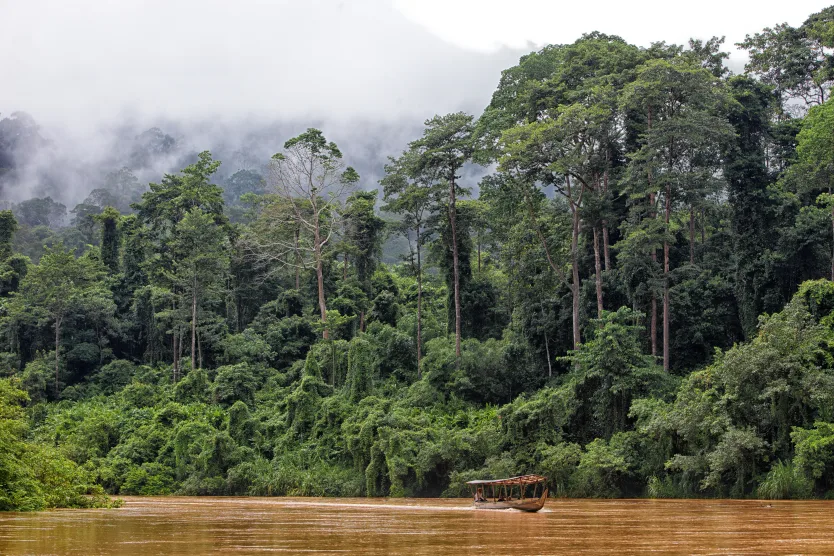
Against that backdrop, one of the species’ most prominent champions is an unlikely figure – Tengku Hassanal Ibrahim Alam Shah, the 30-year-old Crown Prince of Pahang. In 2023, he established the Al-Sultan Abdullah Royal Tiger Reserve (ASARTR), creating Southeast Asia’s first royal tiger reserve and expanding protection around Taman Negara, Malaysia’s largest and oldest national park.
The numbers in play here matter. ASARTR increases the protected landscape by more than 30%, creating a contiguous 568,500-hectare area – roughly 1.4 million acres – of safeguarded forest. For a species that depends on space, prey, and connectivity, scale is everything.
“If there’s a connectivity of forests, the population can grow naturally,” says Adrian Cheah Chor Eu, assistant project coordinator at wildcat conservation nonprofit Panthera, which supports the reserve with scientific and technical advice. Tigers must roam widely to establish territory, find mates, and avoid conflict – both with other tigers and with people. Corridors between forests are not a luxury. They are a biological necessity.
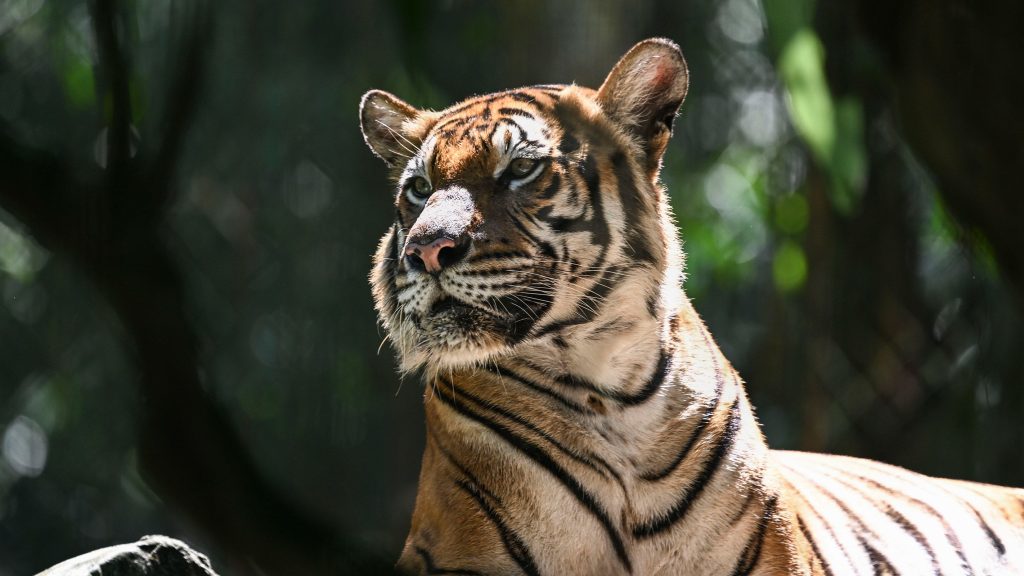
Taman Negara has long been considered one of “the greatest strongholds for tigers” in Malaysia. Yet until recently, it had no formal buffer zone, leaving its edges exposed to encroachment, illegal hunting, and pressures from logging and agricultural expansion. The royal reserve changes that equation by creating a wider protective ring and reinforcing enforcement on the ground.
Chin Weng Yuen, wildlife analyst at Panthera, oversees data collection from more than 340 camera traps deployed across the reserve. “We look at tiger density, where they are, and of course, tiger prey,” says Yuen. “The tiger reserve is a newly gazetted (legally protected) area, so we don’t know a lot. It’s very crucial for us to really go in and get this data to know what’s in there, and what’s the baseline.”
Baseline data is more than academic. With tiger numbers so low, even small shifts in survival or breeding rates can have significant consequences. Conservation today is increasingly forensic – mapping movement patterns, monitoring prey recovery, tracking incursions, and measuring the effect of enforcement.
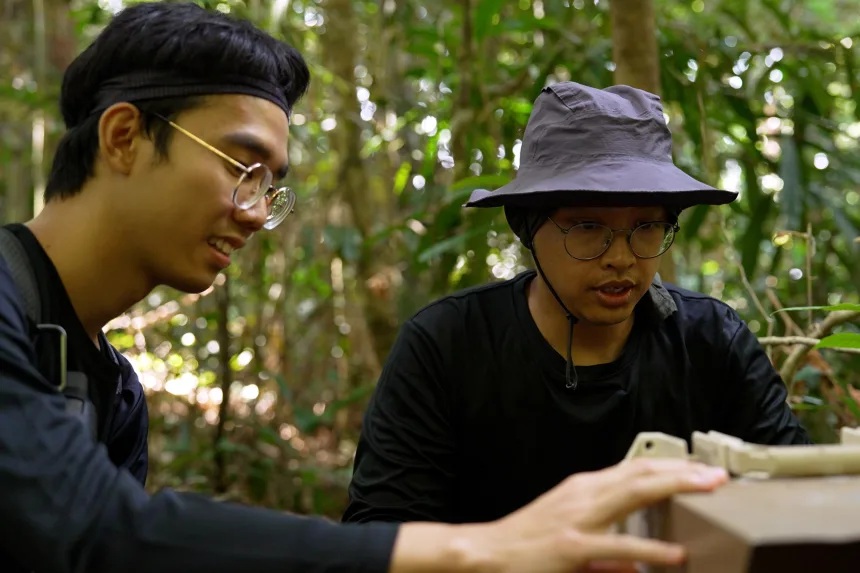
ON THE GROUND: PATROLS, PREY, AND PROTECTION
Enforcement remains central. Patrol teams operate under what Panthera describes as a “deep-forest counter-poaching strategy,” focusing on removing snares, disrupting illegal hunting networks, and maintaining a constant presence in vulnerable areas. According to Panthera, three poaching incidents were disrupted in ASARTR, and in 2025, the reserve was declared snare-free.
That milestone is not symbolic. Wire snares – cheap, silent, and indiscriminate – are one of the most lethal threats to Southeast Asia’s big cats. They do not distinguish between tiger and deer. Eliminating them is labour-intensive work in dense rainforest, often far from roads or settlements.
Around 26 rangers are from the Indigenous Orang Asli community, whose deep familiarity with the forest has become indispensable. “They have so much knowledge of the reserve,” says Eu. “We (city people) can navigate ourselves but we don’t know much about the forest.” Their tracking skills, understanding of terrain, and cultural ties to the land strengthen patrol effectiveness and create shared ownership of conservation outcomes.
Protection, however, goes beyond enforcement. Tigers cannot recover without prey. Malaysian wildlife nonprofit BORA is working to restore populations of sambar deer and wild boar, key components of the tiger diet. In recent years, prey numbers have suffered due to habitat degradation, hunting pressure, and, in the case of wild pigs, African swine fever outbreaks.
At the same time, The Habitat Foundation is overseeing community engagement, tree nurseries, and habitat enrichment initiatives, alongside sustainable tourism programmes supported by Malaysia’s Ministry of Finance. Done carefully, low-impact tourism can create income streams tied directly to conservation success, reinforcing the argument that intact forests are economically valuable.
The reserve has also drawn international backing. Grants reportedly include €1 million from the European Union in 2024 and US$22 million from the United Arab Emirates’ Mohamed bin Zayed Species Conservation Fund in 2025. Such funding supports monitoring, patrol operations, and long-term habitat management.
THE BIGGER PICTURE: RECONNECTING THE CENTRAL FOREST SPINE
ASARTR is not an isolated effort. It forms part of a broader national push to reconnect Malaysia’s Central Forest Spine – a 5.3-million-hectare north-south belt of rainforest that has been fragmented over decades by roads, plantations, and development.
Malaysia has lost nearly a third of its primary forest since the 1970s. However, government and NGO initiatives reportedly led to a 13% reduction in primary forest loss in 2024 compared to the previous year. Plans to establish 37 ecological corridors across the Central Forest Spine aim to allow wildlife to move between forest blocks once more.
“That gene flow is really important to prevent inbreeding,” says Yuen. For long-term tiger conservation, connectivity will determine whether small, isolated populations can stabilise or fade.
Taman Negara and the royal reserve together represent what Panthera has described as a “Catscape,” home not only to the Malayan tiger but to six other wild cat species – leopard, clouded leopard, leopard cat, flat-headed cat, marbled cat, and Asiatic golden cat – along with around 150 mammal species and some 380 bird species. Protecting one apex predator safeguards an entire ecological web.
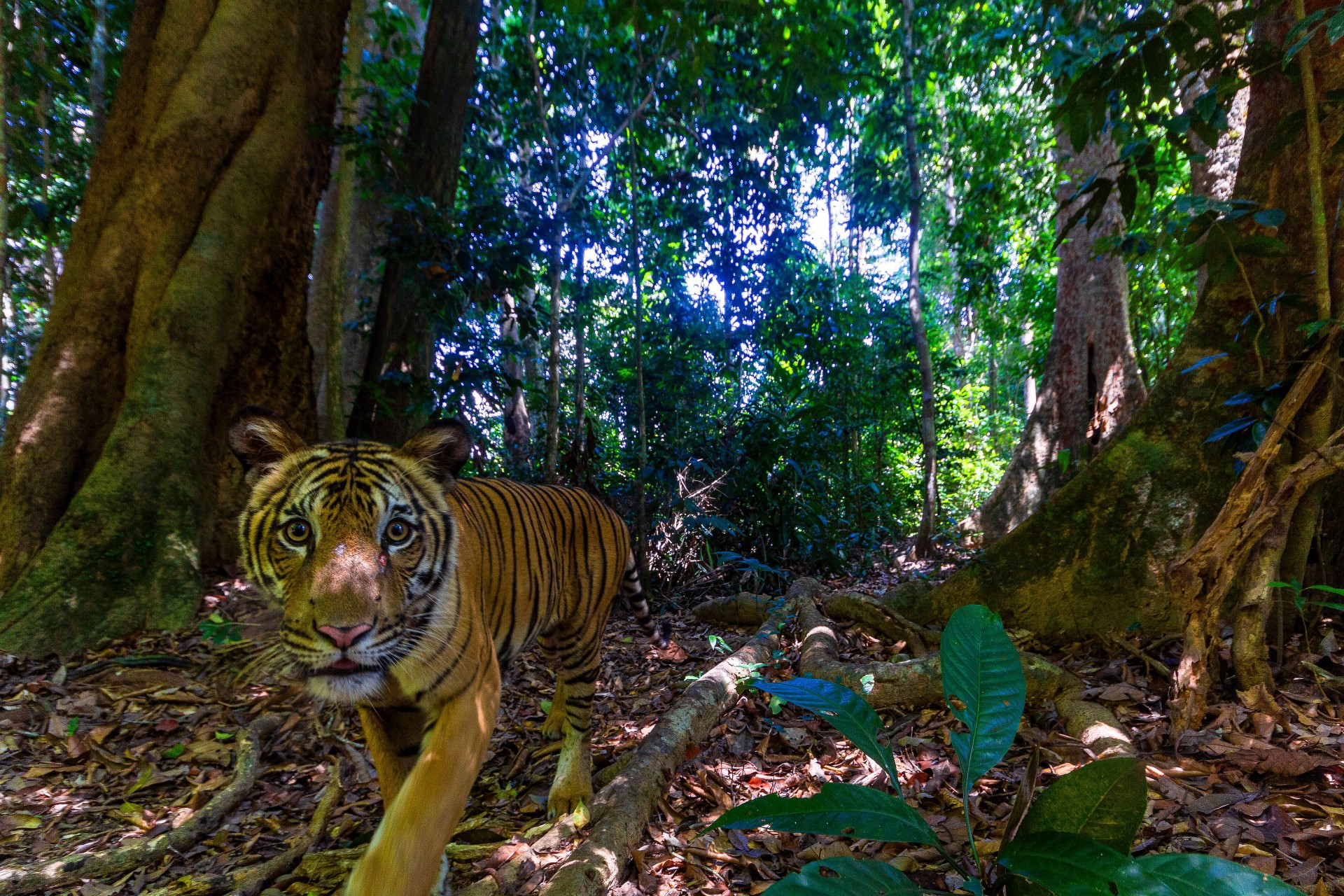
Encouragingly, camera traps captured images last year of a mother tiger and her two cubs within the reserve – the first recorded signs of breeding there. “That’s quite exciting and pretty encouraging,” says Yuen. Another camera trap resulted in an amazing image from Royal Belum State Park, as well.
Encouraging, yes. But far from decisive. With numbers this low, recovery will require sustained funding, political will, strong enforcement, habitat restoration, and community engagement over many years.
The Crown Prince’s involvement has brought visibility and symbolic weight to the cause. Royal patronage here in Malaysia carries serious influence, and in this case it has translated into land designation, coordinated management through Pahang State Parks and Enggang Management Services, and measurable expansion of protected forest.
Whether that momentum can be maintained remains the critical question. Conservation successes in Southeast Asia are often fragile, vulnerable to economic shifts, policy reversals, and competing land-use pressures. Yet the establishment of ASARTR demonstrates that rapid, high-level intervention is still possible when urgency is acknowledged.
Malaysia’s tigers are indeed disappearing fast. But the creation of a royal reserve, the strengthening of patrols, the rebuilding of prey populations, and the reconnection of fragmented forests suggest that decline is not inevitable.
For now, the images of these critically endangered animals moving quietly through newly protected forest stands as a reminder that recovery, while uncertain, is still within reach.

Sources: CNN; Panthera; Pahang State Parks; South China Morning Post; Enggang Management Services (EMS); Malaysia’s Central Forest Spine Master Plan (Ministry of Natural Resources and Environmental Sustainability); Mohamed bin Zayed Species Conservation Fund
Follow Save The Malayan Tigers on Instagram!