

Grown in the cool, remote highlands of Sarawak, Bario rice is prized for its fragrance, texture, and cultural significance. But behind its reputation lies a story of labour, tradition, and a way of life that continues against the odds.
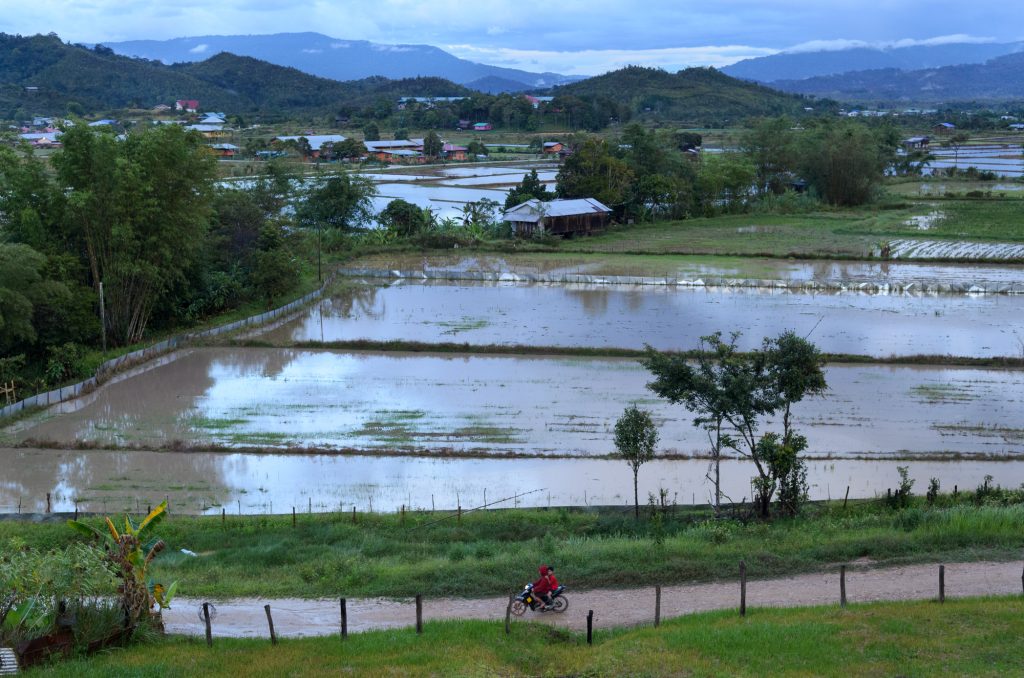
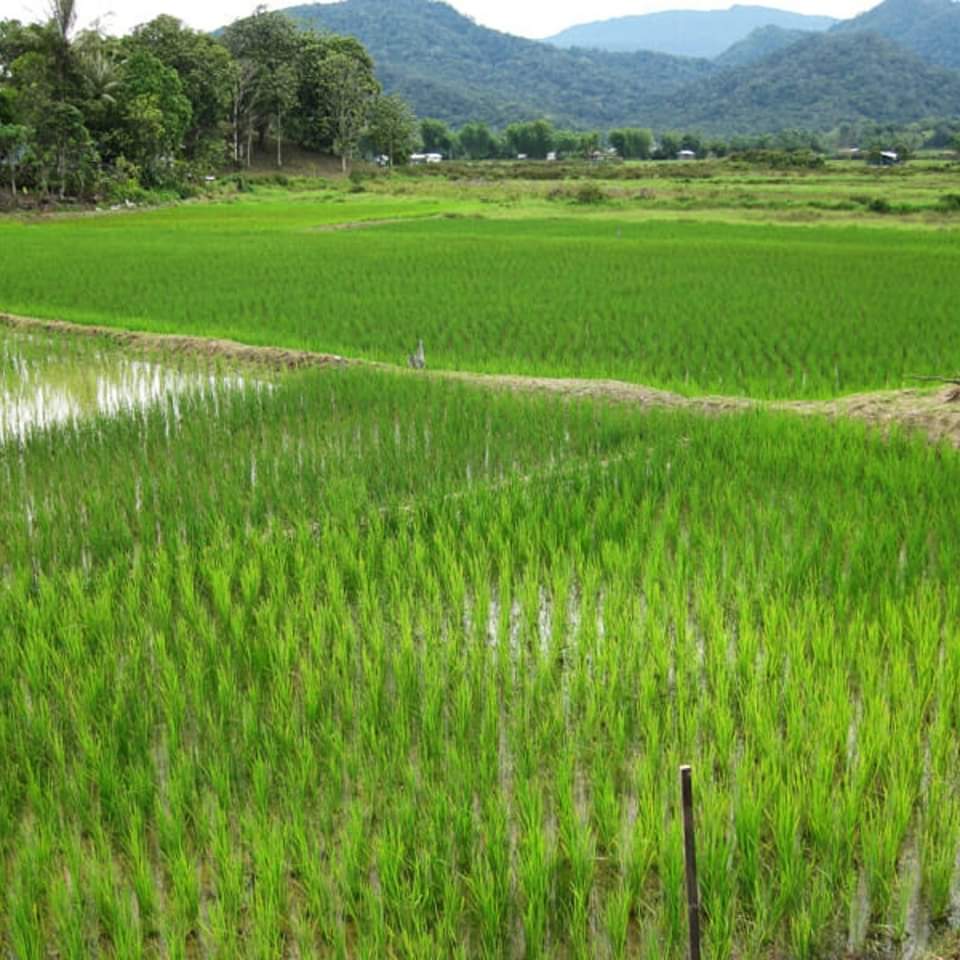
Set high in the Kelabit Highlands of northern Sarawak, the small community of Bario sits at roughly 1,100 metres above sea level, surrounded by forested hills and a quiet, seemingly timeless landscape. It is here, in this remote corner of Malaysian Borneo, that one of the country’s most distinctive agricultural products is grown. Known simply as Bario rice, this special highland grain has earned a reputation that extends well beyond Sarawak, often cited among the finest rice varieties in the region.
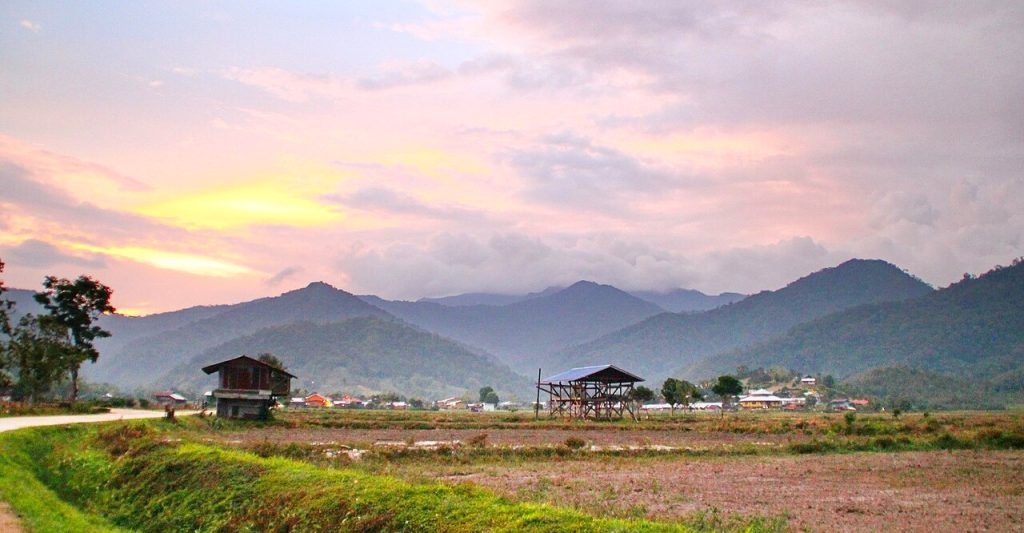
The environment plays a defining role. Temperatures in Bario hover between 19 and 22 degrees Celsius, significantly cooler than much of lowland Malaysia. Combined with clean mountain water and mineral-rich soil, these conditions create a setting well suited to slow, deliberate cultivation. The result is a rice that is typically shorter-grained, slightly pearly in appearance, and prized for its soft, fluffy texture and subtle aroma when cooked.
A TRADITION ROOTED IN COMMUNITY
Bario rice is closely tied to the Kelabit people, an Indigenous community whose traditions remain central to life in the highlands. Farming here is not industrial. It is seasonal, communal, and deeply embedded in local culture. Fields are often worked collectively, and knowledge is passed down through generations.
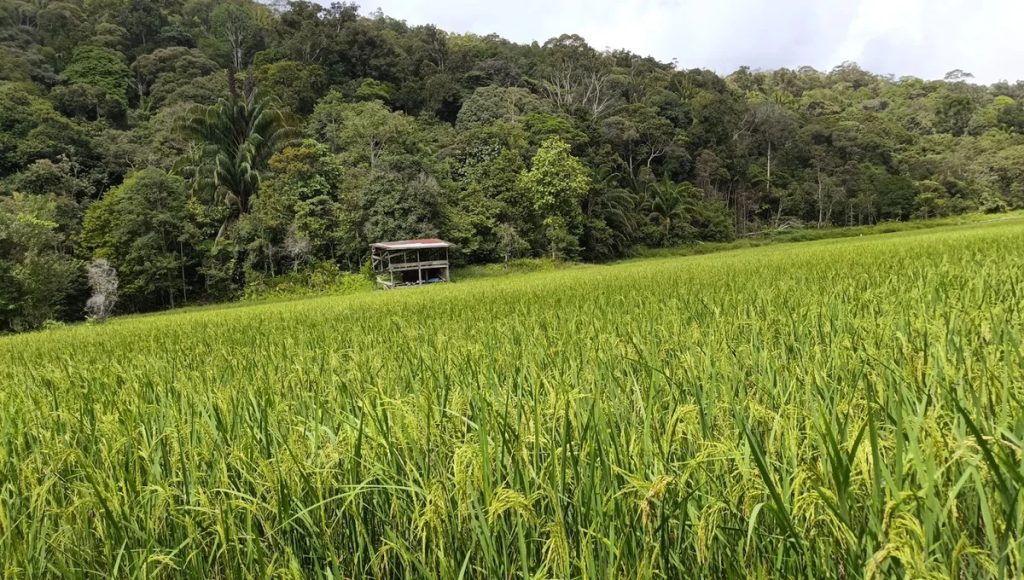
Cultivation remains largely traditional. There is minimal (if any) mechanical intervention, and the use of pesticides or herbicides is rare. Instead, farmers rely on time-tested methods, including natural water flow irrigation and manual planting and harvesting. The entire process, from preparing the paddy fields to harvesting the crop, can take around six months.
Yields are modest, typically limited to a single harvest each year. This alone sets Bario rice apart from many commercial varieties, which benefit from multiple planting cycles and more intensive farming methods. In Bario, production is shaped by the rhythm of the land rather than market demand.
Despite the challenges, many farmers continue the practice not purely for economic return, but for the sense of tradition and continuity it provides. For them, growing Bario rice is as much about preserving identity as it is about producing a crop.
DISTINCTIVE CHARACTER AND QUALITY
What distinguishes Bario rice most clearly is its eating quality. When cooked, the grains are soft without being sticky, with a gentle fragrance that is often described as clean and slightly nutty. It works wonderfully with a wide range of dishes, though many who know it best prefer it simply steamed, allowing its natural character to stand on its own.
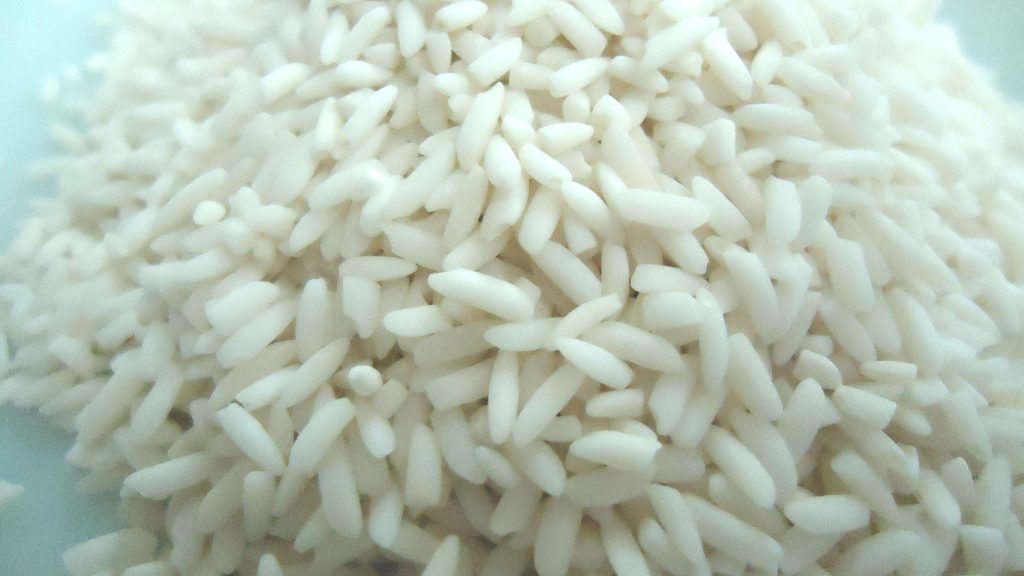
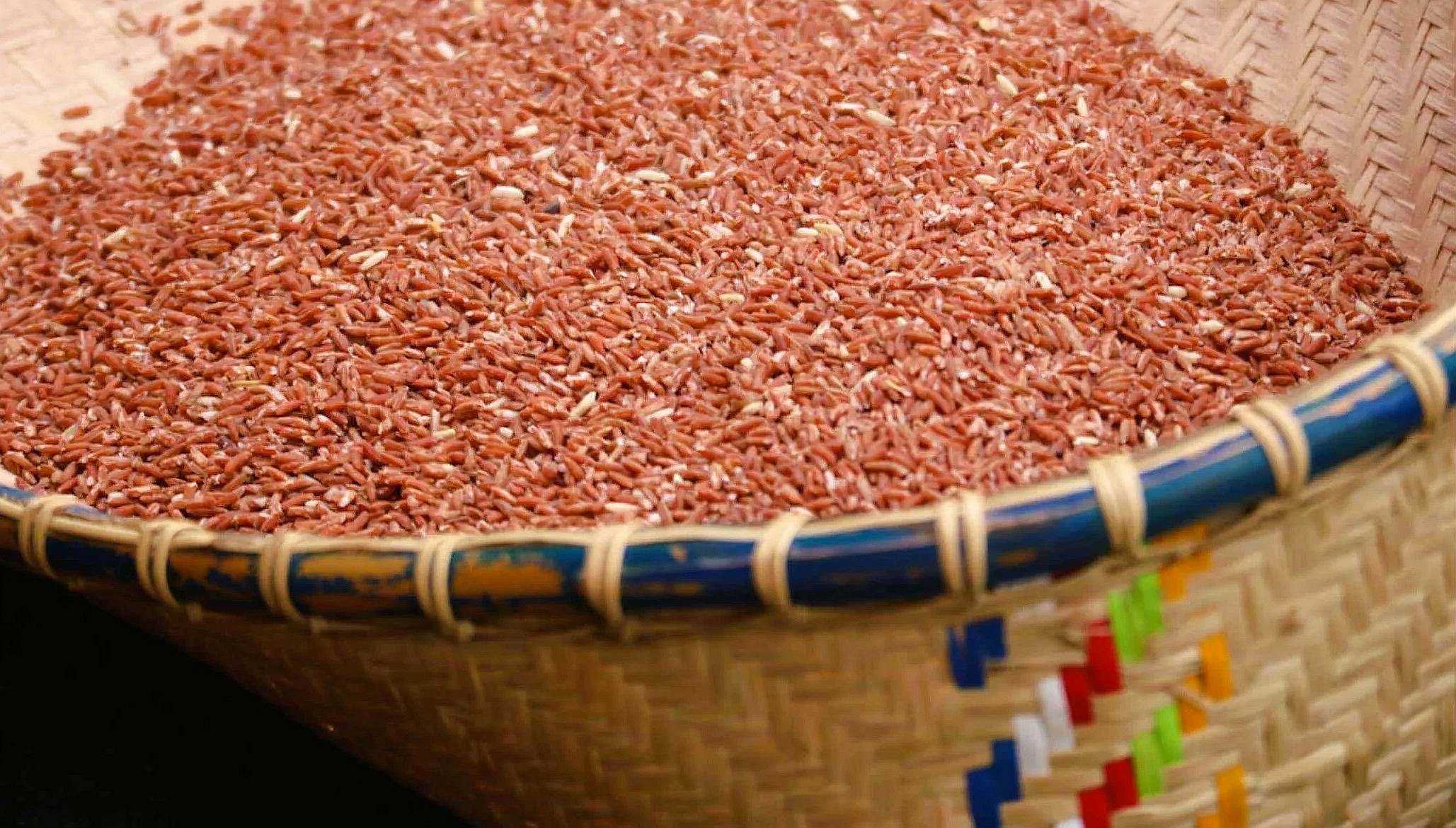
There are several varieties, including white, red, and black Bario rice, each offering slightly different textures and nutritional profiles. The red and black variants, in particular, are often highlighted for their higher fibre and antioxidant content.
Beyond flavour, the rice benefits from its growing environment. The relatively untouched ecosystem of the highlands contributes to a perception of purity, reinforced by the absence of intensive chemical inputs. For consumers increasingly attentive to food provenance and sustainability, this adds to its appeal.
WHY IT COMMANDS A PREMIUM
For many first-time buyers, the price of Bario rice can come as a surprise. Compared to mass-produced varieties, it unquestionably sits firmly at the higher end of the spectrum, with prices of RM12 to RM24 per kg not at all uncommon. However, the reasons are fairly straightforward when viewed in context, and a key contributor is that driver of all economic diversity: supply and demand.
Production of Bario rice is limited, labour input is high, and logistics are challenging; and yet, demand is consistent. The community of Bario itself is not easily accessible – historically reachable only by small aircraft or long overland journeys, though road access has improved in recent years. Transporting the rice from the highlands to urban markets adds both cost and complexity.
In addition, the careful, small-scale methods used in cultivation mean that economies of scale are largely absent. Each batch reflects the work of individual farmers and communities rather than large agricultural systems. For many consumers, this almost “handcrafted,” small-scale approach is a big part of what makes this rice so special in the first place.
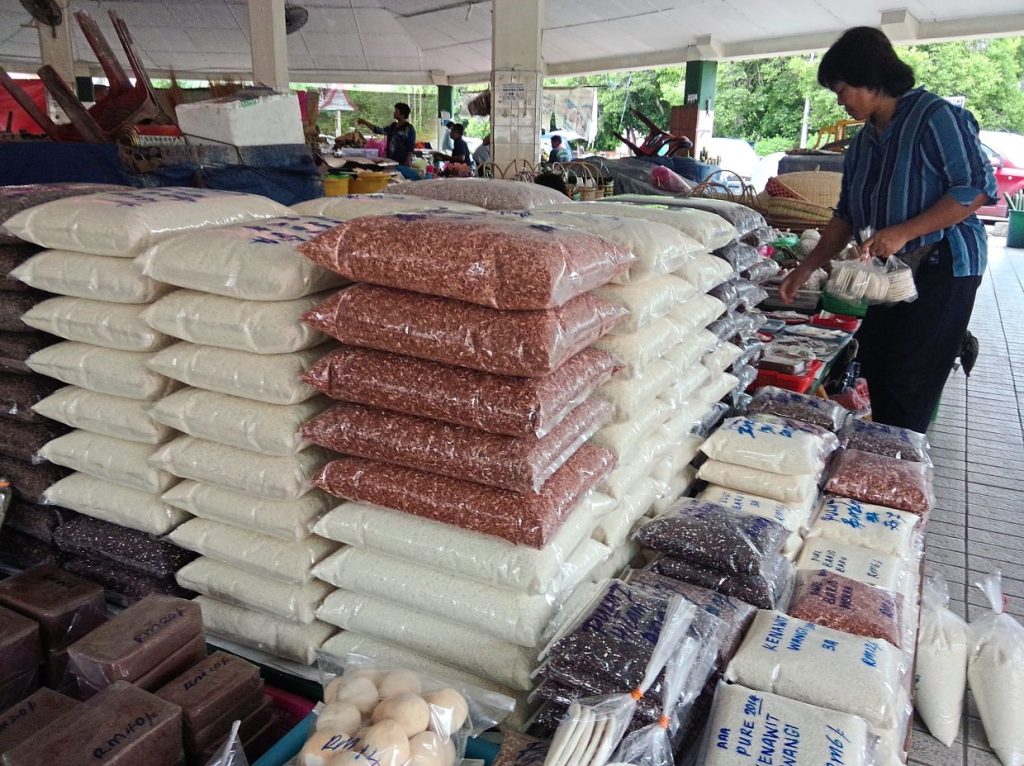
There is also an element of recognition. In 2008, Bario rice was awarded Geographical Indication (GI) status in Malaysia, formally acknowledging its unique origin and characteristics. This designation helps protect its identity, but for shoppers, also reinforces its standing as a premium product.
BALANCING TRADITION AND MODERN DEMAND
In recent years, there has been growing interest in Bario rice both within Malaysia and abroad. Increased awareness has brought new opportunities, but also new pressures. Ensuring that demand does not outpace sustainable production remains an ongoing concern – always a problem when a limited product gets outsize attention and starts becoming popular on a broader scale.
Efforts have been made to support farmers through better infrastructure, improved market access, and initiatives that promote fair pricing. At the same time, there is a strong emphasis on maintaining the traditional practices that define the rice’s character.
For visitors to Sarawak, a trip to Bario offers a rare glimpse into this way of life. Beyond the rice itself, the highlands present a broader cultural experience, where agriculture, community, and environment remain closely intertwined.