


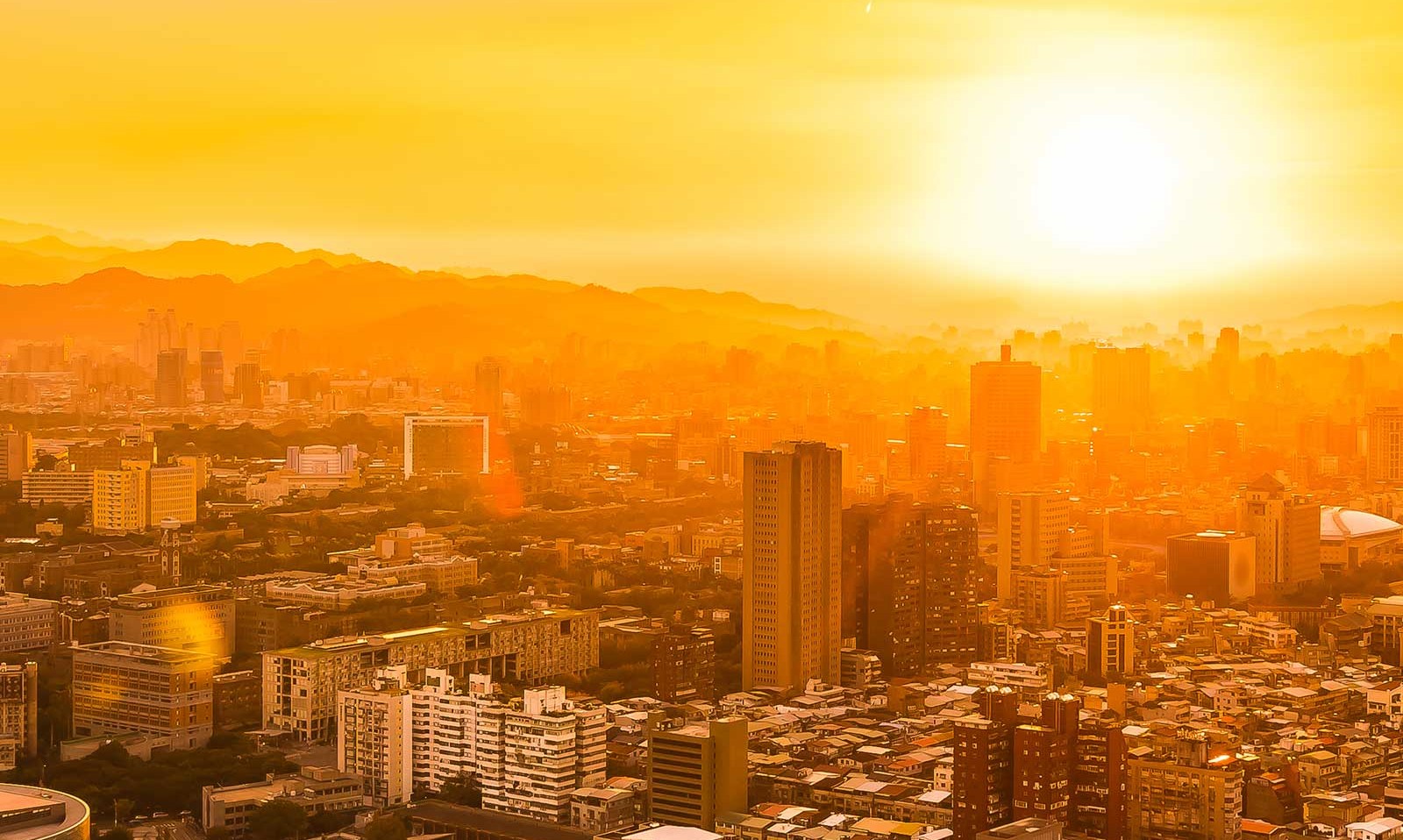
After several days of unusually cool temperatures, the prospect may seem almost unbelievable. But according to Malaysia’s weather experts, the country could be on course for a record-breaking heatwave in 2027 as a strengthening El Niño combines with the long-term effects of climate change.
After enjoying several days of cooler-than-usual weather across much of the country, most Malaysians would probably be forgiven for thinking the worst of this year’s heat is behind us.
Unfortunately, the opposite may be true.
The Malaysian Meteorological Department (MetMalaysia) is warning that the nation could experience its highest temperatures on record beginning late this year and worsening next year as a strengthening El Niño reaches its peak. If forecasts hold true, temperatures could surpass Malaysia’s existing record of 40.1°C, set in Chuping, Perlis, during the powerful 1998 El Niño event.
It’s a sobering reminder that a few pleasant days of cooler weather do little to change the bigger climate picture.

El Niño is a naturally occurring climate pattern caused by warmer-than-normal sea surface temperatures in the central and eastern Pacific Ocean. While it originates thousands of kilometres away, its influence extends across much of the globe, disrupting rainfall patterns, raising temperatures, and increasing the likelihood of droughts, wildfires, and heatwaves in many regions.
For Malaysia, El Niño typically means two things, neither of which are typically welcome: hotter temps and drier weather.
According to MetMalaysia Director-General Dr. Mohd Hisham Mohd Anip, the current forecasts indicate the event will strengthen over the coming months before reaching its greatest intensity between March and May 2027 – traditionally Malaysia’s hottest period of the year. Combined with the ongoing effects of global warming, the department believes conditions could be severe enough to break the country’s long-standing temperature record.
MORE THAN JUST HOT DAYS
Heat is only part of the story.
MetMalaysia expects rainfall amounts to fall below normal across much of the country during this period, increasing the risk of water shortages, forest and peatland fires, and transboundary haze episodes. The department has already stepped up its preparedness efforts, conducting dozens of briefings with government agencies while expanding its fire-risk forecasting, haze outlooks, and early warning systems. Officials have also indicated they are prepared to support cloud-seeding operations should conditions warrant such measures.
The areas expected to feel the greatest impact include the northern states of Peninsular Malaysia, along with Sabah and Sarawak, where reduced rainfall could have significant implications for agriculture, particularly the palm oil sector. Sabah has historically experienced some of the country’s strongest El Niño effects, largely because of its relative proximity to the Pacific climate system.
If the next cycle comes to pass at the levels predicted, it would not be Malaysia’s first encounter with a powerful El Niño.
The 1997-1998 El Niño event, one of the strongest on recent record, brought prolonged dry weather, severe haze, water shortages, and crop losses across Southeast Asia. A similarly intense event during 2015-2016 also produced unusually high temperatures and widespread drought conditions throughout the region.
But you have to go back 150 years to study the last “super” El Niño event. And that’s what has forecasters talking when they mention the upcoming cycle. Comparisons are already being drawn with the legendary 1877-1878 El Niño, widely regarded as one of the most severe climate events in recorded history. That “super” El Niño triggered devastating droughts across India, China, Brazil, southern Africa, and parts of Southeast Asia, contributing to widespread crop failures and famines that are estimated to have claimed millions of lives.
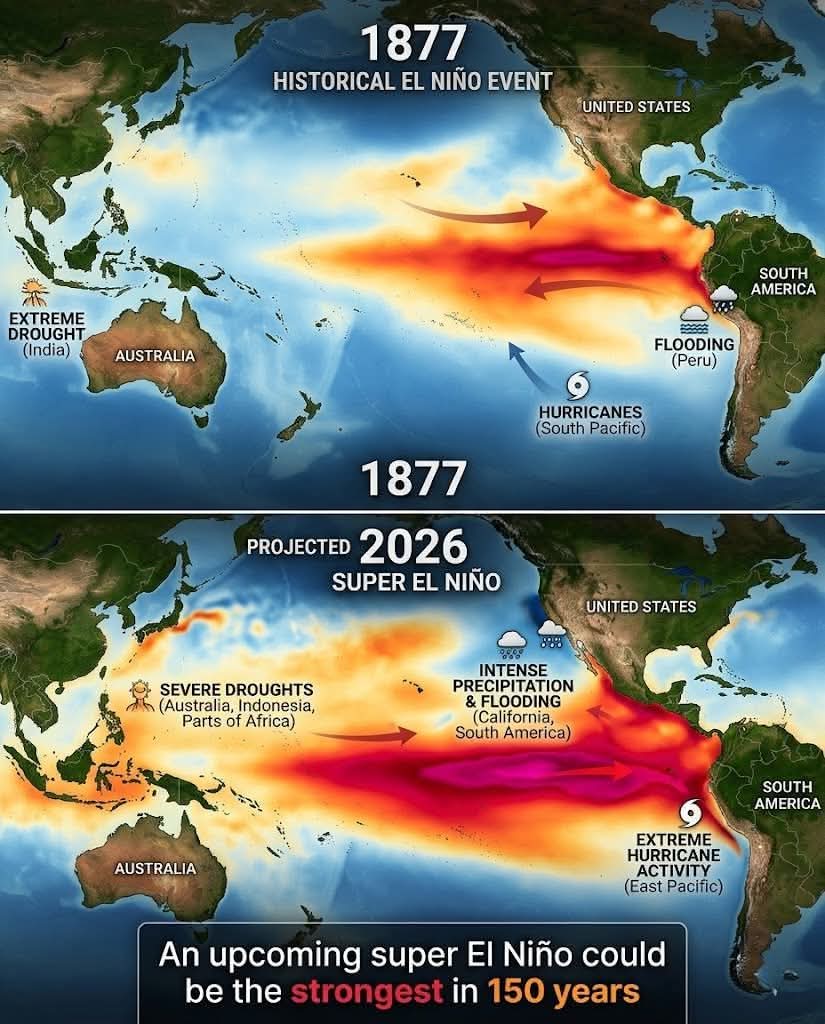
Today’s world is far better equipped with advanced forecasting, irrigation, global food supply chains, and disaster response capabilities, making a repeat of that humanitarian catastrophe highly unlikely. Even so, climate scientists are paying close attention because many forecast models suggest the developing 2026-2027 El Niño could rival – or even surpass – previous modern events in intensity.
Unlike 1877, however, this El Niño is unfolding in a world that has already warmed by more than 1°C since pre-industrial times, meaning its impacts could be amplified by climate change even if the event itself is part of a natural climate cycle.
Meteorologists note that Malaysia’s average temperatures have been climbing since the 1980s, meaning each successive El Niño begins from a warmer baseline than the last. In practical terms, that increases the likelihood that future heatwaves will be more intense than those experienced in previous decades.
For now, there is no cause for panic. Seasonal climate forecasts continue to evolve, and the precise strength of El Niño will become clearer over the coming months. Nevertheless, the warning at the very least provides governments, businesses, and households with valuable time to prepare.
That preparation could include encouraging more prudent water use, reducing the risk of open burning, safeguarding vulnerable communities, and ensuring adequate contingency plans for agriculture and public health.
So while this week’s refreshing weather has been a welcome change from Malaysia’s usual tropical heat, it may prove to be little more than a brief intermission. If MetMalaysia’s forecasts are correct, the year’s hottest days could still be ahead of us… and carry well into 2027.
Sources: SCMP; Reuters interview with MetMalaysia Director-General Dr. Mohd Hisham Mohd Anip; Malaysian Meteorological Department (MetMalaysia); National Disaster Management Agency (NADMA); New Straits Times.