


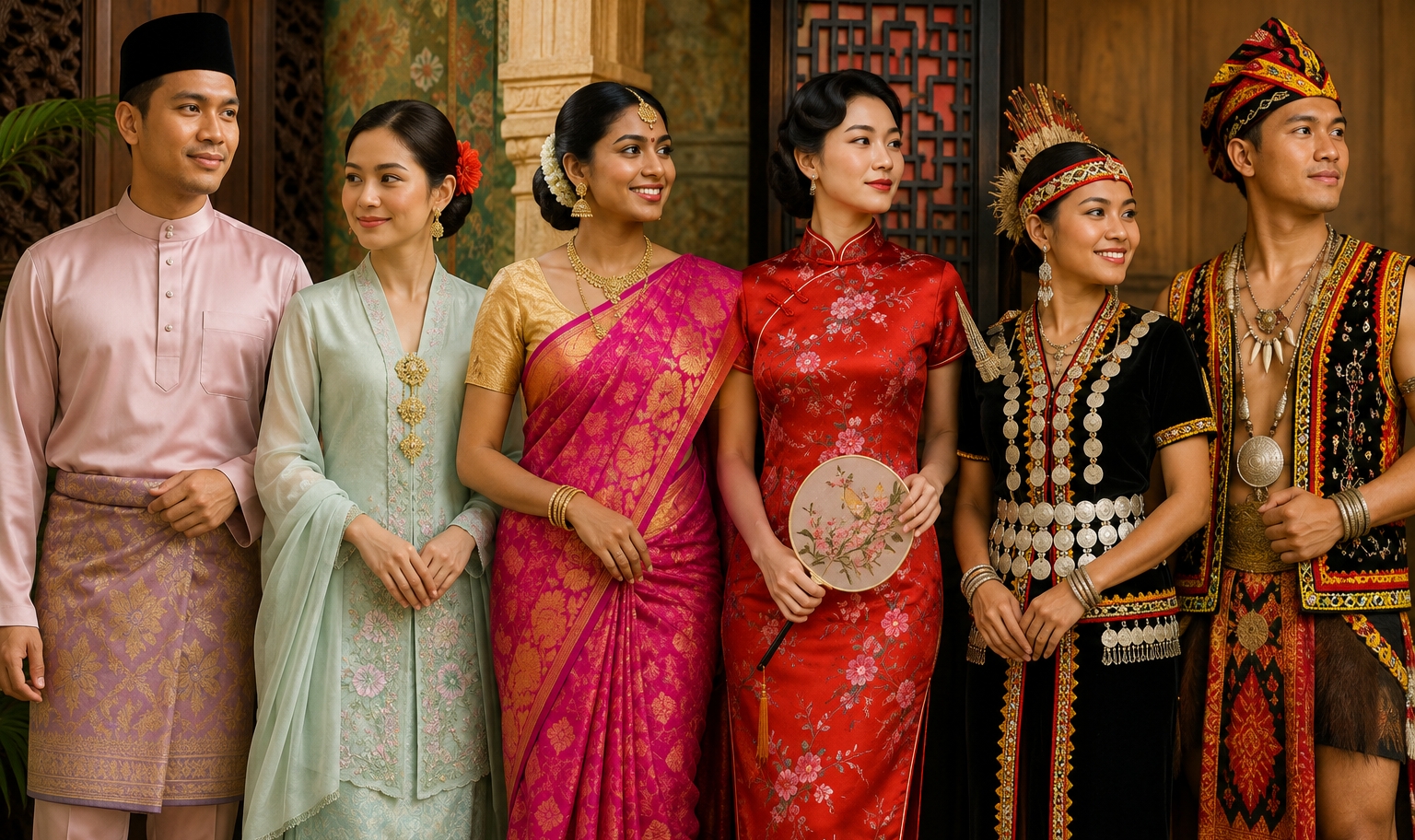
From the baju melayu and baju kurung to the saree, cheongsam, and indigenous costumes of Sabah and Sarawak, Malaysia’s traditional clothing reflects the country’s rich multicultural heritage.
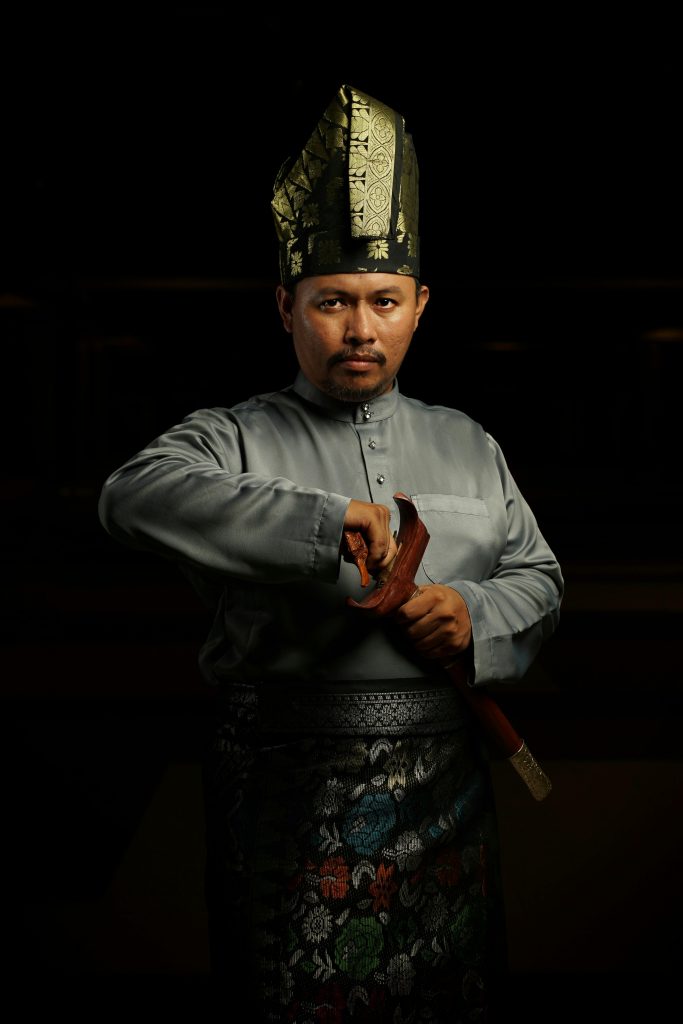
Gracing a long-sleeved shirt and trousers, paired with a songkok (cap) and kain samping (short sarong) tied around the hips, the baju melayu is a traditional Malay costume for men. Regarded as the national men’s attire, it is commonly worn by people of all races, particularly in government bodies and during state events.
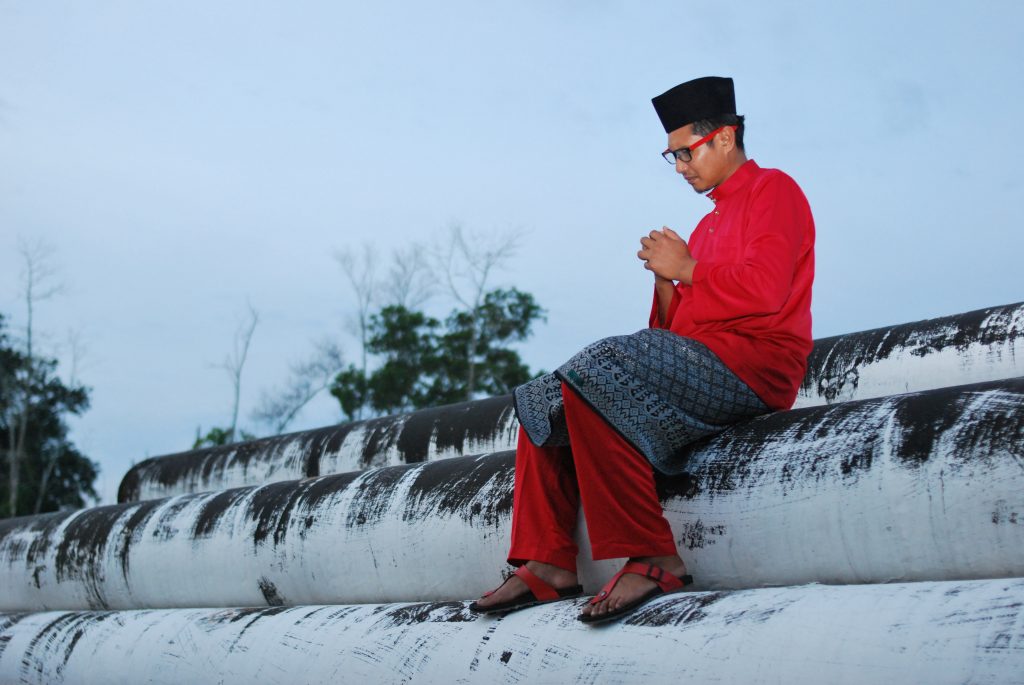
This clothing traces its origins to the 15th-century Melaka Sultanate, when the baju melayu was made mandatory under the reign of Sultan Muhammad Shah of Melaka. He prohibited people from wearing clothing influenced by foreign cultures, which had been brought by Arab and Indian traders who frequented the port city. At the time, the traditional set comprised a shirt, trousers, and a tanjak, a traditional Malay headgear folded and tied in various ways. Over the years, slight changes were made, but the final modification to the form we see today took place in Johor at the end of the 19th century. Dubbed the “Father of Modern Johor,” Sultan Abu Bakar adopted Chinese-style trousers featuring an elastic waistband and ankle-length bottoms.
Concurrently, he is credited with playing a key role in the development of the baju kurung, the traditional dress worn by women across the Malay Archipelago. Before the 20th century, Malay women would wear a kemban, a sarong tied above the chest, with a shawl draped over their shoulders. Nevertheless, Malay royals had much finer hand-loomed textiles incorporating Malay batik. As foreign trade prospered, different textiles and fabrics paved the way for the creation of the baju kurung, with the latter word translating as “to confine.”
OLDEST FORM OF FABRIC IN THE WORLD
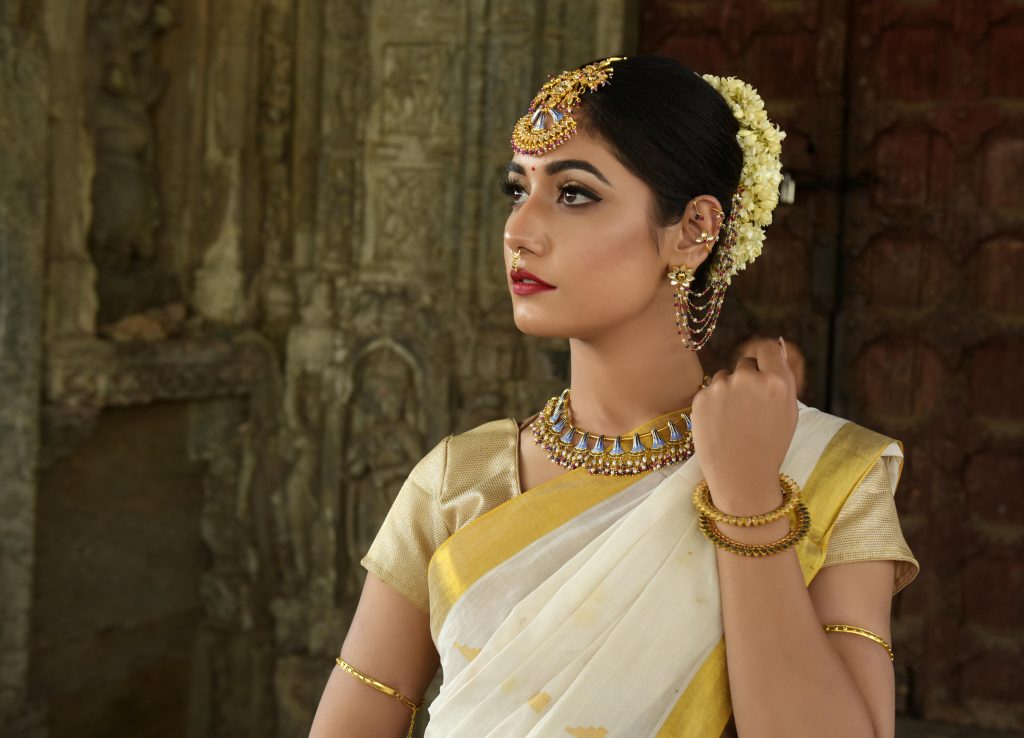
Often called “six yards of elegance,” the saree’s history dates to between 2800 and 1800 BCE, tracing its origins to the Indus Valley Civilisation approximately 5,000 years ago. The term “saree” comes from the Sanskrit word sati, meaning “strip of cloth.” Originally unstitched, this garment was regarded as pure and sacred and was worn by wrapping the cloth around the chest and body, without the need for petticoats or blouses.
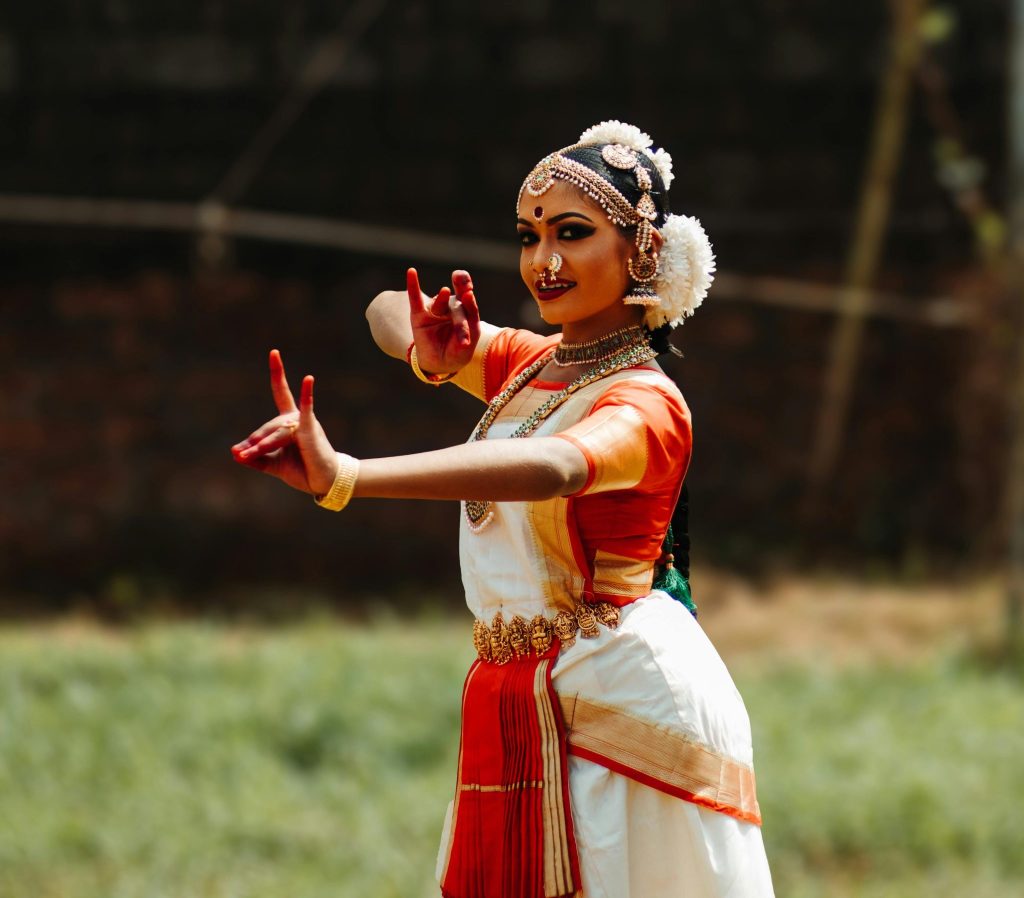
Before the 1400s, Indian traders from the Chola and Pallava kingdoms reached the Malay Peninsula. Apart from spices and the religious influences of Hinduism and Buddhism, Indian textiles also attracted considerable attention, particularly in ancient ports such as Kedah (Kadaram) and Langkasuka. When the British arrived 500 years later, Indian Tamil labourers were brought to Malaya to work in ports, on railways, and on rubber estates, further establishing the saree as a symbol of Indian women’s identity. It was only in the mid-1900s that petticoats and blouses were introduced, while the 1980s saw sarees appear in lively, colourful chiffon designs.
The fame and fortune of the Indian women’s saree have inevitably eclipsed the Indian men’s traditional combination of jippa and veshti. A jippa is an ethnic knee-length, collarless shirt often worn to temples and cultural functions. A veshti is a long white cloth wrapped around the waist and extending to the ankles. This attire is favoured for its simplicity and convenience, making it a perennial choice among South Indians.
A CUSTOMARY TAKE ON PROSPERITY
When asked about traditional Chinese clothing, the cheongsam is often the first garment that comes to mind. Traditionally, the one-piece dress is known as a qipao in Mandarin and originated during the Qing Dynasty of China. The common colour of the cheongsam is red, as it is believed to fend off evil spirits and bring good fortune to the family.
In the 1800s, Chinese immigrants migrated to Malaya from southern China to work in tin mines, trade, and business. The cheongsam was gradually modified for the tropical climate, using lighter materials such as cotton and linen in place of heavy silk. Nevertheless, it retained its signature pankou knots, collar, and clasps at the waist.
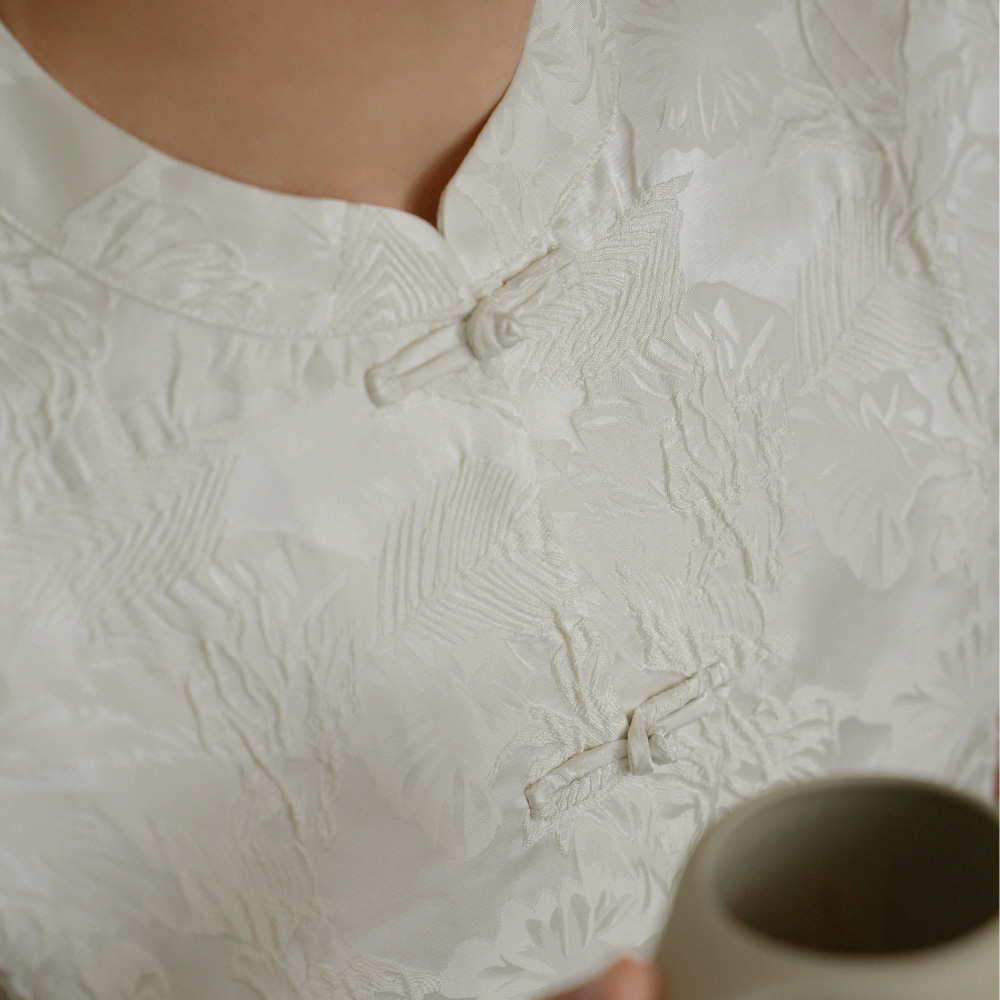
Over time, the long dress featured Chinese-centric embroidery such as dragons, phoenixes, and plum blossoms, each carrying its own symbolic meaning. The confluence of cultures became evident when Peranakan women, also known as Nyonya, frequently wore a mixture of kebaya and cheongsam.
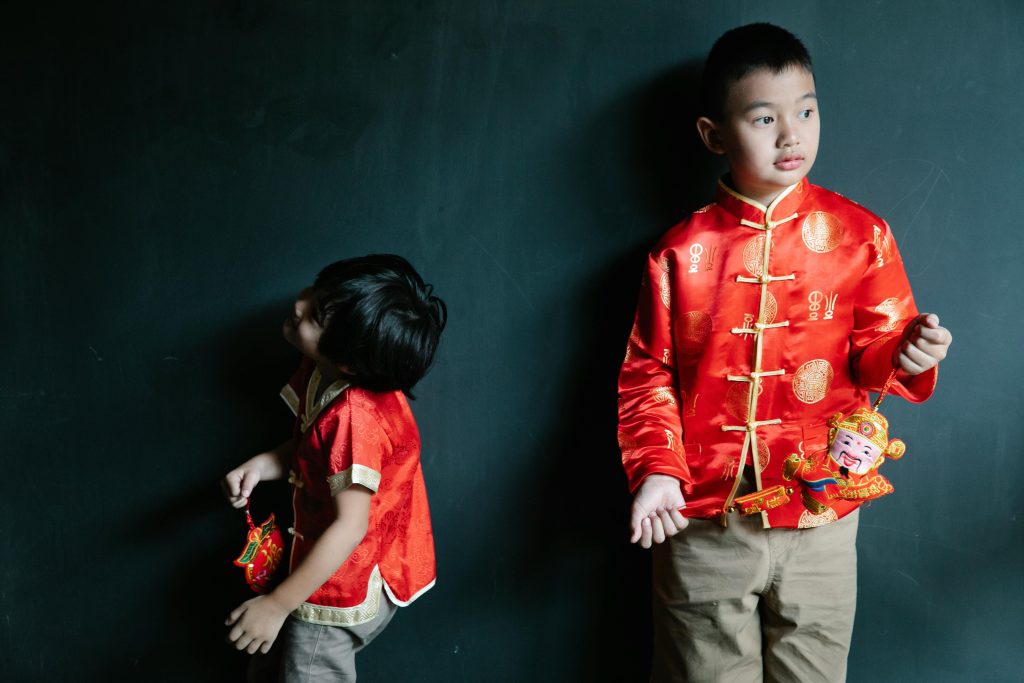
Largely under the radar is the Tang suit, traditionally worn by Chinese men. This jacket features a Mandarin collar, pankou buttons, and silk fabric, giving it a graceful charm for weddings and festivals. To keep traditional Chinese clothing alive, it is often worn at Chinese associations, school performances, and by lion dance groups.
CELEBRATING INDIGENOUS TRADITIONS
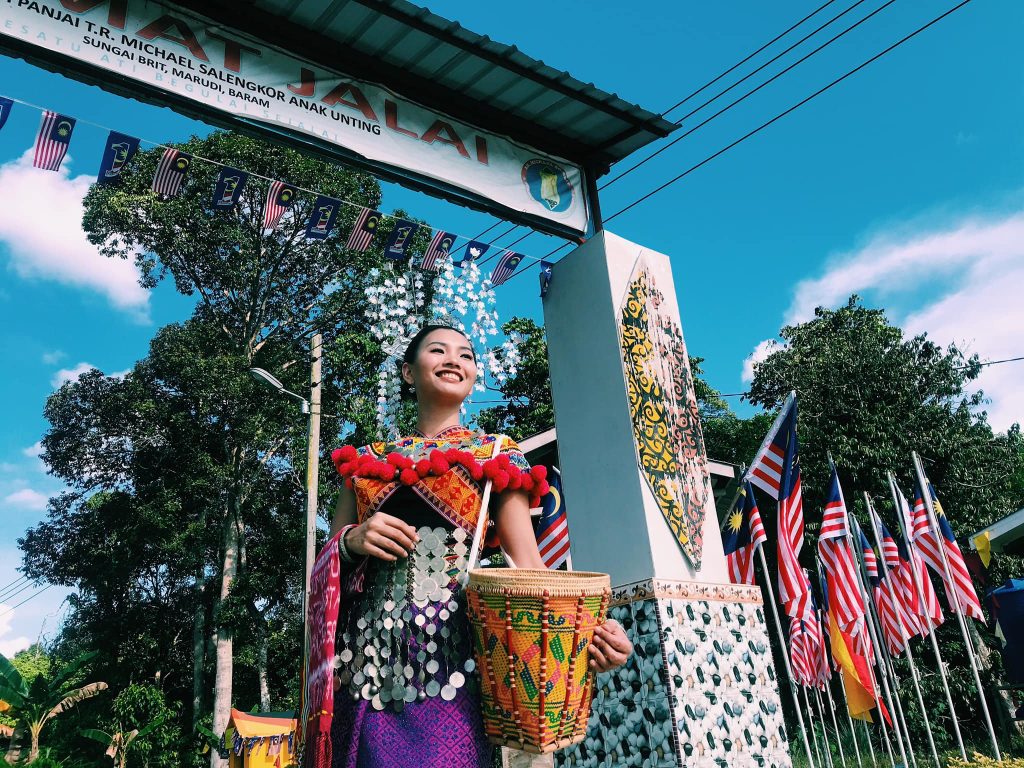
The Kadazans are one of the major indigenous ethnic groups of Sabah, and their time-honoured clothing features attractive fabrics, beads, and accessories. Sinuangga is the traditional attire for women, pairing a black velvet blouse with a batik scarf fitted with himpogot, a belt made of silver coins worn around the waist as a symbol of wealth and beauty. Then comes the tangkong, brass coil rings worn below the blouse, and simbong – earrings made from colourful glass or ceramic beads. These accessories are believed to provide religious protection for the wearer. The tapi is a long wrap skirt with golden trimming running around the hips and waist. What makes the Kadazans distinctive is their commitment to traditional headgear, with women wearing the siung, made from bamboo strips.
Men’s clothing consists of gaung and souva. The former is a long-sleeved shirt with gold trimmings and buttons, while the latter is a pair of black trousers. The final piece is called siga, a traditional headcloth folded and twisted in a distinctive way, with colours of red, yellow, and black signifying bravery and unity. These traditional attires are usually worn during Kaamatan, the Harvest Festival.
EMBRACING THE WARRIOR CLASS
Ibans are regarded as the protectors of their land in Sarawak, and their traditional costumes reflect that history. During religious festivals and dances, both men and women embrace their proud heritage, bravery, and connection to their ancestors through textiles. In ancient times, the Ibans were fearless headhunters and protectors of their longhouses.
Iban men wear baju burung, which translates as “bird shirt.” It is a warrior-like costume with a vest on top and a skirt-like woven cloth as the bottom. Accessories such as a silver belt, armlet, anklet, and headgear complete the outfit. Reflecting their deep bond with birds and hunting, the clothing is also decorated with feathers from hornbills and pheasants, beads, shells, and sometimes animal teeth. Due to their strong affinity with nature, the earliest forms of baju burung were made from the inner bark of the terap or kelampayan tree.
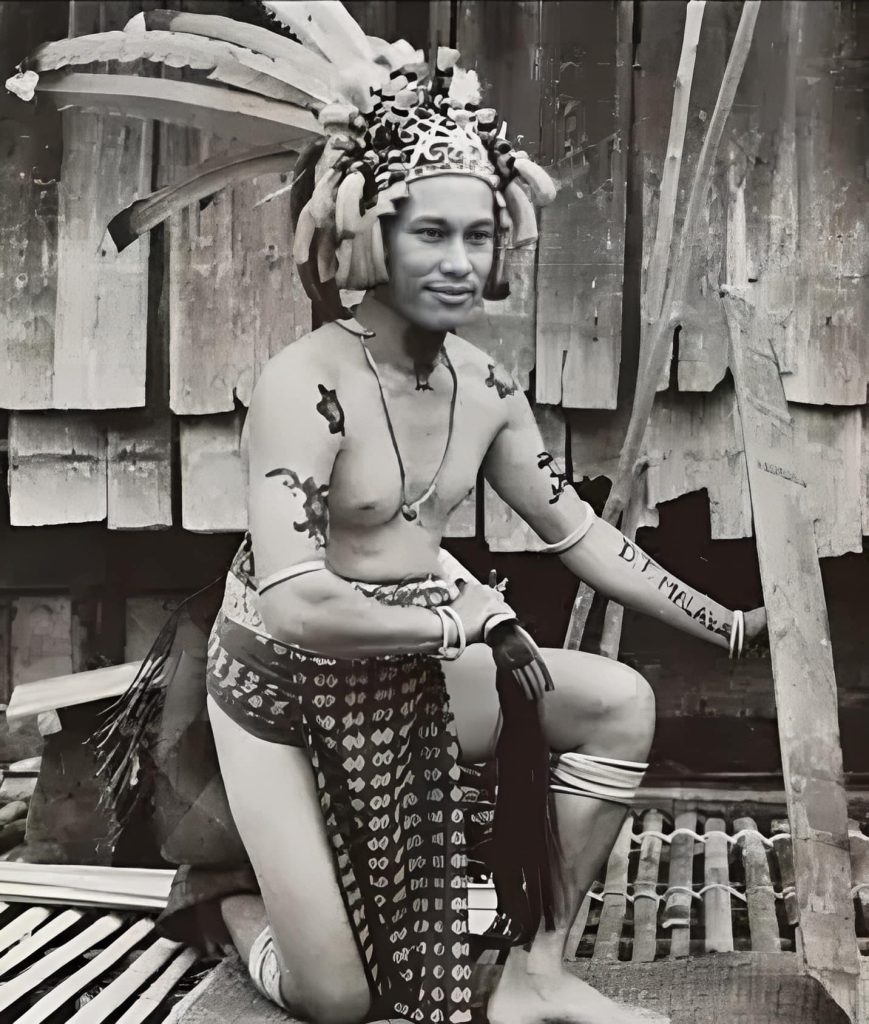
Women donned bidang, a stitched, woven skirt, and the most eye-catching aspect is the marek empang. It helps secure the skirt while giving it a shimmering, regal appearance, embellished with brass or silver coins, beads, shells, and metal plates. In the past, women who owned a marek empang were deemed to be from wealthy and noble families.
Each traditional outfit in Malaysia offers a momentary step back in time, providing a glimpse into the history and heritage of its people. Considering the laborious craftsmanship and long history behind these costumes, every piece of time-honoured clothing serves as a tangible connection to the culture from which it emerged.