


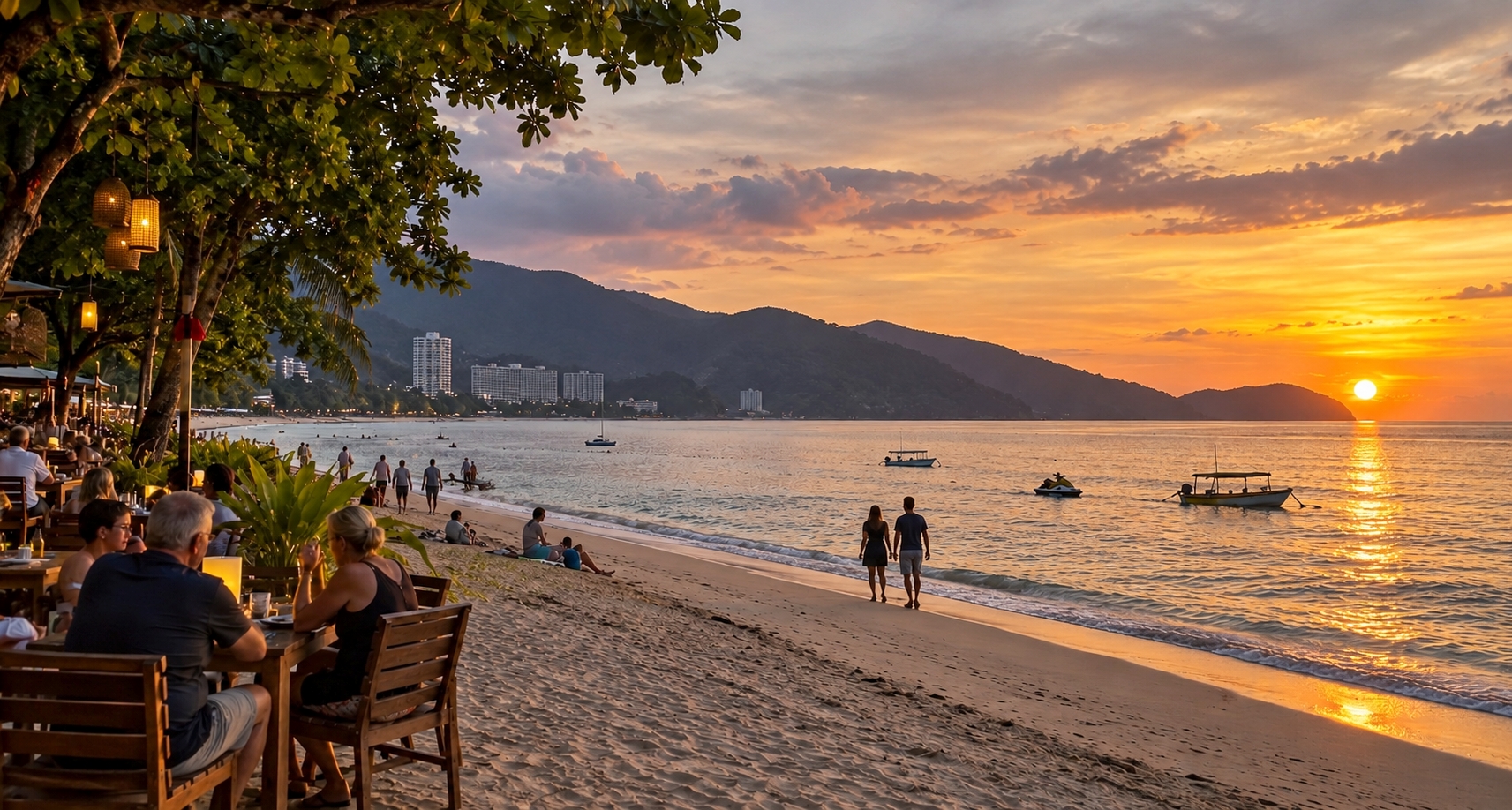
Affordable living costs are only part of Malaysia’s appeal. For retirees, the real attraction is the combination of quality healthcare, comfortable housing, convenience, and an enviable lifestyle at a fraction of the cost in many Western countries.
This post contributed by Peter Brunoehler
Nearly every week, it seems one of my newsfeeds includes a new global survey ranking the world’s top retirement destinations.
While Southeast Asia is almost always well represented – typically featuring emerging spots like Vietnam alongside traditional favorites such as Thailand, the Philippines, and Malaysia – many of these lists fail to move past the cliché that the region is mainly “a cheap place to live.” While there is some truth to that statement regionally, anyone who has lived in Malaysia for any length of time knows it is only part of the story here.
Unlike many of our neighbors, Malaysia’s real appeal isn’t just low costs; it’s high value. The standard of living here isn’t a compromise – it’s often a genuine upgrade. With excellent healthcare, attractive housing options, modern infrastructure, a safe environment, and widespread English proficiency (a massive differentiator over Thailand and Vietnam), life here isn’t “almost as good as back home, but cheaper.” It can be better, sometimes much better.
There is a profound difference between focused frugality and a lifestyle upgrade – gaining quality of life, convenience, and peace of mind at the same or lower cost. Malaysia’s sweet spot lies in offering a First World existence at a fraction of Western prices, allowing retirees to stretch their savings without sacrificing comfort.
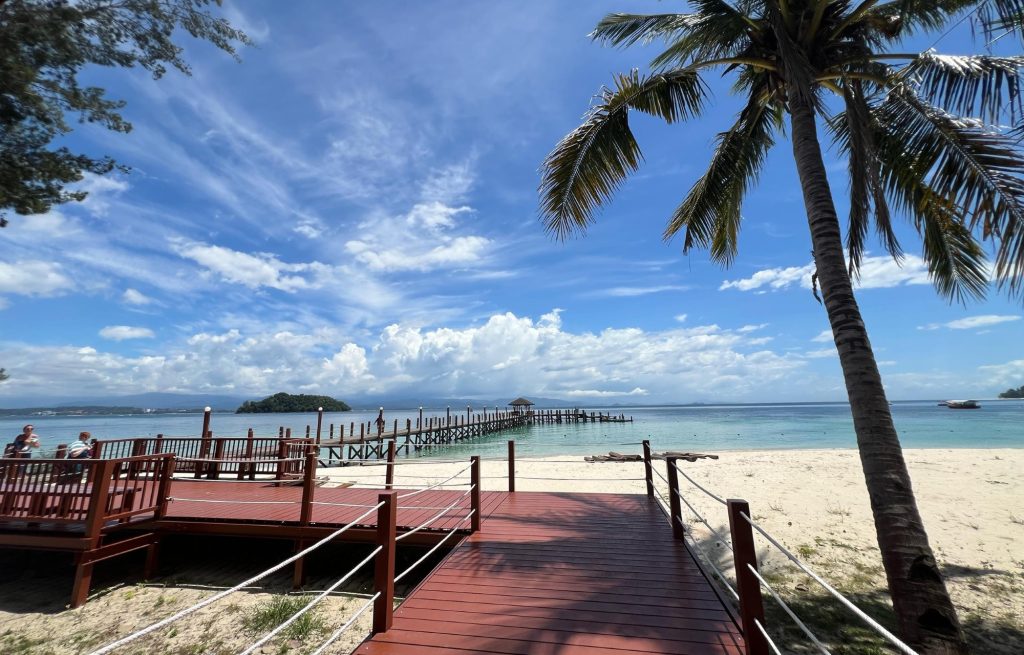
HOUSING & ACCOMMODATION: LIVING WELL
Expat housing in Malaysia typically falls into two categories: high-rise condos or landed properties. Condo living offers access to comprehensive amenities such as swimming pools, tennis courts, gyms, 24/7 security, EV charging stations, and covered parking. It’s possible to rent or own a condo here at a fraction of what equivalent housing costs in North America, Australia, most of Europe, or Northeast Asia. While landed options such as bungalows may be fewer in number, they offer even more generous space and, if desired, year-round opportunities for lawn care and gardening.
The primary expat hubs each offer distinct strengths:
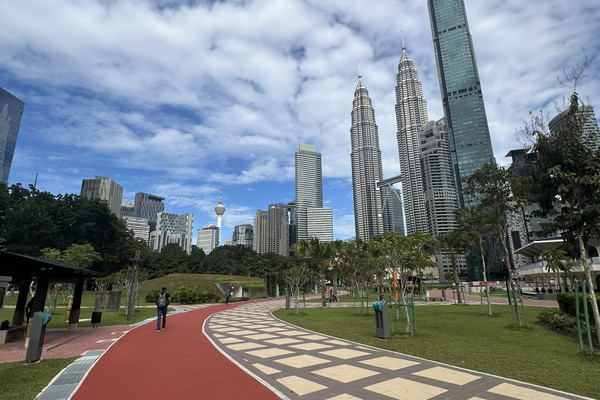
- Klang Valley / Greater Kuala Lumpur: High-energy urban luxury, with a wide selection of housing types, albeit at a higher price point relative to other regions. Modern city living in the beating heart of Malaysia.
- Penang: Coastal views, historic charm, a globally recognized food paradise, and a superior value-for-money, slower-paced lifestyle.
- Johor: A Special Economic Zone offering direct access and proximity to Singapore, but at Malaysian costs.
- Melaka & Ipoh: Smaller, more relaxed, very reasonably priced, and increasingly popular among retirees.
- East Malaysia: Sabah and Sarawak are also gaining in popularity as highly affordable retirement havens offering a much quieter lifestyle.
Nationwide, both low-rise and high-rise living options benefit from modest maintenance costs, reasonable utility rates, accessible domestic help (cleaning, cooking, and gardening), and the guaranteed absence of heating bills.
DINING & LIFESTYLE: A TERRIFIC SPECTRUM
Food alone may not be enough of a reason to relocate here, but it remains one of the greatest benefits for expats in Malaysia. If desired, daily dining out is an inexpensive pleasure rather than a luxury, with a broad range of options:
- Local Eats: High-quality, freshly prepared RM10–RM15 hawker meals are ubiquitous, delicious, varied, and cooked to order.
- Mid-Range & Western: Affordable cafés, international restaurants, and weekend brunch spots are widely available and reasonably priced.
- Fine Dining: Exceptional upscale restaurants for special occasions, overseas guests, and business dinners are plentiful across major urban centers.
Food delivery across all restaurant tiers is fast, efficient, and economical. For home cooks, purchasing ingredients is equally cost-effective. Fresh meat, vegetables, and produce are readily available at local wet markets, while international supermarkets supply globally sourced goods. Specialty bakery supply shops also cater well to avid home bakers.
A reality check on groceries: Some imported Western staples, such as specialty cheeses, meats, and foreign brands, carry noticeable import taxes. One major expat consumption category that is more expensive here is alcohol, both domestically produced and imported, which costs significantly more than in most Western nations.
HEALTHCARE: PEACE OF MIND
There are many good reasons why Malaysia has become a leading global hub for providing healthcare to an international clientele. Private healthcare here is exceedingly accessible, largely free of red tape, consistently high in quality and value, and offers genuine world-class standards at just a fraction of Western costs. Hospital networks like Gleneagles and Pantai, alongside premier institutions such as Prince Court Medical Centre and Sunway Medical Centre in the Klang Valley, and Island and Adventist Hospitals in Penang, offer immediate access to specialists, top-tier diagnostics, and fluent English-speaking staff.
In the first half of 2026, more than 285,000 medical tourists came to Malaysia for treatment, generating more than RM600 million in revenue. These numbers reiterate how fortunate those of us already here are: we enjoy these benefits without having to travel for them.

Routine clinic consultations (walk-ins, with no appointment needed) generally cost around RM100 and offer affordable, convenient on-site medication dispensing. Specialist consultations typically cost between RM150 and RM250 – a fraction of Western out-of-pocket expenses or even insurance deductibles – and require no formal GP referral. If needed, follow-up diagnostic tests (MRIs, blood panels, and imaging) add to the bill, although these, too, are vastly cheaper than in the West.
Flexible insurance options are available through local and regional private health insurers, and most major global insurance providers operate here. Given the reasonable out-of-pocket costs, many long-term expats opt to pay for routine care themselves while maintaining targeted coverage for major medical events.
REGIONAL MOBILITY: THE ECONOMIC ADVANTAGE
As I’ve addressed in prior columns, traveling to, from, and around Malaysia is exceptionally convenient. Regional air networks and excellent low-cost carriers make the country an ideal and cost-effective springboard for travel throughout Southeast Asia, the wider region, and beyond. A weekend getaway to Langkawi, East Malaysia, Singapore, Bangkok, or Bali often costs less than a train ticket in Europe or the US. For long-haul travel, KLIA serves major global airlines, supported by regional connections from Penang and other secondary airports.
Comprehensive transport links – including our modern and expansive nationwide highway network, ferry connections to regional islands, and major cruise terminals in Penang and Port Klang – make internal exploration easy and convenient while remaining budget-friendly. Joining our already extensive domestic rail network will be the East Coast Rail Link (ECRL), scheduled to begin operations in early 2027. This 665-kilometer railway project will run all the way from Port Klang along the gorgeous east coast to Kota Bharu, with trains reaching speeds of up to 160 km/h.
CONCLUSION & TAKEAWAYS
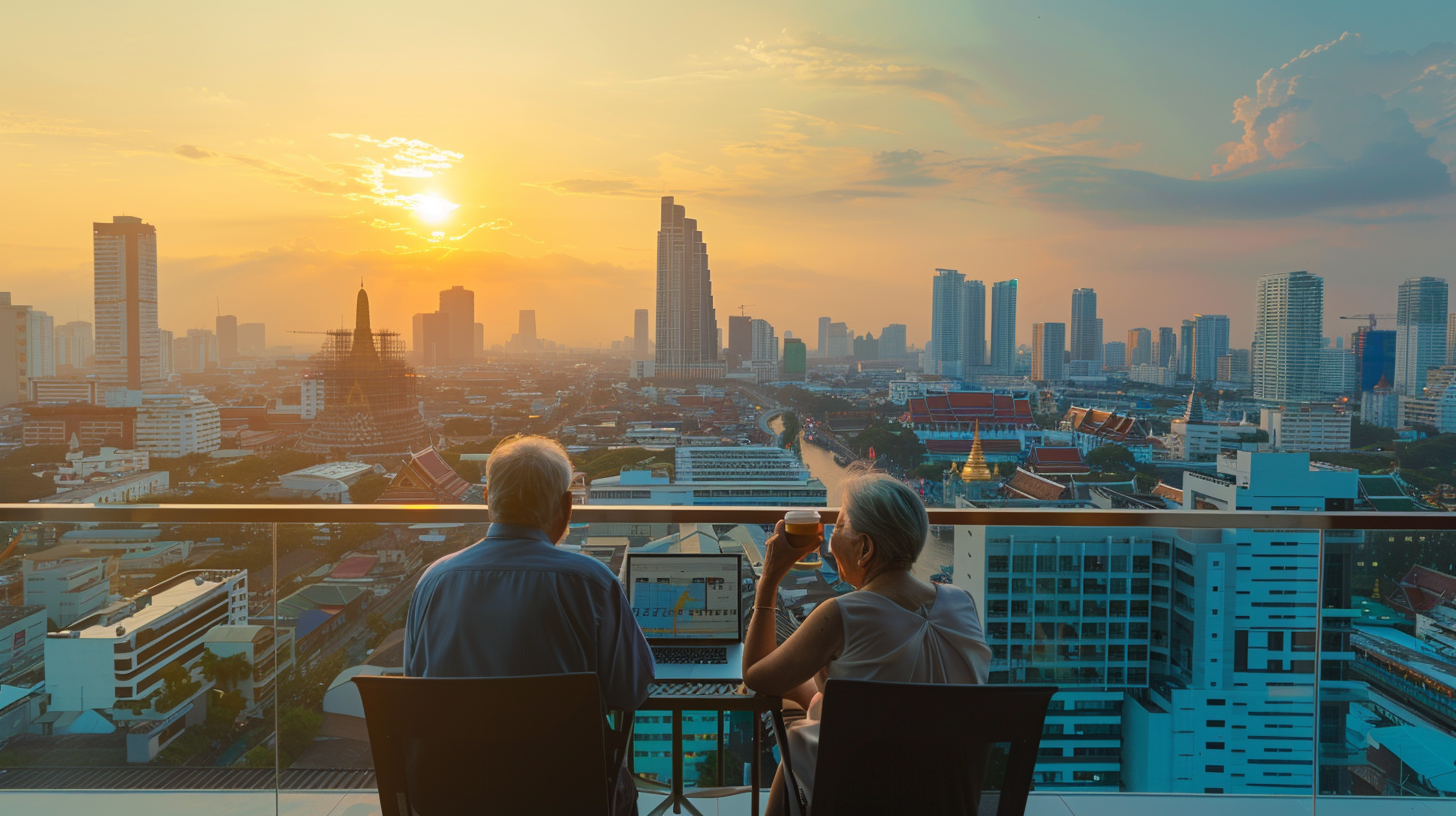
Lower financial stress usually translates into a higher quality of life, better mental and physical health, and, altogether, a more enriched lifestyle. Retirement should not be about counting every dollar, euro, pound, or yen; it should be about affordably enriching your golden years with wonderful, worry-free experiences.
No destination is perfect, but when comprehensively evaluating retirement value, Malaysia stands out sharply against both Western homelands and neighboring countries in Southeast Asia.
Join me again next month at ExpatGo.com as we continue exploring key topics in our “Retirement in Malaysia” series.
Originally hailing from the United States, Peter Brunoehler is a retired expat who has lived in Asia for over 30 years, with about half of that time in Malaysia. Prior to retirement in Penang, he worked in Hong Kong, Singapore, and Kuala Lumpur, holding numerous executive roles in a variety of multinational corporations.
To learn more about the Malaysia My Second Home (MM2H) programme, visit mm2h.com, also under ExpatGo’s parent company, TEG Media.