




Stay up to date with the latest in the travel and hospitality industry, from hotel launches and airline route expansions to new trends and transportation developments shaping the way we explore the world.
This is the September 2026 edition of Airline and Travel News.
AIRASIA PURSUES MORE THAN RM4 BILLION IN FINANCING AS FUEL COSTS BITE
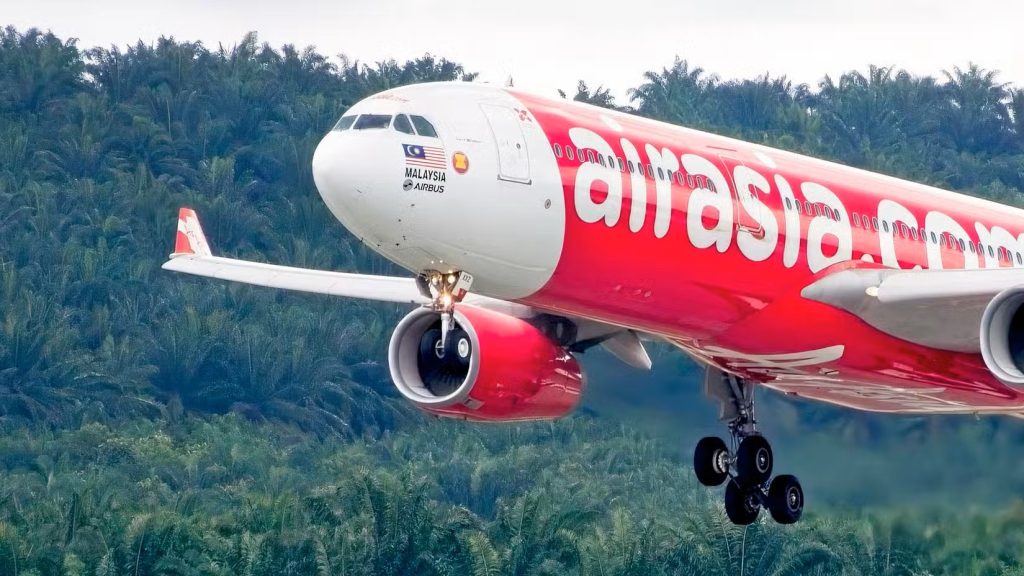
AirAsia Group is pursuing a major financing package worth more than RM4 billion as it works to refinance existing debt, strengthen its balance sheet, and manage the impact of sharply higher jet-fuel costs.
The group is seeking up to US$1 billion in international debt financing, equivalent to roughly RM4 billion, alongside RM700 million in local credit facilities. AirAsia says the money is primarily intended for debt restructuring and refinancing rather than plugging an immediate operational cash shortfall. The group raised around US$300 million in March, extending debt maturities and reducing principal obligations.
Tony Fernandes said on September 18 that AirAsia had received a signed term sheet from a Middle Eastern investor for US$1 billion in financing, with the funding expected to be finalized around December or January. He said the group was continuing to negotiate for the most favourable terms and was also considering share-capital raisings in Indonesia and the Philippines.
Fernandes has strongly rejected suggestions that AirAsia requires a government rescue, saying the group has more than RM1 billion in liquidity and remains sustainable. The comments came amid growing scrutiny of its finances following a RM830.5 million net loss in the second quarter, when fuel costs surged 66% from the previous quarter.
The financing effort comes alongside a broader restructuring. AirAsia has returned 25 older aircraft, cut underperforming routes, renegotiated contracts, and adjusted capacity to match demand and fuel economics. The group says it recovered around 70% of the increase in fuel costs during the second quarter through higher fares and lower non-fuel expenses.
Analysts remain more cautious, however, pointing to the group’s substantial liabilities and the need to improve its financial position. For AirAsia, the next few months will therefore be about more than simply raising money: the objective is to make the airline’s financing structure less expensive and more sustainable while preserving the low-cost model on which its regional network has been built.
HILTON BRINGS WALDORF ASTORIA AND CONRAD TO KUALA LUMPUR
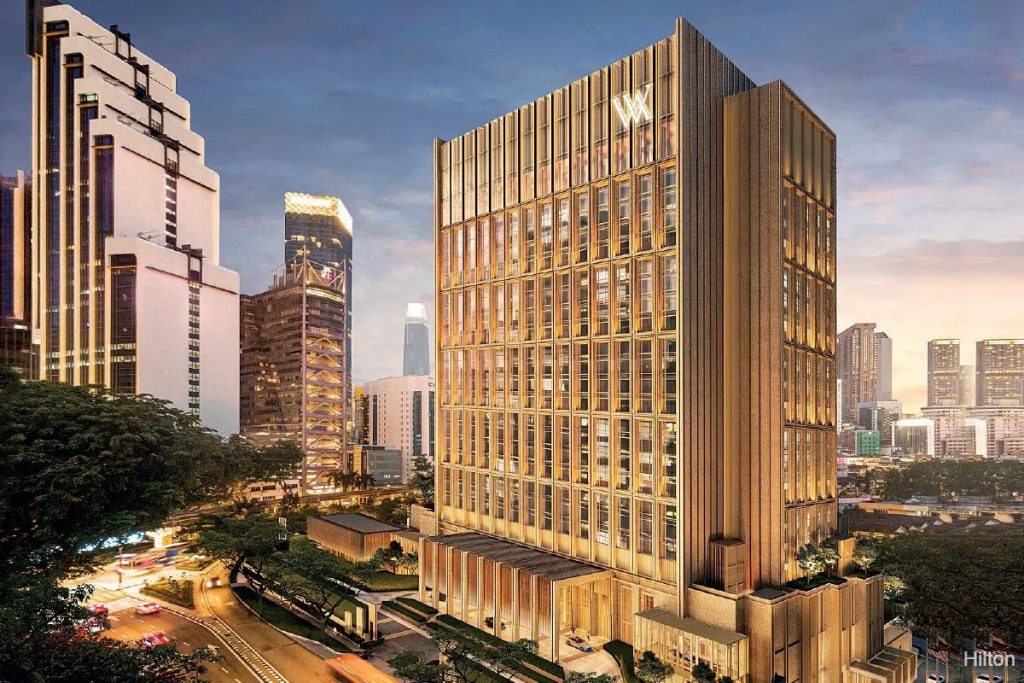
Kuala Lumpur is set to welcome two of Hilton’s most prestigious luxury brands before the end of 2026, with both properties occupying prominent sites in the Golden Triangle and bringing distinctly different interpretations of high-end hospitality to the city.
The openings of Waldorf Astoria Kuala Lumpur and Conrad Kuala Lumpur will mark the first Malaysian properties for both brands, giving Hilton a significant new presence at the top end of the capital’s hotel market. Hilton currently operates 26 properties in Malaysia, with another eight in its pipeline, and says the country is already its second-largest market in Southeast Asia by portfolio size.
The two hotels are also notable for their locations and histories. Waldorf Astoria is rising from the former Hotel Istana site on Jalan Raja Chulan, while Conrad is part of the redevelopment of the former Malaysia Airlines headquarters site on Jalan Sultan Ismail.
The Waldorf Astoria occupies the 2.92-acre Hotel Istana site, which closed in September 2021 after nearly three decades. Tradewinds signed a management agreement with Hilton in 2022, and the former hotel is being transformed into an all-suite property.
The latest plans call for 268 suites, ranging from 80 sq m to the 745 sq m Waldorf Astoria Suite. Hilton describes the project as a contemporary reimagining of an iconic Kuala Lumpur address, retaining elements of the original building while incorporating Malaysian cultural references. Reservations are already open, although Hilton is currently accepting bookings from January 3, 2027, suggesting that the hotel’s physical opening will fall late in 2026.
The original grand lobby will remain a signature feature, while Peacock Alley, Waldorf Astoria’s famous lounge and bar, will incorporate high ceilings, stone columns, and songket-inspired detailing. A collaboration with the Islamic Arts Museum Malaysia will bring curated works into the property, including an Art Deco-inspired Waldorf Astoria Clock based on astrolabes from the museum’s collection.
Food and beverage will be a major part of the offering. The hotel will feature seven dining concepts, including Istana, contemporary interpretations of Malaysian cuisine, and three concepts overseen by Michelin-starred chef Jean-Georges Vongerichten: The Bar by JG, JG KL, and abc kitchens KL. Other outlets include modern Indian restaurant Yaari, by Michelin-starred chef Garima Arora, and music-focused cocktail bar Coda.
Wellness facilities will span more than 2,200 sq m, with the Waldorf Astoria Spa offering steam rooms, a mineral salt sauna, hydrotherapy baths, and an Oriental hammam. The property will also feature an outdoor pool, fitness facilities, yoga pavilion, and extensive meeting and event space anchored by a pillarless Grand Ballroom.
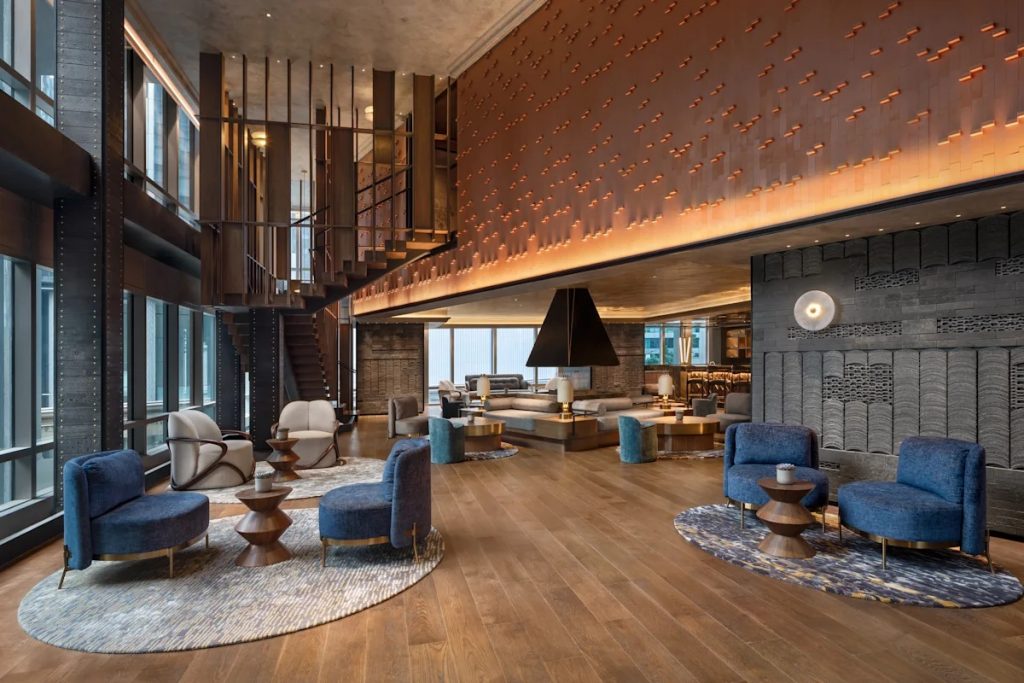
Across town, Conrad Kuala Lumpur will occupy a newly constructed 50-storey tower within PNB’s mixed-use development on the former Malaysia Airlines headquarters site. The adjacent 35-storey Bangunan MAS has been retained and converted into Menara 1194, with the two structures connected by a six-storey podium and central light court.
The hotel will have 481 rooms and suites, with the largest Conrad Suites reaching 220 sq m. Its interiors by Singapore-based LTW Designworks draw on Kuala Lumpur’s tin-mining heritage through earthy tones, mineral textures, and metallic finishes, alongside more than 30 works of art.
Its six planned dining concepts include China Blue by Jereme Leung, Japanese teppanyaki restaurant Gami by Michelin-starred chef Junichi Yoshida, all-day dining venue Tiga, Hibiscus Pantry, Kiri Lounge, and Charter 47, a speakeasy referencing Malaya Air’s first charter flight in 1947.
Conrad will also offer a gemstone-inspired spa, saltwater infinity pool, 24-hour fitness center, Reformer Pilates studio, yoga room, and 4,131 sq m of event space.
Hilton sees the two properties as complementary rather than competing propositions. Waldorf Astoria represents the group’s pinnacle luxury brand, while Conrad offers a younger, more contemporary interpretation. Both are now accepting reservations for stays beginning in 2027, reinforcing their position as two of Kuala Lumpur’s most closely watched hotel openings of the year.
MALAYSIA AIRLINES REPORTEDLY NEARS BOEING 787-10 ORDER

Malaysia Airlines could be preparing to return Boeing aircraft to its long-haul fleet, with its parent company, Malaysia Aviation Group (MAG), reportedly closing in on an order for around 10 Boeing 787-10 Dreamliners.
People familiar with the discussions say Boeing has emerged ahead of Airbus after offering earlier delivery slots, beginning in 2031. Engine considerations may also have helped swing the decision, with GE Aviation reportedly offering more favourable terms than Rolls-Royce, whose engines power the Airbus aircraft under consideration.
The proposed 787-10s would replace Malaysia Airlines’ seven leased Airbus A350s, which the carrier has been looking to phase out because of their relatively high lease costs. The new aircraft would also provide additional capacity for future growth.
The deal could carry political significance as well. US President Donald Trump has repeatedly linked major Boeing orders to trade agreements, and Trump and Prime Minister Anwar Ibrahim announced last year that Malaysia would purchase 30 Boeing aircraft, with options for another 30.
Neither MAG nor the two aircraft manufacturers immediately commented on the reported discussions.
A Boeing order would mark a notable shift for Malaysia Airlines, which has relied exclusively on Airbus widebody aircraft since retiring its Boeing 777s. The carrier currently operates older A330s alongside A350s, while a major order for 40 Airbus A330neos is progressively replacing its oldest aircraft. Ten of those A330neos have already been delivered.
Malaysia Airlines’ fleet currently numbers around 90 aircraft, including 57 Boeing 737 single-aisle jets, meaning a return to Boeing widebodies would give the national carrier a mixed-manufacturer long-haul fleet once again.
SHERATON PETALING JAYA APPOINTS NEW GENERAL MANAGER
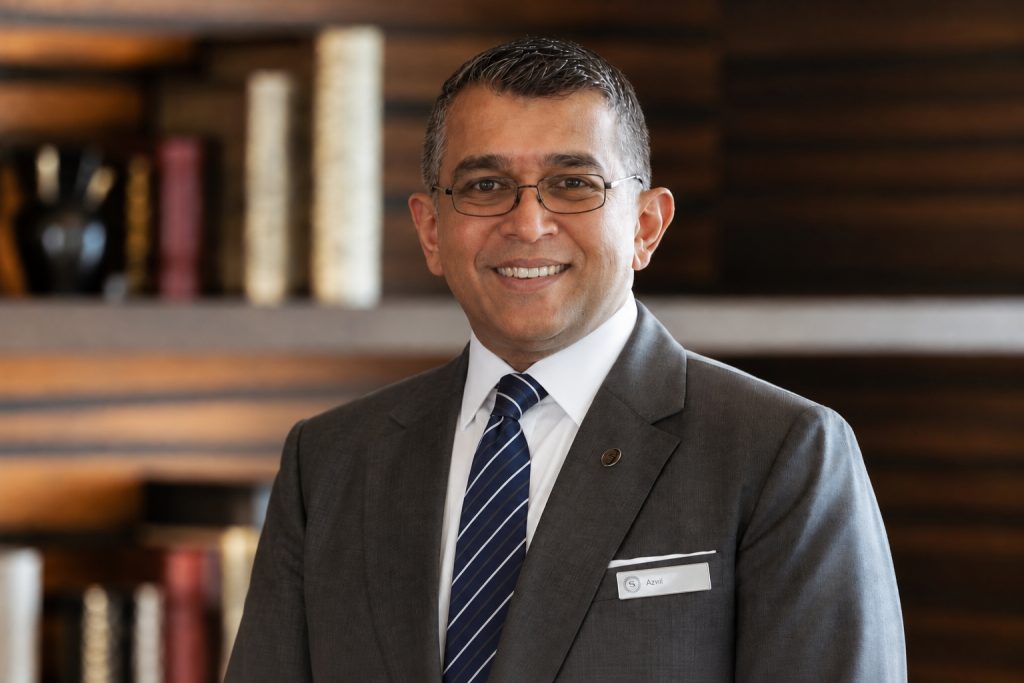
Sheraton Petaling Jaya Hotel has appointed Azvil Aziz as its new general manager, effective September 1, 2026, bringing more than three decades of hospitality experience across Malaysia, Thailand, and Indonesia to the Petaling Jaya property.
Azvil joins from Impiana KLCC Hotel, where he most recently served as general manager. His career has encompassed hotel operations, sales and marketing, business development, and multi-property management, with a focus on operational performance and team development.
He is known for an approachable leadership style and a people-focused management philosophy, emphasizing collaboration, empowerment, and a strong sense of belonging among hotel associates. His approach is built around the belief that engaged and valued teams are fundamental to delivering a welcoming guest experience.
Azvil takes the helm as Sheraton Petaling Jaya prepares to mark its ninth anniversary next month. Since opening, the hotel has established itself as a venue for business travel, dining, events, and weddings, while also playing an active role in the wider Petaling Jaya community.
His appointment comes as the hotel enters its next chapter, with Azvil set to lead its operations while continuing to build on its position as a hospitality hub for the local community and visitors to Petaling Jaya.
MAHB EXPECTS FOUR INTERNATIONAL AIRLINES TO START OR RESUME SERVICE IN KLIA
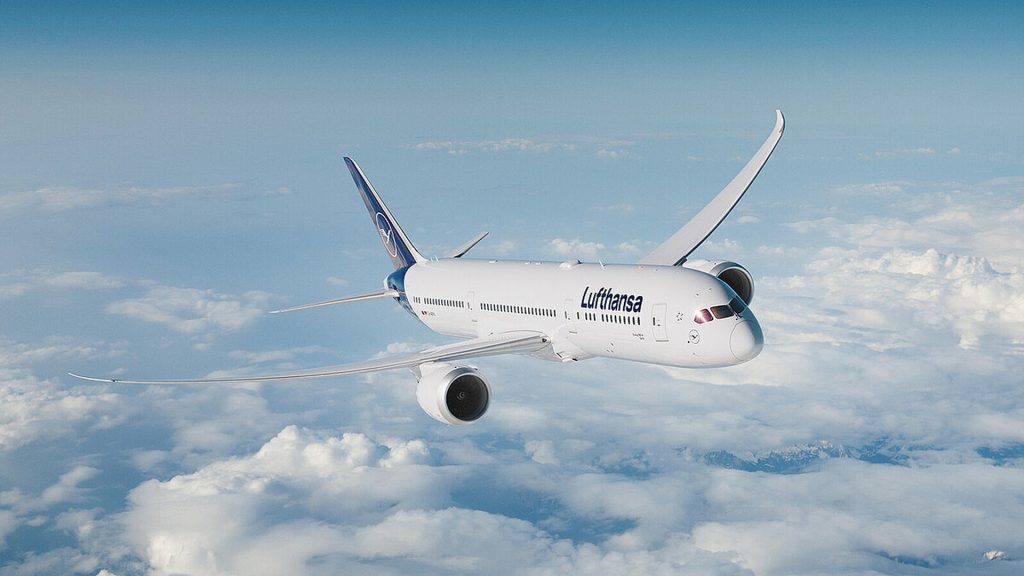
Malaysia Airports Holdings Bhd (MAHB) expects four international airlines to begin or resume operations in Kuala Lumpur by the end of the year, further strengthening the capital’s position as a regional aviation hub.
MAHB managing director Datuk Mohd Izani Ghani said the new services would include the return of German carrier Lufthansa to Kuala Lumpur International Airport (KLIA) Terminal 1 in October, with three additional international airlines expected to follow.
“In terms of connectivity, we have many new airlines coming (to Kuala Lumpur) this year. For example, Lufthansa Airlines is coming to Kuala Lumpur International Airport (KLIA) Terminal 1 in October, so we are excited about it,” he told Bernama. “(Including Lufthansa), we are expecting four (international) airlines from now until the end of the year. We will announce (the details of the airlines) soon.”
Mohd Izani said MAHB remained mindful of external factors, including uncertain weather and geopolitical developments, while maintaining its focus on keeping air connectivity operating. The crisis in West Asia had affected traffic, he said, but July figures showed an improvement.
“We continue to promote Malaysia. As you know, the crisis in West Asia did have some impact, but based on our numbers in July, (air traffic) has improved,” he said.
MAHB recorded 51 million passenger movements across its Malaysian airport network during the first half of financial year 2026, up 1.8% year-on-year, with sustained international demand offsetting weaker domestic traffic.
KLIA NAMED WORLD’S MOST CONNECTED LOW-COST AIRPORT FOR SECOND YEAR
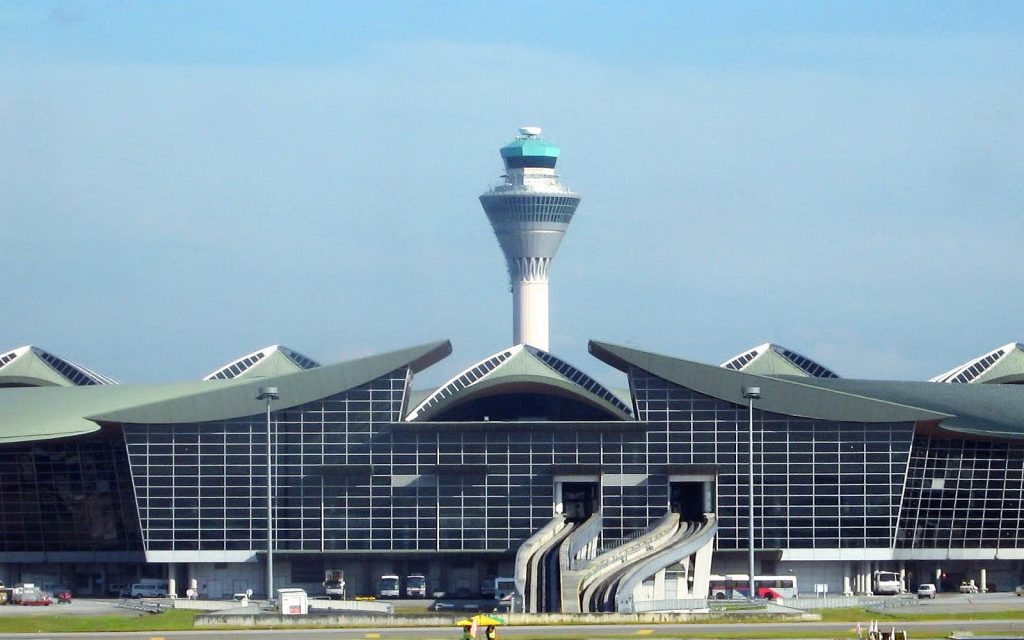
Kuala Lumpur International Airport has retained its title as the world’s most connected airport for low-cost carrier flights, according to British aviation analytics firm OAG.
KLIA topped OAG’s ranking of the world’s 25 best-connected airports for low-cost carriers, offering almost 15,000 possible low-cost connections across 154 destinations. Low-cost airlines account for 44% of the airport’s total capacity, with AirAsia by far the largest operator, accounting for around 34% of flights.
The ranking measures the breadth of connections available through an airport’s low-cost carrier network, rather than simply passenger numbers or the number of destinations served. For travellers, a strong low-cost hub can translate into more airlines, routes, and potential itineraries, particularly for regional and short-haul journeys.
KLIA’s position also reflects the continuing importance of Malaysia’s aviation hub to Southeast Asia’s budget travel market. The airport, the region’s largest by land area, handled 36.7 million passengers during the first seven months of this year, an increase of 3.4% year-on-year, with demand boosted by summer travel from Europe, the Middle East, and across Asia.
South Korea’s Incheon International Airport ranked second, followed by Istanbul Sabiha Gökçen, Barcelona-El Prat, and Singapore Changi. The result further underlines KLIA’s role as a major low-cost gateway, with AirAsia’s extensive network helping connect Malaysia with destinations across the region and beyond.