


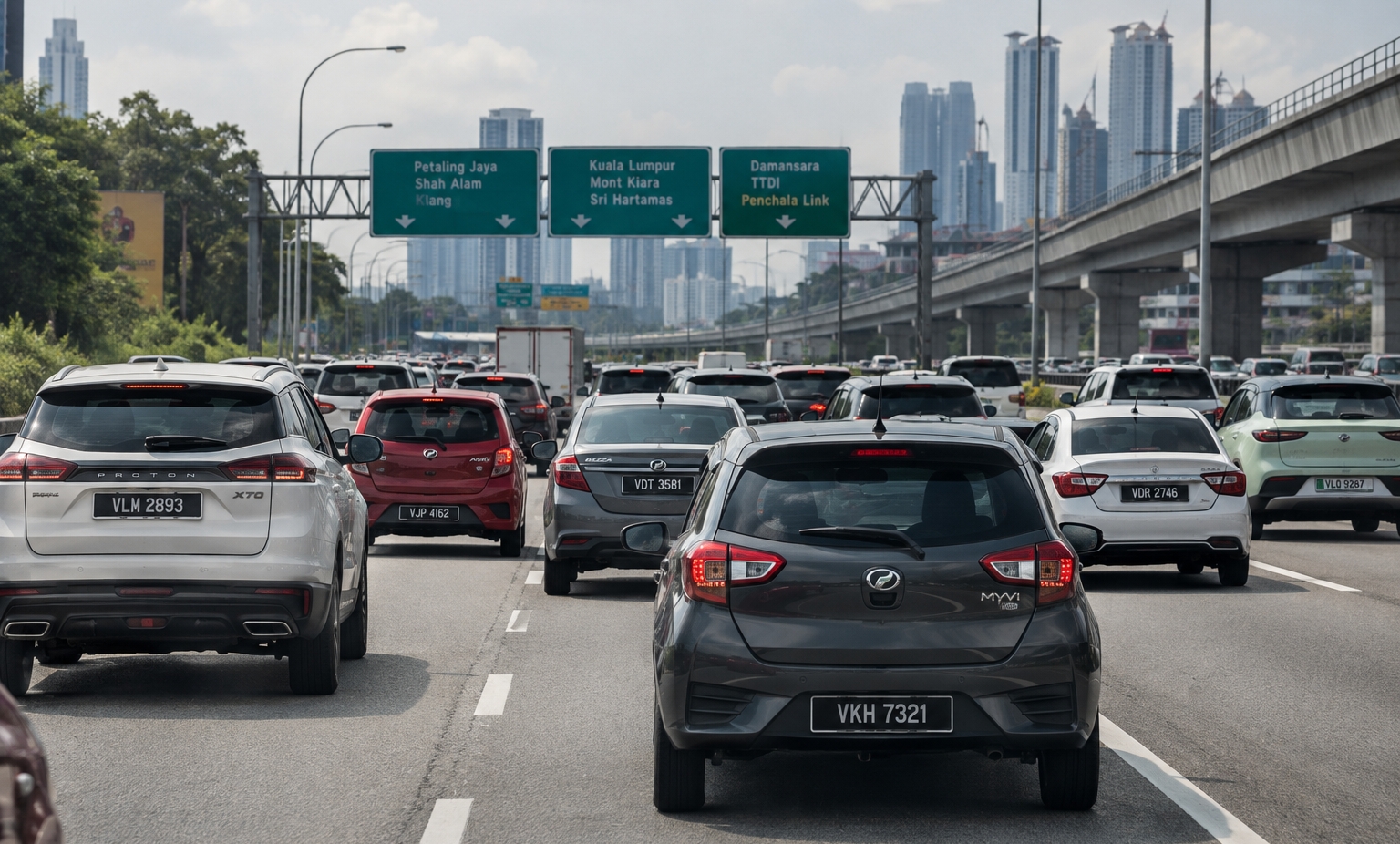
Malaysia may look like a serious automotive powerhouse when considered from inside the country, but global production figures tell a different story. China now builds more vehicles than the next five countries combined, while Malaysia barely cracks the world’s top 20.
Here in Malaysia, where it sometimes seems that every third car on the road is a Perodua Myvi and half of all the others are local cars as well, it is easy to get the impression that the country is a major player in the world of automobile manufacturing.
And, to be fair, Malaysia does have a respectable and successful automotive industry. Proton and Perodua are both household names here in the country, foreign manufacturers have been assembling vehicles in Malaysia for decades, and a substantial network of component suppliers and automotive-related industries has grown here over the past three decades.
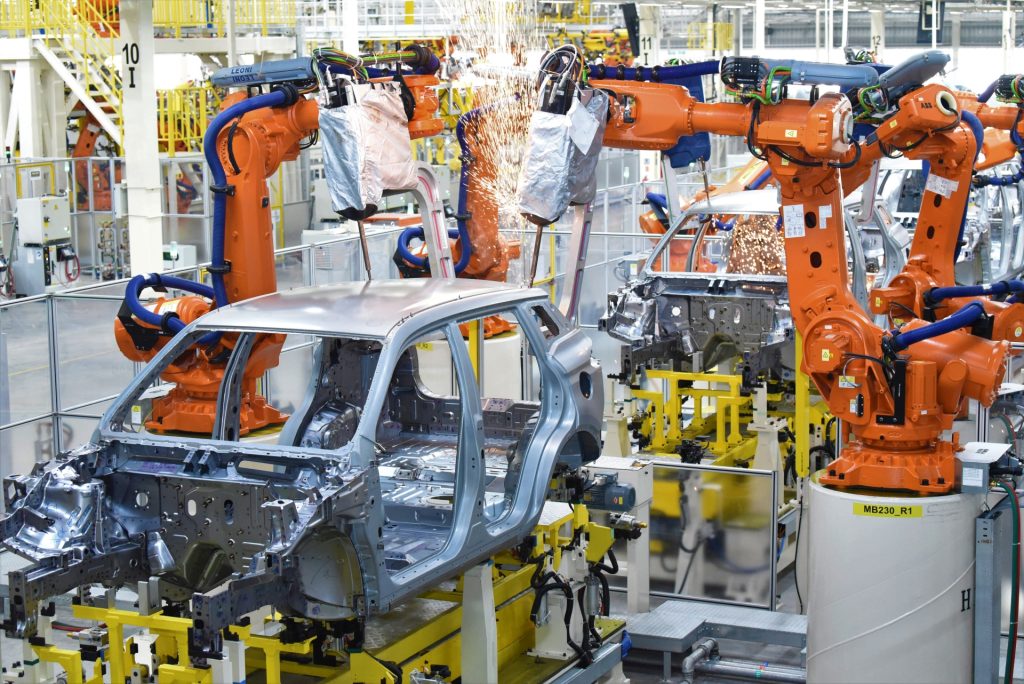
But step back from the Klang Valley traffic jam and look at the global numbers, and the picture changes dramatically.
Malaysia produced about 748,000 vehicles in 2025, according to the latest figures from the International Organization of Motor Vehicle Manufacturers (OICA). That puts it 19th in the world – well behind the countries you’d expect, such as China, Germany, the United Kingdom, South Korea, Japan, and the United States. But Malaysia is also far behind some more surprising countries, too, like Slovakia, Brazil, Spain, and Czechia.
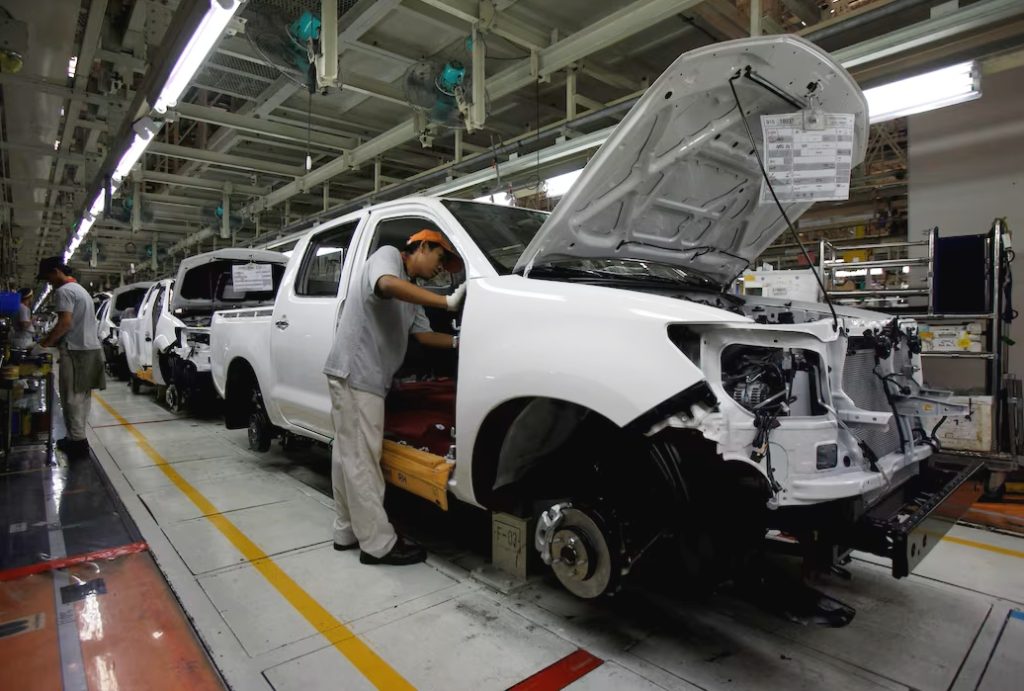
Even within Southeast Asia, Malaysia is not the regional leader. Thailand produced around 1.46 million vehicles in 2025, while Indonesia turned out about 1.15 million. Malaysia’s output puts it third in the region. Vietnam and the Philippines also have vehicle production industries, though much smaller than the “big three” in ASEAN.
And then there’s China.
World’s Top 20 Vehicle Producers, 2025
Vehicle production by country, with annual change from the previous year
| Rank | Country | Vehicles Produced | Annual Change |
|---|---|---|---|
| 1 | 🇨🇳China | 34,530,738 | +10.4% |
| 2 | 🇺🇸U.S. | 10,243,844 | −2.6% |
| 3 | 🇯🇵Japan | 8,410,232 | +2.1% |
| 4 | 🇮🇳India | 6,490,810 | +7.9% |
| 5 | 🇩🇪Germany | 4,148,836 | +2.0% |
| 6 | 🇰🇷South Korea | 4,102,200 | −0.6% |
| 7 | 🇲🇽Mexico | 4,092,448 | −2.6% |
| 8 | 🇧🇷Brazil | 2,644,054 | +3.5% |
| 9 | 🇪🇸Spain | 2,274,026 | −4.3% |
| 10 | 🇫🇷France | 1,463,991 | +7.8% |
| 11 | 🇹🇭Thailand | 1,455,569 | −0.9% |
| 12 | 🇨🇿Czechia | 1,452,776 | −0.4% |
| 13 | 🇹🇷Turkey | 1,419,464 | +4.0% |
| 14 | 🇨🇦Canada | 1,237,075 | −7.6% |
| 15 | 🇮🇩Indonesia | 1,147,600 | −4.1% |
| 16 | 🇸🇰Slovakia | 1,070,000 | +7.8% |
| 17 | 🇷🇺Russia | 853,897 | −12.8% |
| 18 | 🇬🇧United Kingdom | 764,715 | −15.5% |
| 19 | 🇲🇾Malaysia | 747,780 | −5.4% |
| 20 | 🇵🇱Poland | 628,276 | −4.0% |
CHINA IS PLAYING A DIFFERENT GAME
The world’s automotive manufacturing map has changed enormously over the past two decades, and nowhere is that more obvious than China.
China produced a staggering 34.53 million vehicles in 2025, up 10.4 percent from the previous year and enough to extend its remarkable 17-year run as the world’s largest vehicle-producing nation. Global production as a whole reached 96.4 million vehicles, meaning China alone accounted for around 36 percent of everything built worldwide.
Even more extraordinary, China’s production exceeded the combined output of the next five countries – the United States, Japan, India, Germany, and South Korea – by more than one million vehicles.
The numbers are genuinely difficult to really comprehend. On average, China produced 3,942 vehicles every hour, or more than 65 vehicles per minute in 2025, setting a historic new record. China built more vehicles in a year than the United States, Japan, and India combined… and then kept going.
To put that growth another way, in a single year, China added more than 3.2 million vehicles to its already-enormous production tally. What it tacked on merely as a function of growth was more than four times Malaysia’s entire annual output.
India is the other major car manufacturing story. It produced almost 6.5 million vehicles in 2025, making it the world’s fourth-largest carmaker, with an enormous domestic market helping to support the industry. Japan remained in third place with 8.41 million vehicles, while the United States produced 10.24 million.
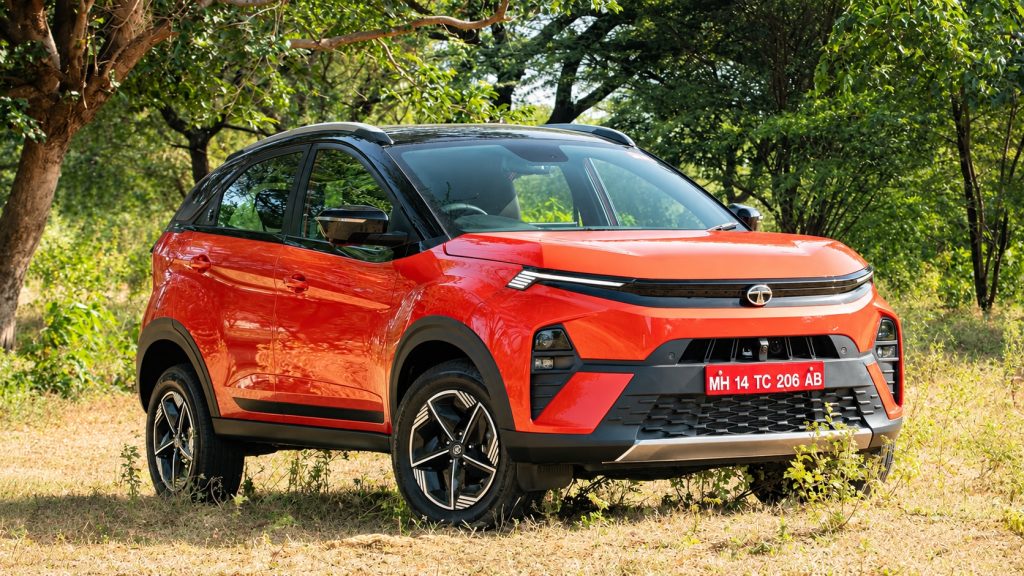
China’s advantage, however, is no longer simply about making an awful lot of conventional cars very efficiently.
The country has spent years building enormous manufacturing capacity around electric vehicles, batteries, components, and related technologies. OICA says China’s new-energy vehicle production reached 16.6 million units in 2025, up 29 percent. That industrial ecosystem gives Chinese manufacturers advantages in scale, supply chains, battery technology, and costs to consumers that are increasingly difficult for competitors to ignore.
CHINA’S EV GROWTH FUELS A BACKLASH
The growing competitiveness of Chinese EVs has not gone unnoticed in Malaysia, either. After four years of encouraging imported EVs with tax and duty exemptions, the government pulled in the welcome mat it had previously rolled out – at least somewhat – when those incentives expired at the end of 2025. Then, from July 1, 2026, a new policy said that fully imported EVs must have a minimum CIF value of RM200,000 and at least 180kW of power, effectively squeezing many affordable Chinese models out of the market or pushing them into a much higher price bracket. The stated aim is to encourage local assembly and give Proton, Perodua, and Malaysia’s wider automotive ecosystem time to develop.
Critics, however, have accused the government of reviving an old habit – protecting national carmakers at the expense of consumers, who now face fewer choices and higher prices. The criticism has been particularly vocal online, although the economic argument is naturally more complex: supporters point to jobs, local parts manufacturing, technology transfer, and the need to build a viable domestic EV industry rather than simply opening the gates to imported vehicles. Even so, it is hard to miss the underlying message: China’s ability to produce increasingly capable EVs at such competitive prices has become disruptive enough that Malaysia felt the need to put up a little protective barrier around its own automotive industry.
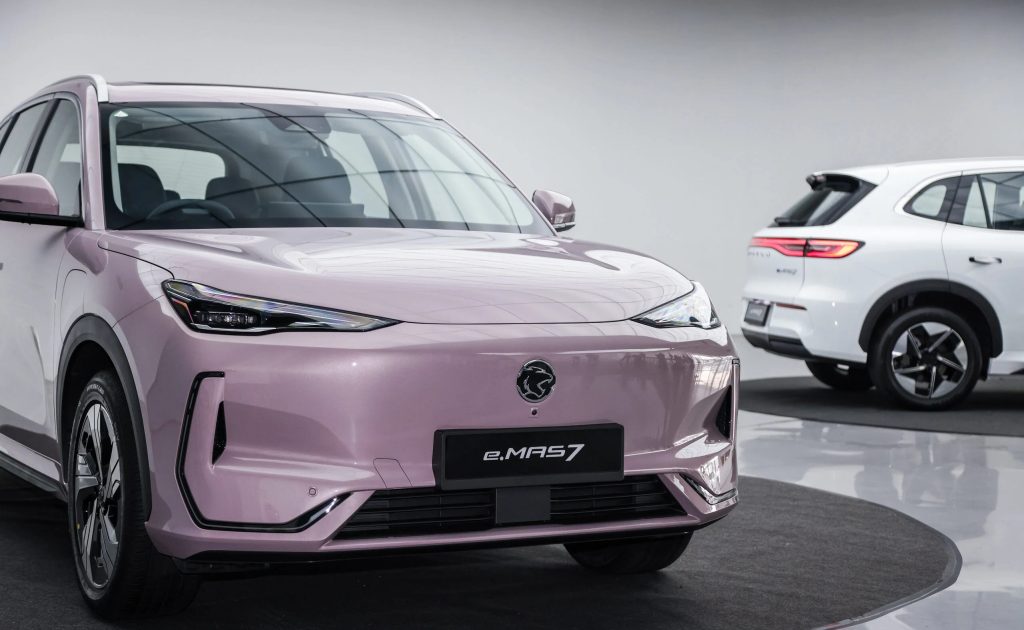
Proton, in fact, has taken advantage of that breathing room and moved quickly to establish its own EV manufacturing base. Its RM82 million dedicated EV plant at Tanjung Malim broke ground in February 2025 and was already producing vehicles by September, an unusually rapid seven-month construction and commissioning programme. The facility initially had capacity for 20,000 vehicles a year, but strong demand for the e.MAS range has prompted Proton to commit another RM37 million to expand that capacity to 42,000 units.
In China, though, the sheer scale of the booming industry is on an entirely different level – and that helps to explain the competitive pricing. EV factories are themselves industrial monsters, capable of producing hundreds of thousands of vehicles a year. Spread the cost of automation and robotics, tooling, logistics, research, and other infrastructure across that kind of volume, and the economics become compelling.
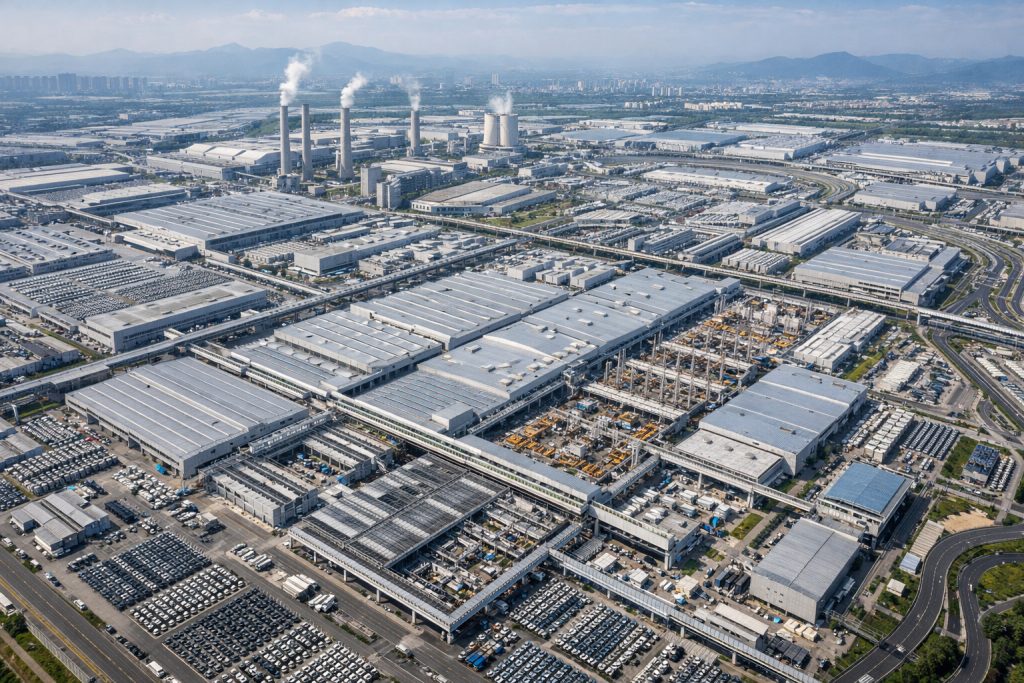
The size and scope of BYD’s megafactory complex in Zhengzhou almost defies belief. The greater industrial development reportedly sprawls across a mind-numbing 130 sq km, which is more than half the size of Kuala Lumpur, and employs some 57,000 people. The Zhengzhou complex integrates stamping, welding, painting, final assembly, batteries, electric motors, power electronics, and numerous other components, allowing the massive company to manufacture roughly 75% of the components for its EVs internally. Recent reporting describes it as a vertically integrated EV manufacturing operation, with production capacity of roughly one vehicle per minute.
The scale is almost absurd by Malaysian standards. Even BYD’s actual vehicle production plant itself is enormous in size, a mind-bending 10.67 sq km – roughly two-thirds the size of the entire Cheras constituency in Kuala Lumpur. Imagine covering most of Cheras with one factory! The plant is so big, in fact, it has 12 different BYD model assembly lines running simultaneously.
BYD’s massive complex isn’t just impressive in size; it represents a major shift from a standard car factory to a totally self-contained, vertically integrated industrial ecosystem. But it’s still hard to overstate the size! If measuring by the total land controlled by a single car manufacturer for a single manufacturing hub, BYD Zhengzhou is truly unparalleled anywhere in the world at anytime in automotive history.
And BYD is just one company – albeit the largest by far – in China’s highly competitive EV industry.
The consequences of this massive scale are now being felt well beyond China’s borders. Chinese automakers are exporting increasing numbers of vehicles, particularly electric models, while companies such as BYD are establishing production facilities overseas to get closer to major markets and avoid some of the tariffs and trade barriers confronting Chinese-built cars.
That is one reason the global automotive industry is no longer simply a contest between the traditional giants of Detroit, Tokyo, Stuttgart, and Seoul. China has become a manufacturing force in its own right, and increasingly a force in automotive technology and branding as well.
North America, meanwhile, had a somewhat less encouraging 2025. Vehicle production fell across the United States, Mexico, and Canada, with combined output declining by about 3.1 percent. The three countries remain deeply integrated into a single automotive manufacturing ecosystem, however, with components sometimes crossing national borders several times before a finished vehicle leaves the assembly line.
That makes the region particularly sensitive to tariffs, trade restrictions, and changes in supply-chain costs. A car assembled in Mexico might contain parts manufactured in the United States and Canada, while suppliers on both sides of the borders depend on production schedules at factories somewhere else in the region.
Viewed through that admittedly complex lens, Malaysia’s automotive industry is actually doing quite well in its own context. Producing nearly three-quarters of a million vehicles a year is hardly insignificant, particularly for a country of Malaysia’s size.
But it is worth keeping some perspective the next time you’re caught up in a jam of Myvis, Proton X50s, and other locally assembled vehicles.
Malaysia may be good at building plenty of cars to suit the domestic market. But it’s still a pretty small player on the global stage. And China? Well, they’re churning out vehicles on an entirely different scale, and redefinining the whole industry in the process.
Sources: International Organization of Motor Vehicle Manufacturers (OICA); Malaysia’s Ministry of Investment, Trade and Industry (MITI); Proton; BYD; Paul Tan’s Automotive News; Visual Capitalist; Malay Mail; Kuala Lumpur City Hall (DBKL); and supporting industry reports on BYD’s Zhengzhou manufacturing complex.