

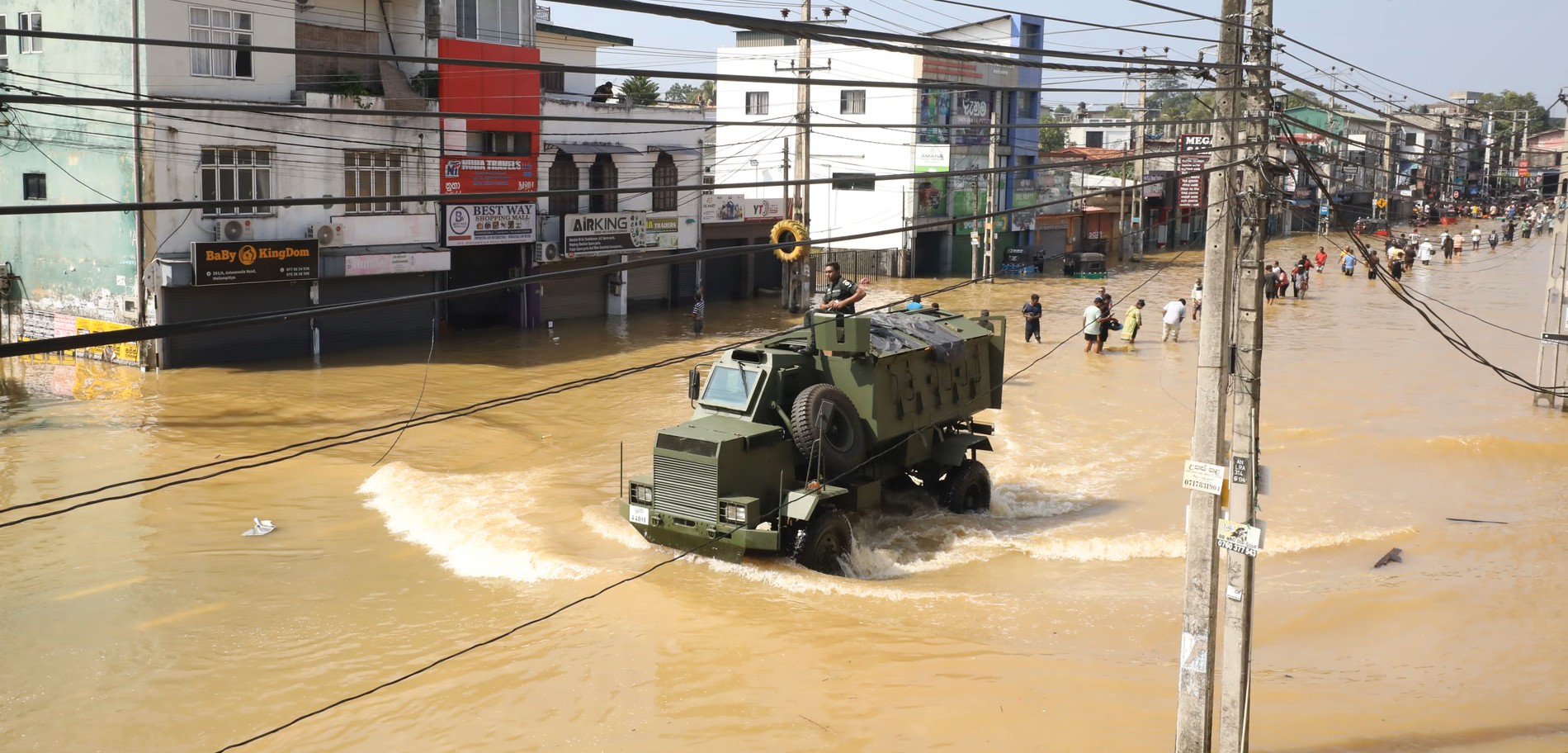
A rare cyclone in the Malacca Strait and related storms have unleashed torrents across Indonesia, Thailand, Malaysia and Sri Lanka, triggering floods, landslides and massive displacement. As rescue efforts roll out, the scale of devastation offers a sobering look at how vulnerable the region remains to extreme weather.
Heavy rainfall over the past week has erupted into one of the deadliest weather catastrophes of the decade for Southeast Asia. Storm systems — including an unusual tropical cyclone forming over the Malacca Strait — triggered flooding and landslides that ravaged parts of Indonesia’s Sumatra island, battered southern Thailand, and pushed floodwaters across northern Malaysian states. On top of that, a separate cyclone hit Sri Lanka, compounding distress across South and Southeast Asia.
The death toll, already over 900, is still climbing. Authorities in Indonesia have confirmed hundreds dead, with many more missing; southern Thailand has seen major loss of life and widespread displacement; Malaysia reports casualties and tens of thousands evacuated; and Sri Lanka is reeling from its own storm-related damages. Entire communities have been uprooted, homes and infrastructure destroyed, and normal delivery of aid complicated by damaged roads and flooded terrain.
FROM SUMATRA TO SONGKHLA: HORROR IN FLOODWATERS
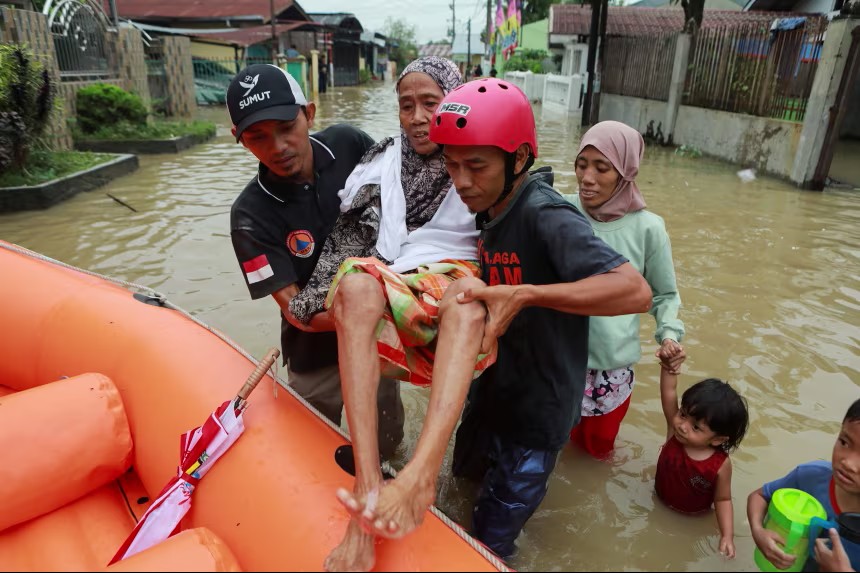
On Sumatra, what began as intense monsoon rain escalated into full-blown disaster after the arrival of a rare cyclone. Provinces in the north and west were smashed by floods and landslides as rivers burst their banks and mudslides buried entire villages. Officials now report hundreds dead, hundreds more missing, and thousands displaced, with countless homes, roads and bridges destroyed.
Residents who survived recall waking up to raging water, homes collapsing, and mud flooding the rooms they once called safe. In remote areas where roads have been swallowed by debris and slippery slopes have collapsed, rescue teams struggle to reach survivors. Helicopters, rubber boats, and military convoys have been deployed, but many communities remain isolated. Some survivors, desperate for food and water, turned to looting before aid arrived, underlining the grim urgency of the crisis.
The scale of destruction has, in many areas, overwhelmed local authorities. Entire neighbourhoods are now flat fields of mud and wreckage, electric power and communications are cut, and access to medical care remains difficult at best. Meanwhile, officials warn dangerously saturated slopes could trigger further landslides.
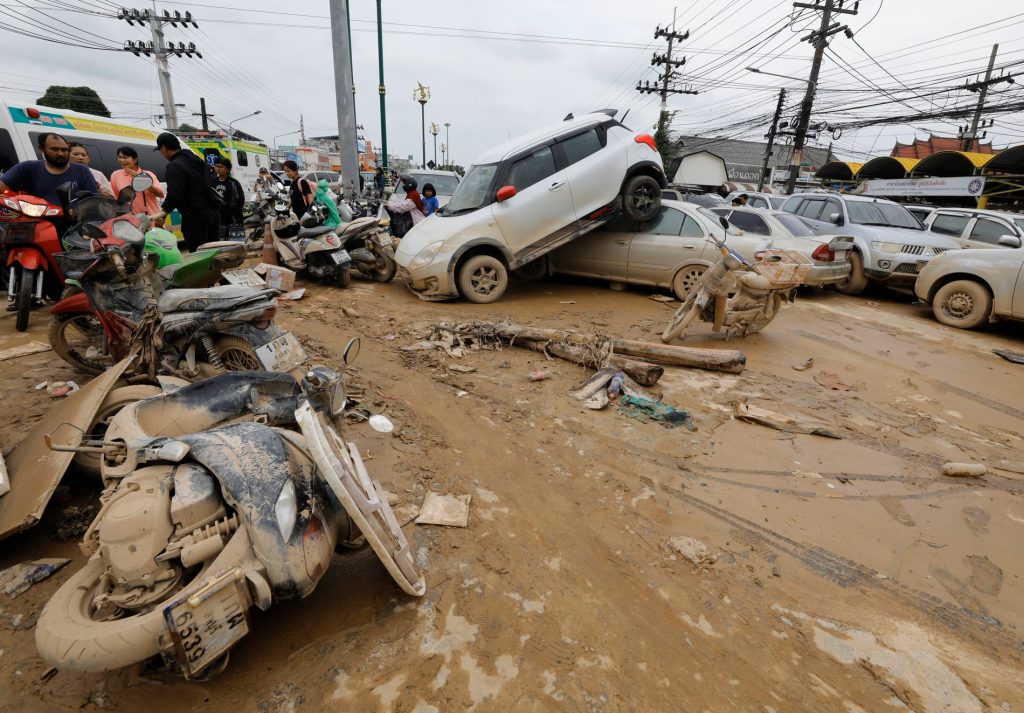
Meanwhile, southern Thailand — particularly the province of Songkhla and its popular commercial hub Hat Yai — was hammered by the same system. The city recorded levels of rainfall not seen in 300 years, flooding streets, homes, and hospitals, all while cutting access to essential services.
In one neighbourhood, a family of eight spent 48 hours trapped on the second floor of their home, perched atop furniture, waiting for the waters to recede. Many others were forced to crowd into makeshift shelters or cling to rooftops as floodwaters rose. Authorities declared an emergency and mobilized military helicopters, boats, and convoys to carry out water rescues, deliver oxygen supplies, and evacuate elderly or ill residents.
In Hat Yai alone, thousands of lives were disrupted. Hospitals were overwhelmed, morgues filled over capacity, and supply chains were disrupted. The government has announced a compensation package for affected households, yet many residents say the problem goes beyond what money can quickly remedy — lives, livelihoods, and entire communities have been destroyed.
ACROSS BORDERS: SHARED CRISIS IN MALAYSIA AND SRI LANKA
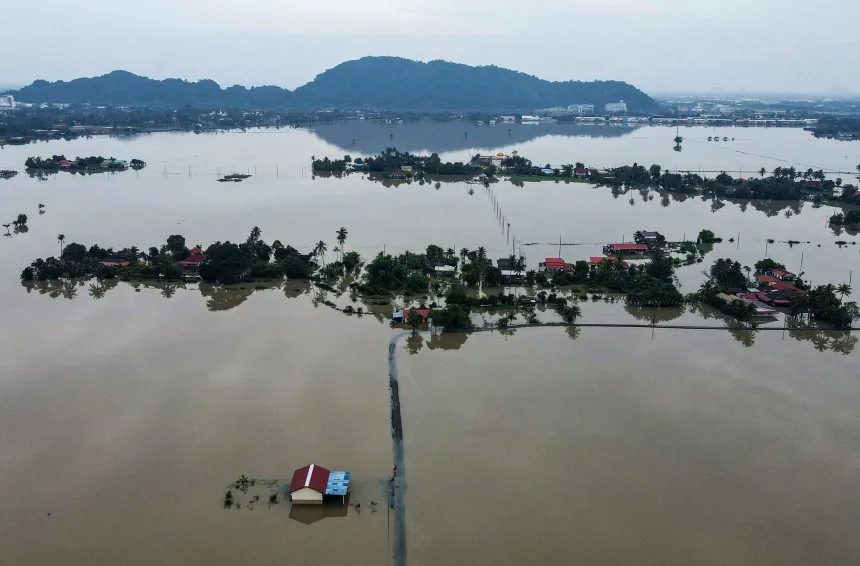
In northern Malaysia, several states suffered heavy flooding as the tropical storm crossed the Peninsula. Thousands of residents in Perlis, Kedah, Kelantan, and Penang were forced to flee their homes. Local authorities opened dozens of temporary shelters, but many families say the transition has only begun — with homes destroyed, road access blocked, and livelihoods badly impacted. Two deaths have been confirmed so far, though news reports say that many still fear for missing relatives and friends trapped in remote, waterlogged areas.
Among the evacuees is an elderly couple who were stranded in flooded fields, forced to wait until rescue teams arrived. Their story reflects that of hundreds of thousands across the region: ordinary people caught off guard by a storm of unprecedented scale. Late-year monsoon rains are common and expected in the region, and localized flooding seems to happen in most years… but nothing that matches this vast scale of destruction.
Meanwhile, in Sri Lanka, a separate cyclone brought mudslides, river flooding, and widespread damage. More than 330 people have died, with thousands of homes destroyed and hundreds of thousands of people displaced. Entire suburbs near the capital remain under water, houses reduced to empty shells, and scores of families now sheltering in temporary camps. Residents recount frantic evacuations with little notice and no chance to salvage belongings.
Thousands of volunteers and aid workers are scrambling to provide food, clean water, medicine, and shelter. At one mosque, volunteers prepared rice parcels with curry to feed relocated flood victims. But the scale of need is immense, and the risk of disease outbreaks, homelessness, and long-term displacement still looms large.
CLIMATE, CHAOS, AND WHAT COMES NEXT
Meteorologists warn that this catastrophe may be a harbinger rather than an aberration. The rare formation of a tropical cyclone over the Malacca Strait — a region not accustomed to such storms — suggests shifting climatic patterns. Warmer seas, saturated air, and altered monsoon dynamics are creating conditions ripe for extreme weather events.
Regions across Southeast Asia are watching as rivers swell, landslide risk grows, and coastal communities brace for further storms. Climate scientists caution that what was once rare may become increasingly common. They argue that shrinking seasonal buffers, rising seas, and deforestation are amplifying the impact of storms and rainfall.
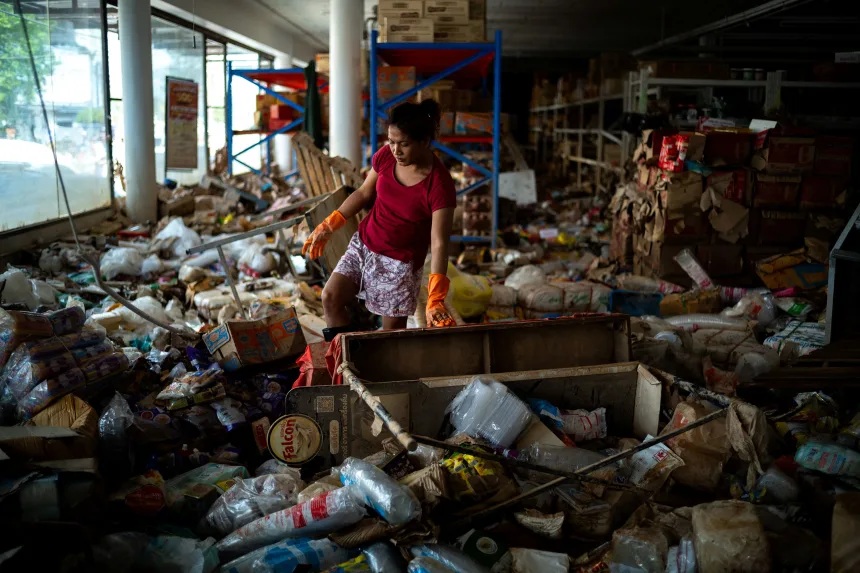
For many survivors, the near-term priority is relief: shelter, clean water, food, medical care, reconnecting families and restoring basic services. Governments have started damage assessments, infrastructure repairs, and compensation schemes. But rebuilding homes, roads, and community life will likely take months — if not years.
In areas hit hardest, the disaster will become a trauma etched into collective memory. Children out of school, livelihoods destroyed, towns without electricity or clean water, and vulnerable people stranded for days. The social and economic consequences will ripple long after the waters recede.
Families in Malaysia and Thailand whose homes once stood firm are now confronting the reality of permanent change. In Sumatra and other parts of Indonesia, entire villages may need to be relocated if landslide risk remains high. In Sri Lanka, rebuilding thousands of homes — many destroyed beyond repair — is only the first step in what looks to be a generational recovery.
Sources: Reuters, Channel News Asia, Sky News, The Jakarta Post, The Straits Times, CNN.