

Stay up to date with the latest in the travel and hospitality industry, from airline launches and route expansions to new trends and transportation developments shaping the way we explore the world.
This is the February 2026 edition of Airline and Travel News.
BATIK AIR INTRODUCES FIXED FARES AND EXTRA FLIGHTS FOR CHINESE NEW YEAR TRAVEL
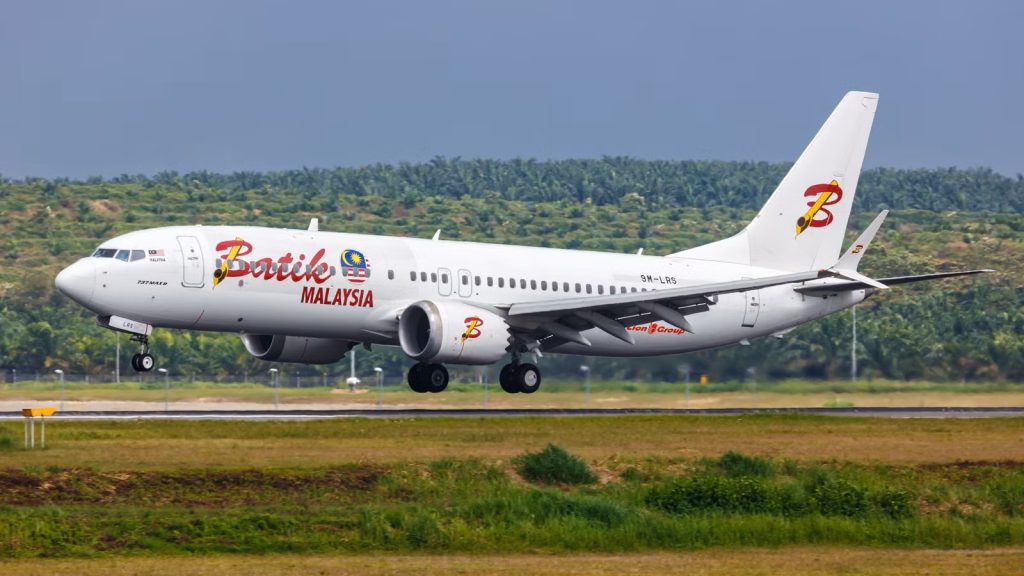
Batik Air has rolled out a fixed-fare initiative ahead of the Chinese New Year travel peak, aiming to provide greater price certainty and additional capacity during one of Malaysia’s busiest travel periods.
Launched under the banner “Fixed Fares for Your Reunion”, the campaign offers predetermined one-way fares on selected domestic routes, allowing passengers to plan festive journeys without the volatility typically associated with last-minute bookings. The initiative reflects growing pressure on airlines to balance affordability and reliability during peak seasons, particularly for travel to and from East Malaysia.
Under the promotion, fixed one-way fares from Kuala Lumpur or Subang to Kuching start from RM318, while flights to Kota Kinabalu are priced from RM378. The booking window is open until February 13, 2026, with travel valid between February 13 and 16, coinciding with the main festive movement period.
To further ease congestion, Batik Air has added extra flights from Johor Bahru to Penang between February 12 and 14, and to Sibu from February 13 to 15. One-way fares on these additional services start from RM388 to Penang and RM588 to Sibu, providing more options for travellers heading north or east during the holiday period.
The initiative has been welcomed by the Ministry of Transport, which noted that predictable pricing and increased capacity play an important role in maintaining social and economic connectivity during festive peaks, particularly for Sabah and Sarawak.
Beyond the festive campaign, Batik Air has also introduced a year-round “Batik Student Fare” programme, offering discounted travel for students and educators. The move signals a longer-term focus on supporting mobility beyond seasonal demand, positioning the airline as a more consistent player in Malaysia’s domestic travel ecosystem.
For details and booking, visit batikair.com.my.
AIRASIA’S DIRECT KL–PATTAYA FLIGHTS PUT THAILAND’S EASTERN SEABOARD IN EASY REACH

Having commenced in 2024, AirAsia’s direct flights between Kuala Lumpur and Pattaya may no longer be new, but they have quietly become one of the more practical additions to the airline’s Thailand network. Operating three times weekly, the route delivers nonstop access from Malaysia to Thailand’s eastern Gulf coast, eliminating the need for transfers via Bangkok for travellers bound for Pattaya and its surrounding resort areas.
The service forms part of AirAsia Malaysia’s broader rebuild of its Thailand operations, which now span multiple gateways from Kuala Lumpur, Johor Bahru, and Penang. Pattaya joins a growing list of Thai destinations served nonstop by the airline, alongside Bangkok (Don Mueang and Suvarnabhumi), Phuket, Krabi, Chiang Mai, Hat Yai, and others. For Malaysian travellers, the route offers a straightforward alternative to Bangkok-focused itineraries, particularly for shorter leisure breaks. With short, direct flights and a well-established tourism infrastructure, Pattaya is a terrific choice for weekend getaways from KL.
Indeed, Pattaya itself continues to evolve beyond its long-held party-town reputation. While nightlife surely remains part of its appeal, the city has diversified significantly in recent years. Koh Larn, just a short ferry ride offshore, draws visitors with clear waters and white-sand beaches, while family-friendly attractions such as Nong Nooch Tropical Garden, water parks, and cultural shows have broadened its audience. Golf resorts, marinas, and an expanding dining scene have also helped reposition Pattaya as a more rounded coastal destination.
The city’s proximity to Bangkok – roughly a two-hour drive – has long made it popular with domestic travellers, but direct international flights enhance its appeal for regional visitors who prefer to bypass Thailand’s busiest airports. Prior to the pandemic, demand on the Kuala Lumpur–Pattaya route was strong, and current loads suggest the market has regained momentum.
For AirAsia, the route reinforces its strategy of linking Malaysia directly to secondary Thai cities, supporting tourism flows while offering travellers more choice. For passengers, it is a reminder that Pattaya remains one of Thailand’s most accessible beach cities – now once again just a direct flight away.
For booking and more details, visit airasia.com.
THAI AIRWAYS INTRODUCES A321neo TO REBUILD REGIONAL NETWORK
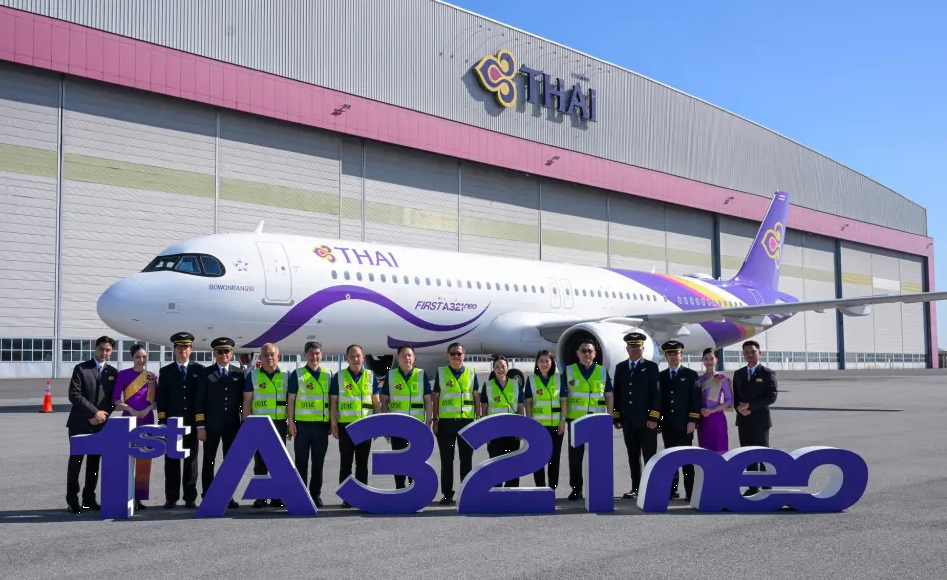
Thai Airways has begun deploying its new Airbus A321neo on regional routes, signalling a more deliberate phase in its post-pandemic recovery as it rebuilds frequencies, restores secondary destinations, and reinforces Bangkok’s role as a key Asia-to-Asia hub.
The first A321neo entered commercial service this week on the Bangkok–Singapore route, traditionally served by widebody aircraft. The inaugural flight operated as a regular scheduled service and recorded strong demand, with business class close to full and economy averaging around 85 per cent occupancy, according to the airline.
Rather than a cost-cutting move, the A321neo represents a shift in how Thai Airways is rebuilding its short- and medium-haul network. Configured with 16 fully lie-flat business class seats in a 1–1 layout, the aircraft features large in-flight entertainment screens, Bluetooth audio connectivity, Wi-Fi capability, and upgraded overhead bins across all cabins. Economy class benefits from slimmer, more ergonomic seats, allowing for improved legroom and larger personal screens.
The A321neo delivers around 20% lower CO₂ emissions than earlier-generation narrowbodies and is certified to operate with up to 50% sustainable aviation fuel. It will be deployed primarily across Asia, including China, India, Southeast Asia, and selected domestic routes, with Beijing representing its longest planned sector at just under five hours.
Crucially, the aircraft enables Thai Airways to restore routes suspended during the pandemic, particularly to secondary Chinese cities, while adding frequencies in growth markets such as India and Malaysia. China services are set to increase from 47 to 81 weekly flights, while India will grow from 75 to 91 weekly flights.
The A321neo forms part of a broader fleet simplification programme, supporting Thai Airways’ strategy to rebuild intelligently, improve connectivity, and maintain a consistent full-service product across its network.
To learn more, visit thaiairways.com.
GRAND MERCURE KUALA LUMPUR OPENS IN BUKIT BINTANG
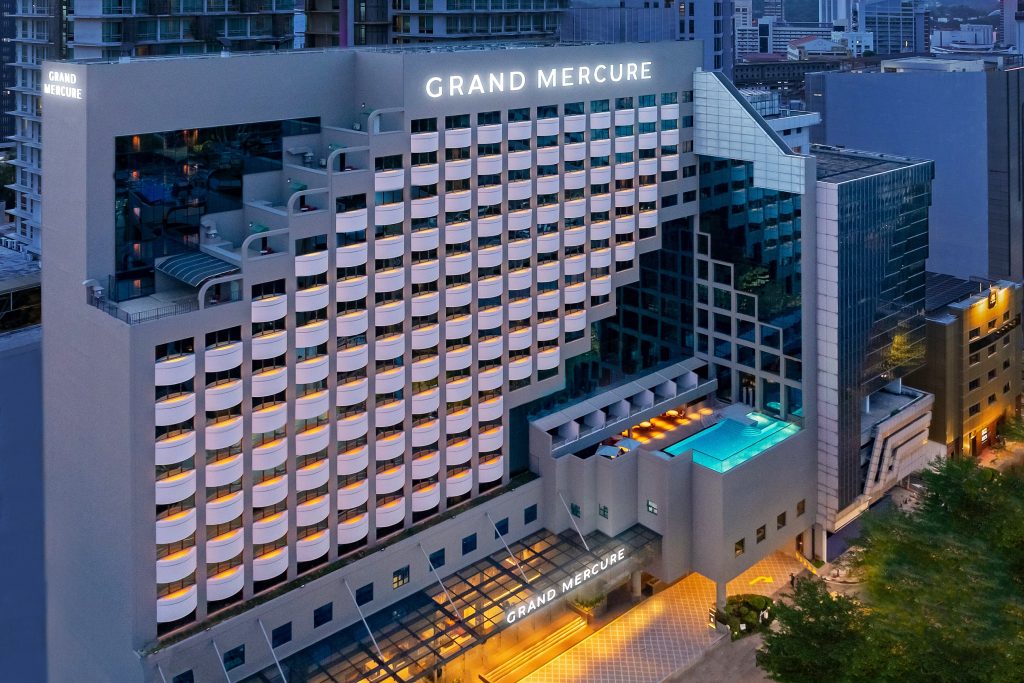
The Grand Mercure Kuala Lumpur Bukit Bintang recently hosted its official opening ceremony. The redevelopment of the former Swiss-Garden property formally marks the debut of the Grand Mercure brand in the Malaysian capital. The opening was officiated by Mohd Amirul Rizal Bin Abdul Rahim, Director General for Tourism Malaysia.
With 325 rooms, the Grand Mercure embraces local culture and offers guests an experience that awakens the senses, making each visit an adventure of exploration and connection to the destination. The property is located between the dynamic energy of Bukit Bintang and the cultural richness of Chinatown. Details reflect local heritage, from thoughtfully designed rooms and locally inspired dining to versatile event spaces, including a pillarless grand ballroom.
Grand Mercure Hotels and Resorts celebrate the richness of local cultures through elevated stays that blend tradition, elegance, and authenticity. Rooted in the soul of each destination, every Grand Mercure experience awakens the senses and honours regional heritage. From curated rituals and timeless flavours to artful storytelling and warm human connection. The new property brings together international standards with the distinct spirit of its location. Grand Mercure operates over 80 properties in ten countries and is part of Accor, a global hospitality group with over 5,700 properties in 110 countries.
For further details, visit all.accor.com.
ETHIOPIAN AIRLINES DEEPENS LONG-HAUL STRATEGY WITH ADDITIONAL BOEING 787-9 ORDER
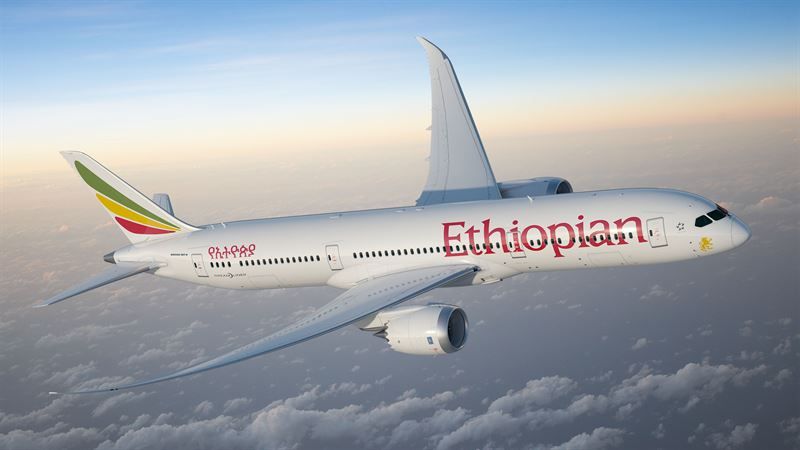
Ethiopian Airlines has confirmed an order for nine additional Boeing 787-9 Dreamliners, reinforcing its long-term fleet and network strategy as it continues to expand international and intra-African connectivity.
The aircraft, scheduled for delivery between 2031 and 2033, will support the airline’s plans to grow capacity on long-haul and high-demand routes while maintaining a strong focus on operating efficiency. The order follows Ethiopian Airlines’ earlier commitment for 11 Boeing 737 MAX aircraft announced at the Dubai Airshow, bringing its total recent Boeing purchases to 20 aircraft, all finalised in December 2025.
With this latest agreement, Ethiopian Airlines’ total number of Boeing 787-9s on order now stands at 20. The type plays a central role in the airline’s widebody fleet strategy, complementing its existing 787-8 and 787-9 operations across Europe, Asia, North America, and key markets within Africa.
As Africa’s largest operator of the Dreamliner family, Ethiopian Airlines has used the 787 platform to open long, thin routes while balancing passenger comfort with lower fuel burn and reduced emissions compared to previous-generation widebodies. The aircraft’s range and payload flexibility have been particularly well suited to the carrier’s hub-and-spoke model from Addis Ababa.
Beyond fleet expansion, Ethiopian Airlines is pursuing broader infrastructure development to support future growth. This includes the Bishoftu International Mega Airport City project, intended to significantly increase capacity and strengthen Ethiopia’s role as a major aviation gateway for the continent.
Together, the additional 787-9s, recent narrowbody commitments, and ongoing airport development underline Ethiopian Airlines’ intention to maintain scale, resilience, and global relevance well into the next decade.
For more information, visit ethiopianairlines.com.
KIMPTON MAKES ITS MALAYSIAN DEBUT AT THE HEART OF TRX

Kimpton Naluria Kuala Lumpur opens in the capital’s newest business and lifestyle district, bringing the brand’s design-led, guest-focused approach to Malaysia for the first time.
Kimpton, part of IHG Hotels and Resorts’ luxury and lifestyle portfolio, has officially entered the Malaysian market with the opening of Kimpton Naluria Kuala Lumpur. The 26-storey hotel is located within the Tun Razak Exchange (TRX), Kuala Lumpur’s emerging commercial and retail hub, and is owned by LQ Hotel Sdn Bhd, a joint venture between Lendlease and TRX City Sdn Bhd.
Founded in San Francisco in 1981, Kimpton has built its reputation on boutique-style hotels that prioritise distinctive design, relaxed service, and a strong sense of place. Kimpton Naluria Kuala Lumpur reflects that ethos through interiors that draw inspiration from Malaysia’s natural landscapes, particularly its rainforests. Designed by international studio Hassell, the hotel follows a “Botanics Beyond Aesthetics” concept, blending organic textures, forest tones, and contemporary forms across public spaces and guestrooms.
The hotel offers 466 rooms and suites, many with views of Merdeka 118, KL Tower, and the wider city skyline. Interiors combine sculptural surfaces, abstract artwork, and bold tilework, with locally themed minibar items and premium bath amenities adding a regional touch.
Beyond accommodation, the hotel places a strong emphasis on social and wellness experiences. Signature Kimpton features include daily hosted morning refreshments, evening social hours, in-room yoga mats, and complimentary bicycles. The rooftop fitness facilities include instructor-led classes and outdoor training spaces, while a dedicated events venue, The Connection Hub, is scheduled to open in early 2026.
Kimpton Naluria Kuala Lumpur joins a growing list of Kimpton openings across Europe, the Middle East, and Asia, signalling the brand’s continued expansion in key urban markets.
Visit kimptonhotels/kualalumpur for more information.
PHILIPPINE AIRLINES SETS COURSE FOR 2026 WITH NEW AIRCRAFT AND REGIONAL EXPANSION
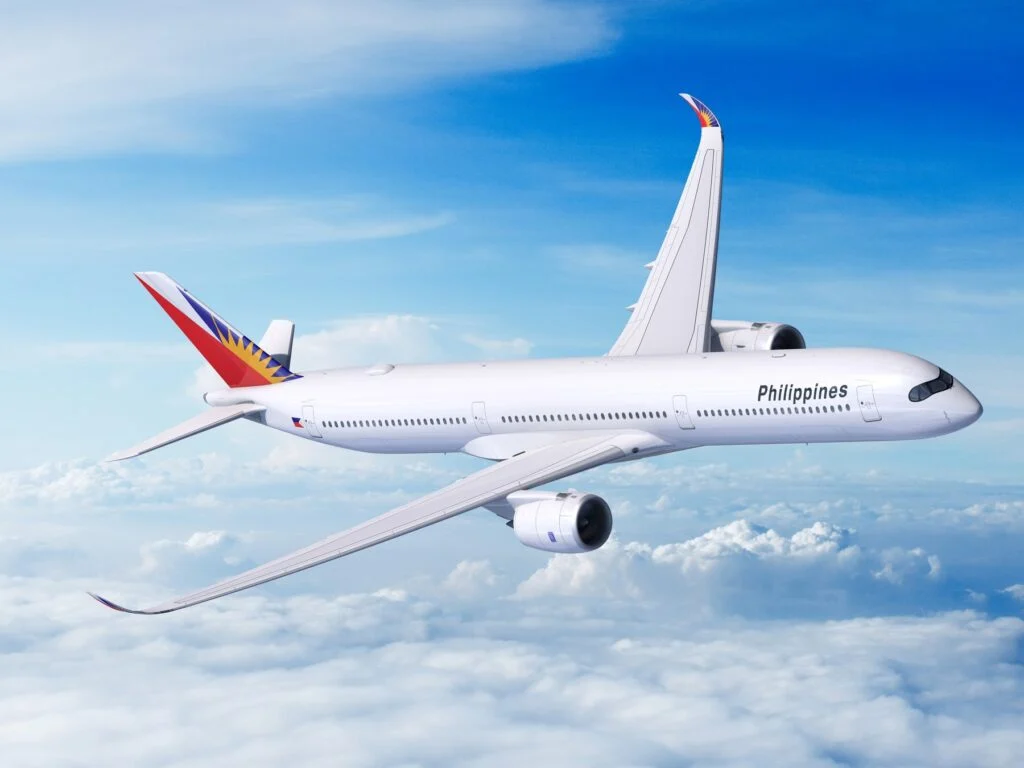
As airlines reassess capacity and network priorities for the year ahead, Philippine Airlines (PAL) enters 2026 with clearer momentum across both long-haul and regional operations. The delivery of its first Airbus A350-1000 at the close of 2025 is now translating into concrete fleet and network planning, positioning the carrier for a more competitive phase of growth.
The A350-1000 is the largest and longest-range aircraft in PAL’s fleet to date, configured in a three-class layout with 382 seats. This includes 42 lie-flat business class seats in a 1–2–1 arrangement, 24 premium economy seats, and 316 economy seats. Nine aircraft of the type are scheduled to join the fleet progressively, with a primary focus on trans-Pacific services as demand across North America continues to strengthen.
Beyond capacity, the aircraft plays a central role in PAL’s widebody modernisation strategy, supporting improved operating efficiency, reliability, and passenger comfort on the airline’s longest routes. It will complement existing A350-900 operations to New York JFK, Seattle, Los Angeles, and Vancouver, while providing flexibility for future expansion across the United States and Canada. Like all A350 variants, the aircraft is certified to operate with up to 50 percent sustainable aviation fuel.
On the regional front, PAL has also launched a new nonstop service between Cebu and Guam, operating three times weekly using Airbus A321 aircraft. The route strengthens international connectivity from Central Visayas without requiring a Manila transfer, aligning with a broader push to expand point-to-point access from secondary cities.
With a fleet of 82 aircraft, Philippine Airlines enters the year with greater balance between scale and flexibility. Early 2026 marks a shift away from recovery mode, towards more selective, confidence-led growth across its core markets.
For more details, visit philippineairlines.com.
STARLUX AIRLINES WELCOMES ITS FIRST A350-1000 AS LONG-HAUL AMBITIONS TAKE SHAPE
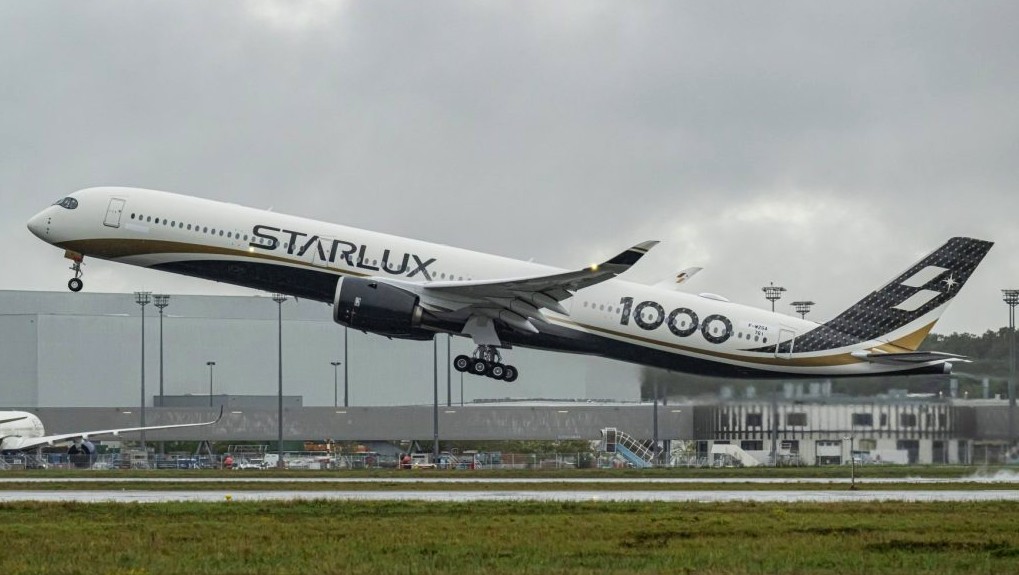
Starlux Airlines has taken delivery of its first Airbus A350-1000, becoming the 11th airline worldwide to operate the largest member of the A350 family. The aircraft is the first of 18 on order and represents a significant step in the Taiwanese carrier’s long-haul expansion, with entry into commercial service scheduled for February.
The arrival builds on Starlux’s existing widebody operations, which currently include 10 A350-900s flying from Taipei to major North American destinations, alongside selected Asia-Pacific routes. With the A350-1000 now in the fleet, the airline has also confirmed its intention to launch European services in the coming phase of network growth.
To mark the milestone, Starlux has unveiled a refreshed livery for the new aircraft, incorporating a carbon-fibre-inspired motif that reflects the advanced composite materials used in the A350’s construction. A prominent “1000” on the fuselage highlights the aircraft’s flagship status within the fleet.
The A350-1000 integrates into Starlux’s all-Airbus lineup, which also includes the A321neo for short- and medium-haul routes and the A330neo for regional and medium-haul services. Configured with 350 seats across four cabin classes, the aircraft offers increased capacity compared to the A350-900, driven primarily by the addition of 14 business class seats and 30 economy seats. The layout retains first class, business class, premium economy, and economy cabins.
With a range of up to 9,700 miles, the A350-1000 supports Starlux’s expansion across North America and into Europe. Airbus cites a 25 percent improvement in fuel burn, operating costs, and carbon dioxide emissions over previous-generation widebodies, with certification for up to 50 percent sustainable aviation fuel.
Following this delivery, Starlux’s fleet now stands at 30 aircraft, with a further five A350-1000s scheduled to arrive this year.
To learn more, visit starlux.com.