
Electric vehicles are no longer a rarity on Malaysian roads. With fresh model launches, better pricing, stronger warranties, and a charging network that’s finally expanding at both scale and pace, the market is noticeably shifting from curiosity to conviction.
It wasn’t that all that long ago that spotting an electric vehicle on a Malaysian highway felt faintly novel. They really stood out – flush handles, futuristic styling, no exhaust tips. You noticed it. You pointed it out. You may have even wondered how far it could really go.
Well, that’s not really the case anymore.
Today, EVs are simply another part of the daily traffic mix, threading through Petaling Jaya congestion, gliding silently along the North-South Expressway, and queuing at school pick-up lanes from Subang to Mont Kiara. The shift from early adopter enthusiasm to mainstream consideration has been swift – and, in many ways, inevitable.
Fuel prices fluctuate (and subsidy rationalization has an impact, too). Maintenance costs climb while environmental awareness inches upward. Meanwhile, manufacturers have flooded the Malaysian market with options across a widening range of price brackets. What was once a thin catalogue has become a crowded showroom.
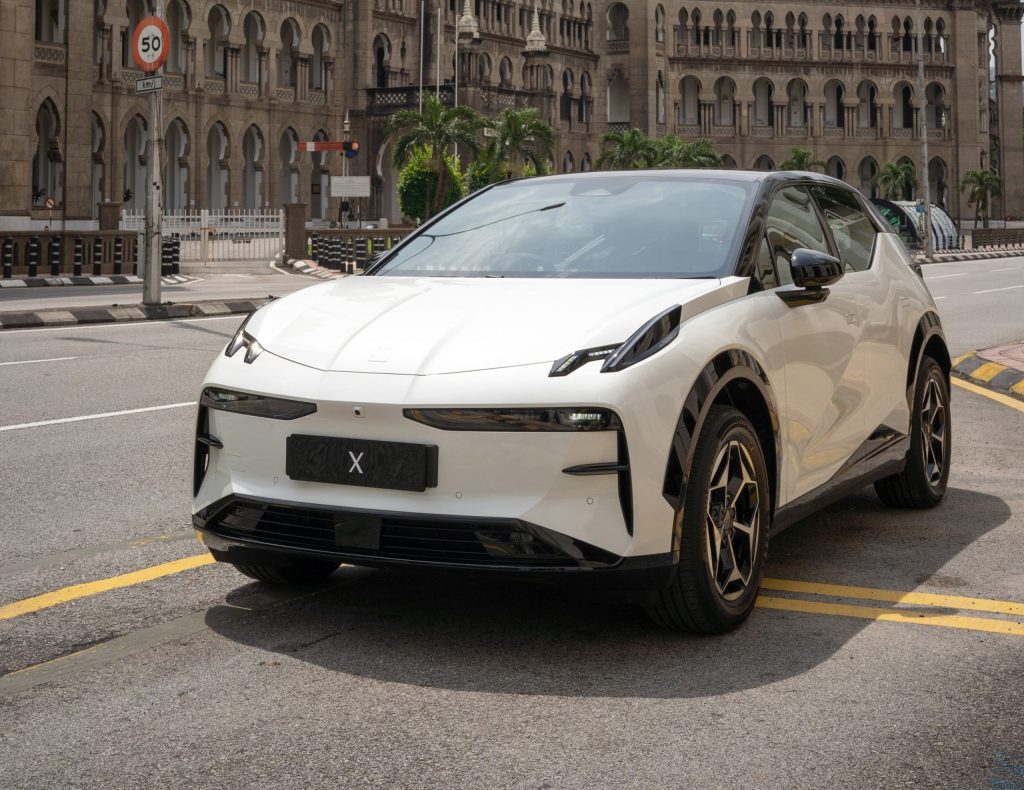
Drivers in Malaysia can now choose among at least 15 brands offering fully electric vehicles. Dedicated EV players such as BYD, Zeekr, Jaecoo, and Tesla compete alongside legacy marques including BMW, Mercedes-Benz, Volvo, and Hyundai. Local names Proton and Perodua have also made their electric intentions clear, with the former in particular enjoying excellent early reception among the car-buying public in Malaysia. This is no longer a fringe segment; the EV market is a battleground.
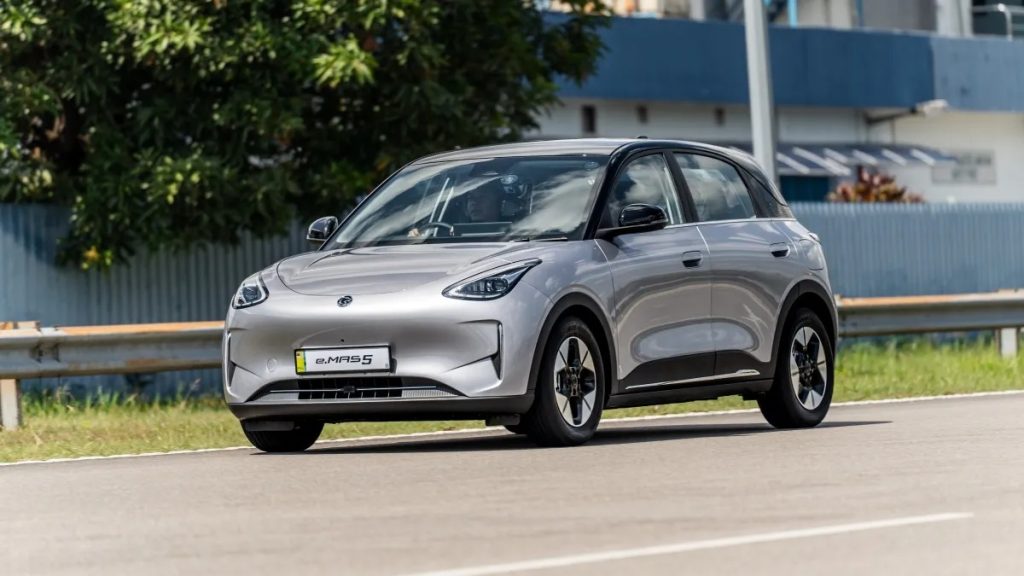
Based on publicly available information, the BYD and Zeekr brands have been at or near the top of the Malaysian market for months, but a more recent surge by Proton, with its affordable new e.MAS 5 driving impressive sales figures, has seen the local carmaker vault to the top, with the entry-level EV recording a whopping 3,000 units delivered in January 2026 alone, nearly half of all new EV registrations in Malaysia for the month.
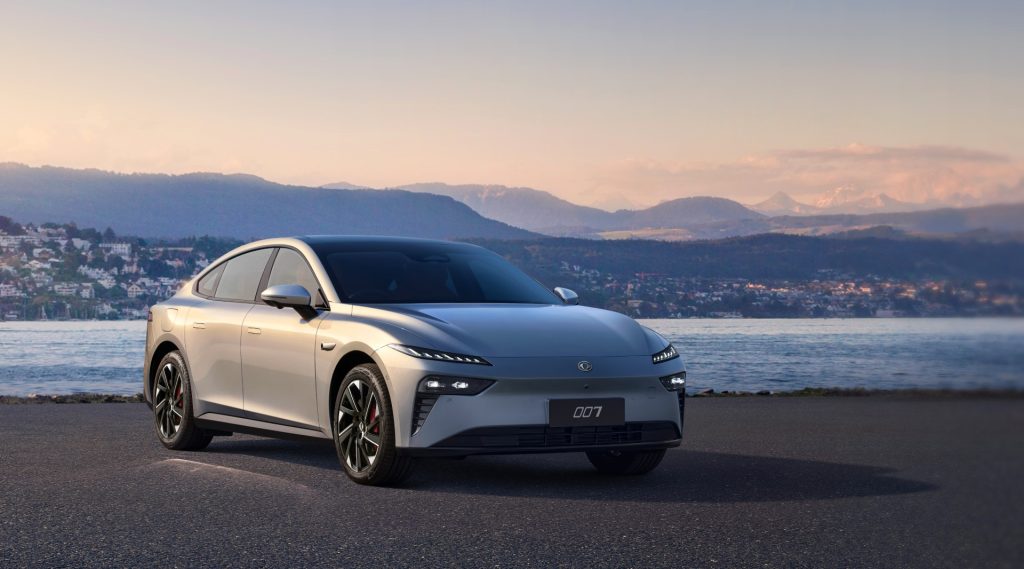
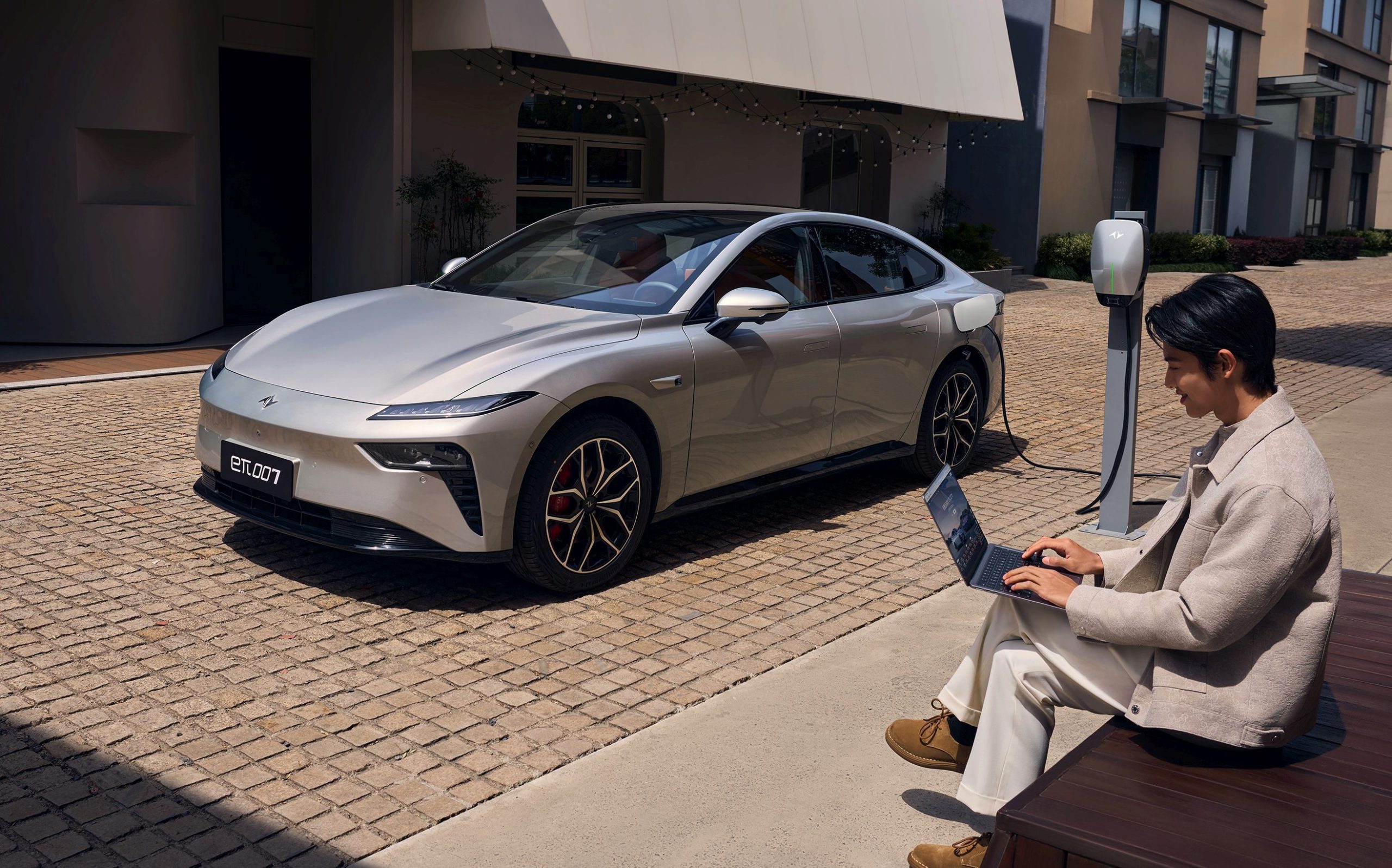
But that dominance may not last long, for into this increasingly competitive arena comes the latest entries, this time from Dongfeng, with two newly launched models – the 007 sedan and the VIGO compact SUV – joining the Chinese automaker’s own entry-level EV, the rather unfortunately named BOX. To observers, the brand’s launch of two new models into Malaysia’s EV market is less about spectacle and more about timing. They enter a market that, in a very short span of time, has matured enough to scrutinize, compare, and negotiate.
Malaysian buyers are no longer dazzled by acceleration figures or fancy design alone. They want to know about battery warranties. They ask about service intervals. They compare charging speeds, aftersales support, and long-term resale value. In a remarkably short time, the conversation has changed.

PERFORMANCE IS EASY. TRUST IS HARDER.
On paper, modern EVs are undoubtedly impressive machines, and getting more so with every passing year. The Dongfeng 007 Prime, for example, quotes a 0–100 km/h sprint in a breath-stealing 3.9 seconds and a range figure that stretches beyond 600 km under ideal conditions. Those numbers would have sounded extraordinary just five years ago. Today, they are merely staying competitive in that segment.
For those with a “need for speed,” the rise of EVs with dual-axle motors and all-wheel drive has seen the advent of raw acceleration that has to be experienced to be believed. With internal combustion engines of just 10-15 years ago, getting under four seconds from 0 to 100 km/h required shopping in supercar territory, considering beasts like the Ferrari 458 Italia or the Lamborghini Gallardo, both of which could do the century sprint in under four seconds. In the US, those cars carried a price tag of well over $200,000; here in Malaysia, with import taxes factored in, they were comfortably north of RM1 million. Today, consumers can find high-performance EVs like the Dongfeng 007 Prime or the BYD Seal Performance that break the four-second barrier at a fraction of the price of supercars of old; each of these models sells for around RM190,000 in Malaysia. And suffice it to say, they’re rather more practical as a daily driver than any Lamborghini!
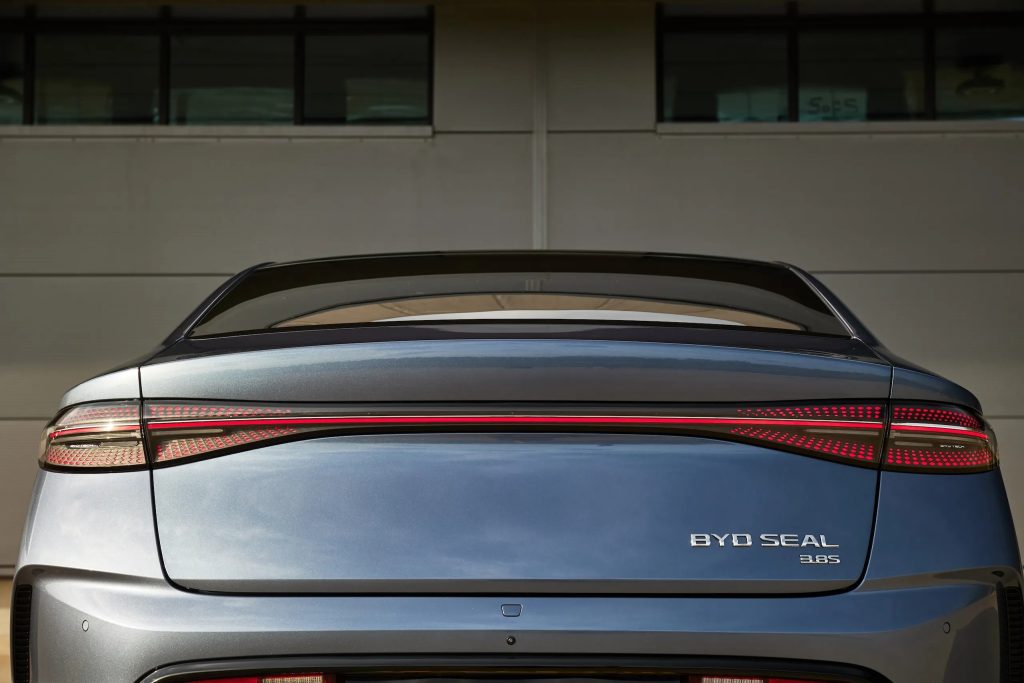
The VIGO, positioned at an even more accessible price point around RM100,000, trades outright performance for practicality – compact SUV proportions, family-friendly space, contemporary infotainment, and rapid charging capability that anticipates a more developed network.
Maximum range between charges has long been a sore spot for those considering an EV. That definitely seems to be changing for the better, but seasoned EV drivers know that spec sheets do not tell the whole story. Real-world range depends on how heavy your right foot is, how enthusiastically you use the air-conditioning, and how punishing the traffic happens to be that day. Charging times are equally dependent on the charger you plug into. A mere 11 minutes to charge to 80 percent sounds impressive – and it is, but only provided you can find the right DC unit to deliver it.
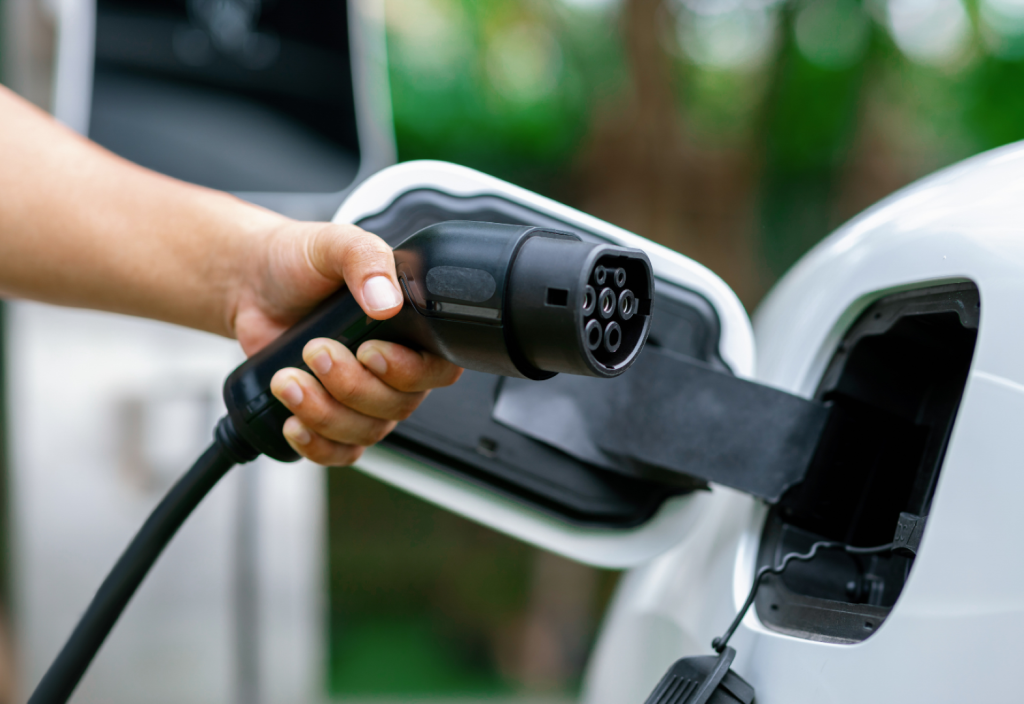
Which brings us to the topic that once defined every EV conversation in Malaysia: infrastructure.
FROM AN UNDENIABLE WEAK LINK TO A CONFIDENCE-INSPIRING WORK IN PROGRESS
For years, the criticism was predictable – and frankly well-deserved. Not enough chargers. Too many concentrated in Klang Valley, or on the stretch of highway between KL and Johor Bahru, but lacking similar coverage up north. Long-distance travel required careful planning and, occasionally, a leap of faith. Car reviews (ours included) heaped praise on the vehicles, but often with the caveat that perhaps the time for ownership wasn’t right unless you had a dedicated car charger at home, and were comfortable in planning your travels around where you could find a charging station. The country’s charging infrastructure simply wasn’t robust enough to inspire much confidence, especially on longer journeys.
Now, finally, that once-rational criticism is losing force.
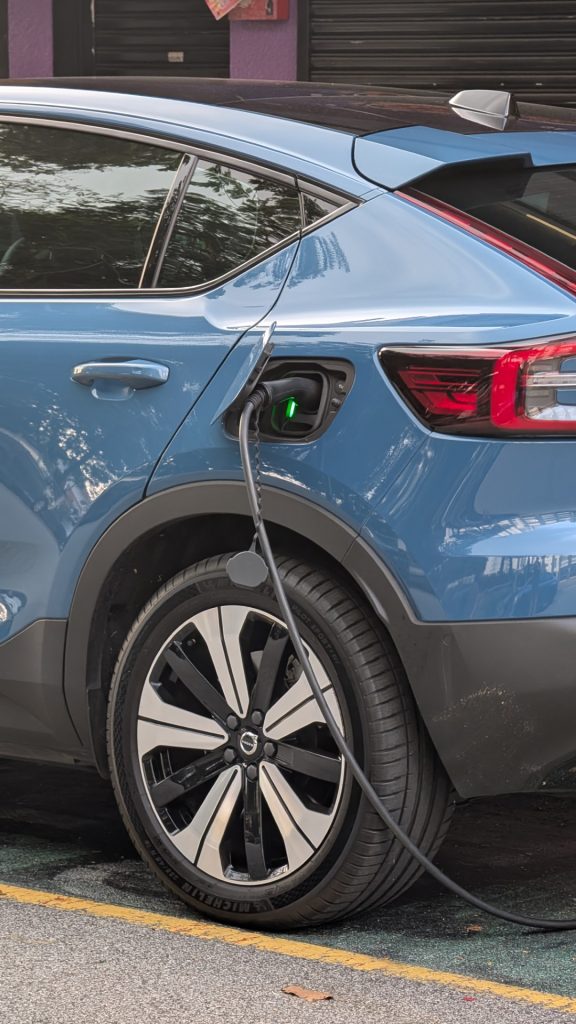
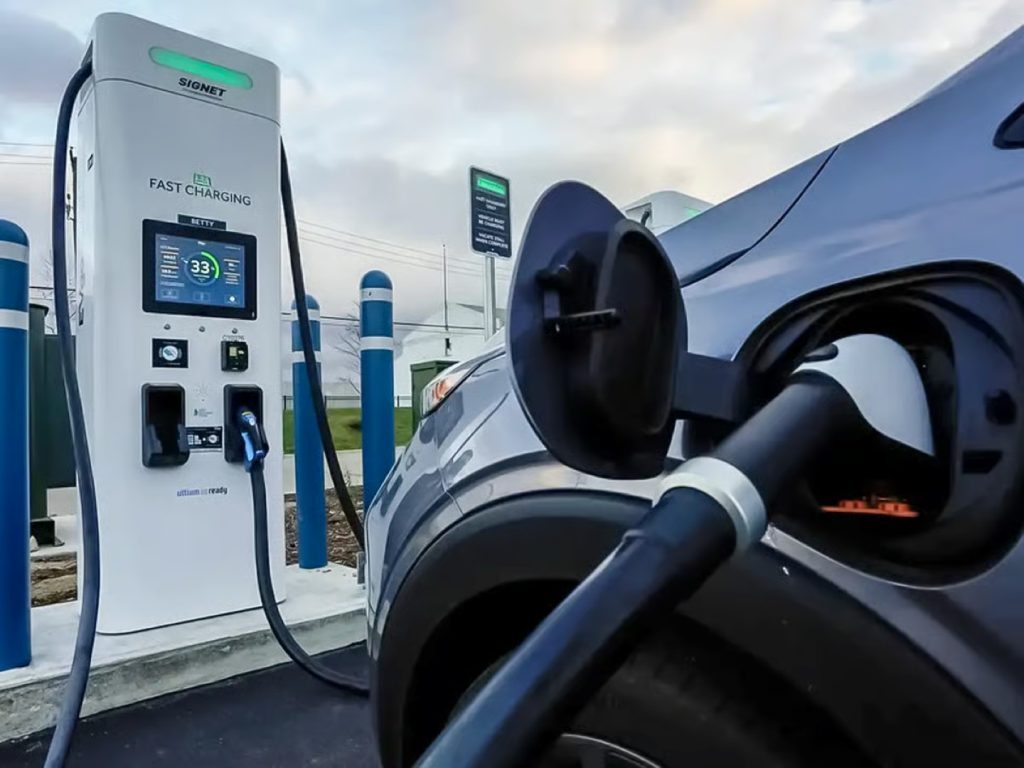
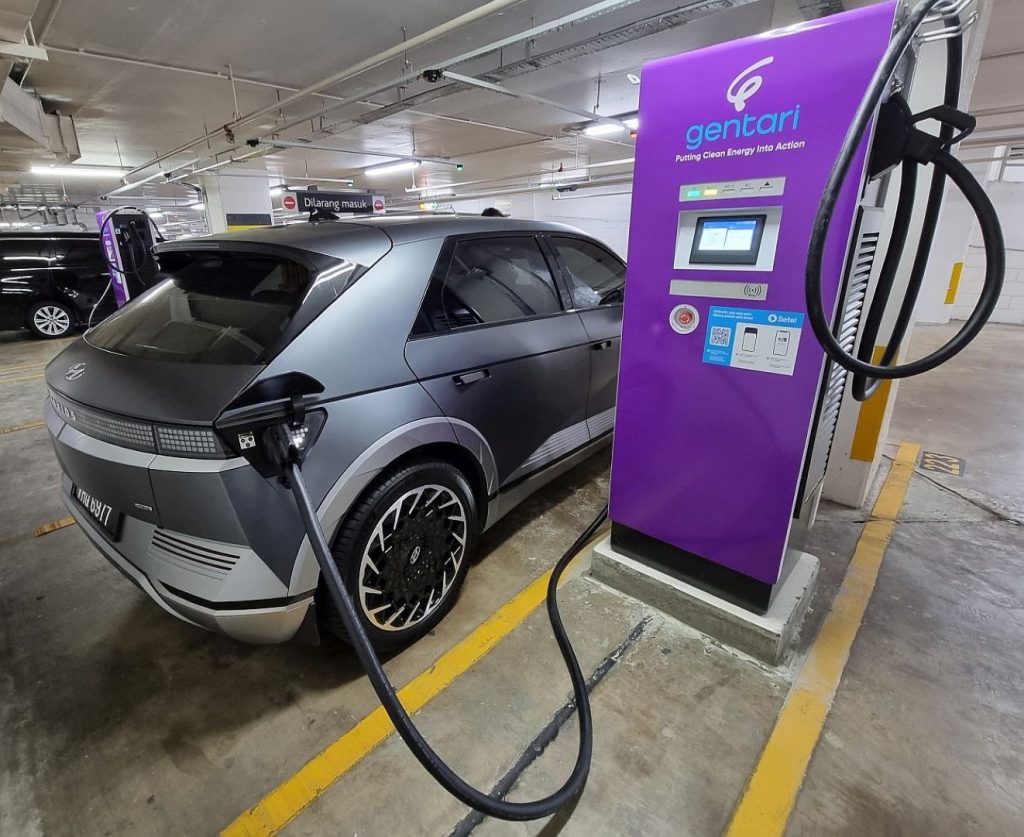
Over the past two years, the charging network has expanded at a pace that even sceptics acknowledge. Highway rest stops and petrol stations now feature high-powered DC chargers where there were none before. Major shopping centres have added multiple bays instead of token installations. Secondary cities are no longer charging deserts.
Somehow, this was predictable, and the numbers tell part of the story. Government roadmaps under the National Energy Transition Roadmap and Low Carbon Mobility Blueprint set clear targets for public charger deployment, and progress toward those targets has accelerated. Private charge point operators, sensing opportunity, have invested aggressively. Competition has improved uptime and reliability, as well, not just the number of charging stations.
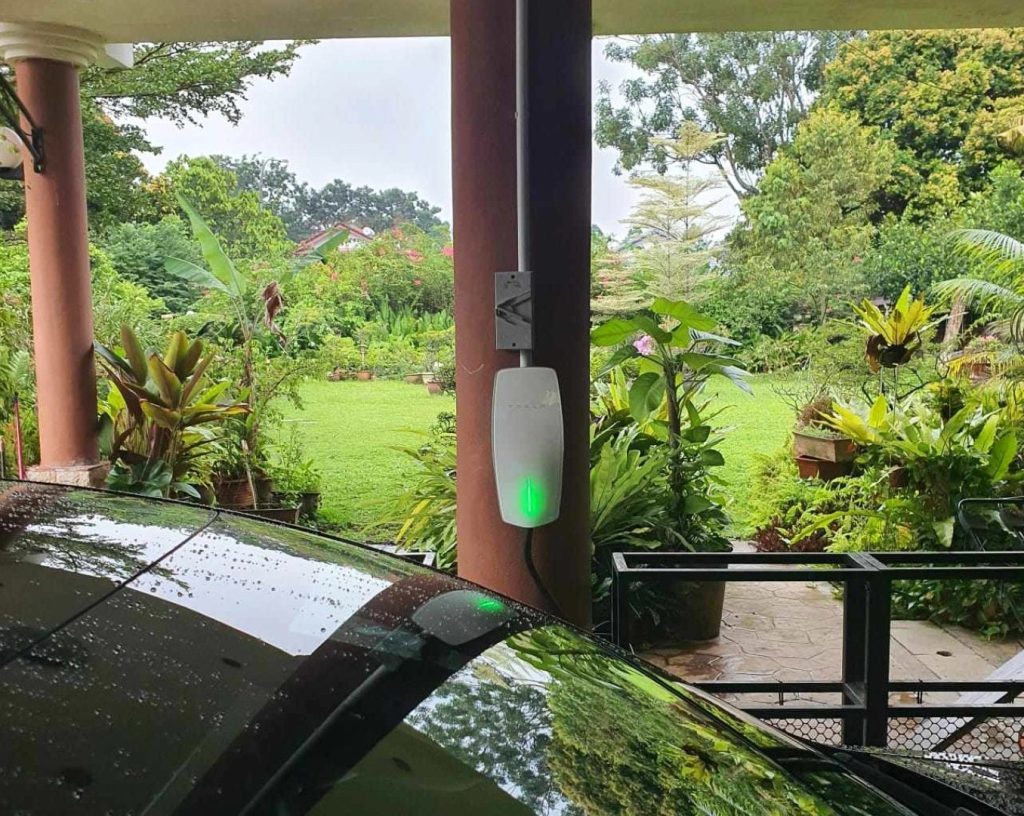
Equally important is what is happening behind the scenes. New condominium developments increasingly incorporate EV-ready wiring and dedicated charging infrastructure at the design stage. Retrofitting older buildings remains a challenge, but management committees are far more receptive than they were three years ago. We assume it’s just a matter of time before more and more condo developments tout charging bays (either new or retrofitted) for residents as part of their competitive strategy.
There is also a growing sophistication in how charging is managed, and this is expected to continue improving. Smart load balancing, dynamic pricing, and integration with renewable energy sources are entering the conversation. This is no longer about scattering chargers randomly, but rather about deliberately (and hopefully intelligently) building a network.
CONFIDENCE BUILDS MOMENTUM
Government incentives have played a role, without a doubt. Import duty exemptions, tax incentives, and recalibrated road tax structures have lowered entry barriers and provided clarity. Corporate fleets are beginning to electrify, encouraged by sustainability mandates and green financing instruments (and, we would guess, the elimination of subsidized RON95 for companies).
Yet policy alone does not create or inspire confidence – but visibility does.
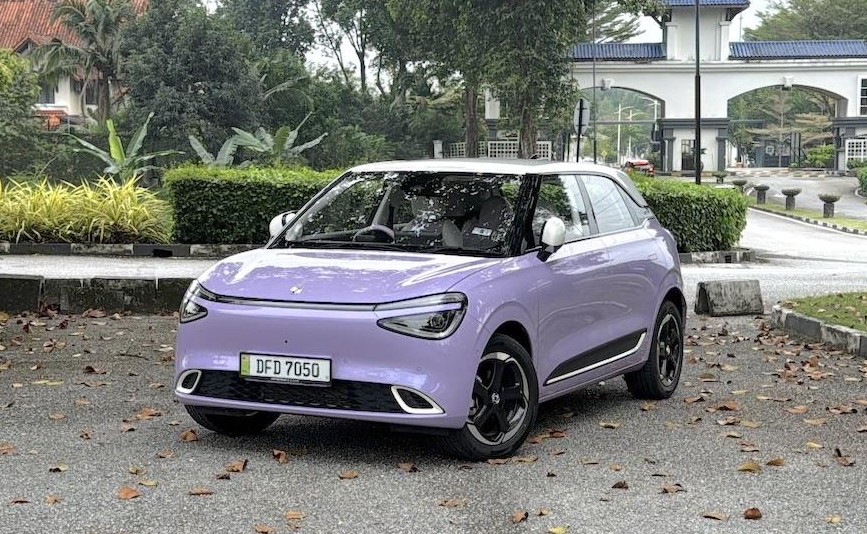
A rise in overall visibility has an interesting effect. When you see EVs in your neighbourhood – or sitting next to you in traffic jams. When your favourite malls install charging zones for EVs in their carparks. When your preferred highway stop or petrol station offers reliable fast EV charging, too. You absorb it all, perhaps even subconsciously, but as a result, confidence in the entire EV ecosystem grows incrementally.
The sustained entry of additional brands reinforces that sense of permanence. Dongfeng’s new 007 and VIGO add further choice in a segment that’s already expanding rapidly. More competition typically translates into more attractive pricing, longer warranties, and improved service standards. That sort of “a rising tide lifts all ships” halo effect benefits all buyers regardless of badge preference.
It also signals something broader. Manufacturers would not commit to distribution networks, partnerships, and aftersales infrastructure in Malaysia if they believed the market was fleeting and perhaps doomed to fail.
THE ROAD AHEAD – NO PUN INTENDED
None of this suggests that Malaysia’s EV journey is complete. Rural coverage remains patchy to say the least, and even in large cities, as EV ownership grows, those three charging bays at the mall which were nearly always unoccupied will soon be woefully insufficient to meet demand. Grid resilience will need continued investment as adoption scales ever upward. And beyond day-to-day charging, things like battery disposal and recycling frameworks must evolve in tandem.
But the EV tone has undeniably shifted. Conversations in Malaysia that once revolved around “if” now revolve around “which one.”
Which model offers the best balance of range and price? Which brand stands behind its battery the longest? Which charging app works seamlessly across networks? Does one car offer better long-term value than another? Is this model better for a family than that one? Which model best balances performance with practicality?
To us, these are healthy questions that accompany any technological shift. They reflect a market that has moved beyond novelty and into evaluation.
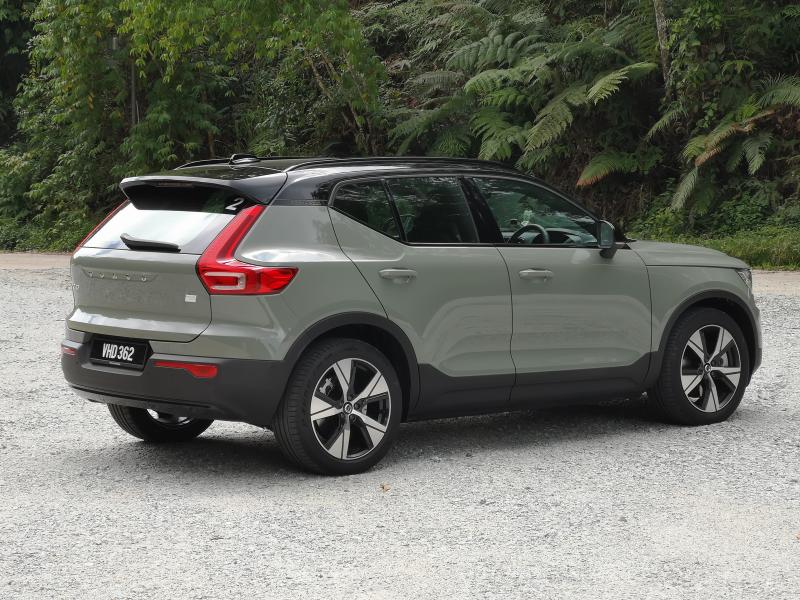
We believe that Malaysia’s geography – compact, urbanized, and well connected by highways – lends itself naturally to electrification. With infrastructure sprinting to catch up and policy support remaining broadly favourable, there is a credible argument that the country could become one of ASEAN’s more confident adopters of electric mobility.
This transformation did not happen overnight. Such change rarely does. And to be clear, Malaysia has not “arrived” with regard to electric mobility. The market is very much still in what might be called the early stages of adolescence. But it’s safe to say that its infancy has been left behind: EVs are no longer experimental curiosities on Malaysian roads. They are viable options, increasingly practical, and supported by a charging ecosystem that is finally expanding with intent. EV market momentum, once fragile and tentative in Malaysia, now feels more durable and – dare we say – permanent.