

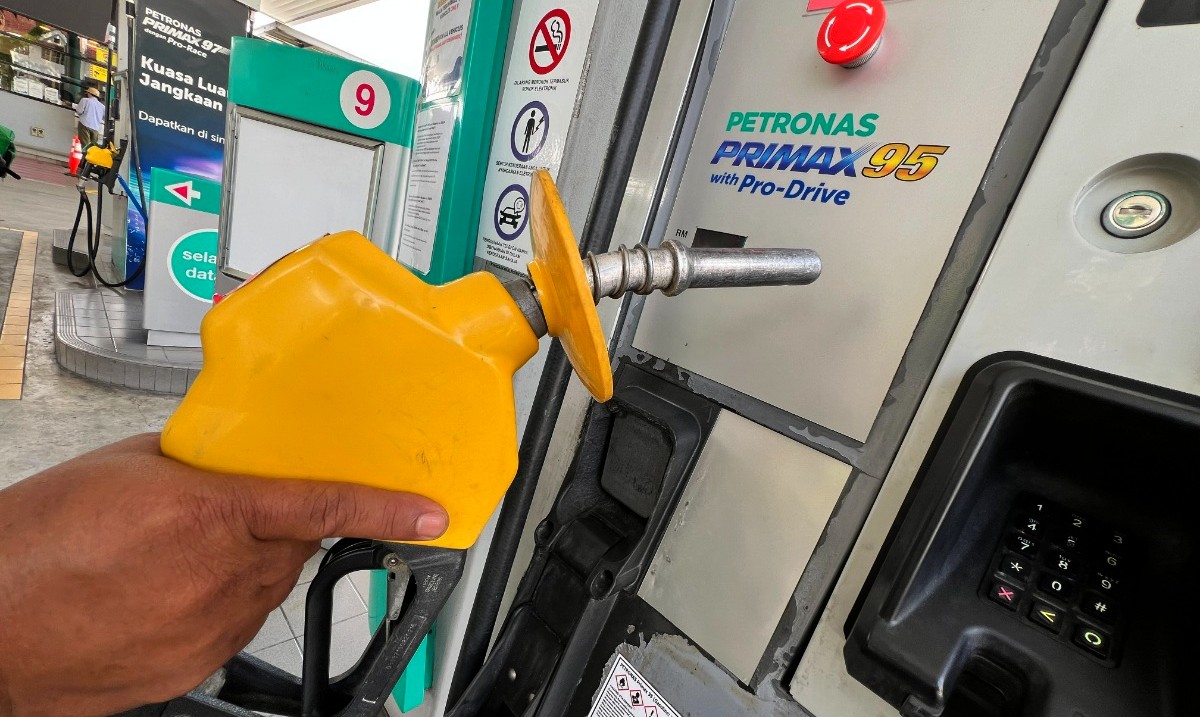
Despite paying taxes and contributing to the country, resident expats will be disproportionately affected as RON95, RON97, and diesel all see significant price increases.
Recent fuel price adjustments in Malaysia underline the growing tension between global energy costs and domestic subsidy policy. From March 26 to April 1, the retail price of diesel in Peninsular Malaysia jumped by 80 sen to a breathtaking RM5.52 per litre, while RON97 petrol rose 60 sen to RM5.15 per litre and unsubsidized RON95 increased to RM3.87 per litre.
Across Sabah, Sarawak and Labuan, diesel prices remain unchanged at RM2.15 per litre under regional price stability measures. The subsidized RON95 rate under the BUDI95 programme, meanwhile, continues at RM1.99 per litre for eligible Malaysian citizens.
One-Month Fuel Price Spike: Late February → Late March 2026
Unsubsidized RON95
RM 2.59 → RM 3.87
RON97
RM 3.15 → RM 5.15
Diesel
RM 3.04 → RM 5.52
Source: Ministry of Finance Malaysia, Automatic Pricing Mechanism (APM)
The Ministry of Finance has stated that retail fuel prices will be reviewed and adjusted in line with movements in international oil markets while ensuring price stability remains a priority. Officials have emphasized ongoing monitoring of crude price trends and appropriate measures to safeguard consumer welfare.
At face value, holding the subsidized RON95 price steady while other grades climb makes short‑term sense as a buffer against inflation, but there are deeper undercurrents worth unpacking. Diesel price hikes feed directly into logistics and transport costs, which will inevitably influence the cost of goods and services across the economy in the coming weeks. Petrol users, particularly those driving private cars, can adjust their consumption somewhat by choice — but the broader economic impacts are real.
EXPATS PAYING THE PRICE NOW, BUT HOW LONG CAN MALAYSIANS ENJOY SUCH LARGE SUBSIDIES?
For resident expats who work and pay taxes in Malaysia — many of whom contribute significantly to the economy — the situation can feel unfair in a practical sense. Expatriates are not eligible for the BUDI95 subsidy and therefore pay market rates, which are now nearly double the subsidized price. At a time when income tax is fully contributed and cost of living pressures mount, absorbing such fuel price increases can feel disproportionately heavy for those who are already integrated into Malaysian society and its economy.
Wider questions are also emerging about how long the RM1.99 rate can realistically last in the face of sustained global price pressure. The fiscal cost of the subsidy remains substantial, particularly against volatile crude markets, and the government may soon have to consider scaling back the benefit in some form. Two main levers come into view: reducing the subsidy amount itself, or adjusting the 300 litre per month allowance that each eligible citizen can access under the current scheme.
Adjusting the monthly quota could be a more palatable first step. Data presented in Parliament shows that roughly 90 per cent of Malaysian households consume less than 200 litres of RON95 per month, with average usage closer to around 100 litres. Reducing the allowance might not only ease fiscal strain but also encourage more mindful fuel use — essentially incentivizing conservation efforts without abruptly removing support for everyday commuters.
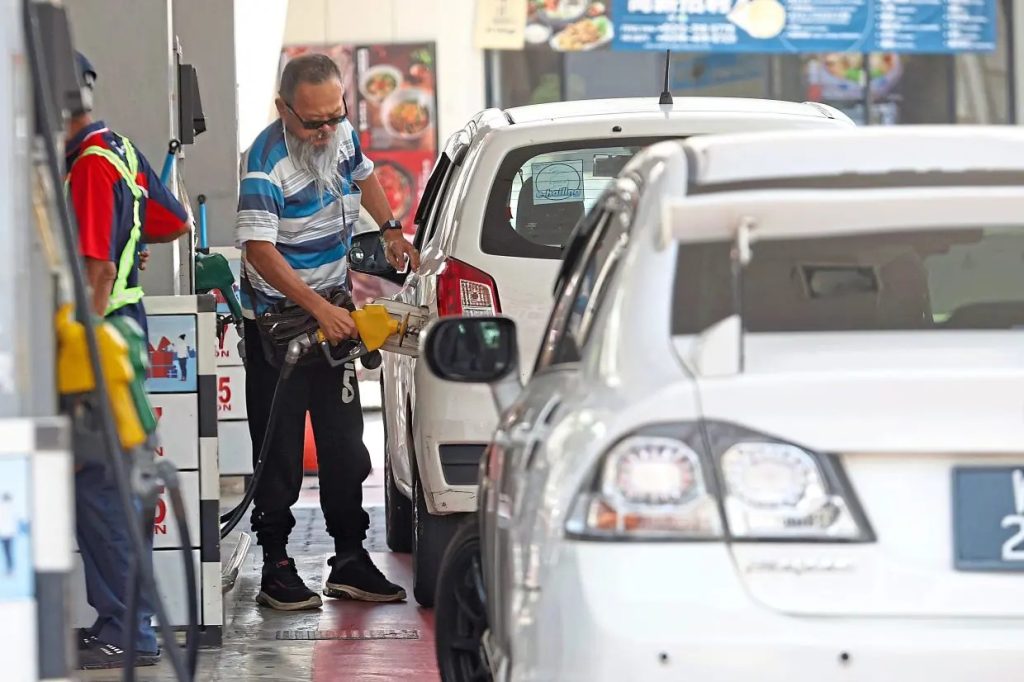
A DIFFICULT BALANCING ACT
Political economy considerations will of course play a role in any changes. Fuel price hikes have historically been particularly sensitive issues for Malaysian consumers, and a wholesale removal of subsidies could have broad ramifications for inflation expectations and household budgets. But as the gap widens between subsidized and market prices, and as regional competitors adjust their own pricing strategies, Malaysia may find it increasingly difficult to maintain the status quo indefinitely.
What is clear from this round of adjustments is that fuel pricing in Malaysia is at an inflection point. Policymakers are balancing competing priorities: protecting consumers from volatile global oil prices, managing public finances responsibly, and considering the fairness of subsidy structures in a diverse society that includes both citizens and long‑term residents such as expats.
For now, heavily subsidized RON95 at RM1.99 remains in place for millions of eligible Malaysians, but how long it can be sustained without distortionary effects on behaviour, fiscal pressure, and market dynamics is a question that will almost certainly be a key point in policy discussions throughout 2026.
SOURCES: Ministry of Finance retail price announcement, March 26–April 1, 2026; Bernama; The Star; BUDI95 subscription and usage data reported in Parliament