

A recently published roundup of must-visit spots in Southeast Asia features pristine beaches, lush highlands, and vibrant cities – including one beloved Malaysian gem that’s getting more and more attention on the global stage.
We are remarkably fortunate to be living in Malaysia, a country especially well-positioned in one of the world’s most dynamic and diverse regions, putting dozens of rewarding travel destinations within easy reach. But the appeal of the region we call home is a secret no longer – if indeed it ever was.
Southeast Asia has become a premier destination for travellers seeking everything from tropical beaches to rich cultural experiences. Conde Nast Traveler’s newest list of remarkable sites across the region highlights seven places that offer a deeper, more intimate look at the wonders beyond typical tourist routes. From misty mountain parks and volcanic plateaus to heritage cities and remote archipelagos, each destination promises a unique adventure.
Set aside well-worn places like Bali, Phuket, Bangkok, or even the more newly popular Phú Quốc. For those willing to step off the beaten path in this region, the rewards are striking. These locations combine natural beauty, history, and local culture in ways that larger, more crowded attractions cannot. Here are the seven destinations highlighted by the magazine, expanded to give travellers a better sense of what makes each spot special.
BATANES, PHILIPPINES
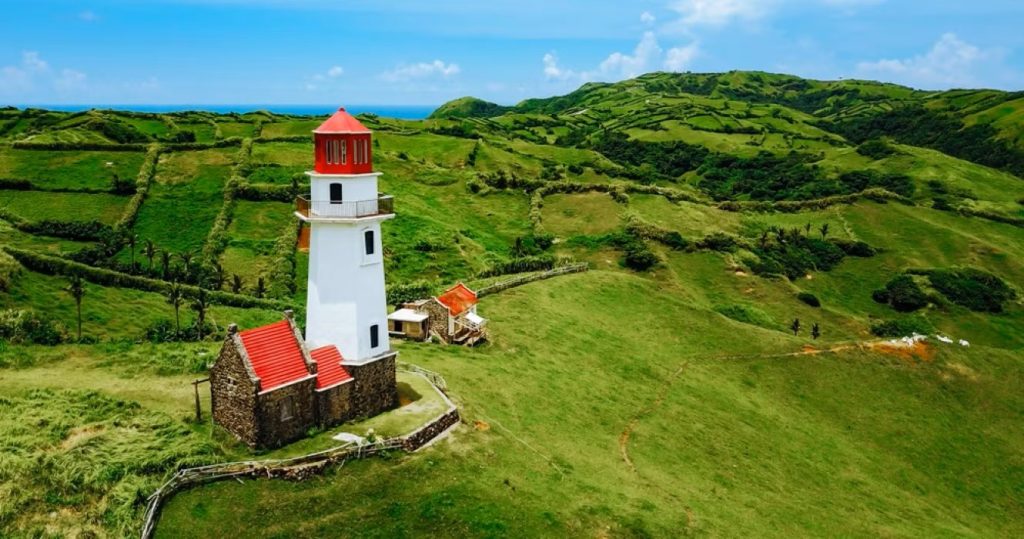
At the northernmost tip of the Philippines lies Batanes, the country’s smallest province. Unlike the palm-fringed tropical vistas typical of the Philippines, Batanes offers rolling green hills and rugged coastal cliffs reminiscent of New Zealand or Ireland. The Ivatan people, indigenous to the islands, maintain a culture shaped by resilience, self-sufficiency, and a deep connection to nature. Visitors can explore Sabtang Island’s villages of Chavayan and Savidug, stay in traditional stone houses, sample Ivatan cuisine, and experience the rhythms of local life through guided tours and family-run homestays.
PHNOM KULEN NATIONAL PARK, CAMBODIA
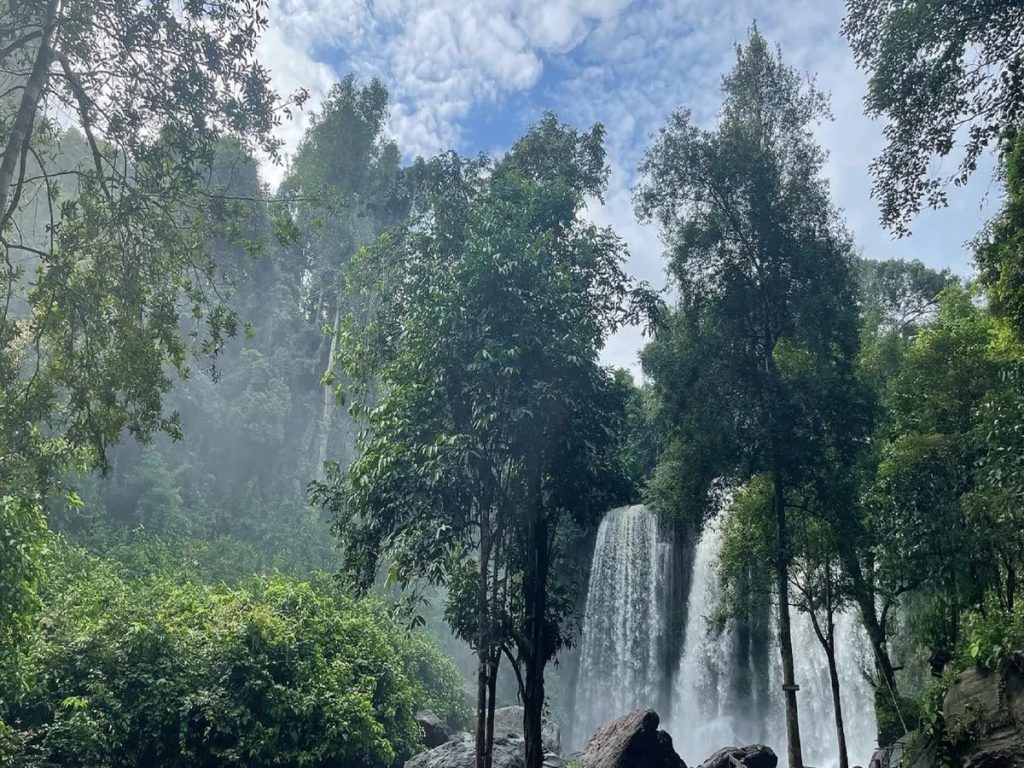
Just two hours from Siem Reap, Phnom Kulen National Park sits in the sacred Phnom Kulen mountain range, revered as the birthplace of the Khmer Empire. Within its protected rainforests, visitors can find waterfalls, scenic vistas, and the “lost city” of Mahendraparvata, an ancient capital predating Angkor Wat by around 350 years. Temples, shrines, and spiritual sites are integrated into the natural landscape, offering an immersive experience that combines ecology, archaeology, and culture in a single journey.
BÁI TỬ LONG BAY, VIETNAM
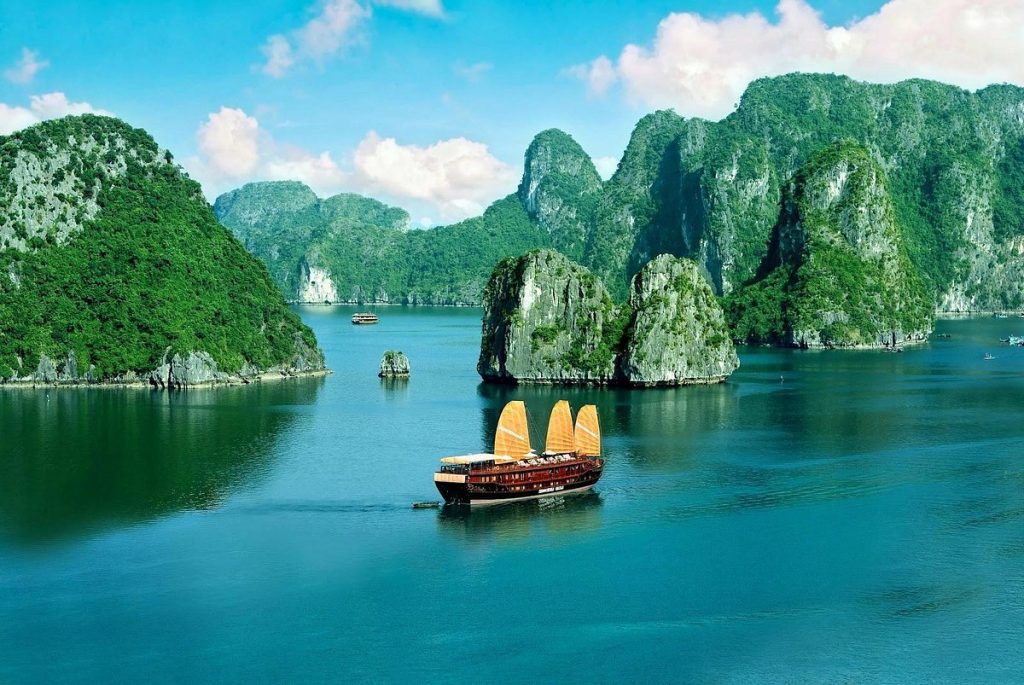
Northeast of Ha Long Bay, Bái Tử Long Bay is a quieter, less crowded alternative that retains the limestone karsts, hidden coves, and floating fishing villages of the region. Luxury boutique cruises and smaller boat tours provide a more intimate perspective on the emerald waters and limestone cliffs. Kayaking, swimming, and eco-tours through Bái Tử Long National Park offer a chance to connect with the environment, while multi-day excursions allow visitors to experience life in the fishing villages firsthand.
GEORGE TOWN, PENANG, MALAYSIA
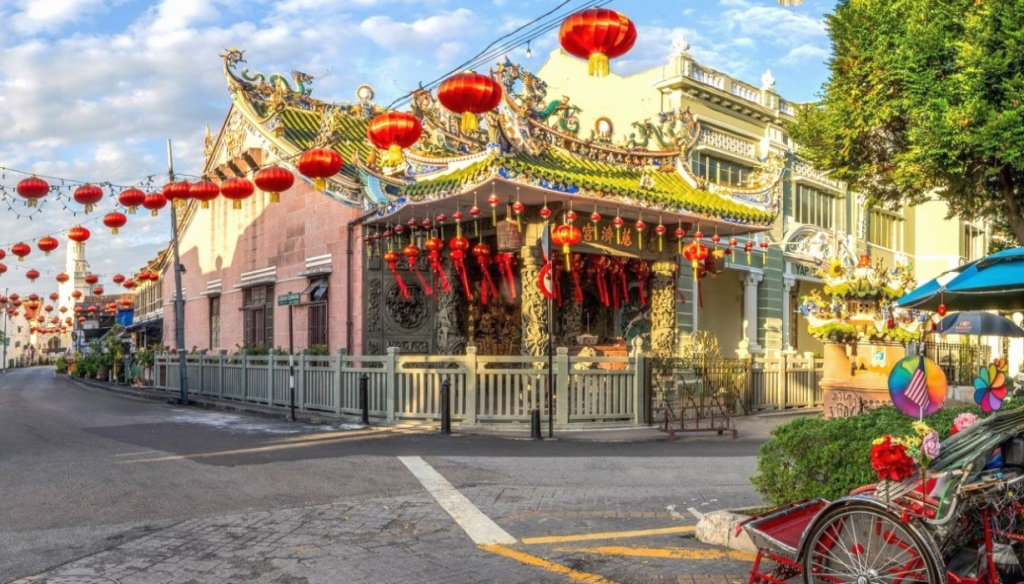
Of course, those of us living in Malaysia know and love Penang very well, but that extreme sense of familiarity doesn’t extend much beyond Southeast Asia. Indeed, George Town may have once been Malaysia’s best-kept secret on the international travel stage, but that secret seems to be getting out. A UNESCO World Heritage Site, the city’s streets reveal a fusion of Malay, Chinese, Indian, and British colonial influences. Visitors can admire restored heritage buildings, colourful murals, temples, and colonial architecture while exploring by foot. Cafés, galleries, and artisan shops punctuate the streets. Guided walking tours of street art, heritage, and local cuisine provide deeper insight into the city’s layered culture, making George Town a worthy destination in its own right rather than just a gateway to Penang’s beaches.
BOLAVEN PLATEAU, LAOS
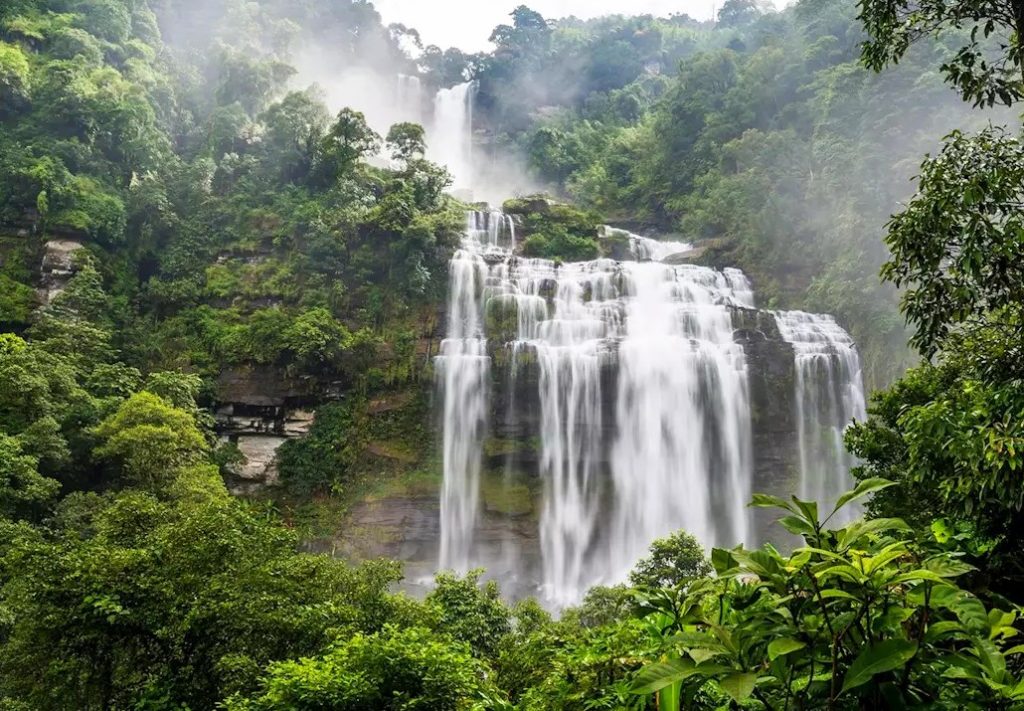
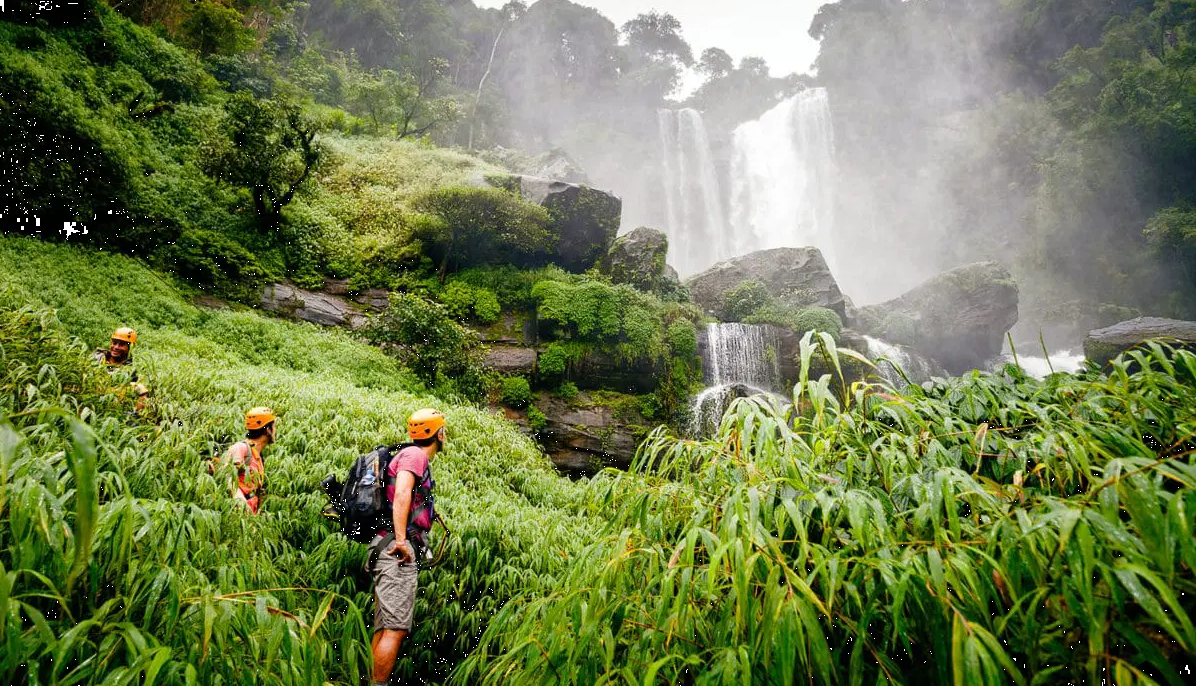
The Bolaven Plateau blends volcanic landscapes, lush greenery, and dramatic waterfalls with a thriving coffee culture. Its high altitude and fertile volcanic soil support the cultivation of world-class coffee and specialty teas. Visitors can explore the plateau on hikes, motorbike loops, or guided tours, while engaging with ethnic communities that maintain sustainable farming practices. Farm stays and village homestays offer immersive cultural experiences, giving travellers a rare chance to witness both the natural and human richness of the region.
DOI INTHANON NATIONAL PARK, THAILAND
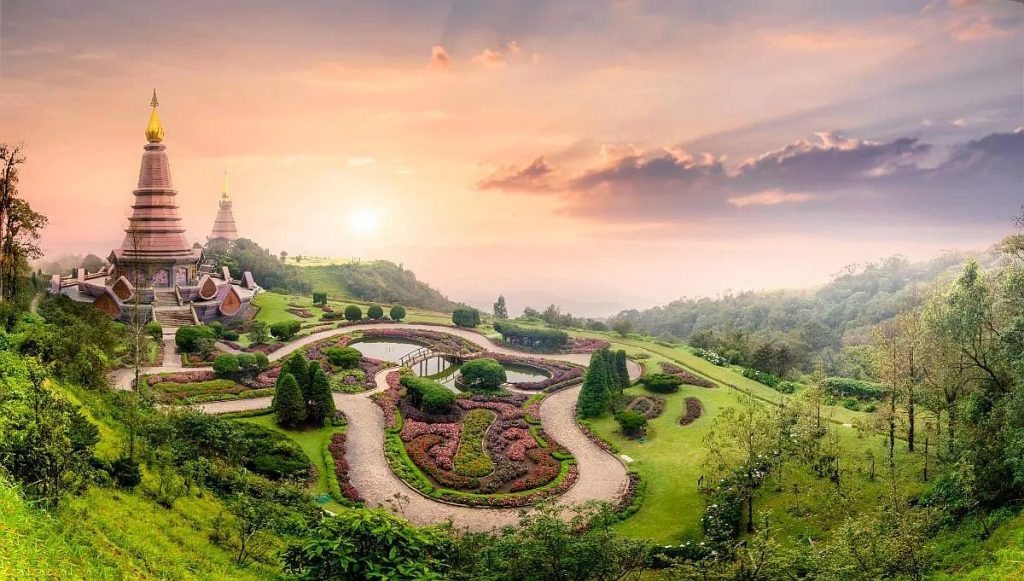
In Chiang Mai province, Doi Inthanon National Park is the highest point in Thailand, rising over 2,500 metres. The park’s altitude and waterfalls create a misty environment across forests, hill-tribe villages, and Buddhist temples and pagodas. Hiking trails range from short, accessible walks to full-day treks through bamboo groves and moss-covered paths. Birdwatchers and wildlife enthusiasts will find plenty to explore, while the gardens surrounding the temples provide a colourful display of local flora, adding a cultural layer to the natural grandeur.
RAJA AMPAT, INDONESIA
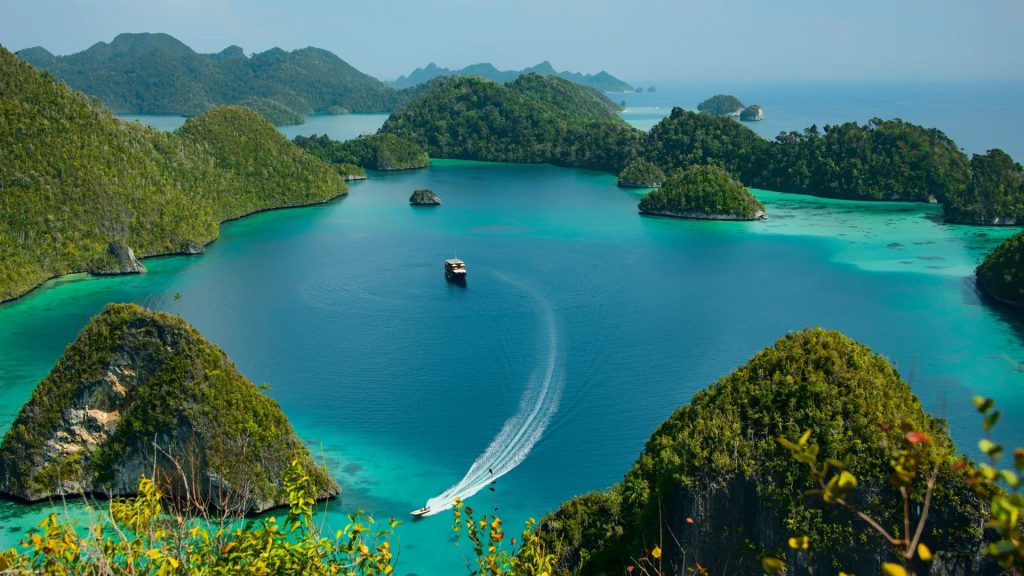
Raja Ampat, an archipelago of 1,500 islands off northwest New Guinea, is widely regarded as one of the last unspoiled marine paradises on Earth. A sparse human population spread over the regency’s 67,000 sq km of ocean and islands keeps ecosystems here incredibly rich, diverse, and unsullied. Its coral reefs host the world’s highest number of aquatic species, including many endemic fish. Divers can explore the marine biodiversity on liveaboard excursions, while eco-resorts allow for an immersive stay without sacrificing comfort. Conservation efforts, a vast protected marine area of some 12,000 sq km, and sustainable tourism practices ensure that Raja Ampat’s natural beauty is preserved for future generations, making it a true bucket-list destination for ocean lovers.