



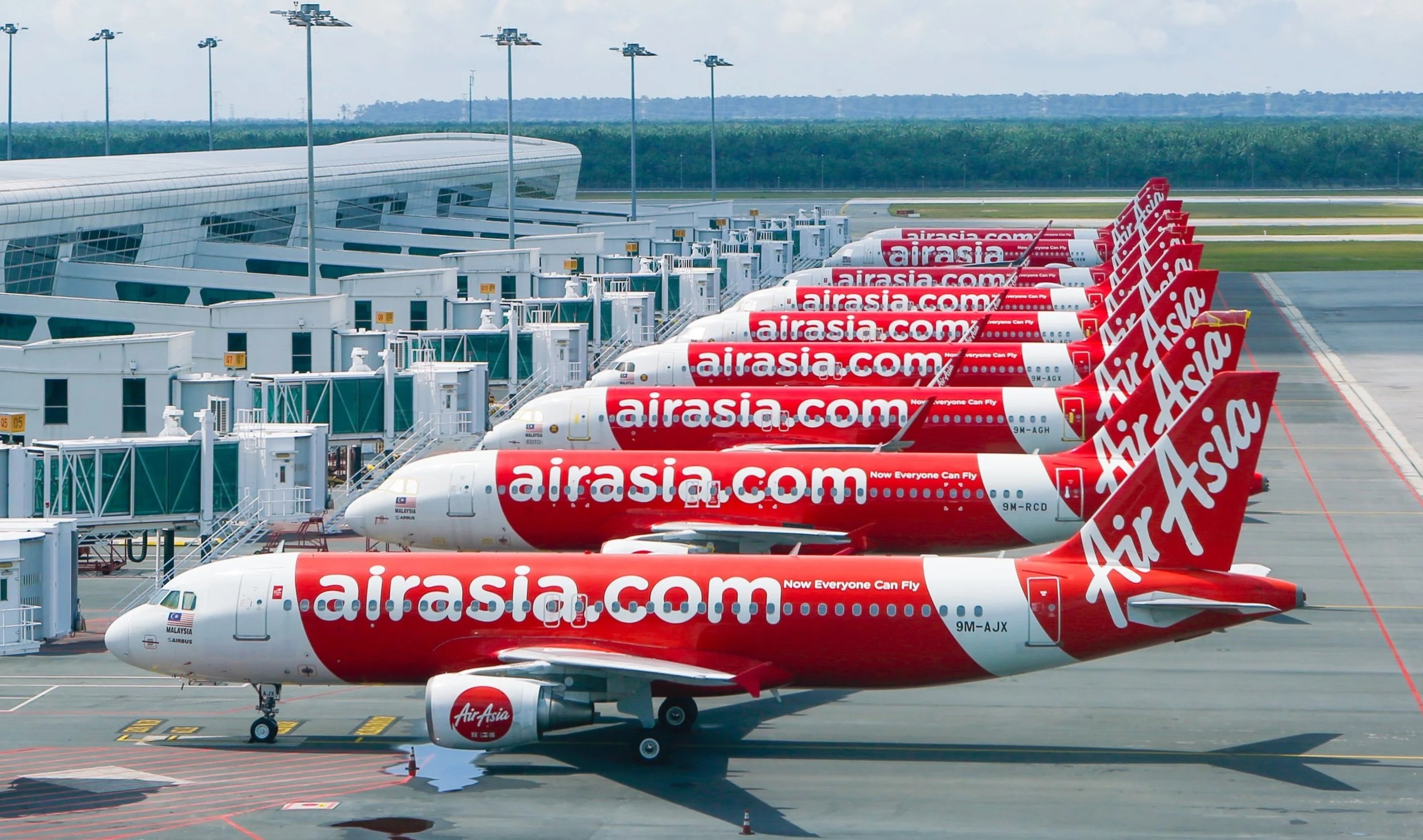
A global surge in jet fuel prices is squeezing Asia’s low-cost airlines, raising renewed questions about government support after the sudden collapse of Spirit Airlines in the United States exposed how quickly ultra-low-cost models can unravel.
A tightening global jet fuel market is placing Asia’s low-cost carriers under mounting strain, exposing a structural vulnerability that policymakers in the region can no longer afford to ignore. As fuel prices surge in the wake of the ongoing conflict in the Middle East, the sector is now confronting a familiar aviation fear: sudden financial failure, of the kind that brought down ultra-low-cost Spirit Airlines in the United States just last week.
Spirit’s abrupt shutdown — following failed bailout negotiations and years of accumulated losses — has become a fresh warning signal for the global budget aviation model. The airline, once a poster child for ultra-cheap fares, ceased operations almost overnight, leaving thousands of staff stranded and thousands of flights cancelled after it ran out of liquidity amid soaring fuel costs and weak balance sheet buffers.
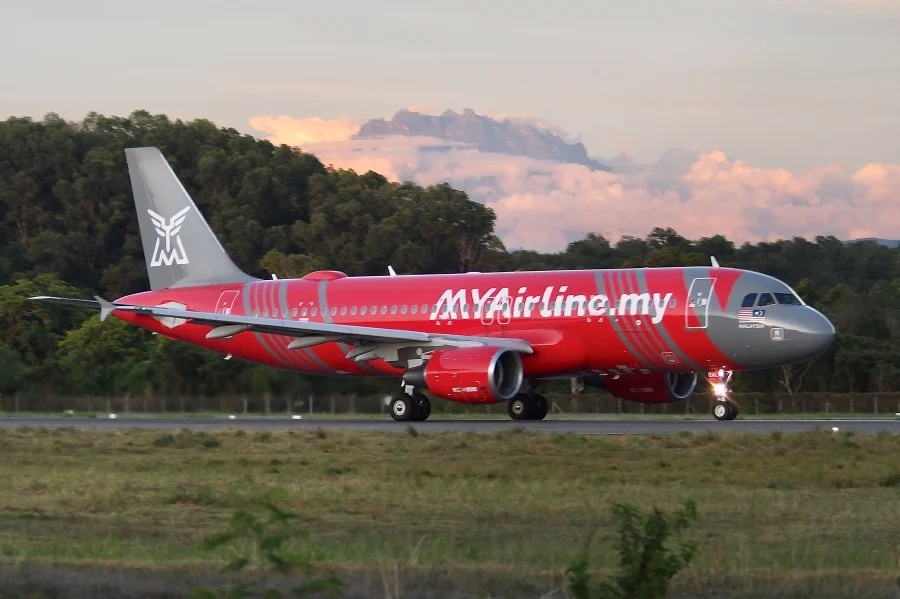
That kind of shock is certainly not without precedent in the low-cost sector. As travellers may recall, Malaysia’s own MYAirline collapsed in 2023, ceasing operations almost overnight after a sudden funding shortfall left it unable to sustain operations barely a year after launch. In India, Go First also entered insolvency proceedings after grounding its fleet in 2023, citing engine issues and financial distress. In 2019, Iceland’s Wow Air shut down abruptly, leaving thousands of passengers stranded across Europe and even North America. Each case underscores a consistent pattern: razor-thin margins leave little room for external shocks, whether operational or geopolitical.
Against that backdrop, Asia’s current fuel shock is proving especially punishing.
FUEL SHOCK EXPOSES STRUCTURAL FRAGILITY
Discount carriers such as Malaysia’s AirAsia X, Indonesia’s Lion Air group and Cebu Pacific of the Philippines are already grappling with sharply higher operating costs. Jet fuel prices in Asia have surged alongside global oil markets, with Singapore benchmarks remaining elevated after doubling earlier in the year.
The pressure is compounded by currency weakness, which increases the local cost of dollar-denominated fuel purchases. Unlike full-service carriers in wealthier economies, many Southeast Asian budget airlines have limited hedging exposure, leaving them highly exposed to spot market volatility.
Industry estimates suggest that for some carriers, fuel can account for up to 40% of total operating costs, while aircraft leases and maintenance remain largely dollar-linked. That combination leaves little flexibility when both fuel and currencies move against them simultaneously.
AirAsia X, for example, has already responded by increasing fares by up to 40%, introducing fuel surcharges, and reducing capacity on selected routes. Regional peers have followed similar strategies, including route rationalization and fleet optimization.
Yet even these measures only address short-term liquidity pressures. The broader concern is more structural in nature: whether low-cost carriers can maintain viability in a prolonged high-energy-cost environment.
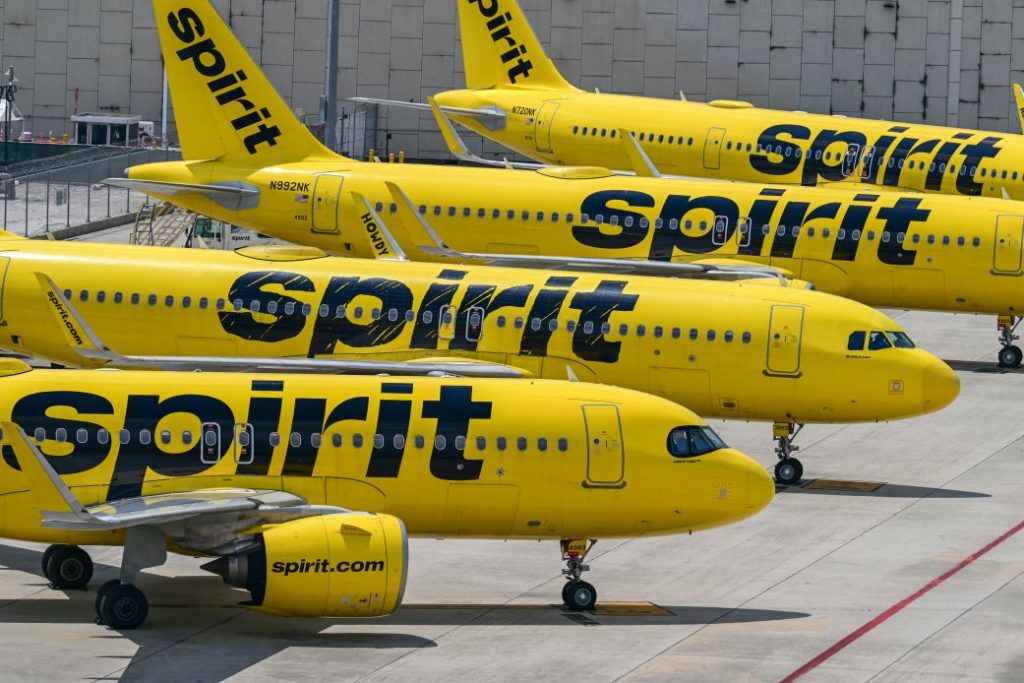
The collapse of Spirit Airlines has sharpened that question. Its failure followed two bankruptcy restructurings, a failed merger attempt, and ultimately a liquidity crunch triggered by significant fuel inflation and weak cash reserves. Analysts have pointed to it as a textbook example of how quickly ultra-low-cost models can become unsustainable when external costs rise faster than fares can adjust.
POLICY DILEMMA: GOVERNMENT SUPPORT OR MARKET DISCIPLINE?
The policy response across Asia is still evolving, but pressure is building for targeted intervention.
Some economists argue that governments should consider temporary measures such as concessional loans, fuel tax relief, or state-backed credit lines. The rationale is not to permanently subsidize airlines, but rather to stabilize a sector that plays an outsized role in regional connectivity.
That argument carries particular weight in Southeast Asia, where the region’s archipelagic geography makes air travel essential rather than discretionary. Particularly in countries like Indonesia and the Philippines, budget airlines effectively substitute for long-distance rail or road networks that are either limited or non-existent. Here in Malaysia, air travel connects the Peninsula to East Malaysia, and local and budget airlines in particular serve crucial transportation functions in East Malaysia where poor roads and at-times difficult access make land connectivity more challenging.
However, critics caution that repeated intervention risks entrenching inefficiencies. Low-cost carriers operate on thin margins by design, and repeated bailouts could distort competition or delay necessary consolidation.
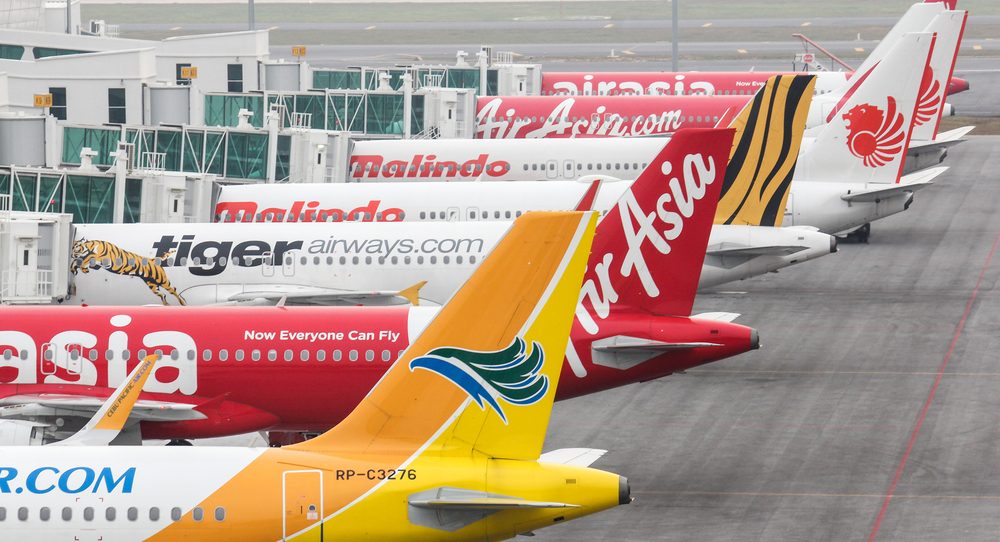
There is also a broader industry reality: Asia remains one of the fastest-growing aviation markets globally, and demand is not the core problem. According to industry projections, passenger growth in the region is expected to remain strong through the decade, even as cost pressures rise.
That mismatch — strong demand but unstable cost structures — is now the defining tension for the sector. Only time will tell which airlines are able to be nimble and clever enough to survive in such a competitive and frankly challenging industry.
Some governments have previously used pandemic-era frameworks as a reference point, offering wage subsidies and liquidity support to prevent systemic airline failures. Whether similar tools are politically viable in a fuel-driven crisis remains uncertain.
What is clear is that the cost environment has shifted decisively. Unlike the pandemic period, when demand collapsed, airlines today face high load factors, but unstable costs and painfully thin margins that leave almost no room for error – or external impact. That combination is far more difficult to manage.
Sources: Bloomberg (via The Business Times); International Air Transport Association (IATA); CNN; public reporting on Spirit Airlines restructuring (2024–2025).