



Malaysia throws away thousands of tonnes of perfectly edible food every day, much of it ending up in landfills while households grapple with rising living costs. A locally developed app called Value Food is tackling both problems at once by connecting consumers with surplus food at deeply discounted prices.
It’s one of the great paradoxes of modern life.
On one hand, Malaysians are becoming increasingly cost-conscious as food prices continue to climb. On the other, the country discards staggering quantities of perfectly edible food every single day. It’s a disconnect that’s difficult to ignore, especially when so much of that food could still be eaten and enjoyed rather than ending up in a landfill.
According to the Ministry of Housing and Local Government (KPKT), Malaysia generates around 39,000 tonnes of solid waste each day, with food accounting for approximately 35.5% of that total. That’s roughly 13,800 tonnes of food waste every day, much of it still fit for human consumption. Some estimates go as high as 16,000 tonnes per day. Clearly, whatever the actual figure, this is a serious problem in Malaysia.
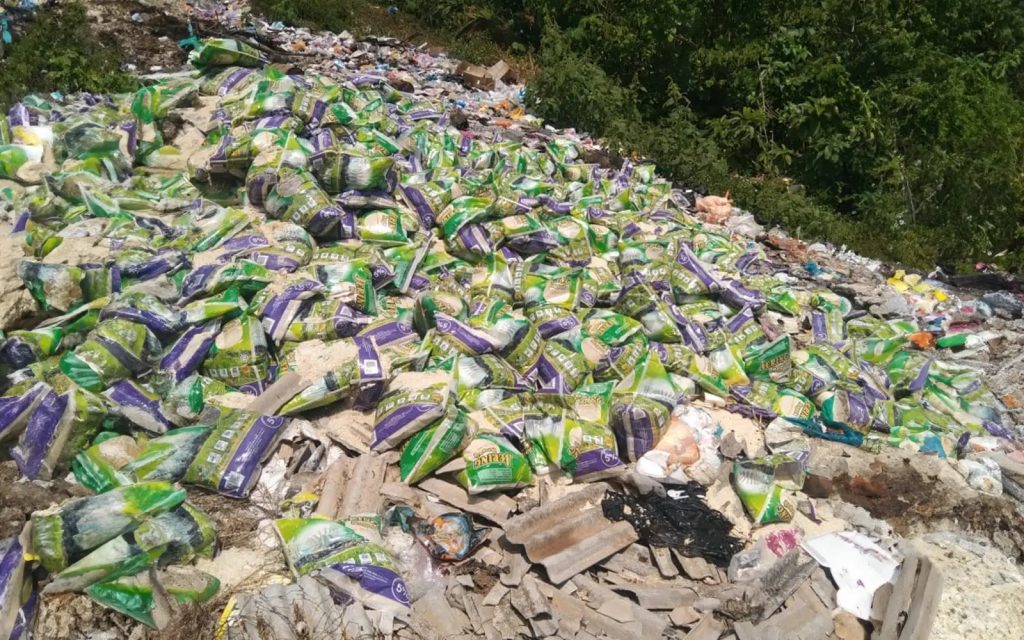
Food waste doesn’t just represent a missed meal. The waste goes beyond food, as well. It also squanders the water, energy, labour, transportation, and agricultural resources that went into producing it. Additionally, once discarded into landfills, decomposing food generates methane, a greenhouse gas significantly more potent than carbon dioxide over the short term.
Reducing food waste, therefore, isn’t simply an economic issue. It’s also an environmental one.
That’s the challenge a Malaysian startup called Value Food hopes to address.
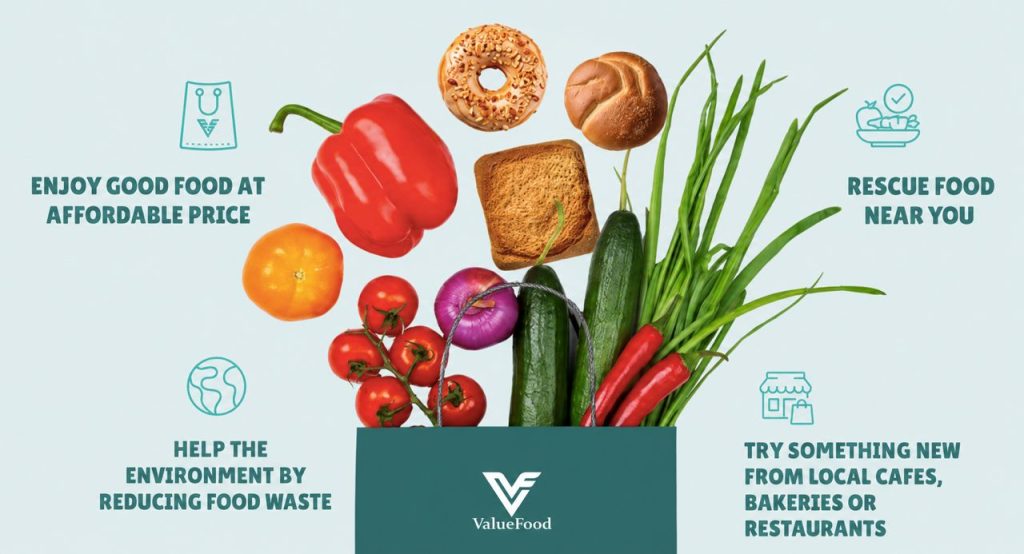
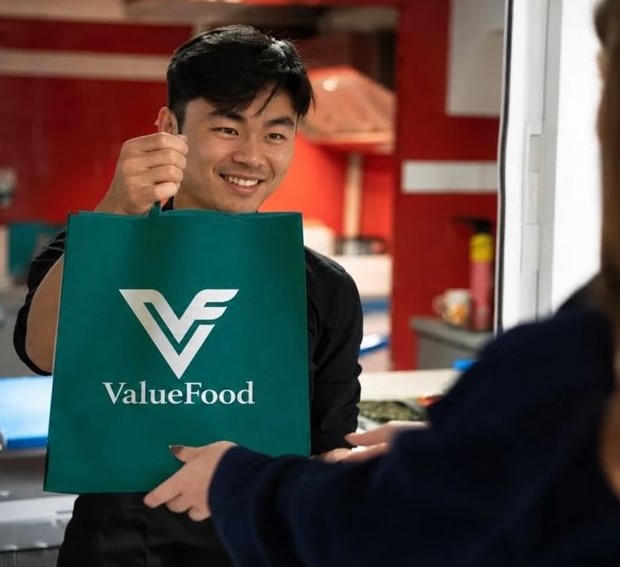
Developed as a homegrown surplus food marketplace, the app connects consumers with cafés, bakeries, restaurants, hotels, supermarkets, and grocers that have quality surplus food available at the end of the day. Rather than throwing away unsold items, participating businesses package them into discounted “Surprise Bags” that customers can purchase through the app, often at between 50% and 70% below the original retail price.
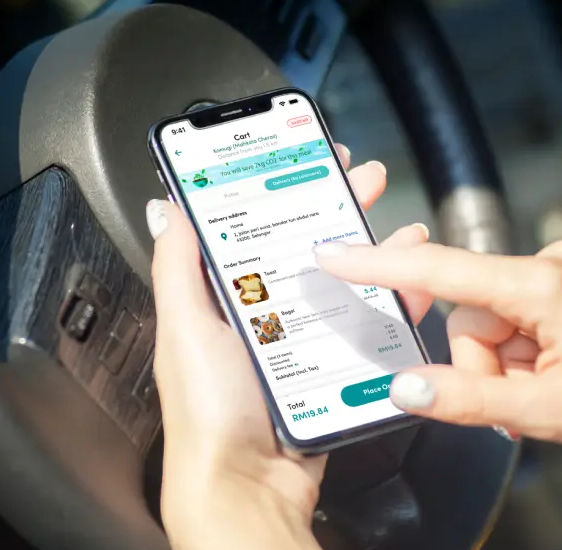
TURNING WASTE INTO VALUE
The concept is refreshingly simple and pretty straightforward.
Businesses recover some revenue from products that might otherwise be discarded. Consumers enjoy quality food at significantly reduced prices. Meanwhile, less edible food ends up in landfill. It’s a practical example of what sustainability – everyone’s favourite buzzword – actually looks like when environmental responsibility and commercial reality intersect.
According to the company, the platform has already surpassed 100,000 app downloads, attracted more than 300 merchant partners, and helped rescue over 80,000 Surprise Bags. In the process, it estimates that more than 200,000 kg of carbon dioxide emissions have been avoided as surplus food is diverted from landfill.
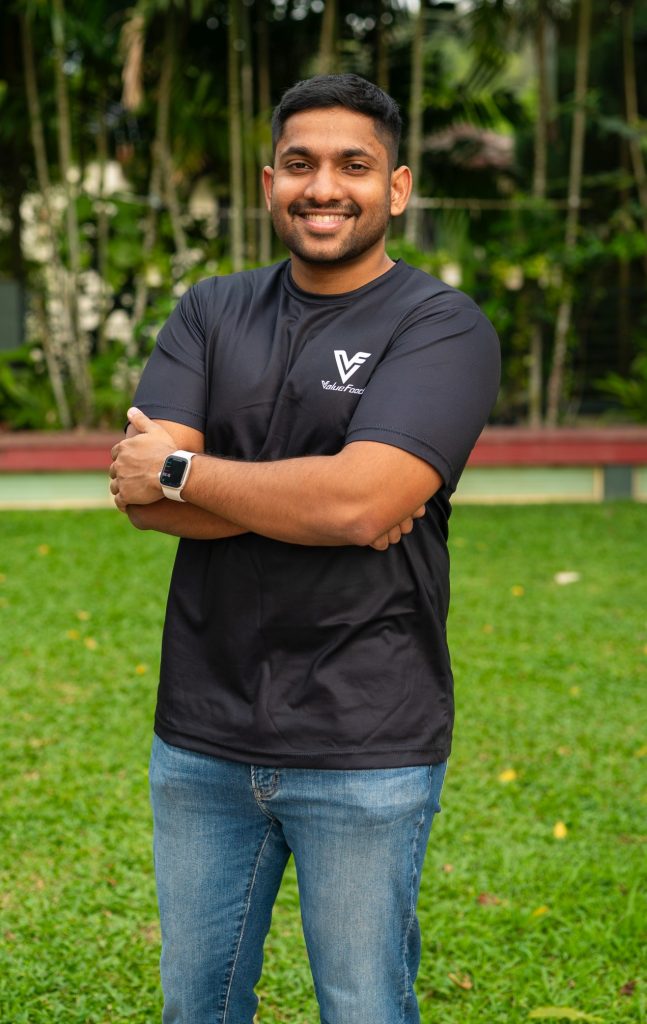
Value Food Co-founder Hariharan Nagendran says the idea was born from a simple observation.
“Every day, perfectly edible food ends up in landfills simply because it isn’t sold,” he explains. “We built Value Food to change that.”
Instead of viewing unsold food as waste, the platform treats it as an opportunity, creating value for merchants while giving consumers access to affordable meals and reducing unnecessary disposal.
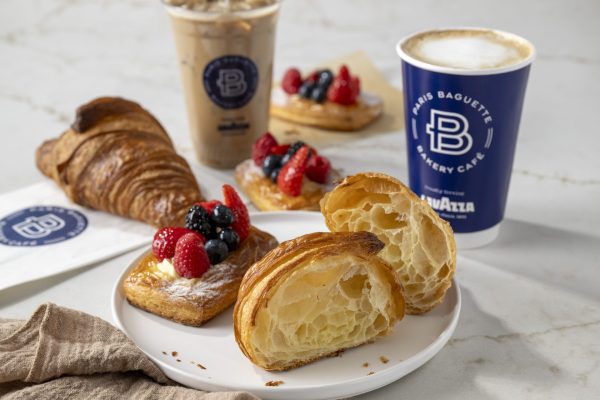
The app also embraces Malaysia’s famously diverse food culture. Users can discover Surprise Bags from well-known international brands such as Krispy Kreme, Kenny Rogers Roasters, Paris Baguette, and BHC Chicken, alongside neighbourhood favourites including Lisette’s Café & Bakery, Touché Pastries & More, Noon Viennoiserie Café, local banana leaf restaurants, mixed rice vendors, and mamak eateries.
Purchasing is equally straightforward. Users simply browse nearby participating merchants, reserve a Surprise Bag through the app, then collect it directly from the outlet or arrange delivery using local e-hailing services. Food preparation and packaging remain entirely under the control of the participating businesses, which continue to follow their own food safety and operational standards, which helps to mitigate one of the core reasons more unused food isn’t distributed – the fear of legal complications that might arise from foodborne illnesses due to improper storage or preparation. It’s often just easier for restaurants, hotels, and other companies to say “no” and throw the food out rather than navigate the complexities that would come from shouldering any potential legal risks.
A SMALL CHANGE WITH BIG POTENTIAL
Food waste has become one of the defining sustainability challenges facing the hospitality and food service industries worldwide, and Malaysia is no exception.
For hotels, cafés, bakeries, and restaurants, predicting daily customer demand is never an exact science. Preparing too little risks disappointing customers. Preparing too much often leaves businesses with perfectly good food that can no longer be sold once the day is over.
Solutions such as Value Food don’t eliminate that uncertainty, but they do provide an alternative to simply throwing excess food away.
The company has already begun expanding beyond the Klang Valley, recently launching its first East Malaysian partnership with Le Méridien Kota Kinabalu. The collaboration also aligns with Marriott International’s global Serve 360 sustainability programme, signalling growing interest from larger hospitality operators in finding practical ways to reduce waste.
For consumers, meanwhile, the appeal extends beyond environmental responsibility. In an era when household budgets are under increasing pressure, the opportunity to purchase quality food at substantial discounts offers a welcome bonus.
Ultimately, perhaps the greatest strength of initiatives like Value Food is that they don’t ask people to fundamentally change their behaviour. Restaurants continue preparing food. Customers continue buying food. The only real difference is that more of it reaches someone’s dinner table instead of a landfill.
In a country where nearly 14,000 tonnes of food are discarded every day, that’s a small idea with the potential to make a very meaningful difference.