

From the historic walls of the Old City to riverside restaurants, bustling markets, northern Thai cuisine, and mountain adventures, Chiang Mai offers an appealing alternative to the intensity of Bangkok.
Chiang Mai, widely regarded as one of Thailand’s most livable cities, never fails to disappoint. Thailand’s second-largest city by urban population, with an urban population of more than a million, it is far smaller than Bangkok, the country’s outsized number one population centre, and offers many facilities that appeal to global travellers – direct access via its international airport, various accommodation options from luxury to backpackers, enticing food and beverage choices, and a breadth of culture from traditional to pop.
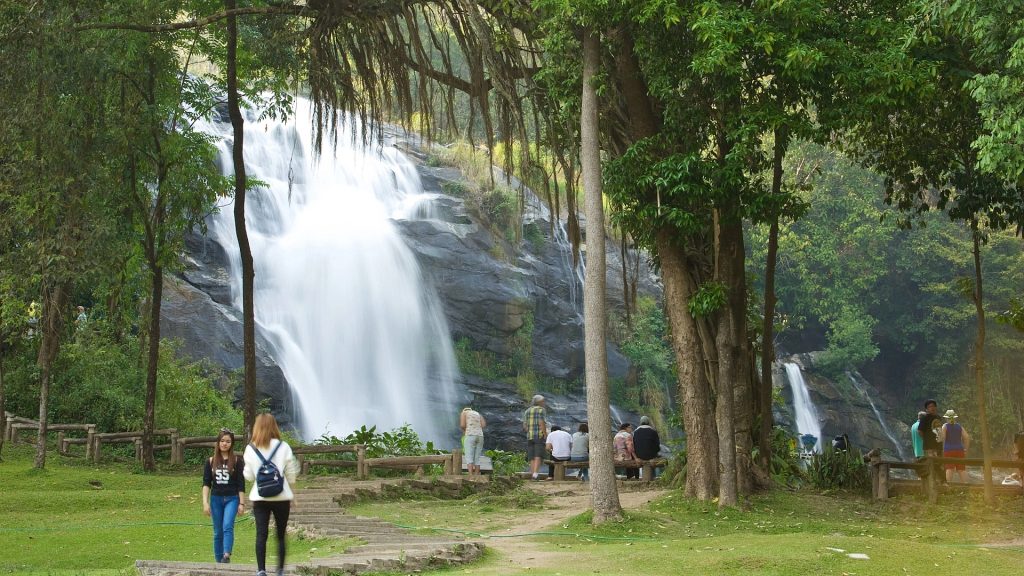
This northern Thai city is also the gateway for the northwest and all the adventures possible in the hills that roll off towards the Myanmar border. For those who have time, there are many places to visit in northern Thailand, with the Chiang Mai – Chiang Dao – Pai – Mae Hong Son – Khun Yuam – Doi Inthanon loop being a popular but circuitous driving route with many twists and turns. Doi Inthanon, Thailand’s highest mountain, remains one of the region’s major attractions.
History is woven into the fabric of the region, too. Northern Thailand was home to the Lan Na kingdom, centred on Chiang Mai, while Sukhothai emerged as another of the first independent Thai kingdoms in the 13th century. Chiang Mai was founded in 1296 by King Mangrai as the new capital of Lan Na. Over the centuries, Thai and Burmese rulers tussled for control of northern Thailand and its ancient cities, with Chiang Mai falling under Burmese rule for around two centuries.
Today, the country takes a certain pride in being among the very few countries in the region to have never been colonized.
SPICE OF LIFE
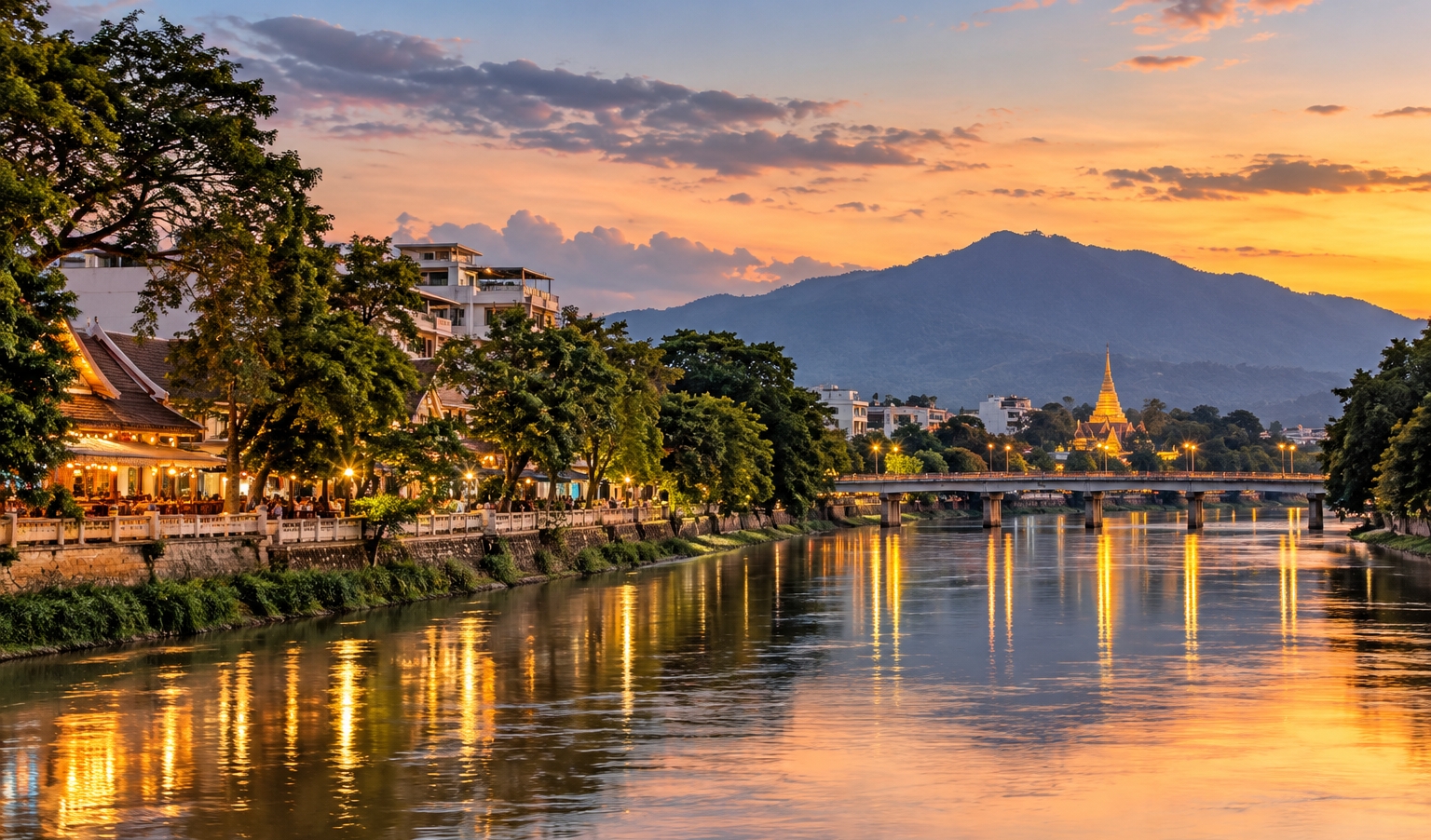
Mae Ping (Ping River) flows through the city, and many hotels and restaurants are located along the riverbanks to capitalize on the views and refreshing breezes. Accordingly, Chiang Mai provides the opportunity to sample northern Thai food, famous for dishes like khao soi, made from egg noodles and served with curry sauce. Chicken, pork, or seafood is added and topped with shredded shallots and lettuce.
One of the city’s established riverside restaurants is Good View on the river’s eastern bank. Its cavernous interior is protected by a membrane and cooled by a battery of fans. Alternatively, relax on the veranda, where reservations are essential. Arrive at sunset for drinks in the garden before moving on to an extensive selection of Thai, Japanese, and international dishes. Choose roasted duck’s knuckle, spicy mango salad with pork, and fermented pork spareribs.
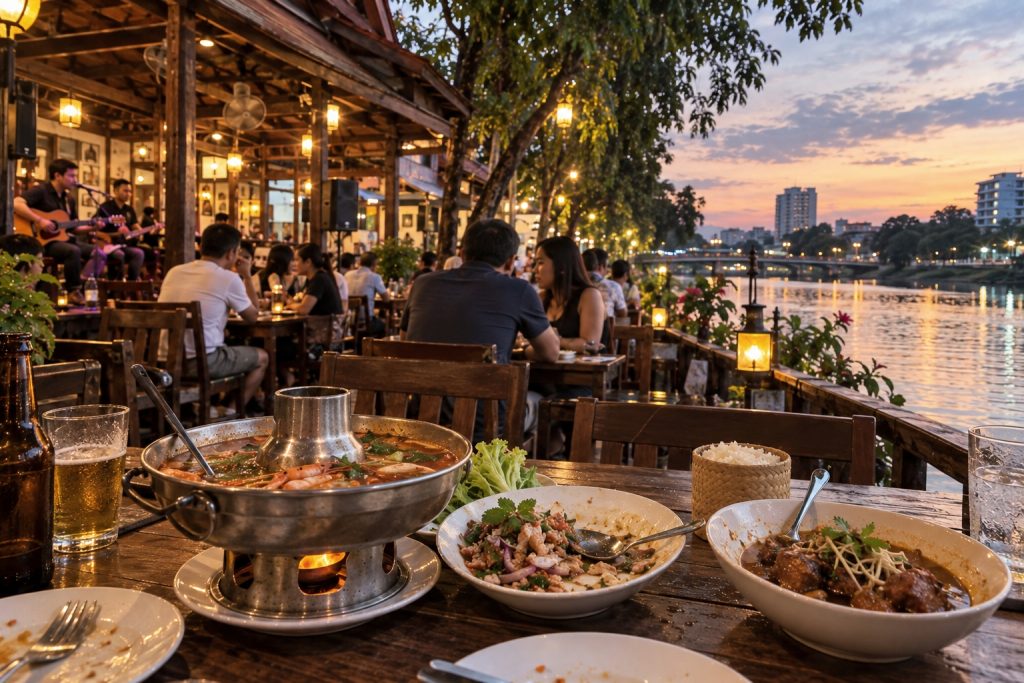
Immediately adjacent is Riverside Bar and Restaurant, an old wooden house with equally commanding views. Live music adds to the atmosphere, and dishes of tom yam goong, spicy pork salad, sour spare ribs, and gang hung lae (Burmese pork curry) are just some of the dishes with prices similar to Good View. The Riverside remains a fixture on Charoenrat Road, having been established in 1984.
The Anantara is an elegant riverside resort with the former British Consulate surrounded by the resort’s newer designer additions. The historic house, now known as 1921 House, remains at the heart of the property. Here, the riverside dining venues include Bodhi Terrace, while The Service at 1921 House serves contemporary steakhouse cuisine and cocktails. The former British Consulate building dates back more than a century.
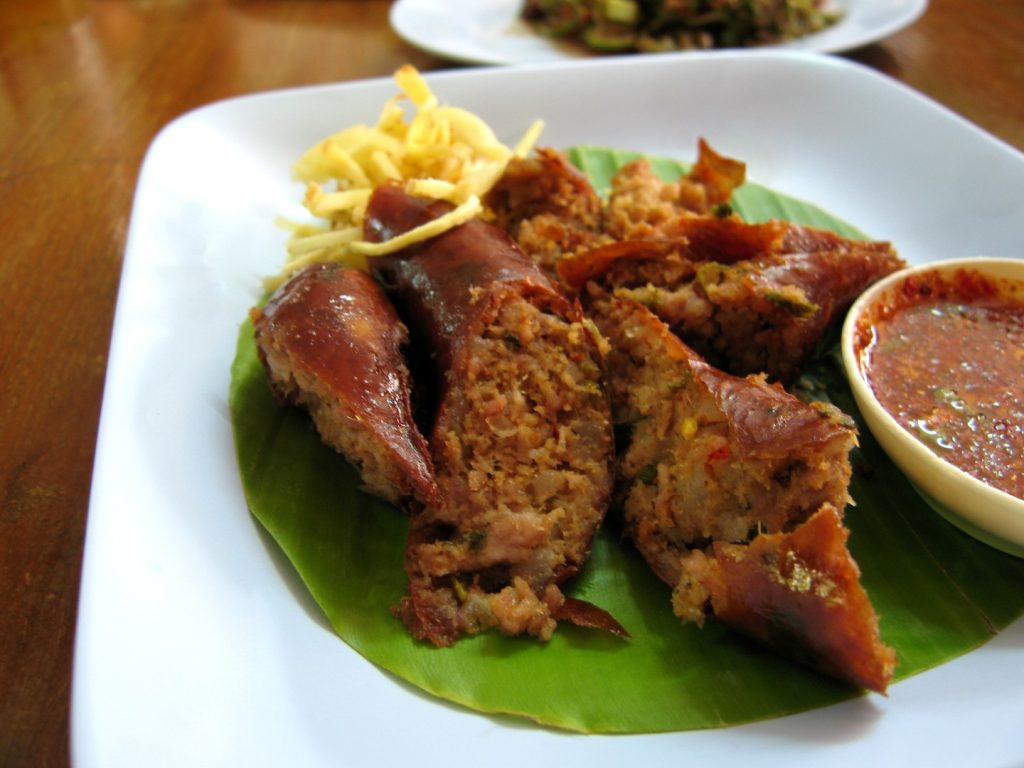
Huen Phen Restaurant is arguably the best outlet for authentic northern Thai dishes. The fact that it is packed with locals confirms this, but as it is well known among visitors, there is a reasonable smattering of foreigners, as well. Order sticky rice and dishes like pork sausage, eggplant, pork curry, and minced crabmeat to add some spice to your visit. The long-established restaurant remains open today, with its original Rachamankha Road location joined by branches elsewhere in Chiang Mai.
BIZARRE BAZAARS
The Night Market, or Night Bazaar, is one of Asia’s legendary markets, famous for souvenirs, clothing, jewellery, and many things you probably never thought you ever needed. It is the home of eclectic goods from fakes to fantasy, but is always a fun but busy place. It is also a well-established venue for food served in restaurants and open-air stalls.
The most atmospheric wet market is Warorot Market near Nakornping Bridge, which crosses the Ping River. Mee krob rad na (crispy noodles), iced jelly treats, sticky rice and mango, roasted water chestnuts, and exotic delights such as beetles, larvae, and bamboo worms are yours for the tasting.
Additionally, ‘Walking Street’ markets are held in the open air every Saturday and Sunday night, but in different locations. On Saturday, the markets extend along Wualai Road, while on Sunday, it’s the bigger one held along Ratchadamnoen Road through the Old City. Everyone will love the atmosphere, but maybe not the crowds, so arrive early if you appreciate personal space. The two markets remain regular fixtures, with the Sunday market generally the larger of the two.
Local delights here include locally made ice cream, Chinese herbal jelly, local fresh or dried strawberries, passionfruit, hill tribe coffee, macadamia nuts, and mulberry or mangosteen wine. That is just the food, but other things to seek out include clothing (cool designer T-shirts) and stationery made from recycled paper and – wait for it – elephant dung.
While artisans still produce handicrafts on the outskirts of the city, large factory-like outlets selling lacquerware, silk, silverware, wooden carvings, antiques, and umbrellas are now quite common and cater to busloads of eager shoppers. Shops in the villages of San Kamphaeng and Bo Sang are the ones where most visitors are taken.
The road to San Kamphaeng via Bo Sang is lined with outlets selling many of these items. Bo Sang Umbrella Village is where handmade umbrellas are produced. These days, however, bargains are few and far between, and you must make decisions that are best for you, bearing in mind that organized tours and even those where you secure your own driver will be based upon whoever takes you there receiving a commission.
For something more authentic, head into the old city within the crumbling walls and moat or off to trendy Nimmanhaemin, abbreviated to Nimman. Artisanal-made products are also available from two shops on Nawatket Road – Healing Family Foundation, with handicrafts made by people with disabilities, and across the road, Fai Sor Kam Gallery, where students from Thammasat University have sold their own creations. The Healing Family Foundation remains active at its Nawatket Road premises.
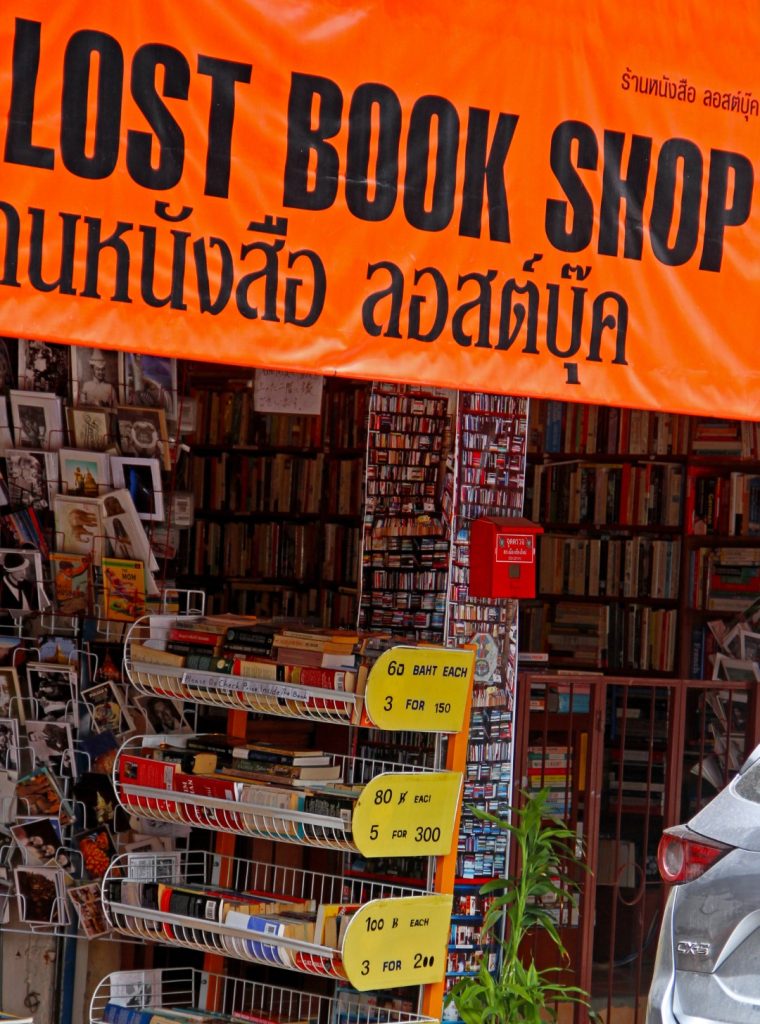
If more conventional shopping is your thing, visit Central Chiangmai Airport, formerly Central Airport Plaza, anchored by Robinson Department Store, and Northern Village with its selection of local products, including coffee, candles, aromatherapy treatments, and silk. Central Chiangmai Airport continues to house Robinson and a wide range of shopping and entertainment facilities. For books, head to Suriwong Book Centre or The Lost Book Shop, the latter a quality secondhand bookshop covering Thai and regional topics, as well as novels. Both remain listed as operating Chiang Mai bookshops.
BARISTA BREWS
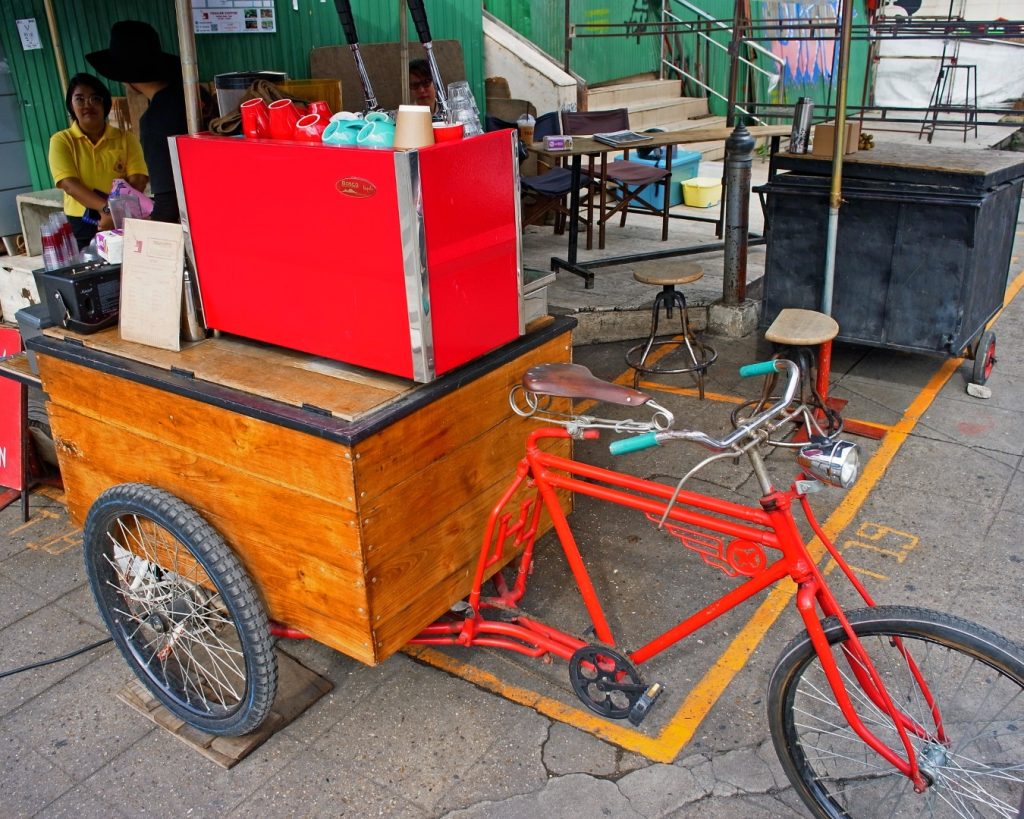
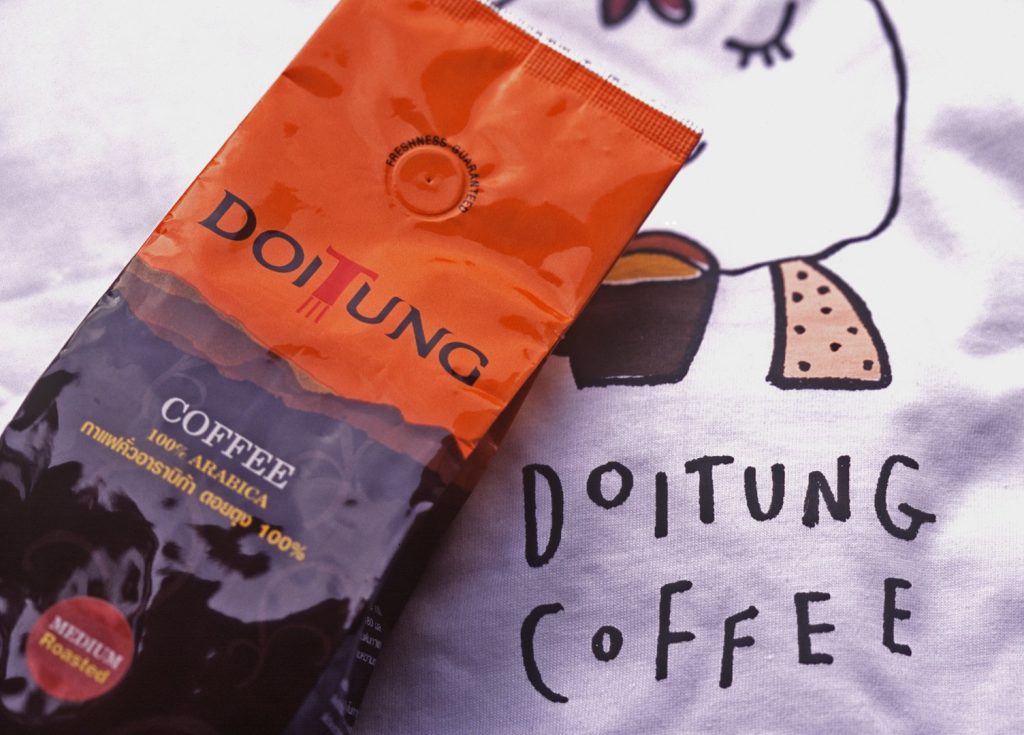
Thais have taken to the café society like most other Asian cultures and have even conceived a few innovative local concepts such as Black Canyon, Doi Tung, Doi Chaang, and Wawee. Doi Tung, with beans supplied from the northern mountain of the same name, has several outlets in Chiang Mai. Wawee Bistro opposite Tamarind Village, a boutique hotel, has a great streetside location, especially for the Sunday Walking Market, when the street becomes a shopping frenzy. This and other concepts appeal to many who frequent these establishments to engage with their devices as well as enjoy the coffee.
Offering plenty of enjoyable pursuits for visitors who may not be so keen on the unrestrained chaos of Bangkok, Chiang Mai is an exotic and exciting Thai destination and just perfect for a short break from Kuala Lumpur.