



From Pahang’s tangy tempoyak fish to Terengganu’s beloved nasi dagang and Kelantan’s colourful nasi kerabu, Malaysia’s East Coast offers a distinctive culinary journey shaped by cherished local traditions, fresh ingredients, and generations of home cooking.
Malaysia’s East Coast is often celebrated for its beaches, rainforests, and more leisurely pace of life, but some of the region’s most distinctive character is found on the plate.
As the East Coast Rail Link (ECRL) prepares to make travel from the Klang Valley to Pahang, Terengganu, and Kelantan significantly more convenient starting in December, visitors will have new opportunities to discover the flavours that set each state apart. In conjunction with World Food Day on October 16, here are eight local specialties worth seeking out along the way.
PAHANG: IKAN PATIN MASAK TEMPOYAK, PUDING DIRAJA, AND LAKSA PAHANG
From a river-town staple to a royal dessert
Few dishes capture Pahang’s connection to its rivers quite like ikan patin masak tempoyak. This freshwater fish is simmered in a rich, tangy gravy made with tempoyak, the fermented flesh of durian. The result is distinctive without being overpowering: creamy, sour, fragrant, and deeply savoury, with tender patin absorbing the character of the gravy.
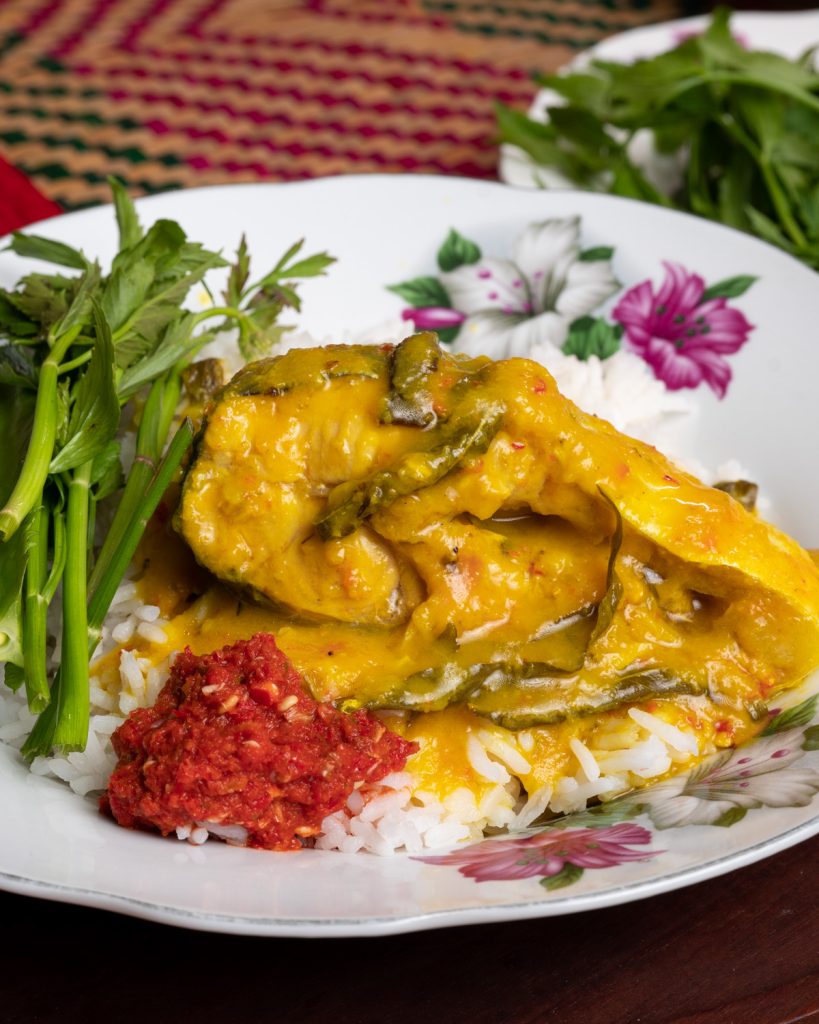
The dish is closely associated with Temerloh, often known as the “town of silver catfish,” where ikan patin has long been part of the local food culture. Traditionally enjoyed with steaming rice, fresh ulam, and a little sambal, it is a satisfying expression of Pahang’s culinary heritage.
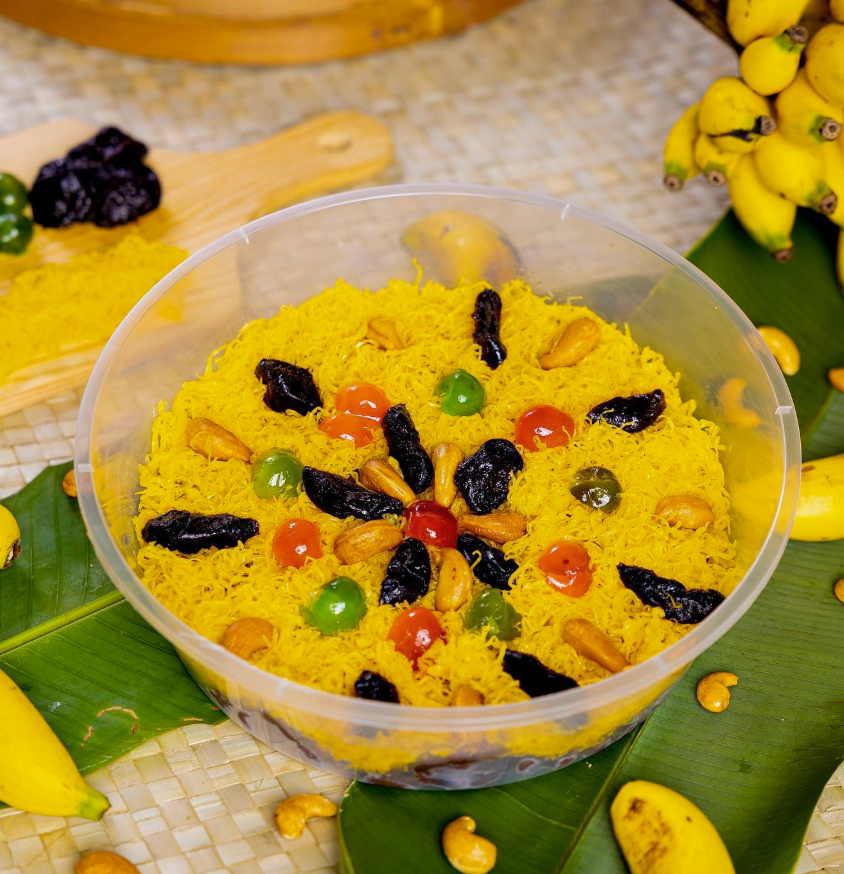
For something sweeter, seek out puding diraja, a dessert originating in the royal town of Pekan. Once prepared for the Pahang royal household, it features golden bananas accompanied by ingredients such as prunes, cherries, and cashew nuts, all served with a smooth custard sauce. Rich, colourful, and indulgent, it makes a fitting afternoon treat.
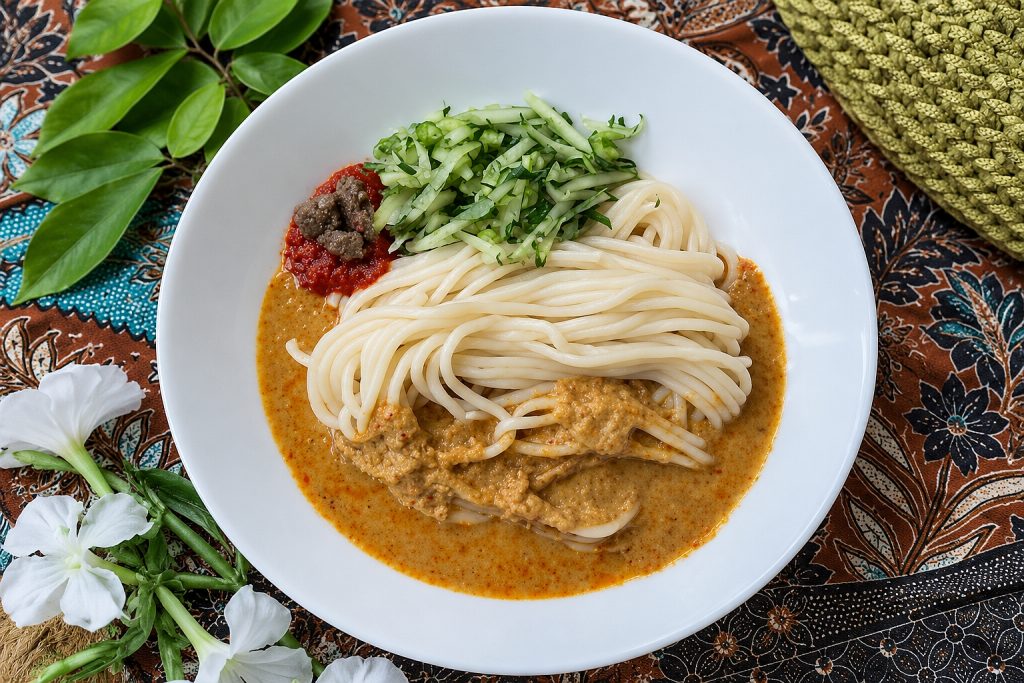
Laksa Pahang offers a distinctive alternative to the better-known laksa styles found elsewhere in Malaysia. Rice noodles are served with a savoury, spice-rich fish gravy, creating a comforting dish that reflects the state’s river and coastal food traditions. Recipes vary, but the combination of noodles, fish, and aromatic seasonings makes it a satisfying meal for travellers keen to explore Pahang beyond its famous ikan patin tempoyak.
TERENGGANU: NASI DAGANG AND KEROPOK LEKOR
The full meal and essential snack of the East Coast
Made with a combination of rice and glutinous rice cooked in coconut milk, nasi dagang is fragrant, filling, and unmistakably Terengganu. It is traditionally served with a rich tuna curry, pickled vegetables, and sambal, bringing together creamy textures, warming spice, and a refreshing touch of acidity.
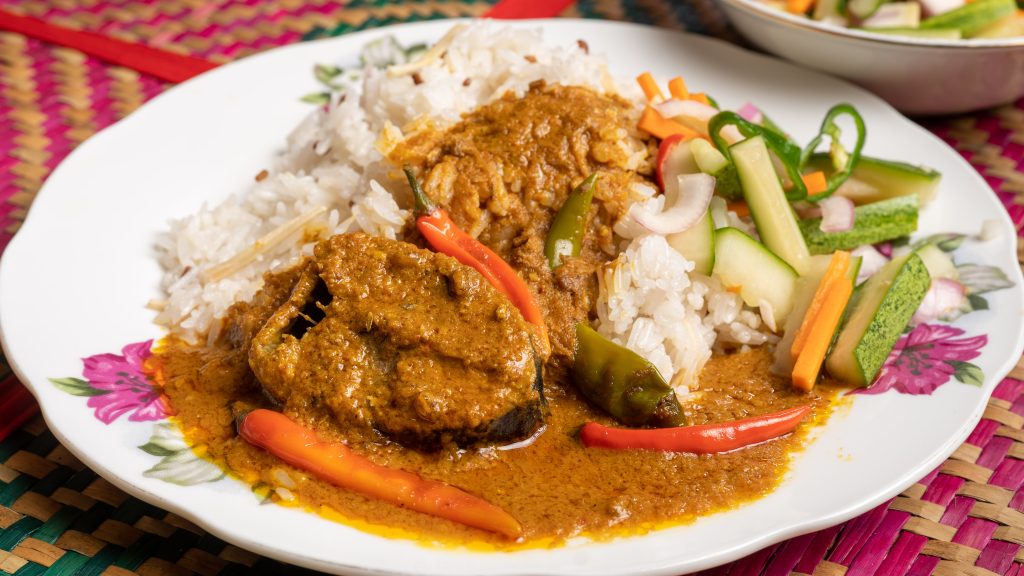
Its name is commonly associated with traders and travellers who carried the rice on their journeys. Whether enjoyed for breakfast or later in the day, nasi dagang offers a delicious introduction to Terengganu’s coastal food culture.
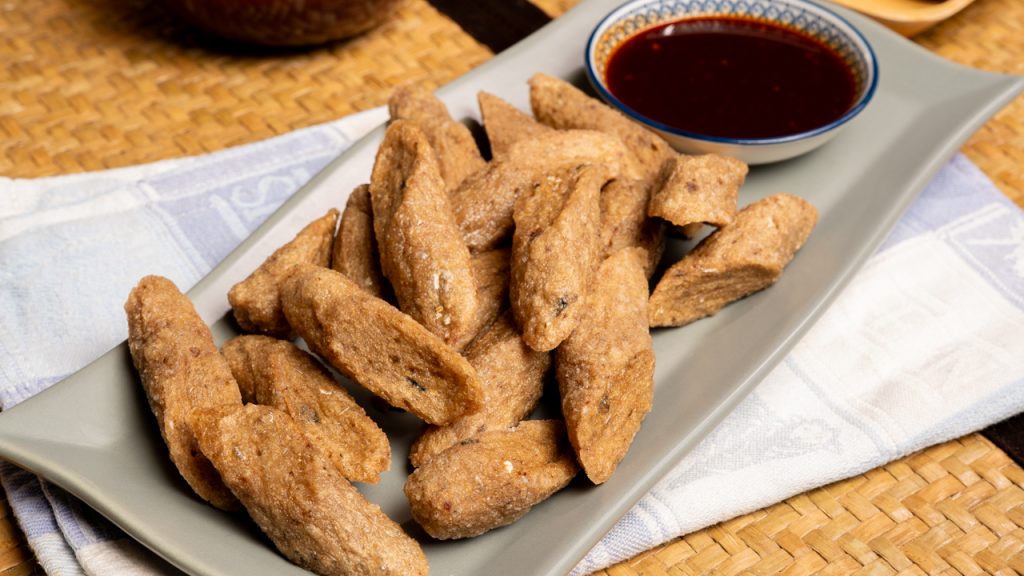
No culinary journey through the state would be complete without keropok lekor. Made from fish meat and sago flour, these distinctive fish snacks are easy to share and enjoy on the move. Boiled versions have a soft, chewy texture, while fried keropok lekor develops a crisp exterior around its savoury centre. Served with a sweet-and-spicy dipping sauce, they are an enduring East Coast favourite… and locals swear that nobody does it better than Terengganu.
KELANTAN: NASI KERABU, AYAM PERCIK, AND KUIH AKOK
The colours, flavours, and sweetness of Kelantan
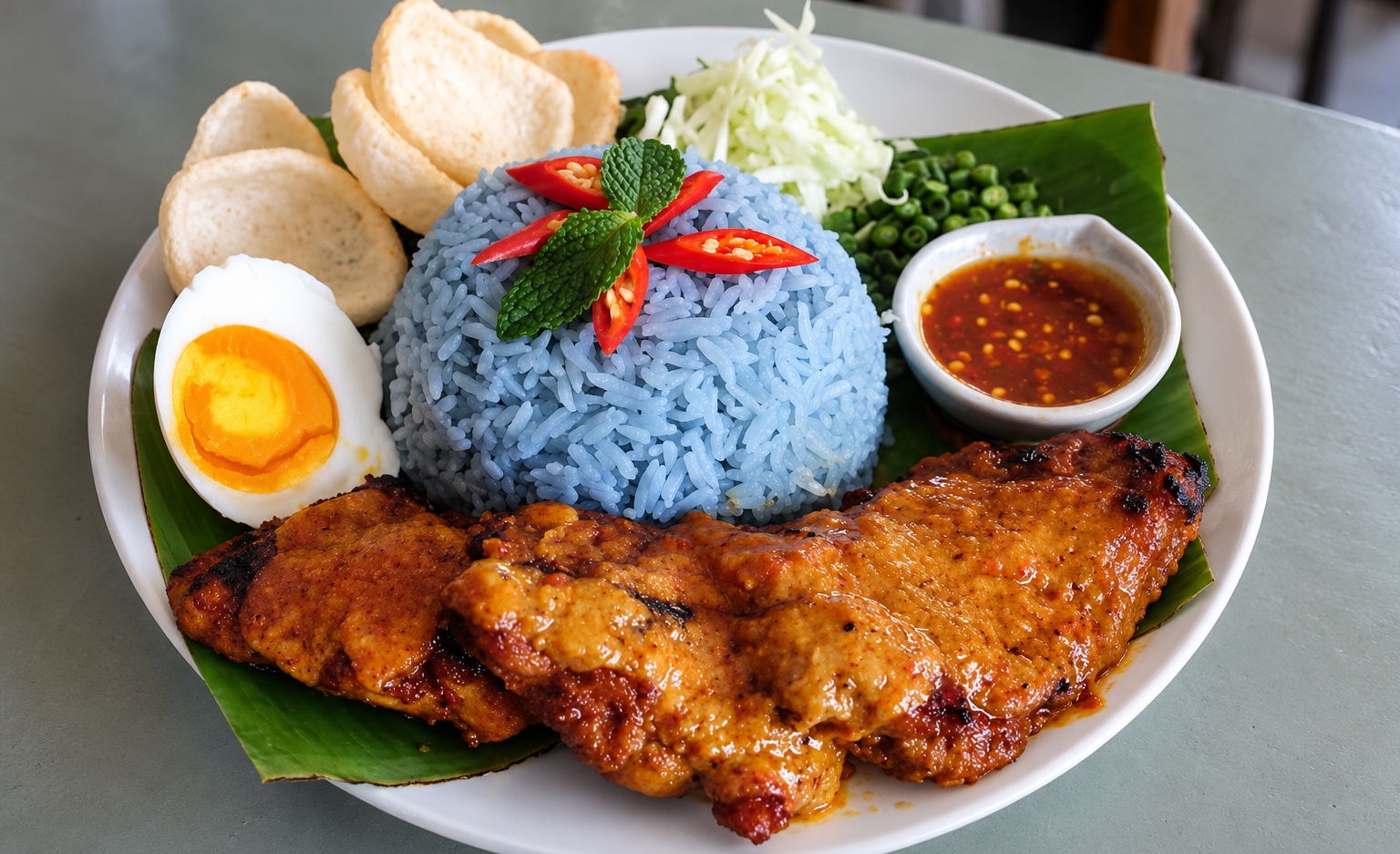
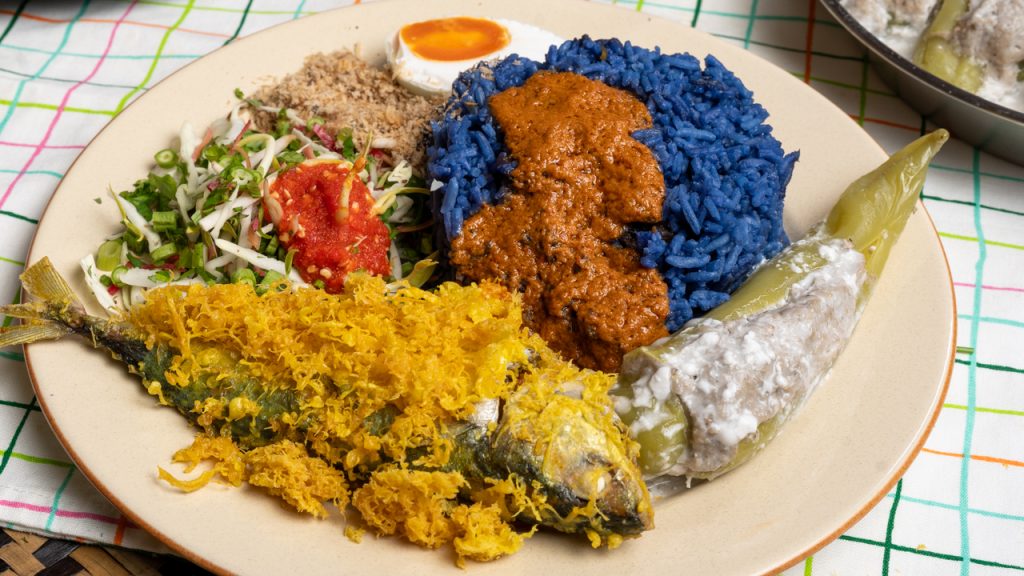
In Kelantan, start with nasi kerabu, the state’s celebrated blue-hued rice dish. Traditionally coloured with butterfly pea flowers, the rice is served with fresh herbs, ulam, grated coconut, budu, and a choice of meat or fish. The combination brings together fragrant rice, fresh greens, savoury fermented fish sauce, and a range of textures in a dish that is as distinctive visually as it is on the palate.
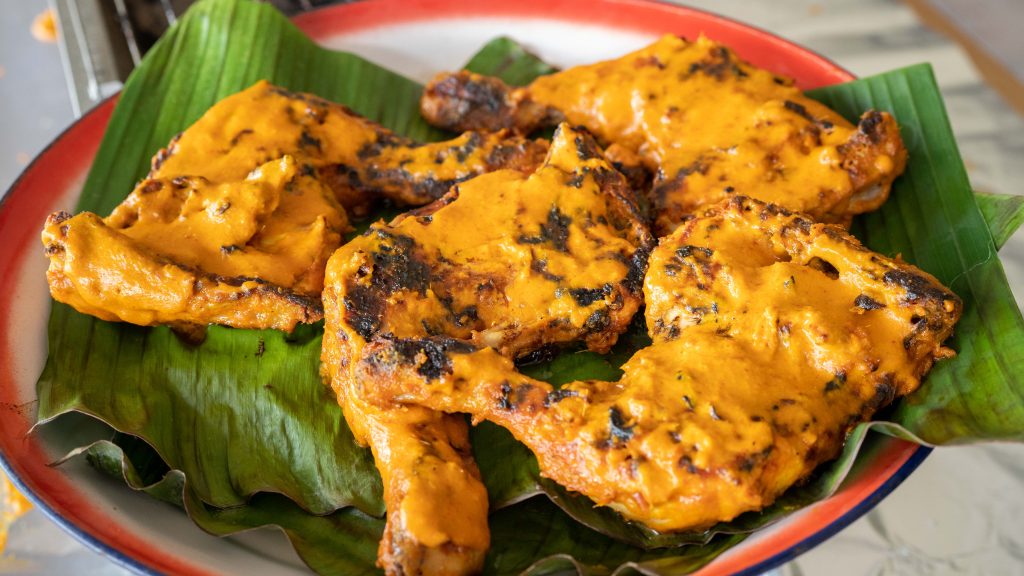
For a richer accompaniment, look out for ayam percik: chicken grilled over charcoal and repeatedly brushed with a fragrant coconut-based sauce. Kelantan’s version is known for its sweeter, creamier character, making it a natural partner for the herbs and savoury elements of nasi kerabu.
Finish with kuih akok, a traditional sweet made from eggs, coconut milk, and palm sugar. Baked in small moulds, the kuih develops a golden, wrinkled surface and a soft, custardy texture, with the caramel-like depth of palm sugar lending it plenty of character. It is a fittingly sweet conclusion to a taste of Kelantan.
With Phase 1 of the ECRL, connecting Gombak and Kota Bharu, expected to begin operations in December 2026, the journey between the Klang Valley and Kelantan is set to become considerably easier. As travel times fall and access improves, visitors can look forward to discovering the special communities, traditions, and flavours that define Pahang, Terengganu, and Kelantan, one plate at a time.
Article photos courtesy of Resepi Che Nom