



Simple, refreshing, and requiring just two ingredients, the Spanish tinto de verano is enjoying a surge in popularity beyond its homeland. In a country where warm weather is a year-round reality, it may be one of the easiest drinks Malaysians can add to their entertaining repertoire.
There are cocktail trends, and then there are drinks that have quietly existed for decades before suddenly finding themselves thrust into the spotlight.
The latest example is tinto de verano, a remarkably simple Spanish wine cocktail that has recently been featured by media outlets including HuffPost and others in the United States, where it is being tipped as one of the summer season’s breakout drinks. In Spain, however, there is nothing particularly new about it. Locals have been enjoying this easy-going refresher for generations.
Its appeal is easy to understand. Unlike many cocktail trends that demand specialist ingredients, obscure liqueurs, or an impressive home bar setup, tinto de verano is refreshingly straightforward. At its most basic, it consists of equal parts red wine and citrus soda, served over ice with a slice of lemon or orange.
That’s it! No shaking. No muddling. No syrups. No complicated garnishes.
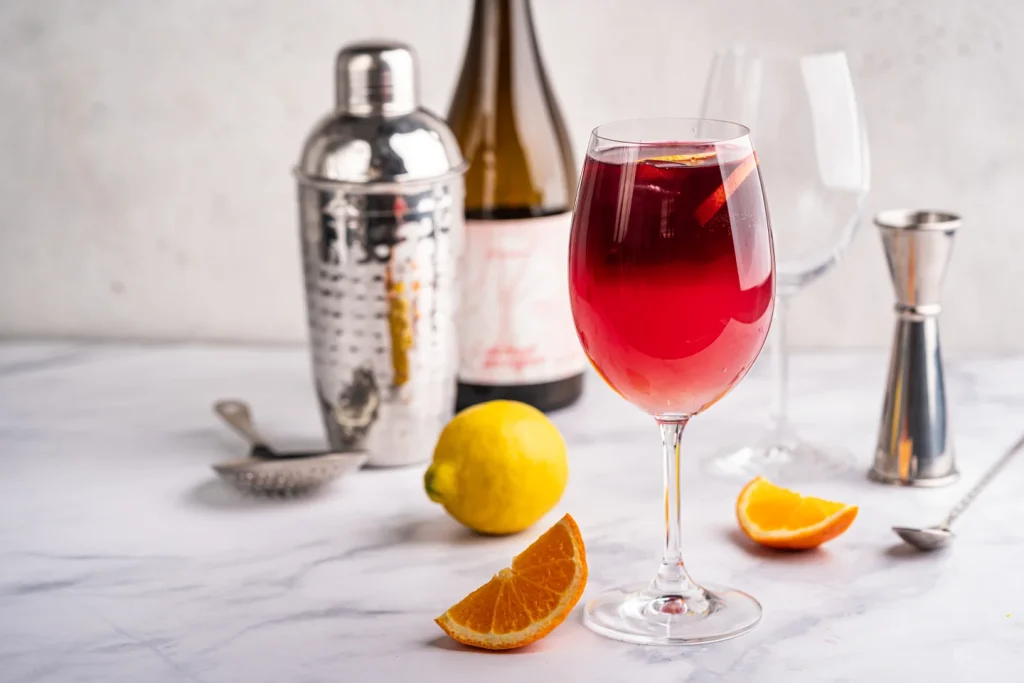
While it clearly shares some DNA with sangria, the comparison only goes so far. Sangria typically includes spirits, fruit, sweeteners, and additional ingredients. Tinto de verano is considerably lighter, lower in alcohol, less sweet, and far less fussy.
In a Malaysian context, where temperatures regularly hover around 30°C or higher and a summer vibe is common throughout the year, it feels almost surprising that the drink has not already become more popular here. That may change, so go on and get ahead of the curve now!
A LITTLE SPANISH HISTORY

The origins of tinto de verano are generally traced back more than a century to Córdoba in southern Spain. According to popular accounts, Federico Vargas, owner of the Venta de Vargas establishment, began mixing red wine with a carbonated soft drink during an especially hot summer. The result was lighter, cooler, and more refreshing than wine on its own.
The idea caught on, and today, it is one of Spain’s most commonly consumed warm-weather drinks, frequently enjoyed at beachside chiringuitos (beach bars), outdoor cafés, family gatherings, and relaxed meals with friends.
Jeff Koehler, a cookbook author who has lived in Spain for decades, described it as a simple and casual drink that he enjoys both at home and while dining along the coast.
“In Spain, this is such an everyday ‘sit outside with your friends’ kind of drink,” noted Linda Trotta, director of winemaking at Bread & Butter Wines.
That laid-back character is very much part of its charm.
NOT EVERYTHING NEEDS TO BE COMPLICATED
One reason the drink appears to be gaining traction internationally is that it arrives at a moment when many consumers seem to be moving away from elaborate cocktails and also embracing low-ABV drinks, as well.
Tiffanie Barriere, known as “The Drinking Coach,” summed it up neatly when she said, “Tinto de verano is one of those drinks that reminds you that not everything needs to be complicated to be good.”
That sentiment has clearly resonated. Over the past decade, drinks like the Aperol Spritz, Negroni Sbagliato, and various highly stylized social media cocktails have enjoyed their moment in the sun. While many remain popular, there is also a growing appreciation for drinks that are approachable, affordable, and easy to recreate at home.
The beauty of tinto de verano is that almost anyone can make one successfully on the first attempt.
HOW TO MAKE IT
Traditional recipes call for a 50-50 mix of red wine and a lightly sweetened citrus soda.
For the wine component, experts generally recommend a young, fruit-forward red. Expensive bottles are unnecessary. In fact, Spaniards often use everyday table wine.
The key is choosing something pleasant to drink on its own. A lighter-style Spanish Tempranillo works well, but so do many approachable reds from Australia, Chile, Argentina, easily found on local supermarket shelves in Malaysia.
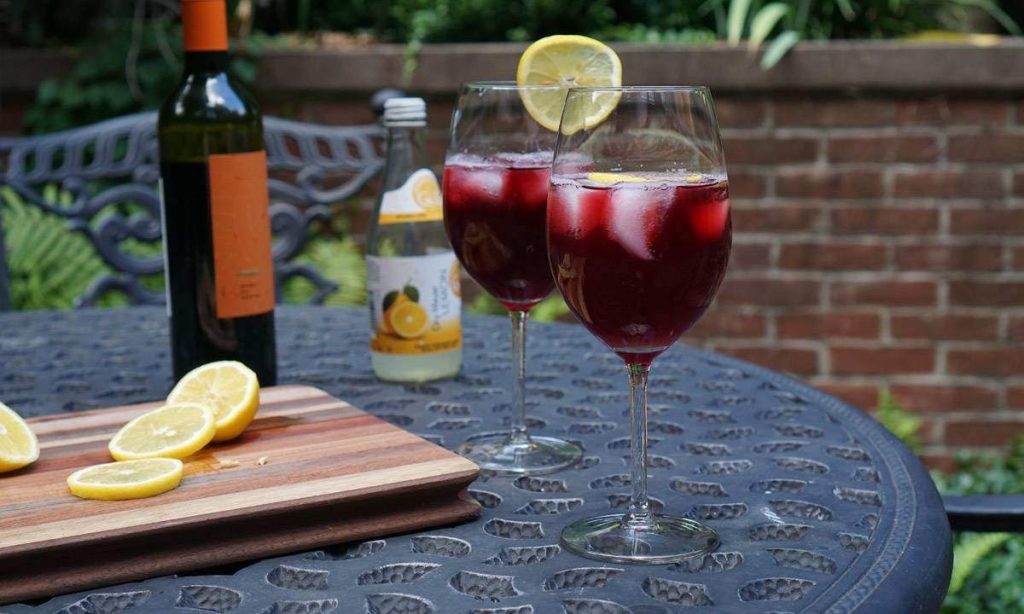
For the fizzy component, Spain often uses gaseosa, a lightly sweetened sparkling soft drink. While that can be difficult to find in Malaysia, there are several easy substitutes.
San Pellegrino Limonata is perhaps the closest readily available option here and delivers exactly the sort of citrus profile the drink calls for, though as it’s imported, it can be a bit pricey. Schweppes Bitter Lemon also works very well, adding a pleasant touch of bitterness. (We like this one.) Sprite or 100PLUS Lemon Lime can be used in a pinch, though they will produce a sweeter result.
For those who prefer a less sugary version, simply combining soda water with a squeeze of fresh lemon and a touch of simple syrup creates an excellent alternative.
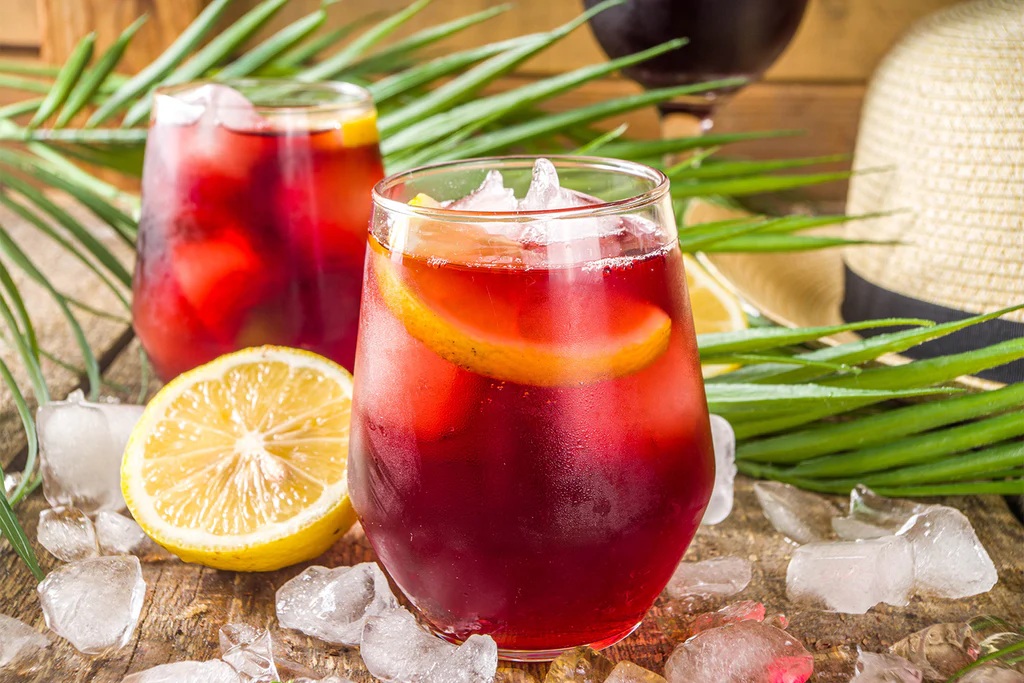
Fill a glass generously with ice, add equal parts wine and citrus soda, stir briefly so as not to de-fizz the soda, garnish with a slice of lemon or orange, and serve.
Done!
NO NEED TO OVERTHINK IT
One of the recurring themes among those discussing tinto de verano is that attempts to elevate it often miss the point. The drink succeeds precisely because it is uncomplicated.
Of course, that does not stop some bartenders from introducing their own variations. Some use bitter Italian lemon sodas. Others experiment with different wine styles or serve the drink over crushed ice for added texture. There is certainly room for personal interpretation. (A frozen version – granita – also exists, and that one certainly holds some intrigue!)
Still, the essence remains unchanged: a refreshing, easy-drinking combination that places enjoyment ahead of complexity.
It also aligns with another growing trend in the beverage world. Consumers are increasingly embracing lower-alcohol drinks that can be enjoyed over longer periods without the intensity associated with many traditional cocktails.
Wine-based cocktails fit neatly into that space.
As Trotta observed, they help remove some of the seriousness often associated with wine while making it more accessible and social. That philosophy feels especially relevant in Malaysia, where gatherings frequently revolve around food, conversation, and long evenings spent in al fresco settings.
Whether served alongside grilled seafood, tapas, pizza, or simply enjoyed on a balcony after work, tinto de verano offers a reminder that some of the best drinks are often the simplest.
And if a cocktail can be made in less time than it takes to decide what to watch on Netflix, all the better.