


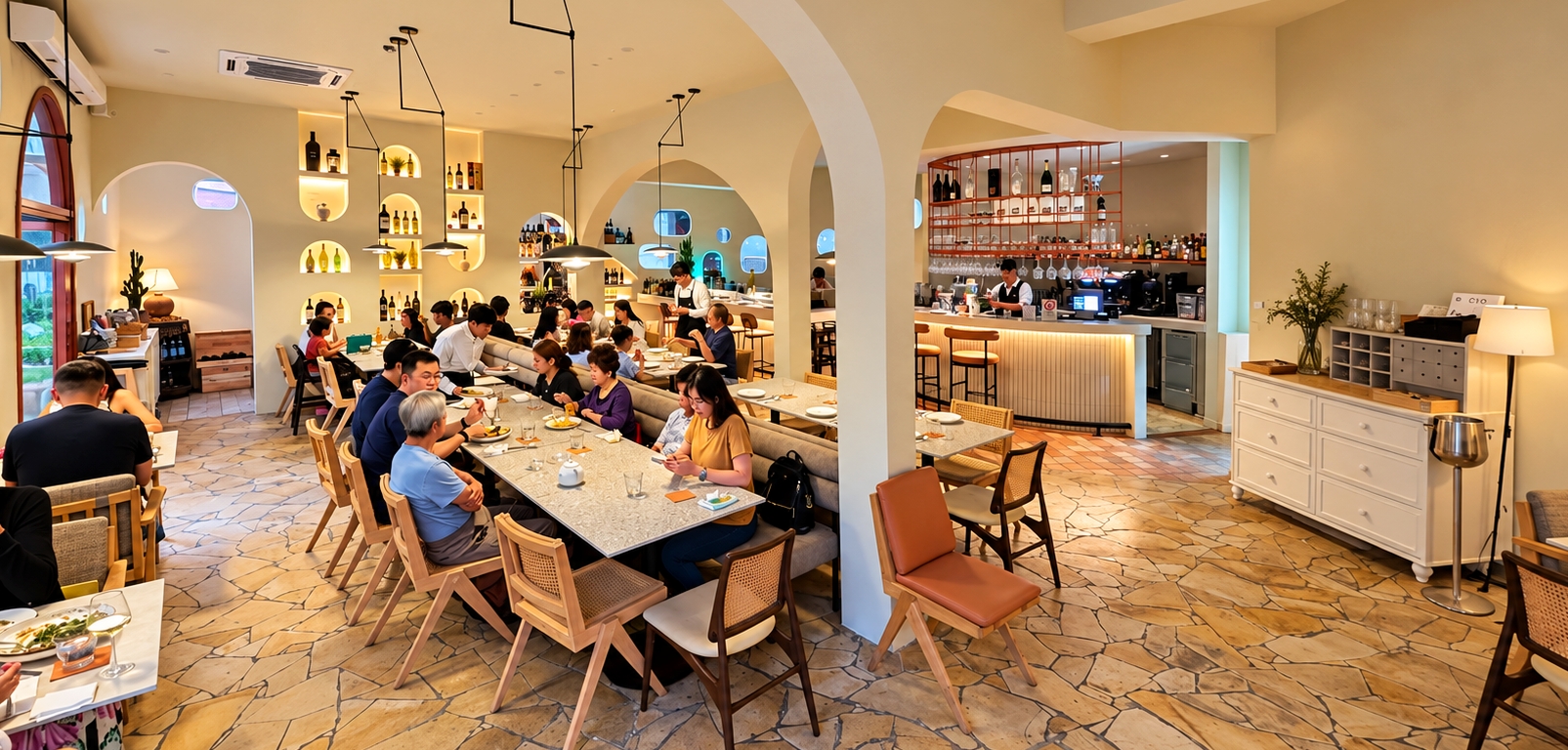
Authentic Italian cooking, a delightful ambiance, and a thoughtfully assembled wine list make this Mont Kiara restaurant a thoroughly satisfying destination for lovers of Italian food and wine.
Additional text and photos by David Bowden
Though it’s tempting to call Mont Kiara’s Bacio Italian Kitchen a “hidden gem,” that moniker would be only half true. Yes, this delightful eatery is a gem in virtually every sense of the word, but hidden? Maybe a bit obscured from street view, but as we found, it’s definitely not a little-known restaurant flying under the radar, hoping to be discovered.
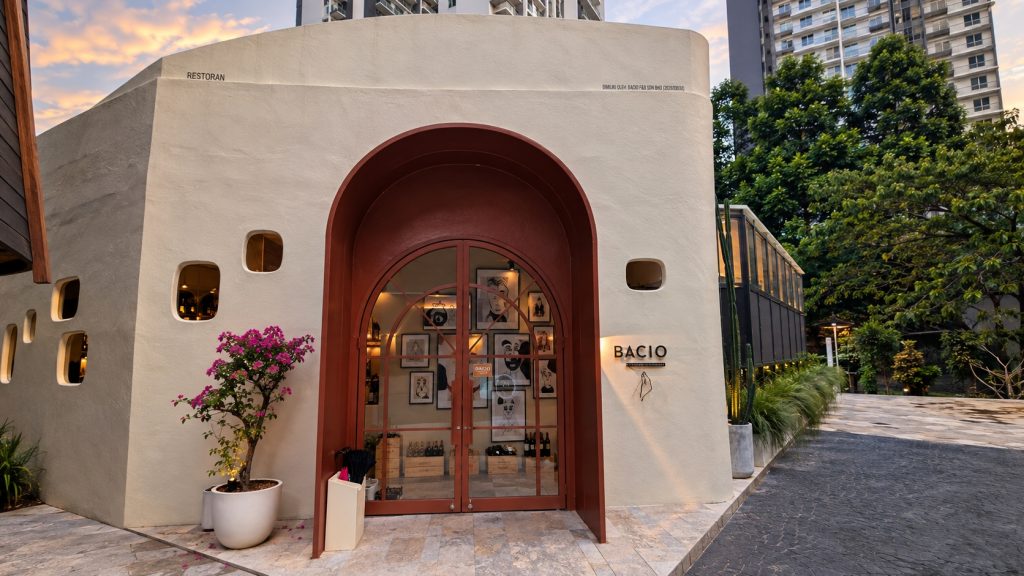
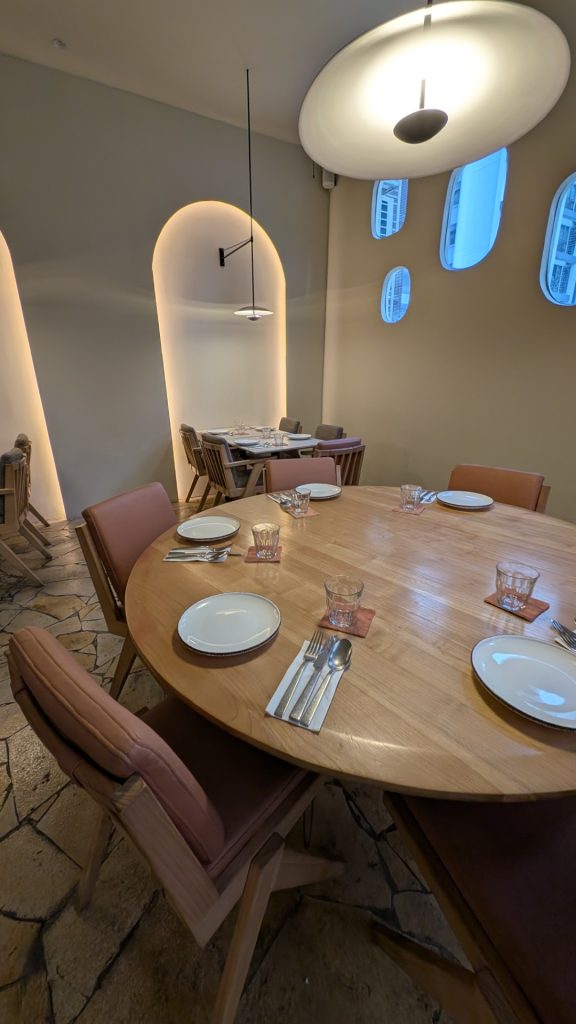
Bacio, which means ‘kiss’ in Italian (and is pronounced ‘BAH-cho’ with a largely silent ‘i’), is routinely packed to the gills, and even when we visited on a nondescript Tuesday night, it was doing robust business. To even get photos of the dining areas without too many people, we mostly had to wait until nearly closing time! For our own seating, we managed to get a table in the quasi-al fresco area just outside the vibrant main dining room, and what a treat that was – something worth mentioning in detail, actually.
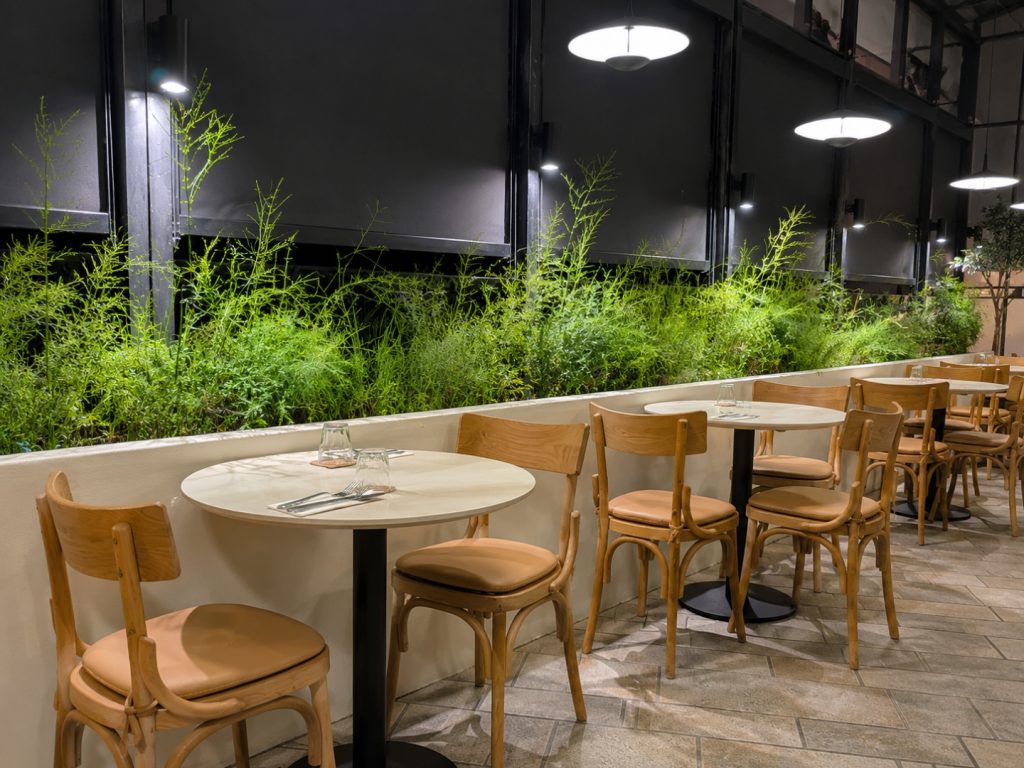
It’s a relatively small area, about six tables or so, and it’s enclosed by a low-level planter and walls framed with windows at the top and rolling shutters at the bottom. The shutters were open, so the space was somewhat open to the outside, but three huge air-conditioning units were blasting away, complemented by ceiling fans.
The result may not have been intentional, but it was impactful nevertheless: We were seated right by those open window shutters. The plants were moving and swaying in the breeze from the fans, and the arctic air-con blasts were keeping the ambient temperature not just properly cool, but well dehumidified, too. The result was a masterful illusion. We felt like we were sitting in a temperate-climate country’s restaurant, with cool, dry air streaming in from the outdoors via these open windows. None of that was true, of course, but the impression was so thorough, it elevated the entire experience. Were we in northern Italy in the fall? Or were we still in suburban Kuala Lumpur in steamy, tropical Malaysia?
THE MEAL
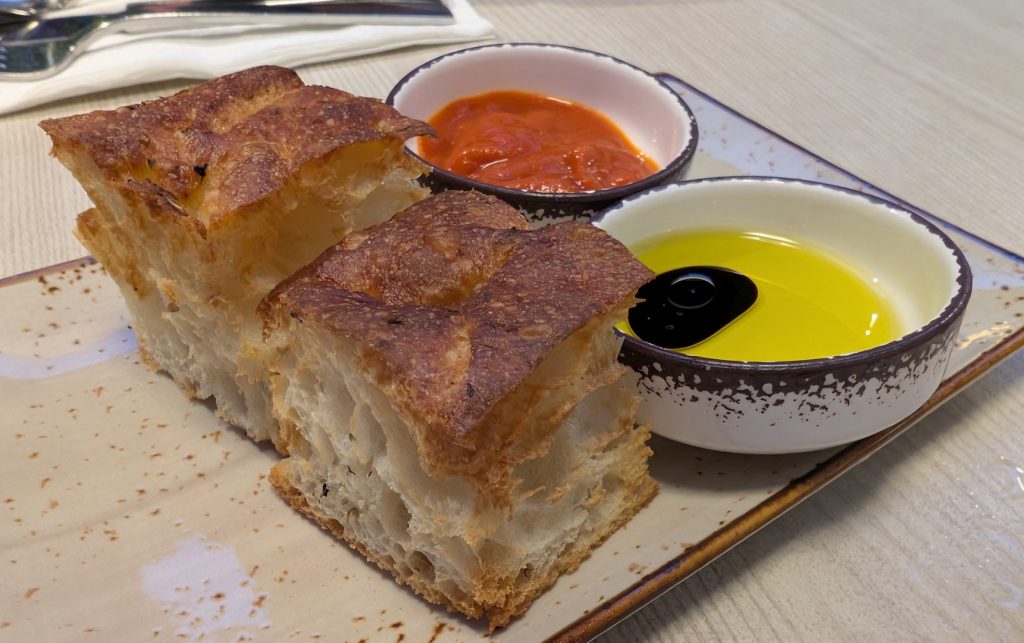
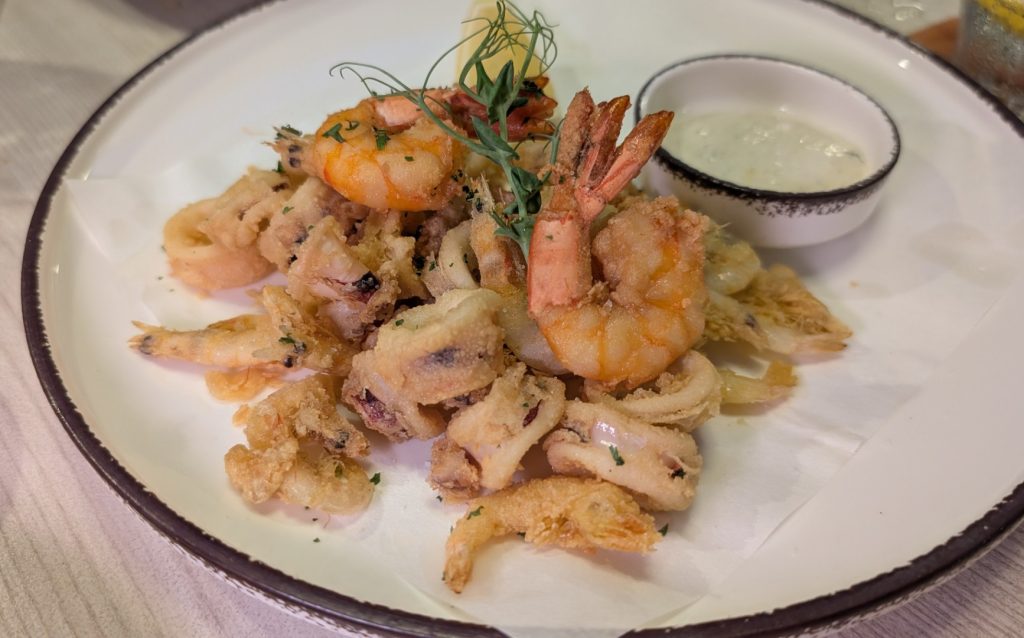
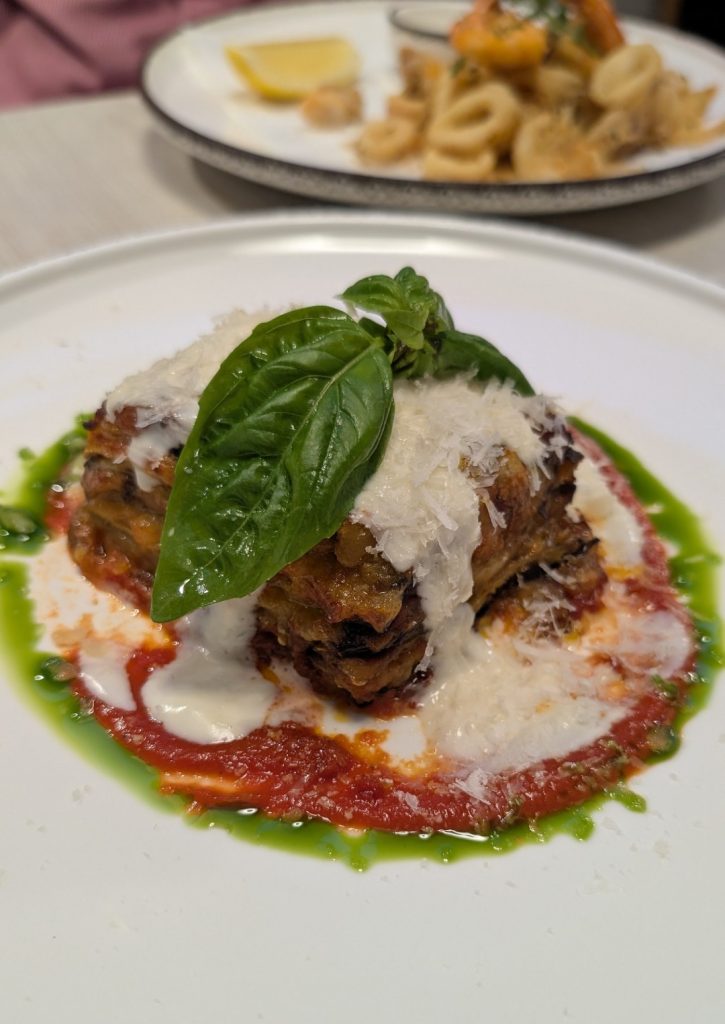
So the mood was suitably set, and as we received some bites of crusty bread to enjoy, we ordered our starters from the antipasti menu, selecting the Fritto di Mare (fried seafood selection, RM52) and the Parmigiana di Melanzane (eggplant parmigiana, RM34). It was a hard choice as all six items on offer looked amazing, but we were very happy with our selections. The lightly dusted, flash-fried seafood – squid, whitebait, and prawns – arrived in a relatively modest portion, but what it lacked in quantity it more than made up for in quality: fresh, beautifully cooked, and crisp, with a bright tartar sauce alongside. The eggplant parmigiana was altogether more generous, and so satisfying that it could easily have held its own as a main course.
From the primi menu, which showcases a range of tempting pastas and risottos, we opted for the Fettucine al Tartufo (RM58), with the house-made green fettucine noodles festooned with beef sausage and forest mushrooms, enrobed in a decadent truffle sauce and topped with shaved 24-month-aged Parmigiano Reggiano.
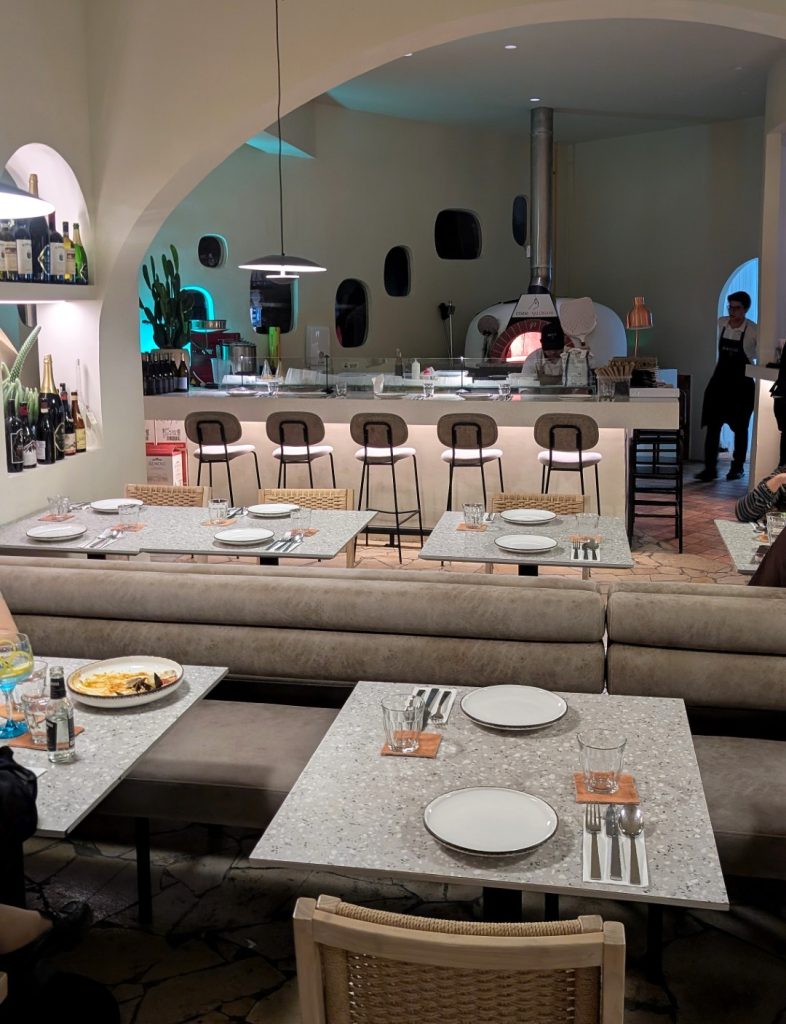
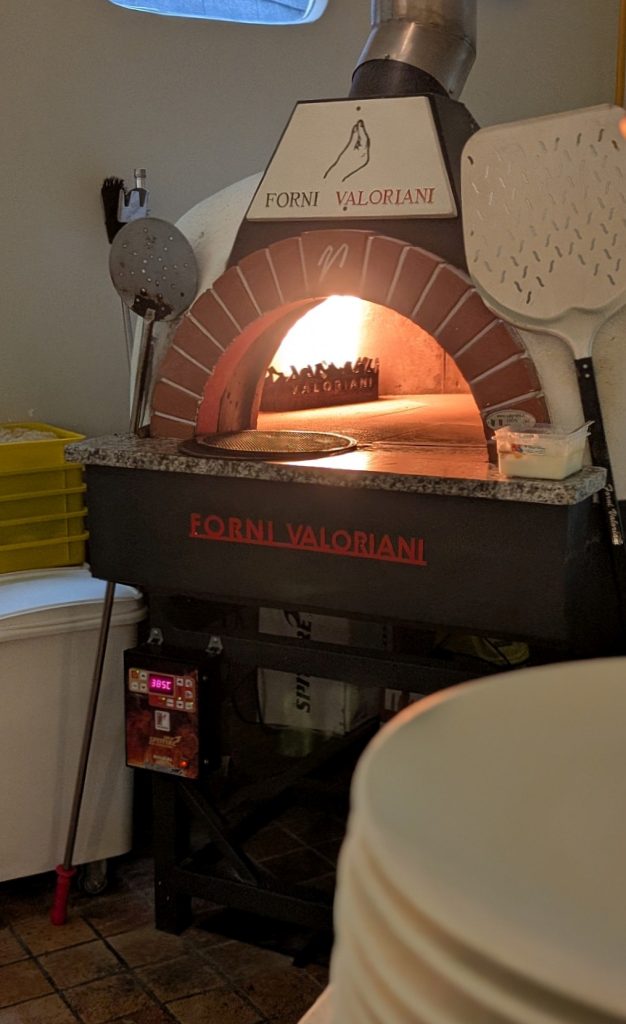
Now, we admittedly should have just gone on to the secondi menu, which looked amazing, but we chose instead to try a pizza from Bacio’s beautiful Forni Valoriani pizza oven, imported from Reggello, Tuscany. We went with The Italian (RM64), which surprisingly turned out to be a slight misstep. The authentic ingredients seemed to tick all the boxes for serious Italian pizza (San Marzano tomatoes, Fiordilatte mozzarella, Italian beef bresaola, etc.), and the crust was nicely done, but we had to send it back for a second bake to fully melt the cheese, which was somewhat lost under an entire garden of rocket (arugula) leaves and drizzled generously with an aged sweet balsamic reduction, that great 24-month Parmigiano Reggiano, and extra virgin olive oil.
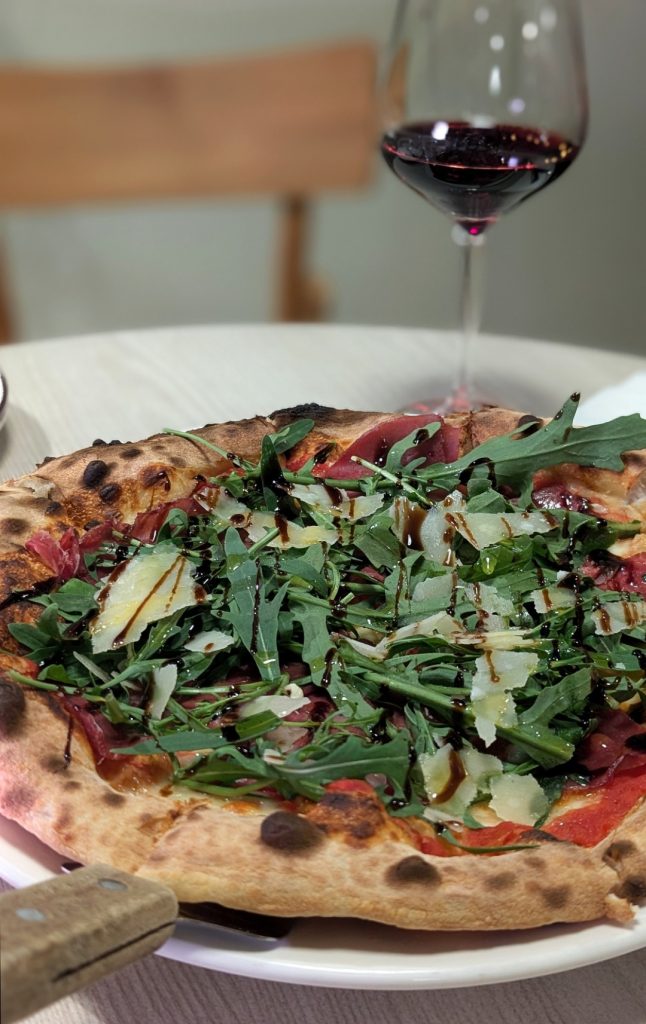
While this was certainly a better-than-average pizza, it just didn’t quite fully hit the mark for some reason. And honestly, by the time the tax and service charges are added, this is a RM75 pizza, so at that price point, it should be pretty mind-blowing. We cannot deny the impressive quality of the imported ingredients, so the money spent is certainly there on the pizza. (We were later told a replacement pizza is being considered for this particular option.) For pizzaholics, we might recommend the Diavola style (RM58) as a fine alternative, or even the classic Margherita (RM42).
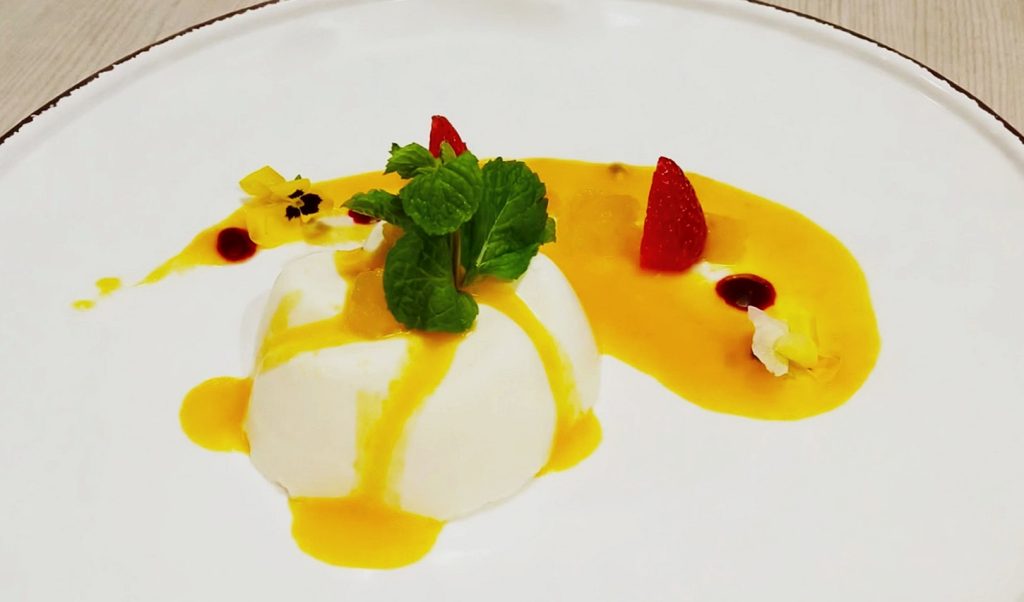
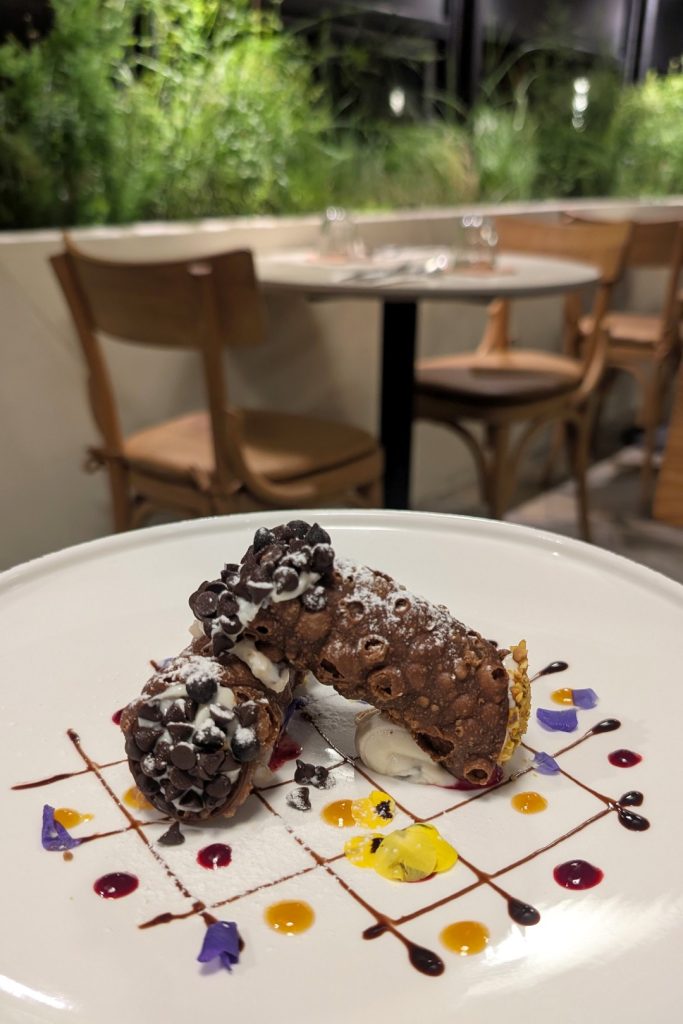
With no room left for a main dish, we proceeded to dessert. All the expected Italian treats are here, but we decided to forego the usual tiramisu and try the Pannacotta and Sicilian Cannoli (RM26 each). While the cannoli was most enjoyable, the pannacotta was on another level entirely – perhaps the best such rendition of this classic we’ve had in a long while, effortlessly combining the silky, perfectly executed custard with tonka bean, passionfruit reduction, and a lovely mango coulis. This is one dessert not to be missed.
THE DRINKS
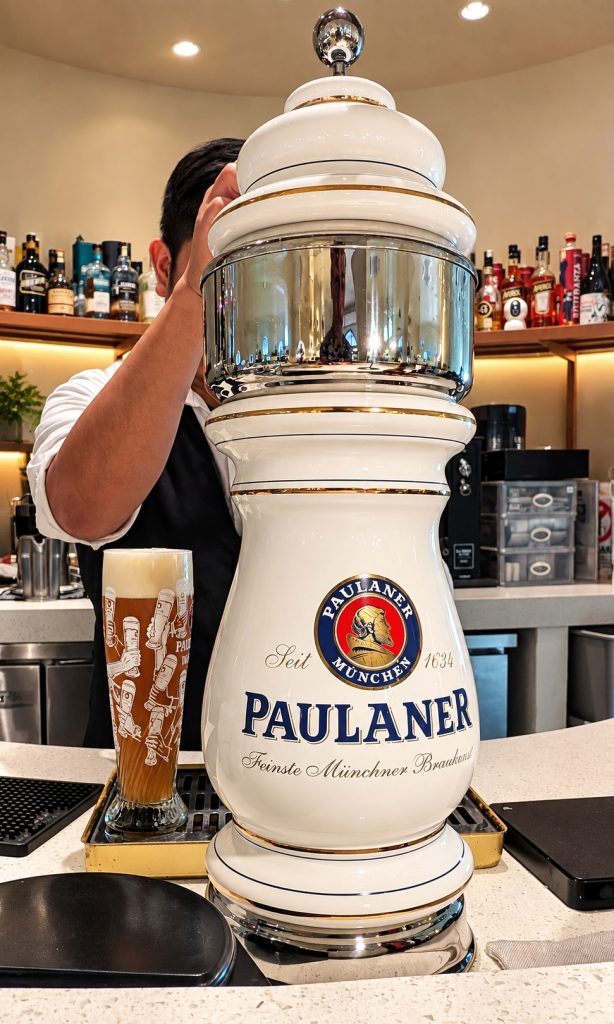
Bacio boasts a comprehensive beverage list with Munich’s Paulaner beer on tap (this deviation from the Italian theme is because it’s a favourite of the owner, which suited us just fine) and several premium grappas for guests’ post-dining pleasure.
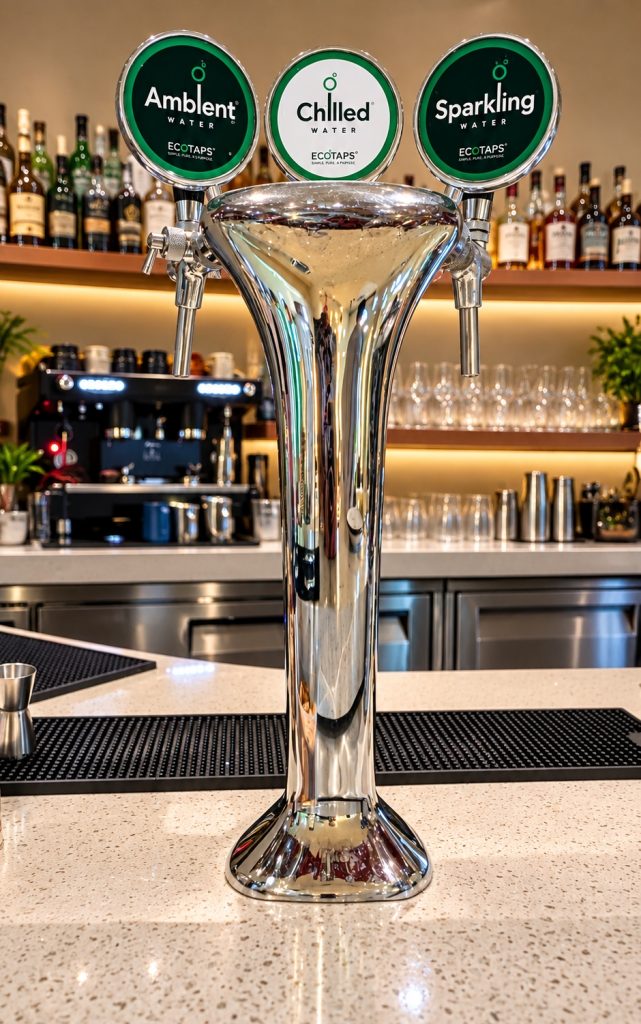
We appreciated that quality still and sparkling waters are available on tap and hope to see this trend expanded to more restaurants. For just RM2, guests can enjoy a bottomless glass of the water of their choice. Posh imported bottles are also on offer, of course (RM21), but we favour the lower cost and far lighter environmental footprint of the former option.
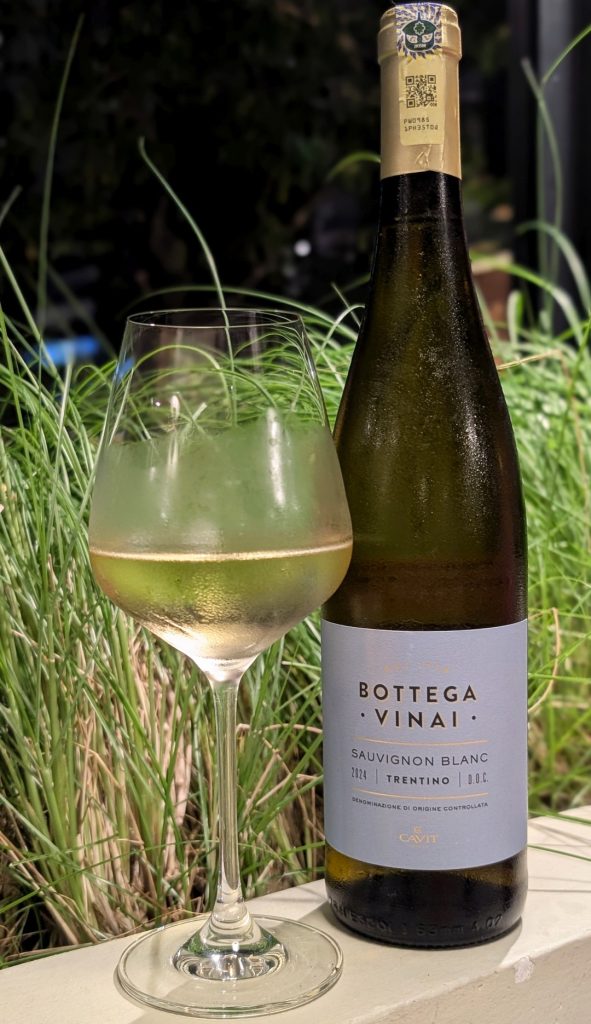
The wine, meanwhile, was a big part of what attracted us to Bacio in the first place. While sampling some lovely Italian wines from Trentino, we discovered that the wines of Bottega Vinai are only available in a handful of Malaysian restaurants, including Bacio. That exclusivity added to the appeal, so we made our way to Bacio, largely on the allure of these wines!
The wine list is compact and unashamedly dominated by Italian wines, with the only ‘ring-ins’ being the occasional French, German, and New Zealand bottles. Five wines (two whites, two reds, and a sparkling) are served by the glass, while we noted some 40 wines available by the bottle. Wine styles range from sparkling to still red, still white, rosé (or should that be rosato), and a Moscato dessert wine. While it would be wonderful to see the Moscato offered by the glass, it doesn’t make sense for the restaurant to make this available for just a few customers who enjoy a sweet treat with their dessert. More about the Moscato later.
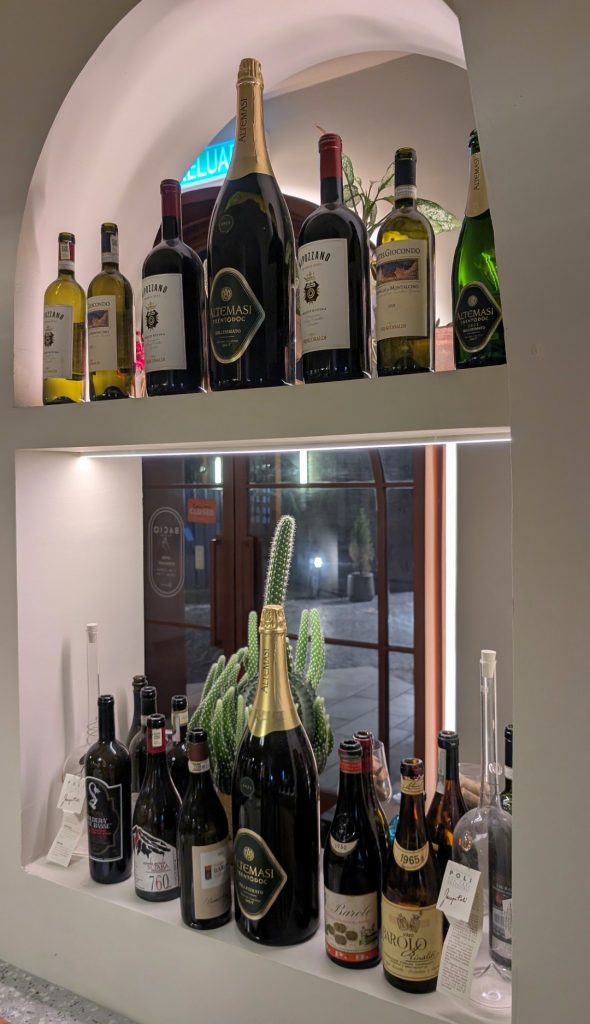
Apart from the sparkling prosecco, wines by the glass are keenly priced at either RM25 or RM27 (plus 18% in service and taxes), while wines by the bottle range from RM180 up to RM4,500 for the ‘Super Tuscan’ Sassicaia by Tenuta San Guido from Bolgheri. The pour for single-glass wines at Bacio is 100 ml, and we like that the modest pour allows prices to be kept very reasonable for wines that are decidedly a notch well above supermarket quality. It would be easy for many restaurants to charge RM30 or more for wines of this calibre, but the owner at Bacio prefers to keep the pricing more accessible to encourage guests to enjoy a glass with their meal. To us, this is commendable because – at least for those who do drink – any Italian meal can be made more enjoyable with a proper wine as its companion.
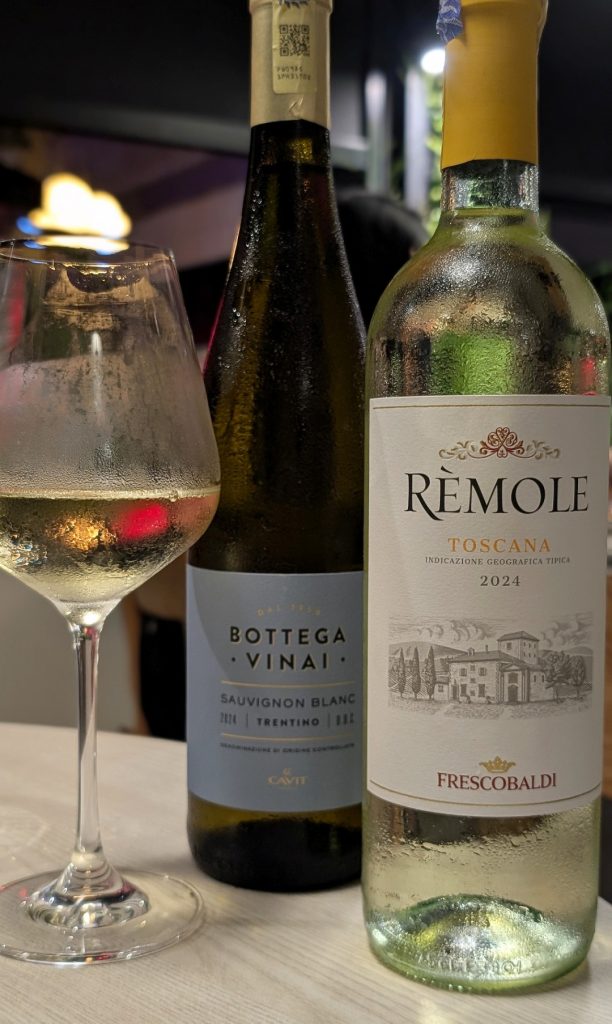
The white wines by the glass are a Bottega Vinai Sauvignon Blanc from Italy (RM25) and a Frescobaldi ‘Rèmole’ Bianco di Toscano (RM27). We were pleasantly surprised that the former, from the northern Italian region of Trentino, was as aromatic as most New World (New Zealand) styles of this varietal, but refreshingly more subdued and multifaceted on the palate. The Frescobaldi family knows a thing or two about winemaking, as they have been honing their craft for over 700 years. Their Bianco di Toscano is a refreshing and accessible wine produced on an estate located in Le Sieci, east of Firenze. It shows restrained fruitiness but paired well with our Fritto di Mare starter.
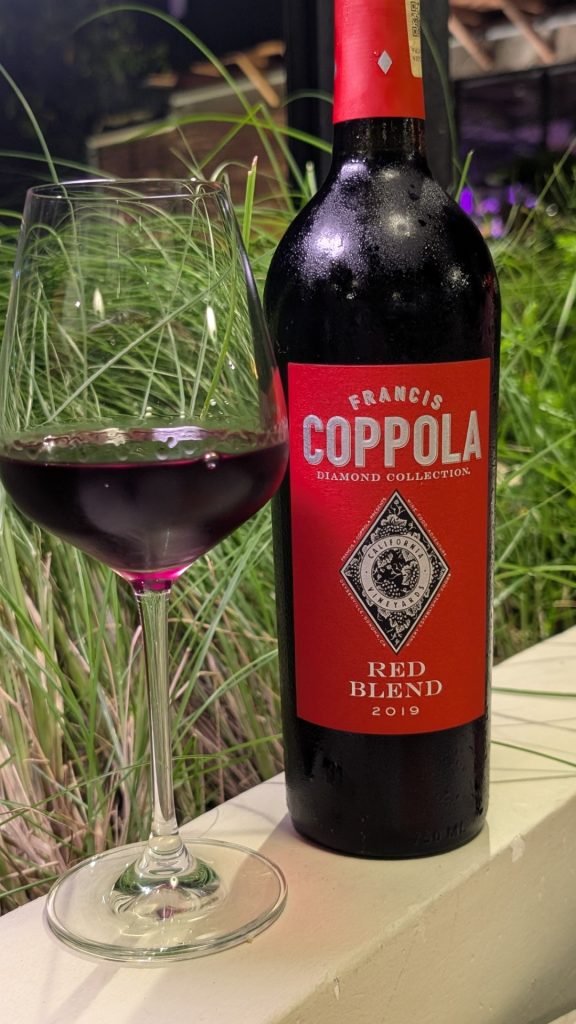
For the reds, the Rosso di Toscano is an uncomplicated wine, produced from Sangiovese and Cabernet Sauvignon grapes grown on the same estate as the Blanco di Toscano. The other, a Californian red blend from the estate of Francis Ford Coppola, is a more robust choice in that it is bigger, richer, and fruitier.
While studying the wine list, we could not help but compare the price by the glass to that by the bottle for the same wine. Those diners inclined towards quick calculations may also want to make comparisons, while perhaps others who enjoy gracing their table with an impressive bottle will do so regardless of the prices for those by the glass.
The two wines that lured us to Bacio are the two Bottega Vinai wines listed on Bacio’s wine list – the white from the estate is Sauvignon Blanc (RM25/glass or RM188/bottle) and the red, a Merlot (RM188). Both are produced in Trentino by Cavit, a leading Italian wine house. Northern Italy, bordering on Austria, is a fascinating part of the country that produces some excellent wines.
Touching on that Moscato dessert wine once more, sometimes we wish we dined in a group larger than two, as this way, we could buy a bottle of dessert wine to share amongst the table over desserts. This would have been a sublime opportunity, because Bacio has a Donnafugata ‘Kabir’ 100% Zibibbo Moscato di Pantelleria listed (RM265). We figure any wine that is made from 100% Zibibbo grapes demands attention (even though it is another name for Muscat of Alexandria). This wine is produced on a small volcanic island west of Malta, south of Sicily and off the Tunisian coast, and if that dreamy bit of info doesn’t inspire further investigation, we don’t know what would.
THE VERDICT
On the whole, we thoroughly enjoyed our experience at Bacio and would recommend it to anyone who loves good Italian food and wine. Birthdays and special occasions are wildly popular here, and the décor and ambient character of the restaurant makes it pretty Instagrammable, as well, if that’s your thing. We found the service to be very good, as well, with the staff both knowledgeable and engaging.
Prices at Bacio are perhaps on the slightly robust side – though certainly in keeping with the standards of good dining in Mont Kiara – but we suspect few diners will begrudge the bill. What you get in return is a genuinely excellent dining experience. With a charming setting, excellent Italian cuisine that appears to take no shortcuts, and an enjoyable line-up of liquid libations, it’s easy to see why most of the tables at Bacio are routinely occupied on any given night.
Location and Details
Bacio Italian Kitchen
Block B, Kiosk 5, Lot 1908
Jln Kiara 5, Mont Kiara
50480 Kuala Lumpur
Open for lunch and dinner | Reservations recommended
T: 010.399 7008
W: https://restaurants.umai.io/restaurants/bacio (reservations can be made here, as well)