





Retirement brings freedom, travel, and time to enjoy life, but it also comes with some unexpected challenges. For retirees in Malaysia, many of those hurdles may be easier to navigate.
This post contributed by Peter Brunoehler
Retirement unlocks a wealth of long-awaited rewards: untethered travel, unhurried time with family and friends, and the freedom to dive deeply into hobbies old and new. The frantic, career-driven pace slows, stress recedes, and rest takes its rightful place. Best of all, these simple pleasures can finally be savoured without the persistent pull of work deadlines or calendar conflicts.
Yet alongside these bright horizons and meaningful milestones, a distinct set of subtle challenges begins to take shape.
1. MENTAL CHALLENGES
Your brain is much like your muscles. Both need exercise, and both are cases of “use it or lose it.” The implication is straightforward. During your earlier, demanding, and possibly stressful working life, your brain was pressed and stretched, kept extremely active. Now, in your lower-stress, slower-paced environment, what’s to keep your brain as trim and lean as it was before?
The obvious answer is to keep challenging it, albeit in different ways than you did during your career. In fact, you have the chance for a double win here: to stay sharp and to enrich and enlarge your knowledge along the way.
Read as much as possible: online, offline, and those books you never had time for are a terrific start. Calculate whatever you can in your head: budgets, prices, exchange rates, investment yields, ratios, conversions. Debate issues with friends and family – politics are a good start, just keep it civil. Challenge your memory by actively and regularly recalling minute details of key life events and milestones.
Language lessons are a fabulous activity for your brain, and especially if you’re learning Bahasa Melayu, those lessons can lead you into new experiences, new acquaintances, and a greater cultural understanding of life here.

Socializing is a well-known and vital aspect of mental health. Malaysia is certainly conducive to this, with a friendly and largely English-speaking local population, as well as a sizeable and active expat community, including organizations such as The Expat Group, that keeps a healthy social life well within reach. The isolation that can exist in some overseas locales is seldom as much of an issue here.
2. PHYSICAL CHALLENGES
Aches and pains now regularly appear from nowhere, in muscles and body parts that you were barely aware of previously. Some days I wake to newfound discomfort of unknown origin – fellow retirees can relate.
However, dealing with this is much more manageable now, since you can rest and power down when not feeling terrific, with no MC required. Good health is unquestionably an essential component of a great retirement.
It’s more critical than ever to proactively and consistently ensure yourself the right food, drink, exercise, and rest. Experts tell us that sleep should be at least seven hours. That was sometimes two nights’ worth in my busy MNC days.
Be physically active daily for at least an hour. It should now be possible to eat healthier than ever, both at home and on the road, since travel and meals are under your control and no longer subject to corporate scheduling, business travel, and other obligations.

Malaysia is helpful here, too, with an abundance of fresh, healthy, and affordable local fruits and vegetables, year-round warmth that lends itself to an outdoor lifestyle, and highly accessible, world-class private healthcare to deal with those inevitable aches and pains.
At the same time – now clearly contradicting myself – you can also indulge occasionally. If you want an extra serving of kuih seri muka or cendol for dessert, go for it. This is the time and place to, within reason, throw out a little of that self-discipline.
3. EMOTIONAL CHALLENGES
Transitioning out of working life should be a comfortable, well-deserved emotional respite, right?
Wrong! So much of your prior life was defined by your professional responsibilities, roles, and titles, from your daily schedule to your self-confidence level to the way you introduce yourself. But it’s now changed forever.
In my case, I was no longer the VP of this or the GM of that. Suddenly, it became, “Um, I’m Peter, I’m retired.”
First meetings, first impressions, small talk – they’ve all changed dramatically. Conversations no longer start with, “So, what do you do?” I’ve noticed that younger, working people sometimes have trouble talking to retirees. They just don’t know what to discuss. However, by keeping current with global and local issues, there will always be plenty of topics to discuss with those you meet.
Politeness and courtesy toward older individuals, of course, seems like a good thing. Especially in Asia, where respect toward one’s elders is expected, genuine, and unparalleled, this initially seems terrific.
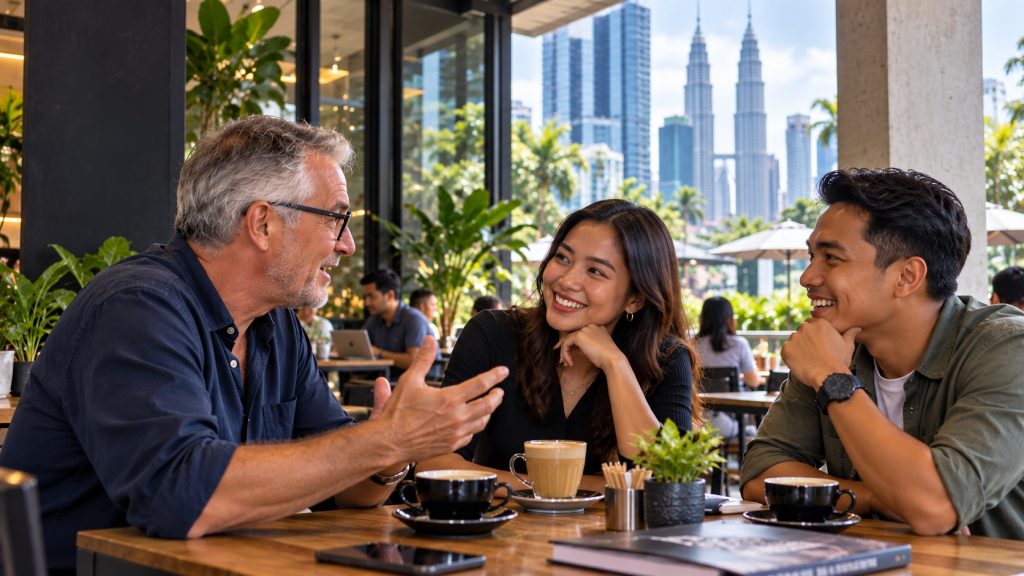
However, and maybe it’s just me, but when I am treated “too respectfully” because whoever is treating me that way apparently thinks I am well over 100 years old, I find that a bit irritating. Nobody other than my wife argues with me anymore, no matter how unreasonable I am. They just let me do my old-guy thing!
Joking aside, there is a beautiful flip side to this. Malaysian culture inherently values the wisdom of seniors. Even if it takes some getting used to, being treated with genuine deference is a refreshing change from environments where retirees are sometimes overlooked.
4. FINANCIAL CHALLENGES
In no way am I anything close to a financial advisor, so this challenge will just skim the surface of a topic that bears much more time and attention.
Since you are presumably past the point of work-related compensation, you need to ensure that your pensions, savings, and investments will last as long as you do. Some of you may intend to leave healthy inheritances for your offspring; others may intend to exhaust their final savings during their final days.
Whatever the case, I encourage you to intensively manage and/or solicit professional financial advice, so that this challenge is one where you achieve your goals and avoid anxiety. Retirement is the ideal time to update and carefully monitor your monthly and annual budgets, an activity that will help drive decisions regarding disbursements from your private or public retirement accounts.
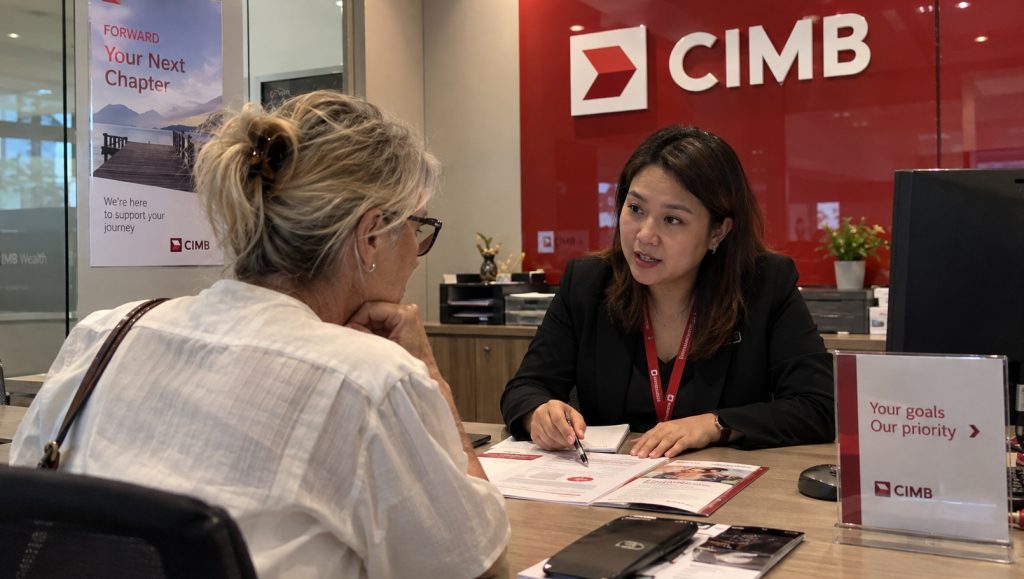
Malaysia is conducive here, too, as the highly favorable cost of living can stretch retirement savings much further than in many other places. Our high quality of life paired with a lower cost of living means you don’t have to take aggressive, risky financial gambles to maintain a comfortable lifestyle.
One vital retiree-focused financial pain point that I will emphatically stress is this: beware of scams! It seems that on a daily basis there are sad stories of scammers successfully targeting older people.
Be vigilant and do whatever it takes to protect yourself. Add every layer of online security available to secure your bank, investment, retirement, and credit card accounts. When in doubt, solicit input from your banks, financial advisors, and trusted family and friends.
Follow widely known but sometimes ignored electronic communication guidance: don’t entertain anonymous phone calls, surf online judiciously, hover over sender domains to verify the sender before opening an odd email, and never click on unverified links.
5. GEOGRAPHICAL CHALLENGES
Depending on where you’ve come from and where your friends and family reside, you may well be literally half a world away from them during your Malaysian retirement.
While most of the time that won’t really matter, unfortunately, in times of crisis, it can lead to some uncomfortable truths. Years ago, an American colleague of mine based in South Korea learned that his mother had been hospitalized and was sadly near the end. By the time he was able to reach her bedside, it was too late.
This is one of the harsh realities of being so far away. Far less traumatic, but still challenging, is the fact that you’ll miss births, weddings, anniversaries, and many other events you would otherwise have attended. These are truths that come with the expat experience.
However, on a far lighter note, and as per my prior columns about travel, it’s eminently doable and thoroughly enjoyable to bring family and friends here to visit. My wife and I have frequently hosted overseas visitors who were wholly impressed with life in Malaysia.

It’s also quite convenient to travel out of all corners of this country to wherever those friends and family reside, with our abundance of global airlines and international airports. Malaysia is highly capable of allowing you to bridge the distance gap between you and your loved ones.
The other geographical issue to be mentioned here is our climate, which, depending on your perspective, can be a huge plus or a substantial hurdle.
Still apparently scarred from my frigid Chicago-area childhood winters, I love Malaysia’s warm climate. But I know many expats who quickly tire of the sweaty and steamy days and nights here. Multiple daily showers followed by never-ending changes of dry clothes are not everyone’s cup of tea.

However, the electricity needed here to keep your home cool comes at a reasonable cost, swimming pools abound, and that very Malaysian activity – going to the mall to enjoy free air-con – is always an option. Malaysia is very well-served here, as it seems we may have more malls than any other country on Earth!
Please continue to join me here at expatgo.com where, over the coming months, I’ll address more retirement issues in this series of “Retiring in Malaysia” columns.
Originally hailing from the United States, Peter Brunoehler is a retired expat who has lived in Asia for over 30 years, with about half of that time in Malaysia. Prior to retirement in Penang, he worked in Hong Kong, Singapore, and Kuala Lumpur, holding numerous executive roles in a variety of multinational corporations.
To learn more about the Malaysia My Second Home (MM2H) programme, visit mm2h.com, also under ExpatGo’s parent company, TEG Media.