


China’s decision to ban ‘hidden’ car door handles on safety grounds raises wider questions for global automakers: will other countries adopt similar rules, and what does this mean for the growing wave of Chinese-made vehicles exported overseas, including many to Malaysia?
China is set to outlaw one of the most recognizable design cues of modern electric vehicles – the hidden, flush-fitting door handle. Under new regulations announced by the Ministry of Industry and Information Technology, all passenger vehicles sold in China from January 1, 2027, must be equipped with clearly accessible mechanical door releases, both inside and out.
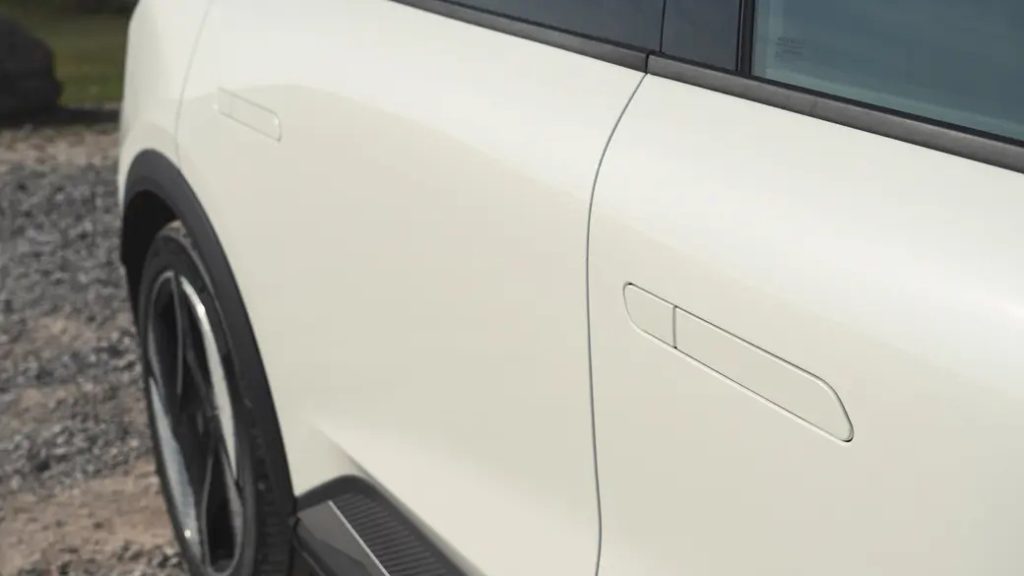
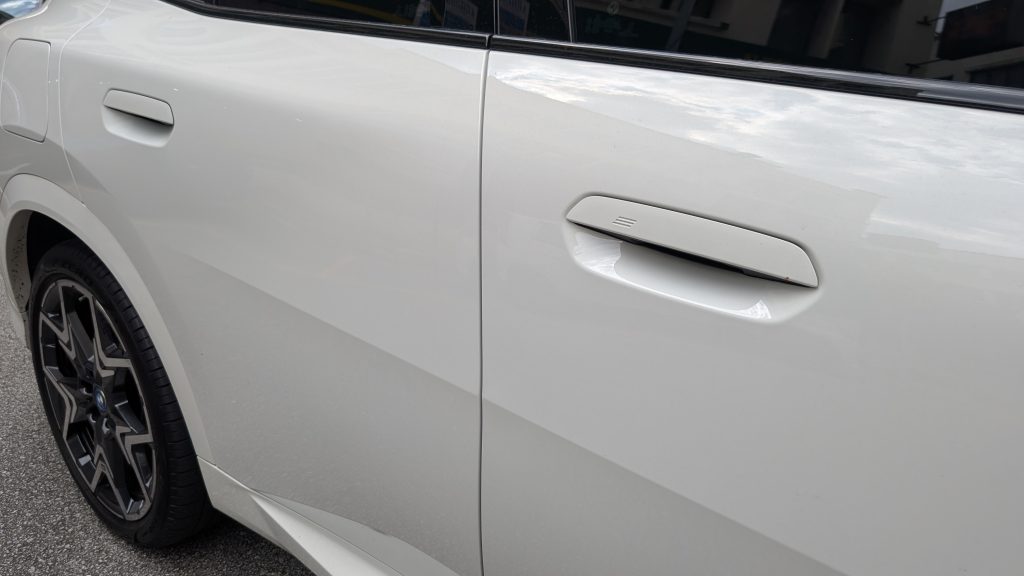
The move targets minimalist door handles that sit flush with the bodywork and often rely on electronic activation. Initially popularized by Tesla with the launch of the Model S in 2012, the design has since been widely adopted by Chinese and international manufacturers seeking marginal aerodynamic gains and a cleaner visual profile.
According to the ministry, the new rules are intended to “improve the level of automotive safety design,” particularly in emergency situations where power loss, fire, or structural damage can render electronic systems inoperable. Vehicles already approved for sale before the regulation takes effect will be given a two-year grace period to comply.
SAFETY DRIVES THE SHIFT
Among drivers, hatred for the hidden, retractable car door handles is nothing new, but now safety regulators are wading in. In China, concerns around hidden door handles have intensified rapidly following several high-profile incidents. In one widely reported case last October, emergency responders were filmed struggling to open the doors of a burning Xiaomi electric vehicle after a crash in Chengdu. The driver, reportedly intoxicated, died at the scene. While investigations continue, the incident sharpened public scrutiny of door designs that prioritize form and aesthetic appeal over mechanical redundancy.
Under the new rules, all doors except tailgates must feature a mechanical exterior release, ensuring access even if electronic systems fail. Interior door handles must also be clearly visible, with permanent markings required to make them easy to locate under stress or low-visibility conditions.
China’s regulators are not singling out a single brand, but the implications are significant. China is now the world’s largest electric vehicle market and a major design trendsetter. What Beijing mandates at home often shapes manufacturing decisions far beyond its borders.
GLOBAL RIPPLE EFFECTS
The key question for automakers is whether China’s approach will remain a domestic safety standard or become a catalyst for wider regulatory change. While no equivalent bans are currently in place in the United States, Europe, or Japan, safety authorities in several markets are paying closer attention to post-crash accessibility and emergency egress, particularly as vehicles become more software-dependent.
For Chinese manufacturers, the issue is especially pressing. Brands such as BYD, SAIC, Geely, and Chery – among others – are rapidly expanding exports to Southeast Asia, Europe, Australia, and the Middle East. If vehicles are redesigned to meet China’s new requirements, it may be simpler – and cheaper – to standardize those designs globally rather than produce separate variants for different markets.
The timing is notable. Chinese automaker BYD overtook Tesla in global electric vehicle sales last year, underlining China’s growing influence over both production volumes and design direction. As Chinese vehicles become more common on foreign roads, their compliance with domestic safety rules may increasingly shape international norms.
DESIGN VERSUS REALITY
Hidden door handles were never about aesthetics alone, though, let’s face it, that was definitely a key focus. Beyond the “cool” factor, though, the flush handles reduced drag, offering very small efficiency gains that matter in electric vehicles, where range remains a key selling point. However, those gains are marginal to the point of insignificance when compared with the potential consequences of inaccessible doors during a fire, submersion, or collision.
That could mean the quiet disappearance of flush door handles from future Chinese export models, even in countries where no formal ban exists. Regulators elsewhere may also take cues from China’s safety rationale, particularly if further incidents highlight the risks associated with electronic-only door mechanisms.

China’s intervention reflects a broader recalibration in the automotive sector, where early-generation EV design choices are now being reassessed against real-world use and emergency response scenarios. As vehicles become more complex, regulators are reasserting the value of simple, mechanical fail-safes.
Whether other governments formally follow China’s lead remains to be seen. But for an industry already navigating rapid electrification, rising safety expectations, and expanding global trade, the message is clear: sleek design alone is no longer enough.
If China’s ban proves effective, and especially if it spreads to other car-manufacturing nations, the humble, visible door handle of yesteryear may be poised for a quiet comeback worldwide.