


From condo facilities and furnishing norms to deposits, diplomatic clauses and negotiations, here’s what newcomers should understand before signing a lease in Malaysia’s capital.
Contributed by Gwen Delhumeau
A home is more than an address. But for new expats in Kuala Lumpur, the process can sometimes feel daunting. Here, we explore what renting in Kuala Lumpur really involves and what first-time renters in Malaysia should know before starting their own “home away from home” search.
HOW LIVING IN MALAYSIA FEELS DIFFERENT
For many Western expats, everyday living in Malaysia looks and feels quite different from what they’re used to, and often in very positive ways. What might be considered “high-end” or luxury in Europe, the UK, or Australia is simply standard here. Most condominiums come with a swimming pool, gym, sauna, playground, and 24-hour security as part of normal condo living, not as premium add-ons. Some offer tennis, squash, padel, or pickleball courts, and even man-made beaches.
In Malaysia, most rental homes fall into three categories:
- “Unfurnished” units often mean little more than walls, lighting, and curtains.
- “Partially furnished” units typically include the above, along with fixed fittings, air conditioning units, and white goods (such as a fridge, washing machine and dryer), but no loose furniture.
- Fully furnished units come with furniture included. These can often feel dated, particularly in family-sized homes, and tend to command a premium. For medium- to long-term relocations, bringing your own furniture or sourcing it locally is often the more comfortable and cost-effective option.
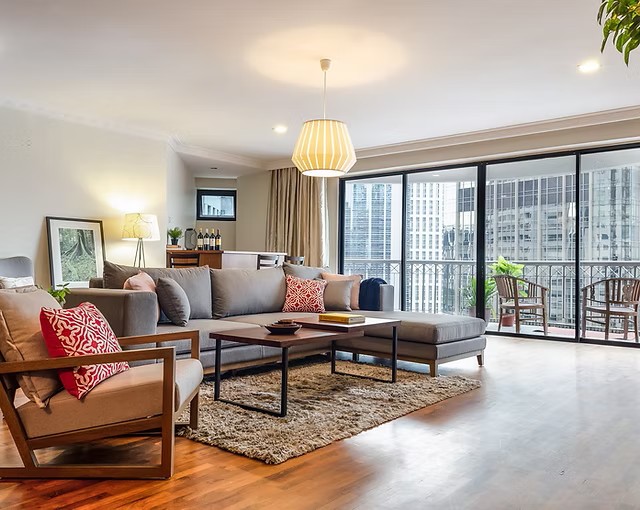
In addition, family-sized units commonly include a helper’s room and a wet kitchen, reflecting the cultural norm of frequent home cooking and, in some households, live-in domestic help. These spaces allow heavier cooking and household tasks to happen efficiently and discreetly, without impacting the main living areas – a contrast to the open-plan layouts typical in Western homes.
Another noticeable difference is bathrooms. Compared to Europe, Malaysian homes tend to be far more generous in this regard, with en-suite bathrooms for most bedrooms and often a powder room. For families or shared living, this quickly becomes a quality-of-life upgrade.
Pets are one area where expectations need to be managed early, as they are generally “not allowed” by default. Pet ownership is regulated by the local authority DBKL (in Kuala Lumpur), and condo managements are required to comply closely with their rules, including approved dog breeds and sizes. In practice, this means that expats with larger dogs may find their options more limited, with greater flexibility usually found in older condominiums (particularly outside the city centre) or landed homes. Planning for this from the start – especially if pets are non-negotiable – can save significant time and frustration later on.
Overall, once these differences are understood, many expats find Malaysian living not just easy to adapt to, but surprisingly hard to give up.

FROM SEARCHING TO VIEWING: WHAT TO EXPECT ON THE GROUND
The home search process in Kuala Lumpur can feel a little disorienting at first. Local online property portals contain many outdated or misleading listings, so it’s not unusual to enquire multiple times only to hear, “Sorry, already rented.” In high-demand condominiums or gated residences, some of the best homes are often transacted off-market, and this is where a well-connected agent can be handy.
Viewings themselves often feel different from what Western renters are used to. In Malaysia, agents frequently co-broker, meaning they collaborate with other agents to secure a tenant quickly for their landlords. As a result, you may arrive at a viewing and find three or more people present. It’s worth identifying who represents the owner and who is from the building’s management office; the latter is often the person you’ll interact with for day-to-day matters once you move in.
If you’re wondering about agent commissions, they are generally equivalent to one month’s rent (for less than a three-year contract term) and are paid by the owner, while tenants are typically responsible for stamp duty and minor administrative fees.

NEGOTIATING YOUR LEASE: WHAT TO KNOW BEFORE YOU SIGN
While renting in Kuala Lumpur is generally straightforward, understanding how negotiations work locally can make the process noticeably smoother. The market is highly transactional, particularly in sought-after areas such as Bangsar, KLCC, and Mont Kiara, where the demand in quality condos remains strong. Before entering negotiations, it’s helpful to assess how competitive the situation is; if a unit has multiple interested tenants, flexibility may be limited. Most landlords are primarily focused on securing reliable rental income, so discussions tend to be practical and commercially driven.
If you’re relocating for work, including a diplomatic clause in your tenancy agreement is essential. This clause allows you to exit the lease early – usually after 12+2 months – if your employment or visa circumstances change. Make sure the wording is clear, the notice period reasonable, and the required documentation realistic; when drafted properly, this clause offers reassurance to both tenant and owner.
Deposits are another area where knowing local standards is helpful. In Malaysia, the typical structure consists of two months’ security deposit and half a month’s utility deposit, with the first month’s rent usually paid when the booking form is signed and the deposits settled when the tenancy agreement is executed. You may also be asked for small additional deposits for items such as access cards or parking passes. In some cases, particularly for high-demand units, agents may request higher security and/or utility deposits to reassure owners. While competitive tenants may accept this, polite and informed pushback is entirely appropriate in most situations.

Because the market is competitive, some agents can be overzealous, particularly during negotiations or at checkout. Your best protection is a well-drafted tenancy agreement that clearly defines normal wear and tear, includes a detailed and accurate inventory, and documents any existing marks, ageing appliances, or minor defects. This clarity goes a long way in reducing the risk of deposit disputes at the end of the tenancy. When it comes to move-in and move-out conditions, it’s reasonable to expect cleaning, air-conditioning servicing and curtain dry cleaning to be completed before check-in (tenant is required to do it at checkout), unless otherwise stated in your contract.
Most agreements also include a clause making tenants responsible for minor day-to-day repairs, which is standard practice and simply something to factor into your overall budgeting. Approach negotiations informed, calm, and respectful. Understanding local norms, knowing when to push back, and ensuring your contract is balanced will set you up for a smooth and stress-free renting experience in Kuala Lumpur.