
Celebrated every March 13, World Riesling Day is the perfect excuse to revisit one of the world’s most versatile white grapes – from Mosel’s slate slopes to Alsace’s structured dry wines and Central Otago’s refined New World expressions.
Riesling is one of the world’s most fascinating white grape varieties, and it is a style always worth revisiting. Riesling highlights the characteristics of its growing region and adapts to a wide range of styles, spanning from very dry to exceptionally sweet. High natural acidity gives dry wines backbone and lets them age gracefully.
In addition to its superb flavour profile, another endearing attribute is that this grape variety is very versatile, and it can be used by creative winemakers to produce an extensive range of styles. Although there is a common misconception that all Rieslings are sweet, wines made from the variety encompass a broad spectrum, from exceptionally dry with minimal residual sugar to richly sweet varieties, depending on the winemaking techniques employed during production.
International Riesling Day provides a specific time to pay homage to this aromatic white wine that has captured the hearts of wine lovers all over the world. The variety originates from the Rhine River region, which runs through Germany. March 13 marks the earliest documented mention of Riesling. On this day in 1435, a cellar log from Count Katzenelnbogen near the Rheingau region recorded the purchase of Riesling vines. In 2019, Wines of Germany declared that International Riesling Day would officially mark Riesling’s birthday from then on.
Riesling’s versatility enables it to pair with spicy Asian dishes, fried foods such as fish and chips, and even rich desserts. We thought it more than appropriate to look at three classic Riesling styles (all bottled in tall Riesling-styled bottles) – one from the heart of Germany’s Riesling country, one from Alsace in a region of France that was once part of Germany, and a New World interpretation from New Zealand.
Dr. Loosen Graacher Himmelreich Riesling Spätlese
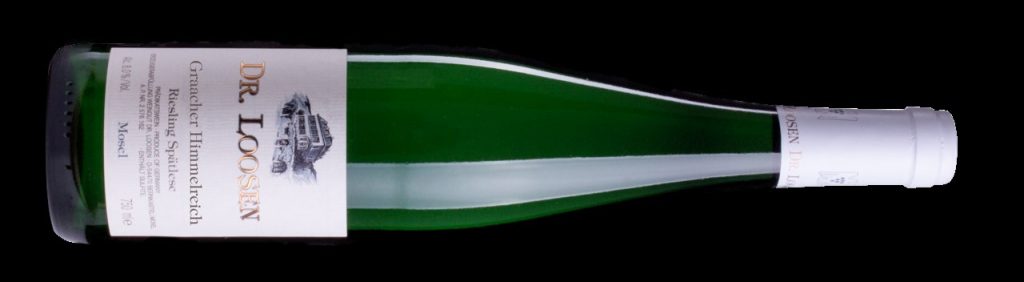
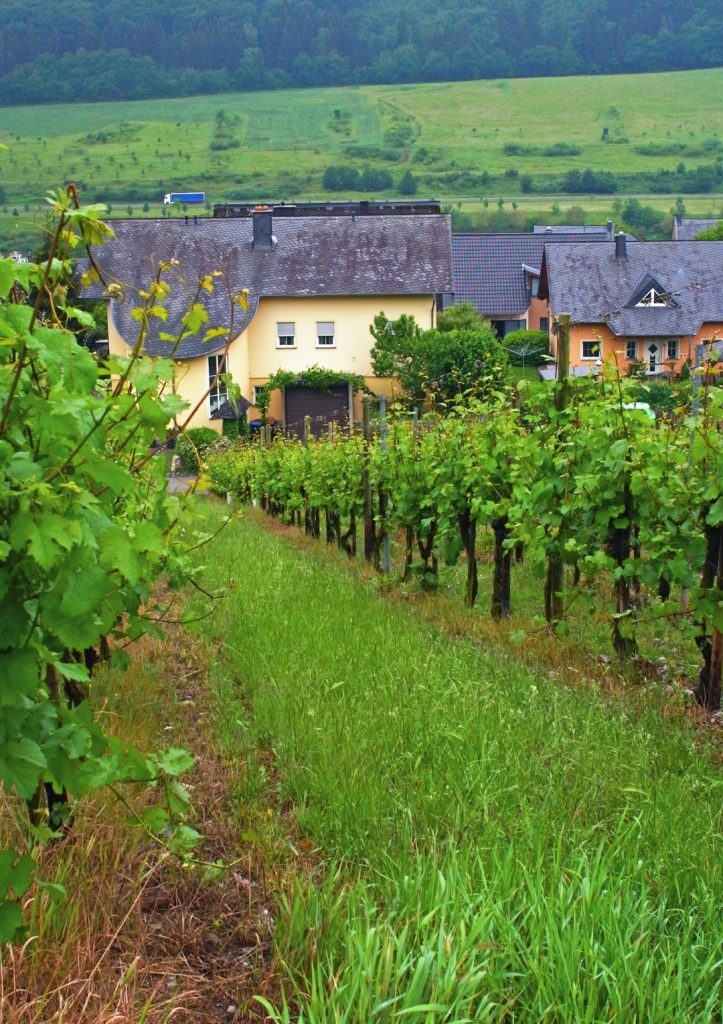
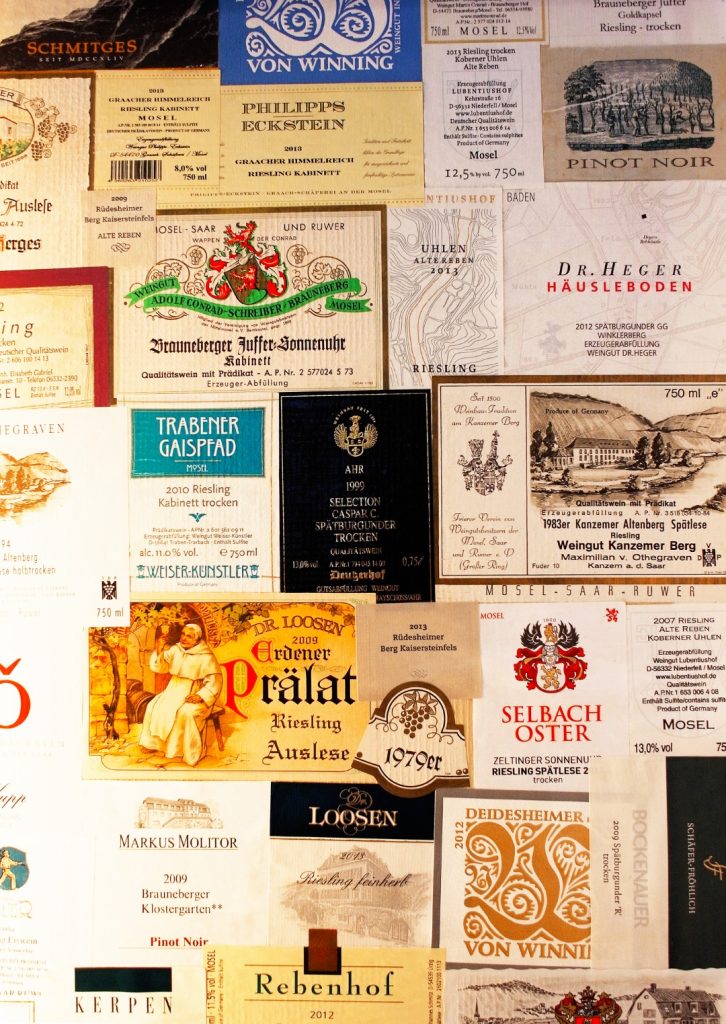
In Germany’s Mosel (Moselle) Valley, Riesling reaches a benchmark expression for the grape variety. Vineyards cling to steep, slate-dominated soils sloping above the river, capturing light and retaining heat. The wines are often low in alcohol yet intense in flavour. Classic Mosel Riesling can carry a gentle sweetness, offset by bracing acidity and a clear mineral line. Styles range from Trocken, or dry, through to Kabinett and Spätlese with varying degrees of residual sugar, to the concentrated Auslese and rarer late harvest selections such as Beerenauslese, Trockenbeerenauslese, or even Eiswein.
It is appropriate to remind ourselves about how wine is made. Wine results from a chemical reaction between the natural sugars and the yeasts that co-exist with the grapes. During this reaction, sugar is converted into alcohol. Winemakers can control the sugar levels by leaving grapes on the vine longer or adjusting the fermentation process in the winery. For example, winemakers can allow fermentation to run its course (resulting in a dry wine) or stop the fermentation earlier (resulting in sweeter wines). Winemaker intervention is a feature of German winemaking, with Spätlesebeing aromatic, fruity and with residual sweetness. The word means ‘late harvest’, as the grapes are harvested at least seven days after the normal harvest to allow them to ripen while increasing the sugar content of the grapes. German laws govern the sugar levels in grapes and wines.
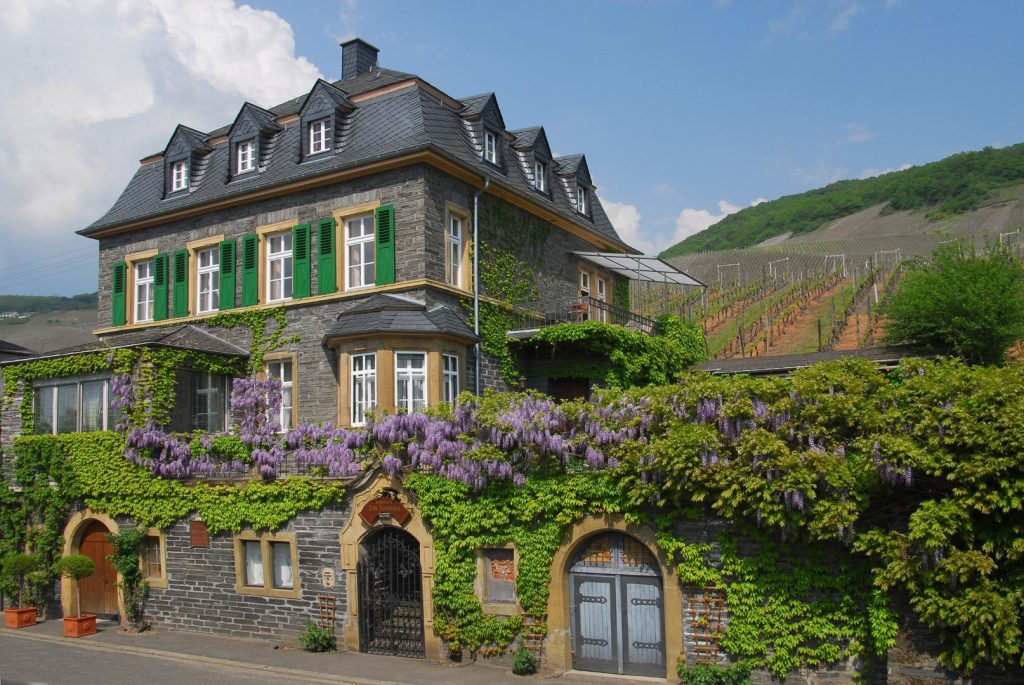
Graacher Himmelreich Riesling Spätlese is a prestigious, slate-driven white wine from the Mosel, specifically from the ‘Kingdom of Heaven’ vineyard located just above the village of Graach on der Mosel.
Known for balancing racy, high acidity with intense stone fruit (peach and apricot) and citrus flavours, this wine is typically medium-sweet, highly mineral-laden, and capable of ageing due to its natural acidity. Visitors to the region can enjoy aged Spätlese wines. Sampling the wine programme at Hotel Zeltinger-Hof in the village of Zeltingen, just upstream from Graach, is an essential experience. It is important to note the low alcohol level of this wine and that of Felton Road, as they are lower than that of normal white wines.
Like all Rieslings, this wine should be served chilled. Its balanced acidity and sweetness make it an ideal pairing with spicy dishes.
- Producer: Dr. Loosen
- Style: Graacher Himmelreich Riesling Spätlese
- Region: Mosel
- Vintage: 2020
- Grape Varieties: Riesling
- Alcohol Content: 8.5%
- Closure: Cork
- Price: RM186
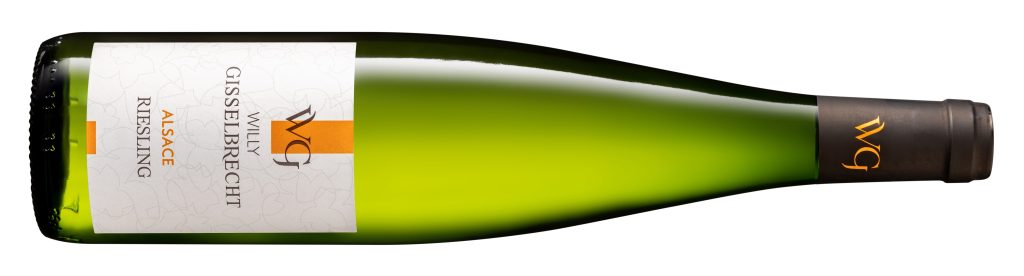
Gisselbrecht Riesling
There are some similarities with the winemaking techniques both here and in the Mosel because Alsace was once part of Germany (it reverted to France in 1919 after World War I). Located in the northeastern corner of France on the border with Germany, Alsace amazes because, on the surface, it looks like its climate is too cold to successfully grow grapes. However, the Vosges Mountains temper the climate and ensure the region stays dry to encourage full ripening of the grapes. The region is known for its aromatic white wines, especially Rieslings produced in several styles (including sparkling wines referred to as crémants).
Alsace Rieslings are usually fermented until dry, but in this region, ‘dry’ often means the wines are still fruity, rich and opulent. The wines produced in Alsace are broader, more structured and often more powerful than their German counterparts. Flavours such as citrus and stone fruit are common, and sometimes a smokiness emerges with age. Grand crus sites such as Frankstein, Schlossberg and Muenchberg underline the grape’s capacity for depth and longevity.
Willi Gisselbrecht is one of the respected wine producers in Alsace, and, in line with regional tradition, wines are typically produced as single varietals as listed on the label. This is an aromatic wine with floral notes on the palate and is a perfect pairing with seafood and poultry.
- Producer: Gisselbrecht
- Style: Riesling
- Region: Alsace
- Vintage: 2023
- Grape Varieties: Riesling
- Alcohol Content: 12.5%
- Closure: Cork
- Price: RM115
Felton Road Bannockburn Riesling
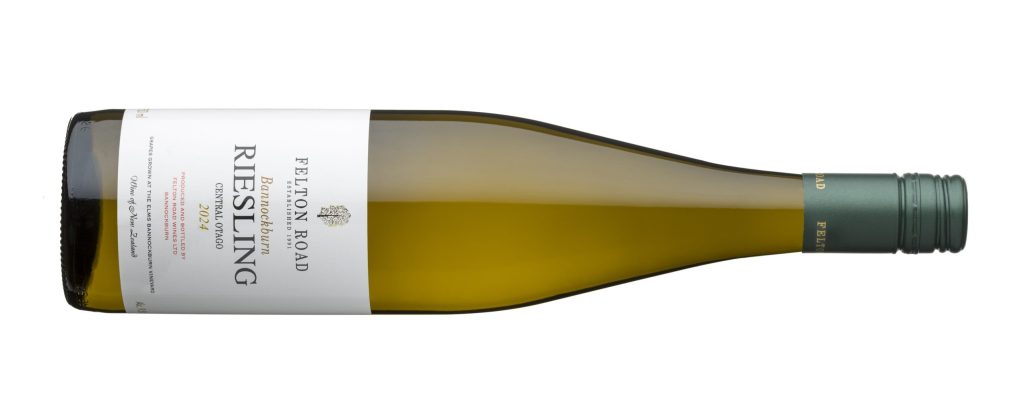
Riesling has also found a home in cooler locations in the New World, including parts of New Zealand, such as Central Otago. New Zealand has established itself as a serious source of Riesling, particularly in regions such as Marlborough and Central Otago. Cool climates and long growing seasons allow the flavour profile of this style to fully develop in New Zealand. Winemakers craft dry, off-dry and late-harvest styles with precision. The best examples combine bright fruit and firm acidity to offer a contemporary expression that sits comfortably alongside European classical styles.
Felton Road is a prestigious winery located in Bannockburn, Central Otago. While celebrated worldwide for exceptional Pinot Noir, Riesling is a star white wine produced on the estate. Established in 1991, Felton Road embraced a philosophy of deep respect for nature and terroir from its very beginning. The estate began with meticulous site selection and vineyard design, and it is now known for its refusal to compromise.
Its vineyards, ideally positioned on sun-soaked slopes, are nurtured by viticulturalist Gareth King and his team according to strict organic and biodynamic principles. Overall, the winemaking approach is one of minimal intervention and includes sustainable agricultural practices, hand harvesting, wild yeast fermentation and an avoidance of fining and filtration. This helps to preserve the purity and authenticity of each style.
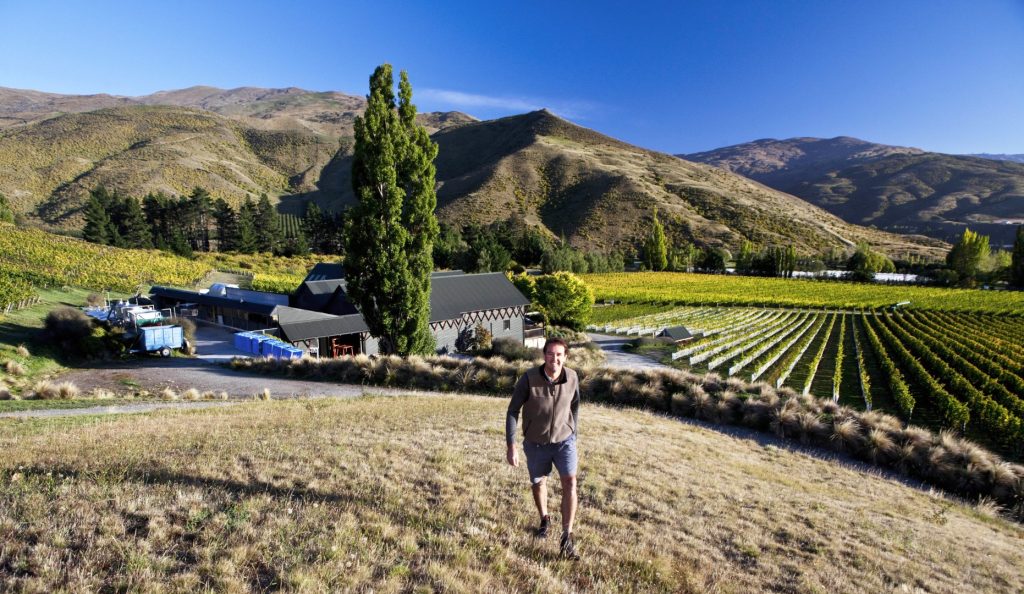
Riesling from Block four of The Elms vineyard was hand-picked, whole bunch pressed and settled for several days before racking. Winemaker Blair Walter supervised fermentation, using native yeasts in the process. After three weeks optimal balance in the wine was achieved, and fermentation was stopped by chilling. Winemakers skilfully achieved a delicate balance of acidity, alcohol and residual sugar (56g/litre). This meticulous winemaking of minimal processing highlights the style’s crisp natural acidity.
The wine has powerful aromatics of lime blossom, zesty citrus and crispy green apple. On the palate, there is a gentle sweetness, balanced by lively acidity and fine mineral freshness. It delivers flavours of stone fruits and tangy lime that continue to a clean, elegant finish. This refined, off-dry Riesling delivers a classic Riesling rendition with a harmonious balance of sugar and acid.
A renowned New Zealand Master of Wine and respected wine educator recognized Felton Road Riesling in its early years. In 2000, he remarked, “Those who appreciate Riesling and have patience—as well as the prospect of living another decade—should purchase and carefully store Felton Road Riesling.” This speaks to the variety’s refined elegance, strength, and longevity; it can be enjoyed right away or aged for many years.
- Producer: Felton Road
- Style: Bannockburn Riesling
- Region: Central Otago
- Vintage: 2024
- Grape Varieties: Riesling
- Alcohol Content: 10%
- Closure: Screwcap
- Price: RM188