

With its total fertility rate falling to 0.87, Singapore says it will carefully manage immigration — including welcoming up to 30,000 new citizens a year — to stabilize its population over the next decade.
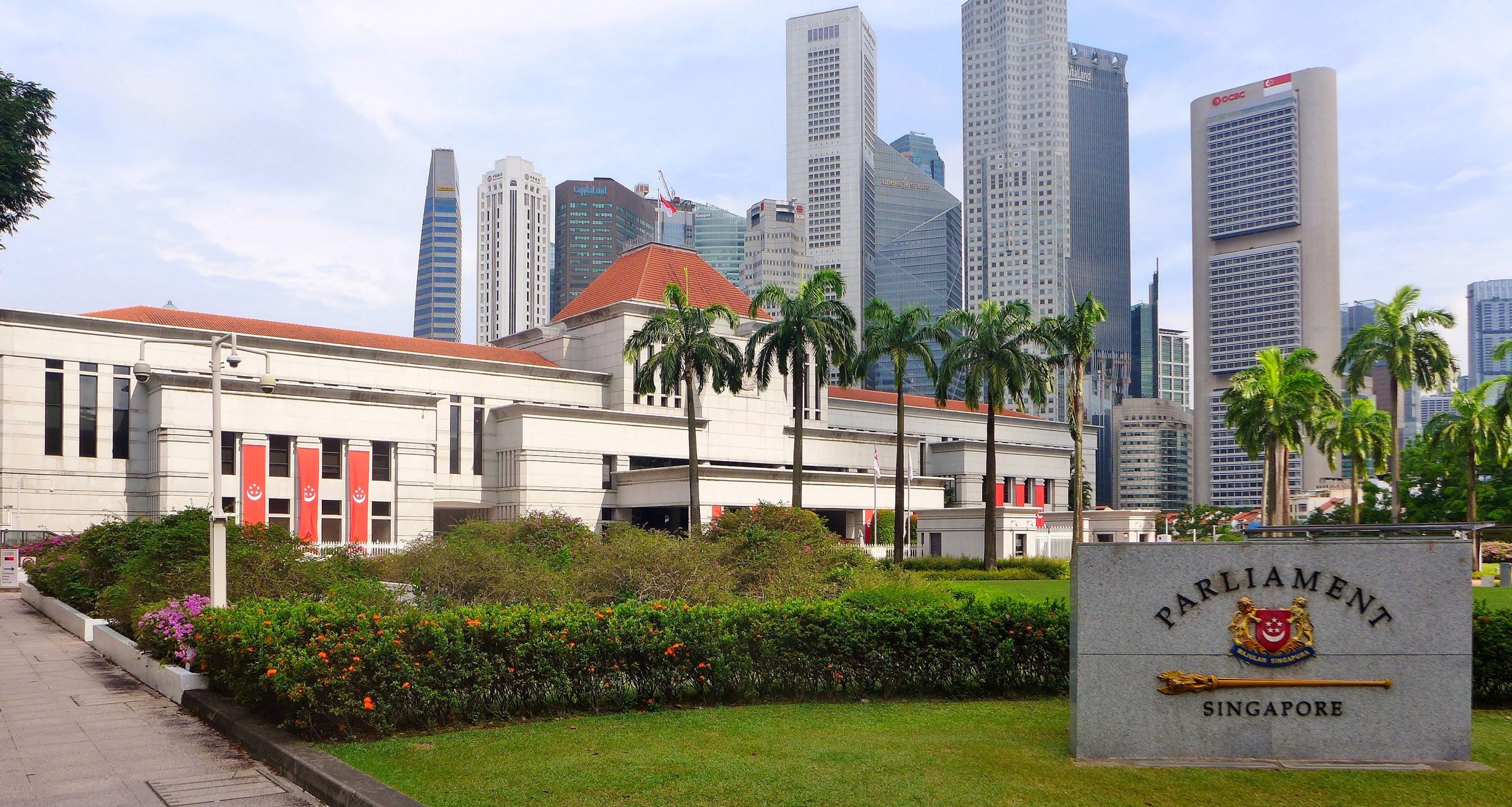
Malaysia’s neighbour to the south plans to grant between 25,000 and 30,000 new citizenships annually over the next five years as it confronts a deepening demographic challenge, Singapore’s Deputy Prime Minister Gan Kim Yong told Parliament on February 26.
The city-state granted around 25,000 new citizenships in 2025. Going forward, the intake will be calibrated based on demographic indicators, including the total fertility rate (TFR), the suitability of applicants, and the country’s infrastructure and social capacity to absorb new arrivals.
Gan’s remarks came after he revealed that Singapore’s resident TFR fell to a new low of 0.87 in 2025, down from 0.97 in 2024. In simple terms, a TFR of 0.87 implies that for every 100 residents today, there would theoretically be only 44 children and 19 grandchildren in subsequent generations — far below the replacement rate of 2.1.
Without policy intervention, Gan warned, Singapore’s citizen population could begin shrinking in the early 2040s. Citizen population growth has already slowed significantly, expanding by just 0.7 per cent in 2025.
“The first and top priority is to continue to support Singaporeans in forming families,” Gan said, emphasizing pro-family policies as the cornerstone of long-term strategy. At the same time, he acknowledged that “a carefully managed immigration flow” remains necessary to augment the low birth rate.
A MANAGED APPROACH
Singapore’s immigration framework has long been structured around selectivity and social balance. Gan addressed concerns that increased immigration could affect job security or strain social cohesion.
“We will maintain the broad ethnic balance of our citizen population, and continue to carefully manage the impact of immigration on our population composition, to preserve the overall texture of our society,” he said, adding, “We will carefully manage the pace of immigration, and ensure we do not bring in immigrants faster than we can accommodate.”
Beyond citizenship, Singapore expects to grant roughly 40,000 permanent resident (PR) approvals annually over the next five years, up slightly from about 35,000 in 2025. The PR population has remained stable at around 540,000 in recent years.
“Permanent residence is the pathway to work towards citizenship,” Gan noted, signalling that PR remains the principal bridge to eventual naturalization.
The government plans to review its approach again by 2030, taking into account further changes in fertility trends and broader demographic shifts.
A REGIONAL CONTRAST
Singapore’s strategy unquestionably reflects its unique circumstances. With limited land, no natural hinterland, and a rapidly ageing population, policymakers have long viewed immigration as an economic and demographic stabilizer.
The approach stands in stark contrast to Malaysia, where permanent residency and especially citizenship approvals are comparatively rare and often highly restrictive. Malaysia’s demographic profile is also different, with a higher fertility rate and a larger land mass that eases immediate population pressures. While Malaysia relies heavily on foreign labour in certain sectors, pathways to long-term residency and citizenship remain limited.
In Singapore’s case, the calculus is more urgent. The combination of low fertility, rising life expectancy, and a shrinking workforce presents direct implications for economic competitiveness, tax revenue, and the sustainability of social support systems.
Immigration, in this context, is not framed as optional, but as necessary — albeit tightly managed, Singapore-style.
Sources: Parliament of Singapore; Ministry of Manpower Singapore; Department of Statistics Singapore; Mothership.sg.