



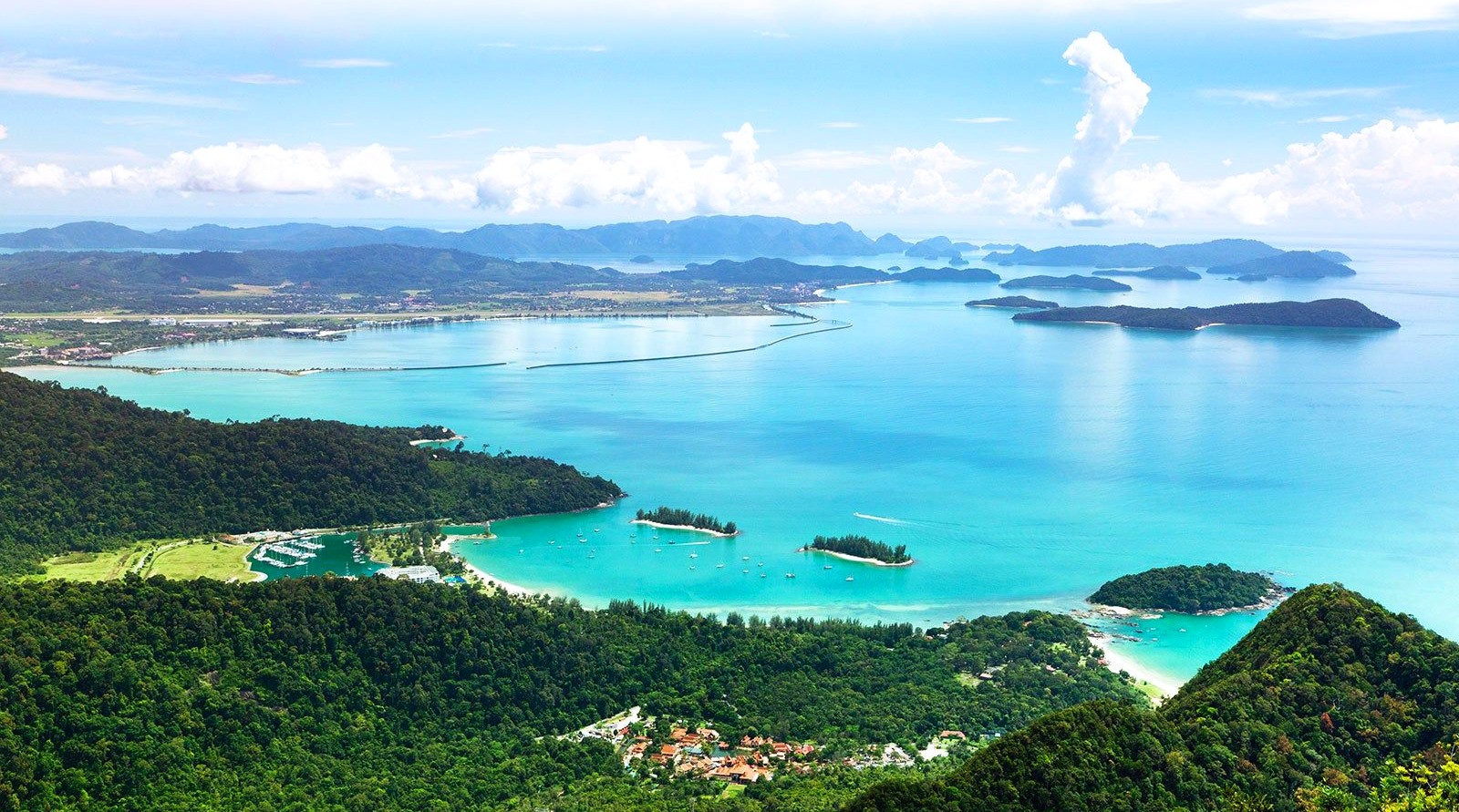
A sharp reduction in ferry services to Langkawi is raising concern among tourism stakeholders, who warn that fewer crossings are already translating into fewer local visitors – and mounting pressure on the island’s economy.
Langkawi, long one of Malaysia’s most accessible and popular island getaways, is facing a renewed tourism challenge – this time from the sea. A reduction in ferry services, attributed to rising fuel costs, is beginning to ripple through the island’s visitor-centred economy, prompting calls for swift government intervention.
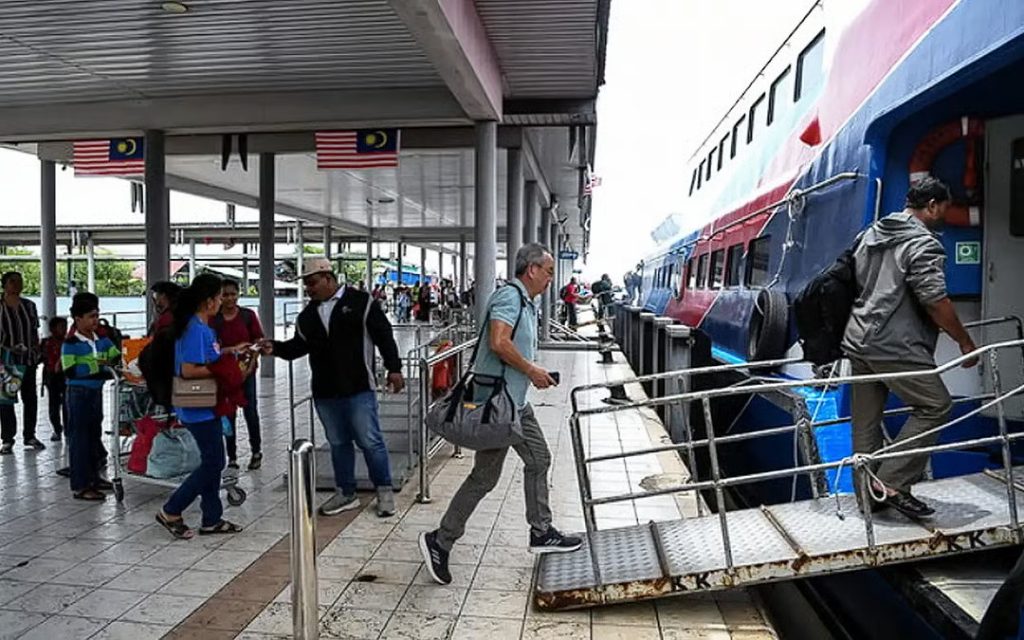
Since March 25, daily ferry trips have reportedly been cut from five to three, a 40% reduction that stakeholders say is already affecting both tourist arrivals and the livelihoods of residents. While Langkawi of course remains reachable by air, ferries have historically played a crucial role in bringing in domestic travellers, budget-conscious visitors, and day-trippers from the mainland.
LOCAL CONCERNS GROW
Zuraidi Rahim, chairman of Anak Muda Madani Kedah, has been among the more vocal figures raising the issue. Speaking during a gathering of NGOs at the Kuah ferry terminal last week, he warned that the reduction in services could have a cascading effect on the island’s economy.
Though the strong majority of international visitors to Langkawi arrive by air, many domestic tourists and local day-trippers rely on the regular, inexpensive ferry services between the mainland and Langkawi, and a long-term reduction in ferry services could result in a notable and sustained drop in domestic tourism to the island.
“This situation is affecting Langkawi residents who depend on tourism, especially small traders,” he said. “If it continues for another month or two, the island’s economy could deteriorate further.”
His concerns are not unfounded. Langkawi’s tourism ecosystem is heavily reliant on consistent visitor flows, with small businesses – from food stalls and souvenir vendors to tour operators – particularly sensitive to fluctuations in footfall. Even a modest dip in arrivals can quickly translate into reduced daily income for many.

CALLS FOR INCREASED CAPACITY RUN INTO COST REALITIES
In response, Zuraidi has urged ferry operators to significantly scale up services, suggesting an increase to as many as eight daily trips to help restore visitor confidence and ease travel bottlenecks.
The Langkawi Tourism Association has echoed similar concerns. Its chairman, Zainudin Kadir, noted that nearly a month of reduced ferry frequency has already resulted in a noticeable decline in tourist arrivals, particularly among domestic travellers who typically rely on ferry access due to its affordability and convenience.
Domestic tourism has been a key pillar of Langkawi’s recovery in recent years, especially in the wake of pandemic-era disruptions. Any constraint on access, therefore, risks undermining this fragile rebound.
From the operators’ perspective, however, the decision to scale back services has been driven by financial necessity rather than choice. Ferry companies are grappling with a sharp increase in fuel prices, a cost component that significantly impacts operating margins in maritime transport.
With fuel representing one of the largest expenses in ferry operations, sustained price increases can quickly render certain routes or schedules commercially unviable. In such circumstances, reducing frequency becomes a short-term measure to preserve operational sustainability.
This creates a difficult balancing act. On one hand, maintaining service levels is essential to support tourism and local livelihoods. On the other, operators must contend with cost structures that may no longer align with pre-existing schedules.
A BROADER TOURISM CONTEXT AND POTENTIAL PATHS FORWARD
The situation comes at a time when Langkawi is still working to strengthen its position within Malaysia’s tourism landscape. While the island remains a popular destination, it has faced increasing competition from regional alternatives, as well as shifting travel preferences among both domestic and international visitors.
Accessibility has always been one of Langkawi’s key advantages. Multiple entry points – including ferries from Kuala Perlis and Kuala Kedah, as well as frequent domestic flights – have historically made the island relatively easy to reach. Any disruption to this accessibility, even if temporary, can have an outsized impact on visitor numbers.
Moreover, ferry travel offers a different experience compared to air travel. For many visitors, particularly families and budget travellers, the ferry represents not just a cost-effective option, but also part of the overall journey. Reducing this option may inadvertently narrow Langkawi’s appeal to certain market segments.
Stakeholders are now calling for coordinated action to address the issue. Among the potential measures being discussed are targeted subsidies to offset fuel costs, temporary financial support for operators, or policy interventions aimed at stabilising ticket prices while maintaining service frequency.
There is also a case for longer-term planning. Ensuring the resilience of transport links to key tourism destinations like Langkawi may require a more structured approach, including contingency mechanisms to manage cost fluctuations and demand shifts.
For now, however, the priority remains clear – restoring ferry frequency to levels that can support both tourism demand and local economic activity.
As the peak travel periods approach, the stakes are rising. A prolonged reduction in access could not only dampen visitor numbers in the short term, but also affect Langkawi’s reputation as a convenient and well-connected destination.