


Malaysia’s vocal stance on certain global issues has drawn scrutiny, with Amnesty International questioning whether the country applies the same principles consistently across all human rights concerns.
Malaysia has come under renewed scrutiny from Amnesty International, with the global rights group suggesting the country may be applying a selective approach when it comes to officially speaking out on human rights issues.
At a recent press conference in London, Montse Ferrer, Amnesty’s interim co-regional director for East and Southeast Asia and the Pacific, said Malaysia’s strong stance on certain international issues stood in contrast to its relative silence on others.
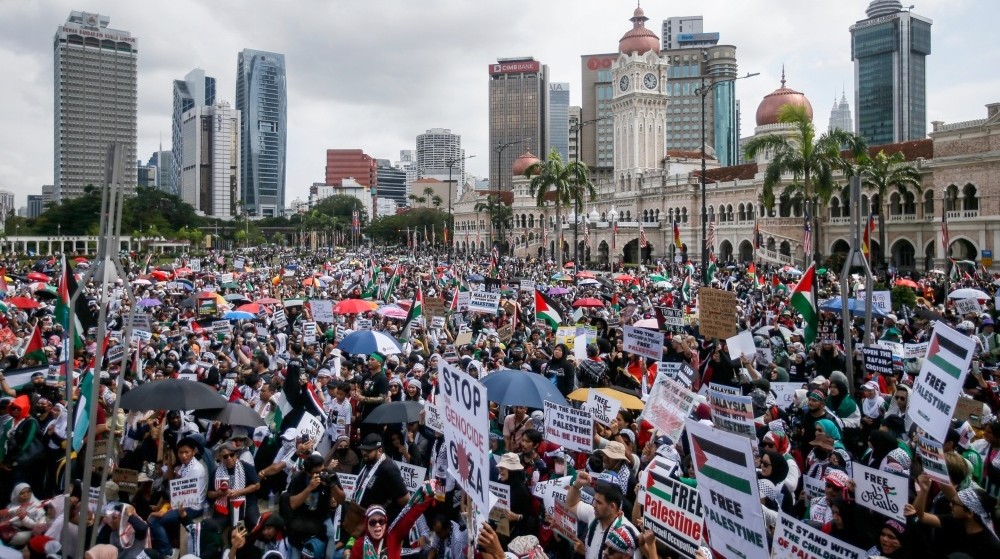
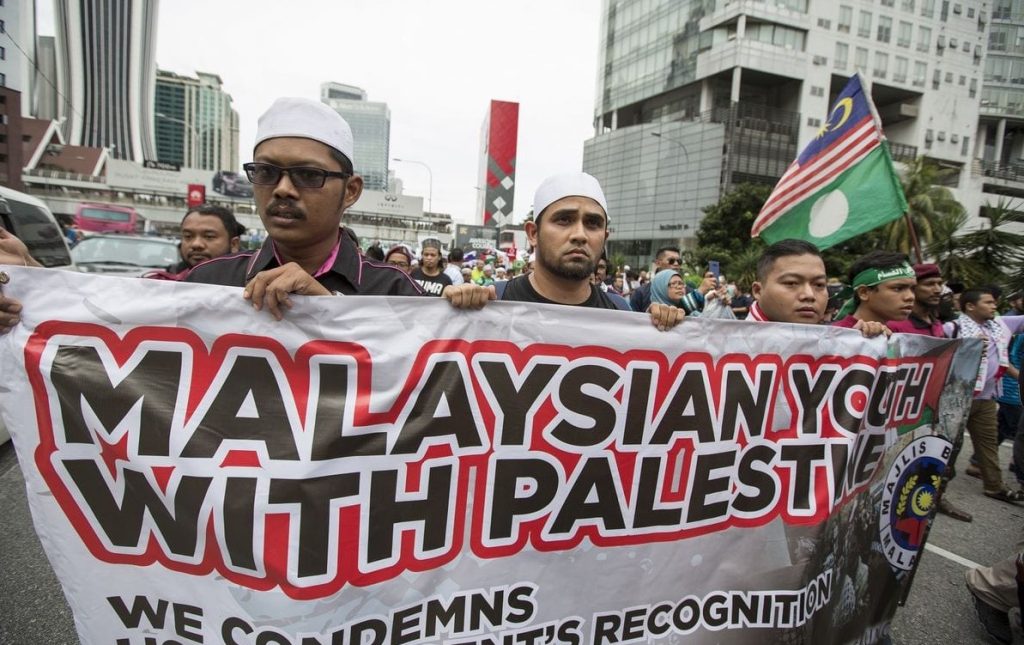
“Malaysia has been very supportive of the calls against Israel in the context of Gaza, but quiet or the opposite of supportive on Rohingya deportations or Uyghur deportations,” she said.
Her remarks reflect a broader concern among rights observers that some countries, particularly middle powers, may adopt differing positions depending on geopolitical sensitivities. Ferrer noted that Malaysia is not alone in facing such criticism, describing it as part of a wider “double-standard” trap affecting similarly positioned nations.
According to Ferrer, countries like Malaysia often find themselves navigating complex diplomatic terrain, balancing domestic priorities, regional relationships, and global expectations. In doing so, there is a risk that policies may appear inconsistent or even contradictory when viewed through a human rights lens.
She suggested that some governments may point to the actions of larger powers as justification for their own positions, potentially reinforcing uneven responses to similar issues.
Ferrer’s comments come in the wake of reports that Malaysia had detained and deported Uyghur American scholar Abdulhakim Idris on March 30, an incident that has drawn attention from international observers and advocacy groups.
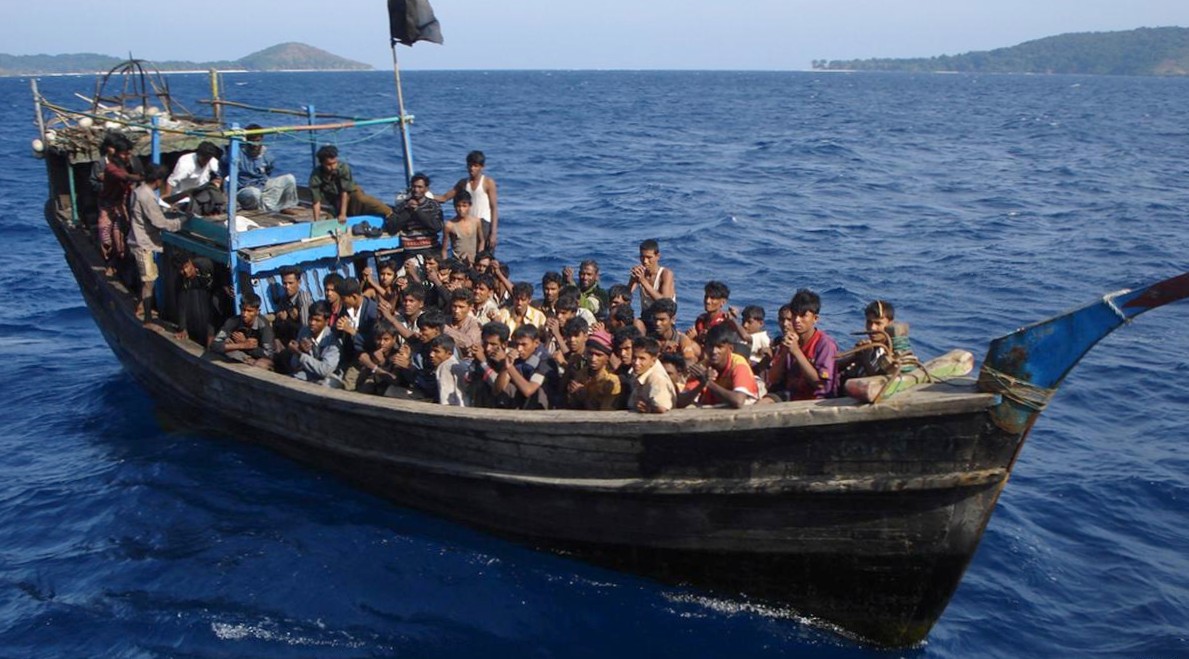
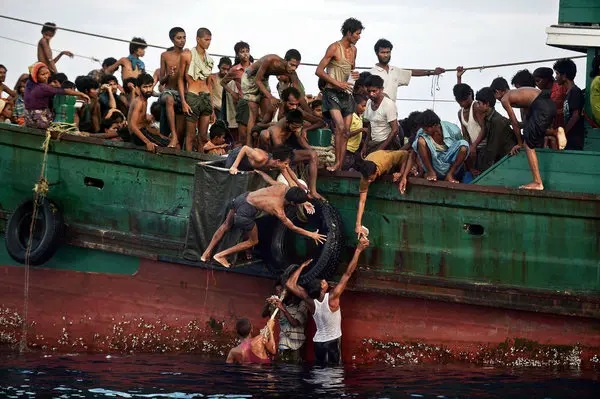
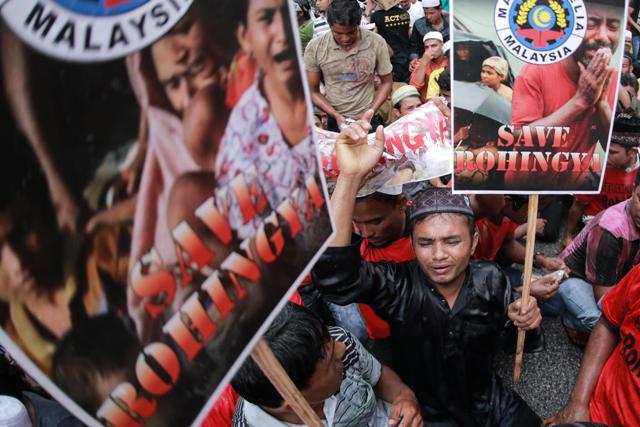
The situation also echoes earlier concerns raised about the treatment of Rohingya refugees in Malaysia. While the country has long been seen as a relatively accessible destination for displaced Rohingya fleeing persecution in Myanmar, criticism has persisted over enforcement actions, detention practices, and deportations.
In 2024, Lubna Sheikh Ghazali, legal services and solutions manager at Asylum Access Malaysia, highlighted what she described as a disparity in how different humanitarian issues are approached.
Malaysia, she said, “seems to have collective amnesia and is selective about who deserves protection.”
ROOM FOR IMPROVEMENT
Despite the criticism, Ferrer acknowledged that Malaysia has historically demonstrated a greater alignment with human rights principles than many of its regional peers. However, she noted that there remains significant room for progress.
Importantly, she framed the current moment as an opportunity rather than simply a point of critique.
“It’s an opportunity to actually comply with and respect human rights for the sake of human rights, not as a response to a geopolitical strategy,” she said.
Ferrer added that Malaysia now has more space to strengthen its record based on principle rather than external pressure, pointing to areas such as press freedom and judicial independence as part of the broader human rights landscape.
Her remarks come at a time when Malaysia has been seeking to position itself as a moderate and engaged voice on the international stage, particularly within ASEAN and the wider Asia-Pacific region.
Amnesty International secretary-general Agnes Callamard also weighed in on the broader issue, cautioning that smaller and mid-sized states cannot rely on silence or informal arrangements to shield themselves from scrutiny.
She said many governments have responded to human rights concerns with “appeasement” and “cowardice”, opting to remain silent or pursue quiet diplomatic arrangements rather than taking a clear public stance.
“There is no protection in being silent. There is no protection in seeking deals,” she said.
Callamard argued that such approaches may offer short-term diplomatic convenience but are unlikely to hold over time, particularly in an increasingly interconnected and transparent global environment.
Countries that focus solely on protecting their immediate interests, she suggested, may still find themselves subject to criticism or pressure regardless of their attempts to avoid controversy.
AT TIMES, A DELICATE BALANCING ACT
For Malaysia, the issue perhaps underscores the challenge of maintaining consistency in a complex geopolitical landscape. As a country with strong ties across both Western and Eastern spheres, as well as within the Muslim world and ASEAN, its foreign policy positions are often closely watched.
At the same time, domestic considerations – including economic priorities, social cohesion, and migration management – also play a role in shaping responses to sensitive issues such as refugee policy and deportations.
The resulting balance is not always straightforward, and perceptions of inconsistency can arise even where policy decisions are driven by practical constraints.
Nevertheless, as Amnesty’s comments suggest, there is growing expectation for countries to apply human rights principles more uniformly, regardless of the specific context or parties involved.
SOURCES: Free Malaysia Today; Amnesty International statements and press briefings