


At Oasis International School Kuala Lumpur, learning is shaped as much by trial and error as it is by achievement, helping students build resilience, confidence, and real-world skills.
What lesson has impacted you the most?
Oftentimes, it is the lesson learned after a failure, loss, or mistake.
Many parents search for an education for their child that looks like textbook modules, daily
lectures, and frequent exams. But what if there was an effective education option? One that
takes an innovative, practical, and leadership-oriented approach to promote a strong
education and confident character within their children.
In the landscape of international schools, considering the motivation behind the
curriculum, teaching style, and assessment methods are important in the ever-evolving
world.
Step into a classroom at Oasis International School – Kuala Lumpur (OIS), and you’ll see
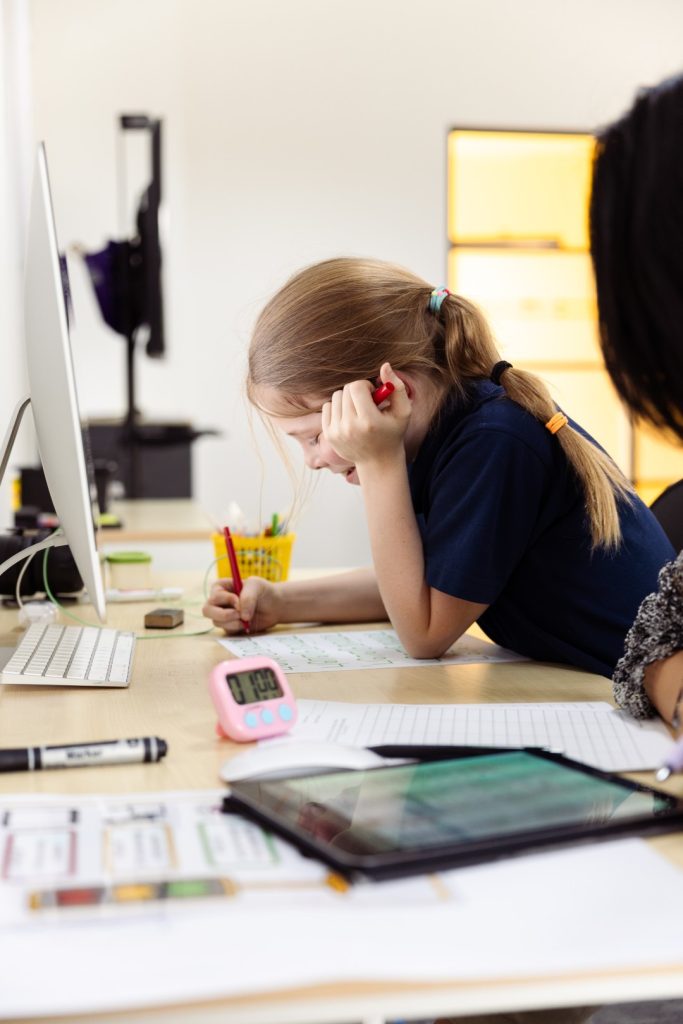
learning look a bit different: students are challenged to find solutions, try, rethink, and
adjust accordingly.
At OIS, learning is defined as intercultural, values-based, and excellent. In practice, that
means the process of learning matters as much as the outcome.
Intercultural learning shows up in daily interactions. Students work with peers from
different backgrounds which provides an environment to learn how to listen, adapt, and
collaborate. Values-based learning can be seen as students are taught to handle tasks with
responsibility, consideration, and perseverance. Failure is the first attempt in learning.
Since error is part of the process, it is important to teach students how to respond when
mistakes happen.
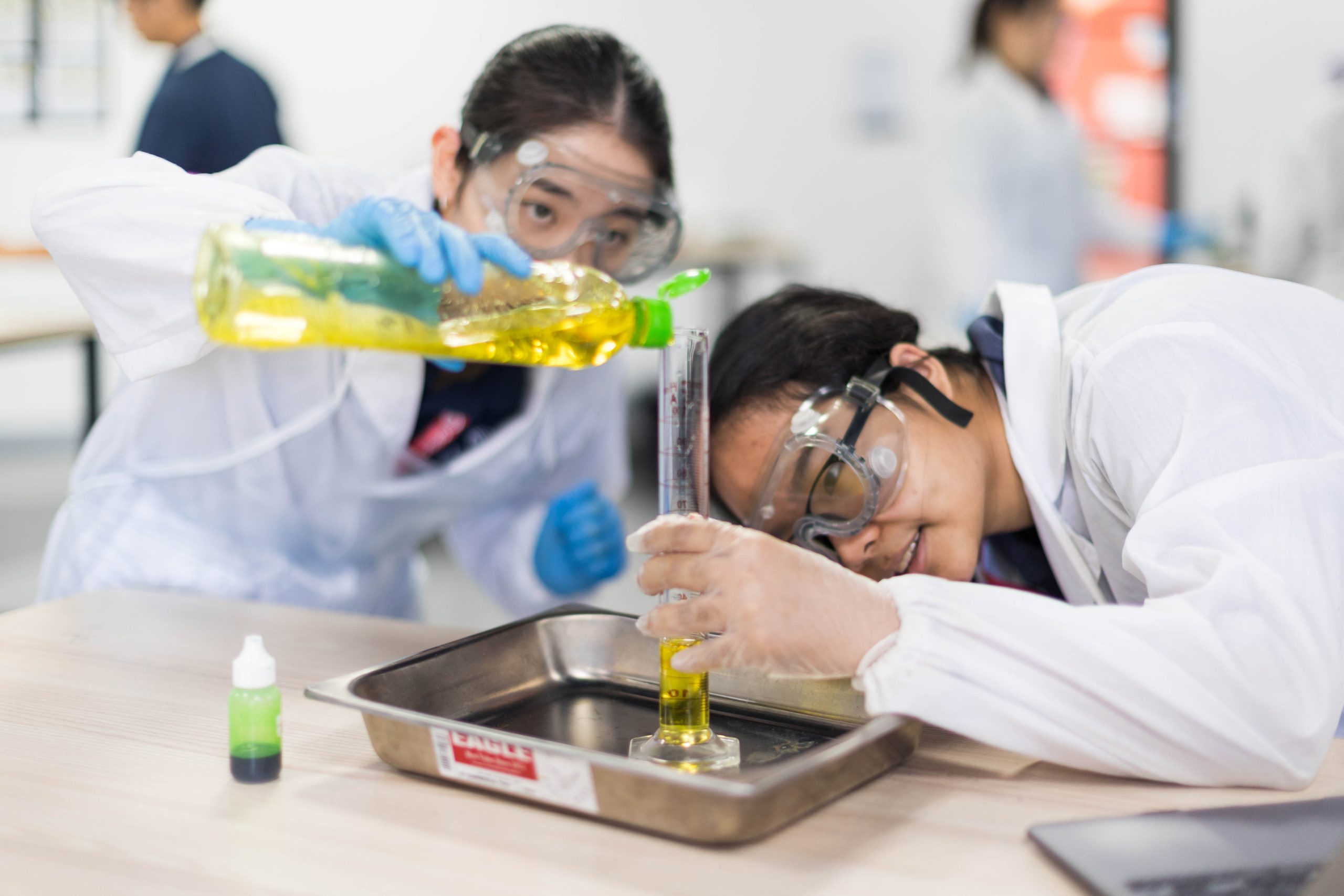
Excellent learning is woven in the curriculum design. Teachers differentiate instruction,
allowing students to move at different paces and work through challenges without rushing
to the answer, all while ensuring each student meets internationally recognized standards
that prepare them for university and beyond.
WHEN LEARNING COMES TO LIFE
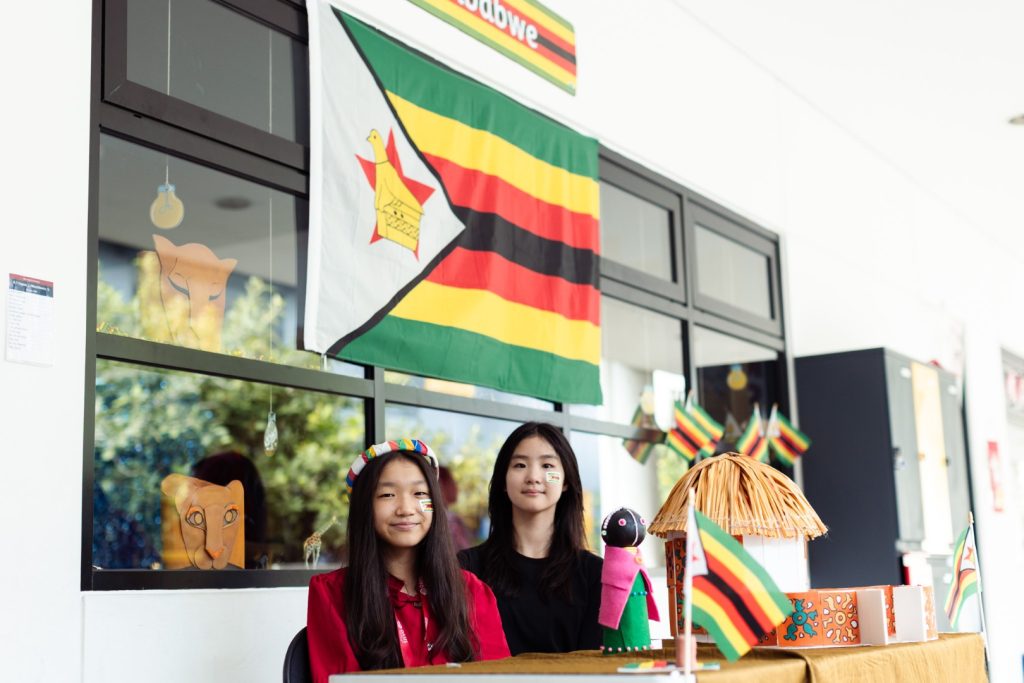
This learning framework can be seen in From Seeds to Savannahs, a Kindergarten unit where
students explore African wildlife through interdisciplinary lessons. While learning about
plant life cycles that happen in the African terrain, the kindergarteners hear stories from
various genres of literature to build reading comprehension. The students then learn how
to measure and compare their height to a newborn elephant using non-standard units.
These hands-on lessons turn abstract concepts into tangible understanding.
Each activity is designed to help young learners to think, question, and connect ideas
across subjects. Classrooms are structured to support collaborative and experiential
learning. Small class sizes allow teachers to track how students are able to comprehend
and apply the content, then step in with the right level of support. All classes are led by
U.S.-certified educators who are trained to adjust lessons based on each students’ progress.
ASSESSING AS LEARNING
Frequent touchpoints with students ensures teachers are aware of each child’s progress in
understanding class content. Rather than relying only on exams, teachers use discussions,
group work, and projects to understand how students are progressing.
In the early childhood program, students bring home art and projects that are rooted in the
lesson learned from the week. Arts and crafts may look simple and fun, but these activities
are research-based methods for increasing fine motor skills, critical thinking, and
problem-solving skills (Mayar, 20222). Feedback is ongoing, giving students the chance to
adjust and improve as they learn from mistakes.
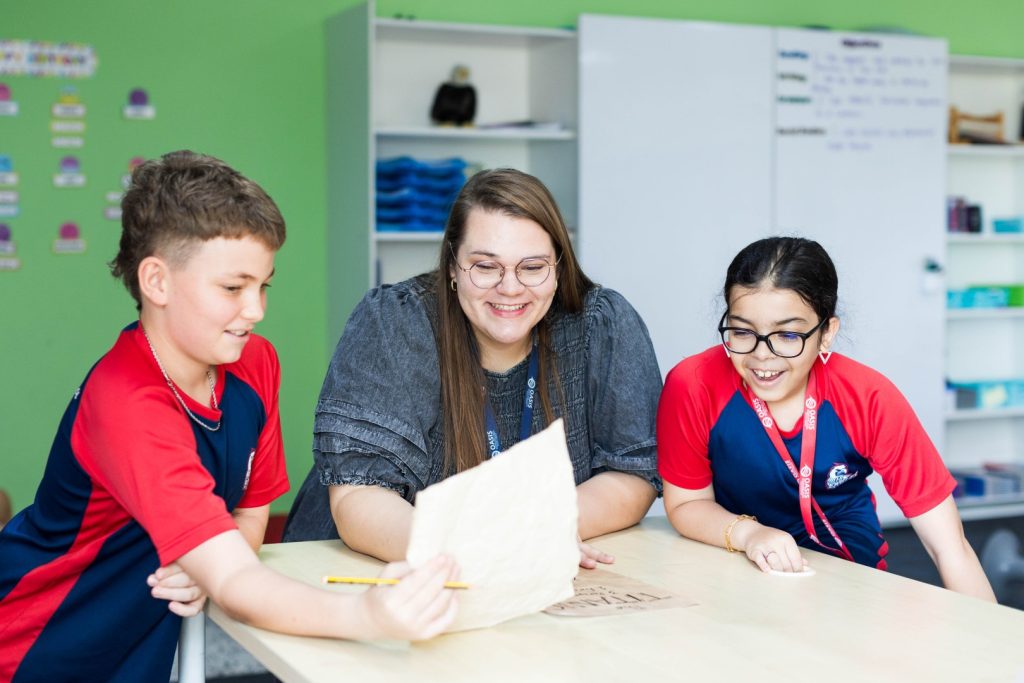
for a grade.
RAISING GLOBAL CITIZENS
Built into the curriculum, students experience character development. Practicing
leadership skills, conflict management, and emotional regulation are essential to equipping
students not just to be excellent students, but honorable people in society. These
real-world traits prepare students to become innovative entrepreneurs, strategic leaders,
and collaborative teammates.
For expatriate families, education is often a defining factor which determines other
decisions when moving abroad. At OIS, education goes beyond academic readiness. It
shapes how students think, take on challenges, and engage with the world around them.
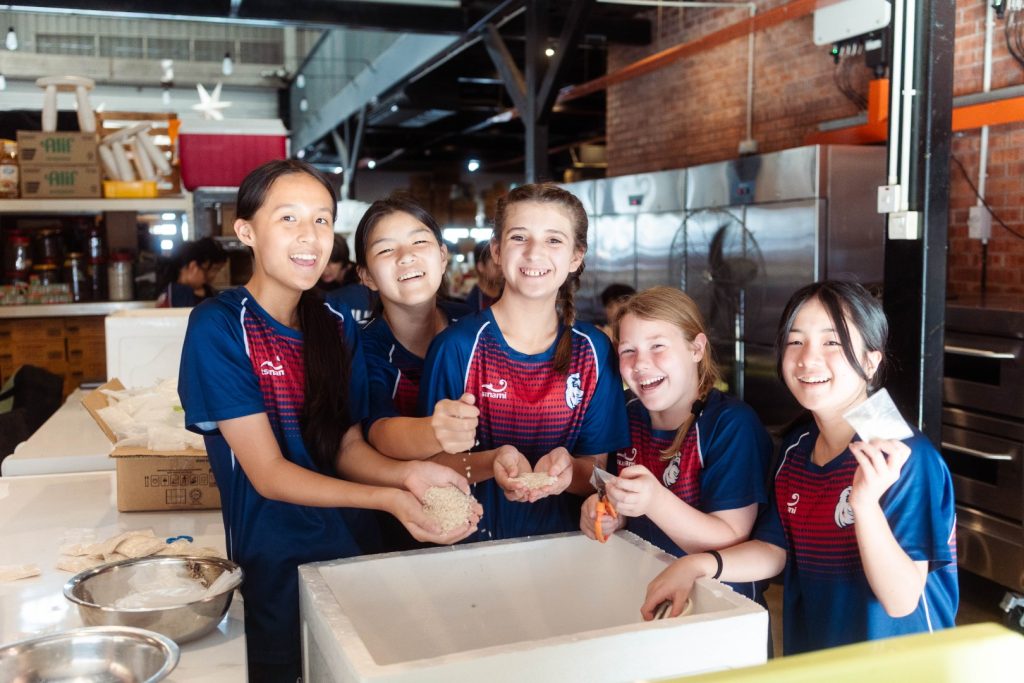
Goal “Zero Hunger.”
See how education at OIS makes the difference.
Contact Rachel Peh at admissions@ois.edu.my for more information.