


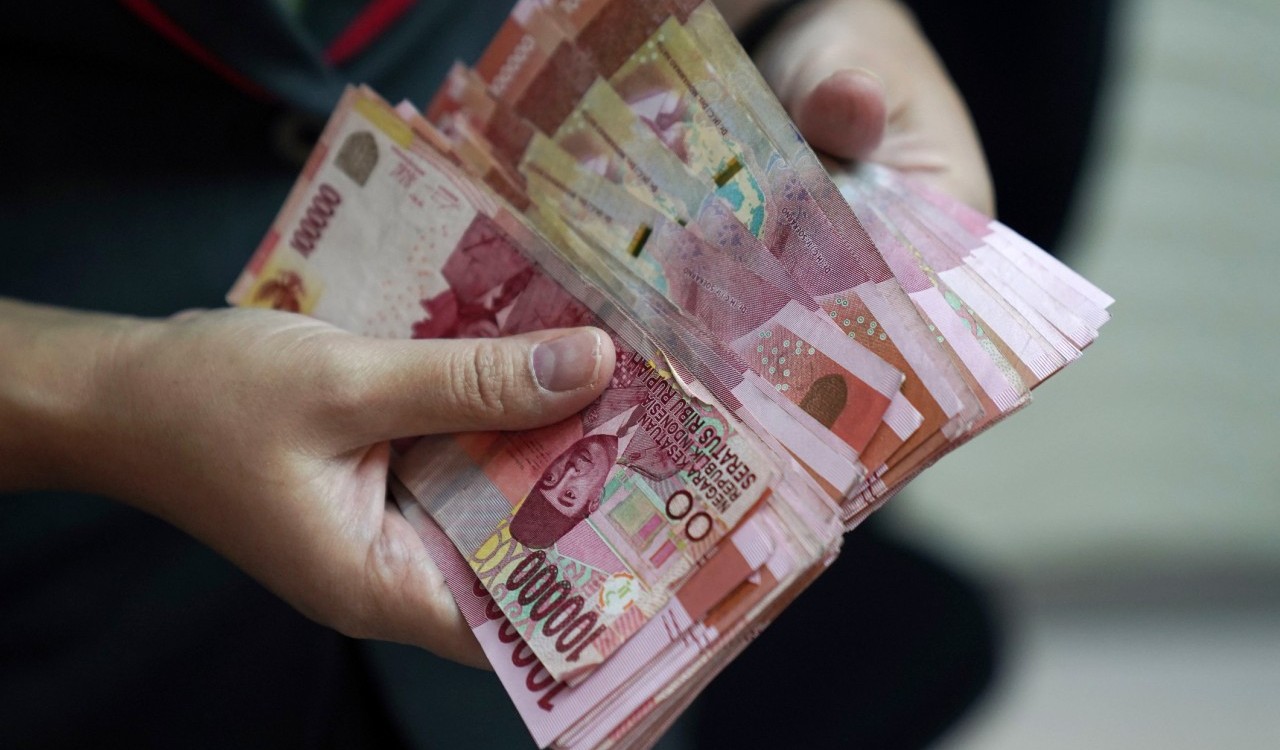
Indonesia’s rupiah has fallen to fresh historic lows against the US dollar, prompting renewed intervention by the country’s central bank as geopolitical tensions and rising oil prices rattle emerging Asian markets.
Indonesia’s central bank has once again stepped into the foreign exchange markets after the rupiah slid to a new all-time low, underscoring the mounting pressure facing Southeast Asia’s largest economy amid global instability and surging energy prices.
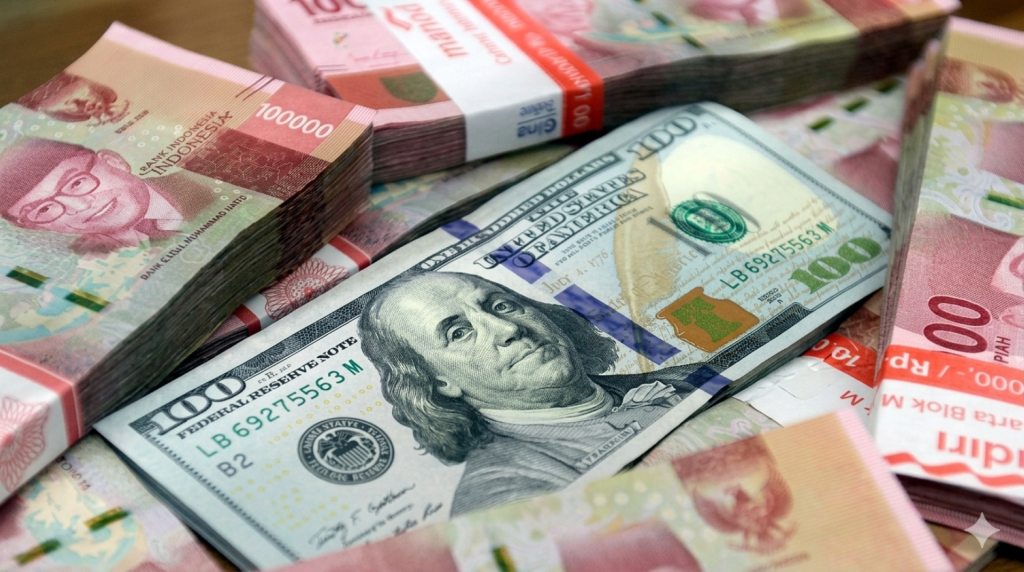
On May 5, the rupiah weakened to around 17,422 against the US dollar, setting an all-time record low and extending a prolonged period of currency weakness that has increasingly unnerved investors and policymakers alike. (For additional context, the rupiah traded at around 4,430 against the Malaysian ringgit, also a historic low.)
Bank Indonesia responded with a series of intervention measures, including activity in offshore and domestic non-deliverable forward markets, spot currency transactions, and purchases of government bonds on the secondary market.
“The central bank will continue to be present in the market to ensure market mechanisms function properly and to stabilize the rupiah in line with its fundamental value,” said Erwin Hutapea, executive director of monetary and securities management.
The pressure on the rupiah comes as investors increasingly retreat from emerging-market assets viewed as vulnerable to higher oil prices and geopolitical shocks. The current conflict involving Iran has driven crude prices sharply higher, adding fresh strain to import-dependent economies across Asia.
Indonesia is hardly alone. The Indian rupee has also hit record lows, while the Philippine peso has weakened significantly in recent weeks. But Indonesia’s currency has attracted particular scrutiny because of broader concerns surrounding capital outflows, foreign investor confidence, and questions about fiscal management under President Prabowo Subianto’s administration.
The rupiah has historically been among Southeast Asia’s more volatile currencies. Older Indonesians still vividly remember the Asian Financial Crisis of 1997-98, when the rupiah collapsed dramatically and helped trigger widespread economic and political upheaval, ultimately contributing to the downfall of longtime president Suharto. During the worst of that crisis, the currency plunged from around 2,400 rupiah to the US dollar to nearly 17,000.
Since then, Bank Indonesia has often taken an aggressive stance in defending the currency during periods of stress. The central bank intervened heavily during the global financial crisis in 2008, again during the Covid-19 pandemic, and more recently amid global inflation shocks and rising US interest rates.
This latest episode, however, reflects a particularly difficult mix of external and domestic pressures.
On the international front, elevated US interest rates continue to strengthen the dollar globally, making emerging-market currencies less attractive. At the same time, higher oil prices threaten Indonesia’s trade balance and inflation outlook, despite the country being a major commodity producer.
Domestically, investor sentiment has also been shaken by concerns about governance, fiscal spending plans, and perceived political interference in key institutions. Analysts have pointed to questions surrounding central bank independence and regulatory transparency as factors weighing on foreign confidence.
Despite the turbulence, Indonesian officials continue to argue that the rupiah’s weakness does not fully reflect the country’s economic fundamentals. Bank Indonesia Governor Perry Warjiyo has repeatedly described the currency as “undervalued,” noting that inflation remains manageable and economic growth has held relatively steady.
Indonesia’s foreign exchange reserves, while lower than earlier this year, also remain comparatively healthy at around US$148 billion, equivalent to roughly six months of imports.
The central bank has additionally tightened rules surrounding US dollar purchases in an effort to curb speculative demand. Under revised regulations announced this week, the threshold for requiring documentation on dollar purchases will be lowered further as authorities attempt to slow capital flight and stabilize the currency.
For ordinary Indonesians, however, the weakening rupiah carries very tangible consequences. Imported goods become more expensive, overseas travel costs rise, and inflationary pressure can eventually filter through to fuel, food, and household essentials.
There is also the psychological factor. In Indonesia, the rupiah’s performance is often viewed as a visible barometer of economic confidence and political stability. Sharp declines tend to attract widespread public attention and social media discussion, particularly when symbolic exchange-rate milestones are breached.
SOURCES: Reuters; Bloomberg; The Business Times; Bernama; Trading Economics