



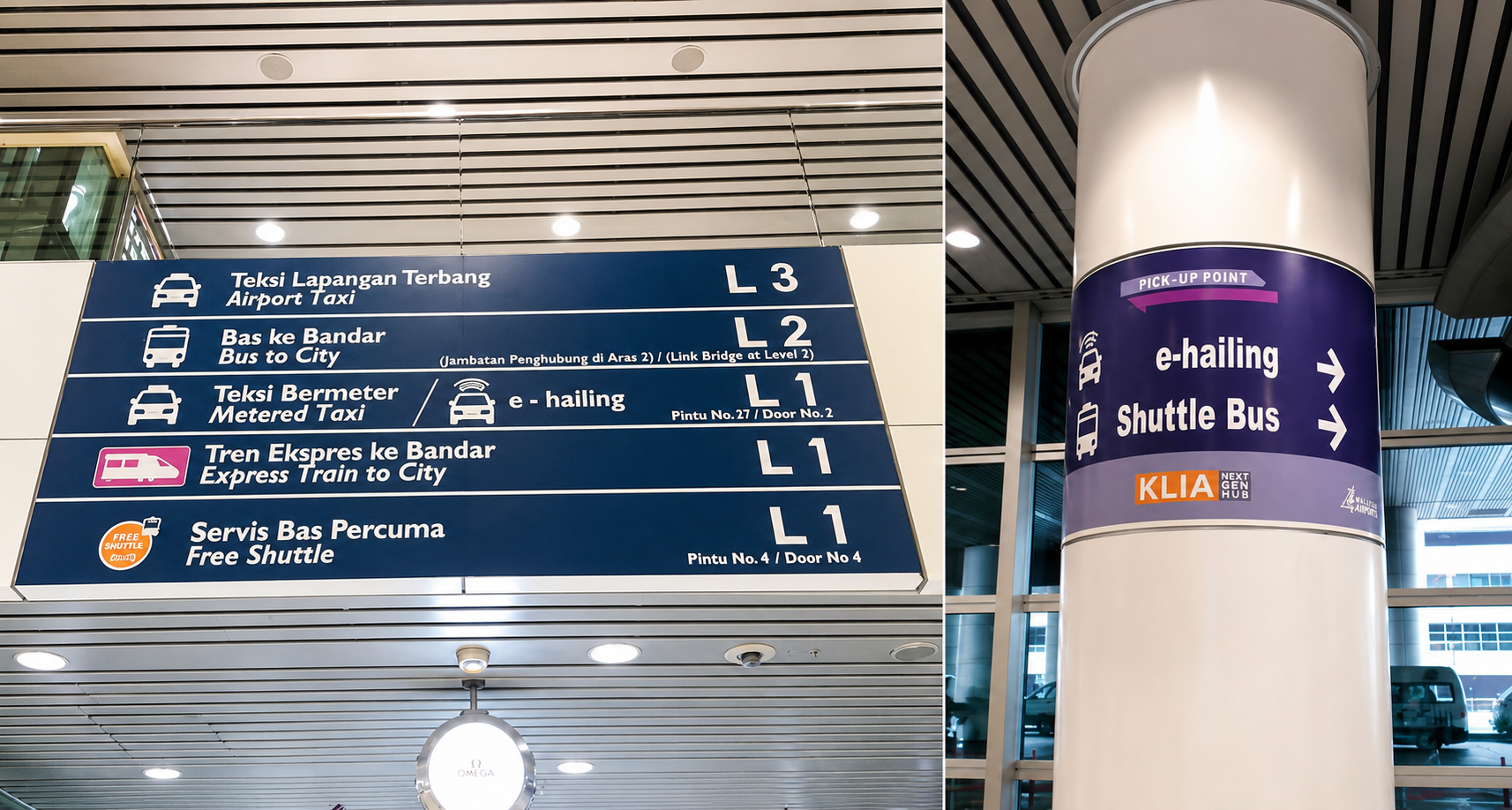
KLIA’s upgraded e-hailing system promises smoother arrivals and less kerbside chaos, but a new RM3 entry fee for drivers has some motorists asking whether better airport management has come at passengers’ expense.
Kuala Lumpur International Airport (KLIA) Terminal 1 has introduced a series of changes intended to make one of the airport’s perennial pain points – getting from the arrivals hall into an e-hailing car – more orderly and predictable.
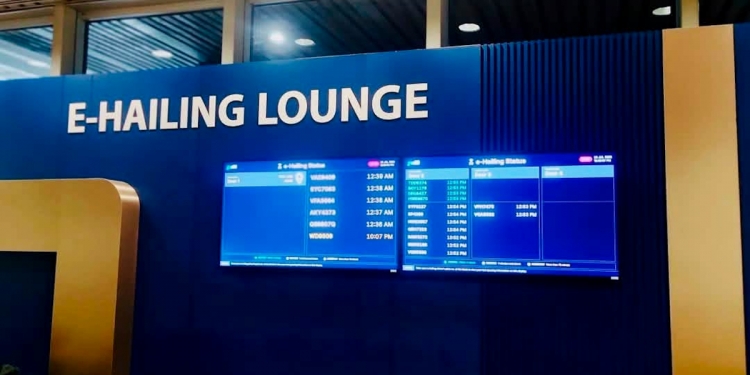
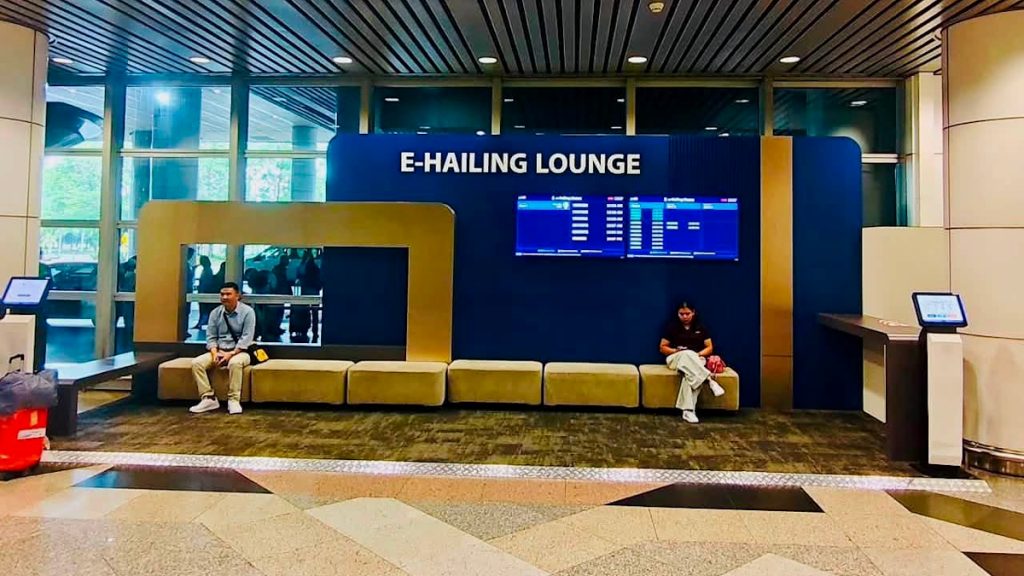
Malaysia Airports says the upgraded e-hailing pick-up area on Level 1 of the Main Terminal Building now features structured pick-up bays, on-ground marshals, a Passenger Information Display System (PIDS), and technology that allows arriving passengers to see when their booked vehicle has entered the airport and is approaching the pick-up area.
There is, however, one addition that has attracted considerably more attention than the new screens and marshals: e-hailing drivers entering the designated pick-up area must now pay RM3.
Malaysia Airports says the fee is intended to help cover the operation and maintenance of the enhanced facilities. That is a reasonable explanation on the face of it, although some online commentators have inevitably viewed the move through a rather less charitable lens, with some noting that the e-hailing app itself tells passengers the plate number and colour of the pick-up car, offers real-time tracking and arrival alerts, and others pointing out the fact that nobody really asked for the airport to duplicate this system.
And there is of course a fairly obvious question behind the criticism: who ultimately pays?
A SMARTER PICK-UP SYSTEM – WITH A PRICE
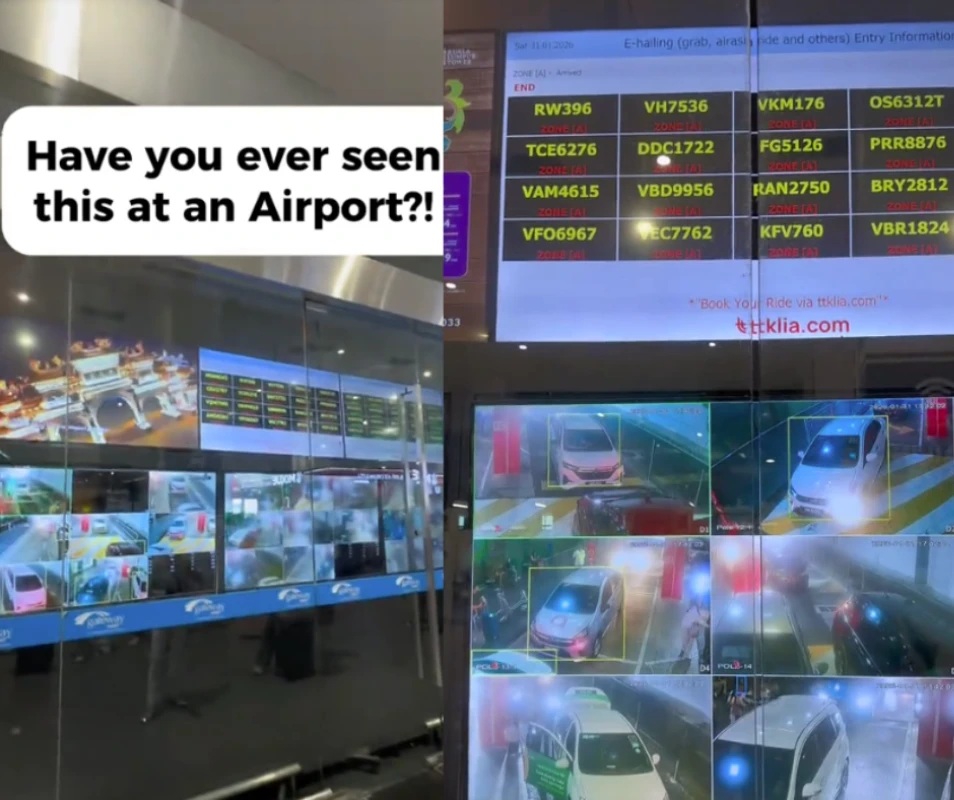
The new system integrates licence plate recognition (LPR) technology at the entrance to the e-hailing area with the PIDS displays inside the passenger lounge. Based on Malaysia Airports’ published information, passengers use self-service kiosks to enter their booked vehicle’s registration number, allowing the system to identify and track the car as it enters the designated area.
The intention is straightforward. Rather than passengers standing around outside trying to spot a particular vehicle among a procession of cars, the system should provide clearer information about when their driver has arrived and where they should meet.
Structured bays and on-ground marshals should also help prevent the free-for-all that can develop at busy airport pick-up areas, particularly when several flights arrive simultaneously.
There is good reason for Malaysia Airports to be concerned about kerbside congestion. The airport operator has already introduced its Vehicle Access Management System (VAMS) at KLIA, with a 10-minute grace period for vehicles using the relevant kerbside areas and penalties for longer stays. Malaysia Airports has said the system has significantly improved traffic discipline, with 99.17% compliance reported across the two terminals and average kerbside stays of less than four minutes.
The e-hailing system is therefore part of a broader attempt to impose some order on an airport environment that was designed long before Grab and other app-based services became such a dominant part of urban transport.
There is also a legitimate operational argument for charging vehicles that use dedicated airport infrastructure. After all, someone has to pay for the technology, staff, maintenance, traffic management, and physical facilities required to handle thousands of vehicle movements.
The RM3 question, however, is unlikely to disappear.
Online reaction has included suggestions that the fee amounts to little more than a new revenue stream for the airport operator. That may be unfair – Malaysia Airports has specifically linked the charge to maintaining the enhanced facilities – but the scepticism is understandable. E-hailing drivers operate on relatively narrow margins, and a compulsory fee attached to every airport pick-up represents another operating cost.
It would also be surprising if at least some of that cost did not eventually find its way into fares, whether directly or through the pricing structures used by the various e-hailing platforms. That does not necessarily mean passengers will see a neat RM3 surcharge on their next booking, but the economics of the arrangement are difficult to ignore.
A BETTER EXPERIENCE – IF IT WORKS
The more important test, ultimately, will be whether passengers actually experience a better service.
KLIA’s designated e-hailing pick-up arrangements have been around for years, and the airport has previously provided drivers with a separate waiting area near the terminal so they can avoid clogging the passenger pick-up lanes while waiting for customers.
The latest system attempts to take that process considerably further, using technology to connect the passenger, driver, vehicle, and pick-up bay. If it reduces confusion, cuts waiting times, and keeps traffic moving, RM3 may prove a relatively small price to pay for a significantly less frustrating arrival.
There is another reason to get the system right. KLIA is Malaysia’s principal international gateway, and first impressions matter, particularly as the country continues to promote itself as a major tourism and business destination.
The airport has also had to contend with another e-hailing problem that has nothing to do with congestion. In July, the Road Transport Department said it had found licensed e-hailing drivers at KLIA Terminals 1 and 2 bypassing their apps and approaching tourists directly, in some cases allegedly charging hundreds of ringgit for journeys that would normally cost a fraction of that amount.
Against that background, clearer systems, designated areas, visible marshals, and better identification of legitimate vehicles are difficult to argue against.
The question is whether passengers will ultimately regard the RM3 as a modest infrastructure fee attached to a better service, or simply another airport charge that has quietly migrated into the cost of getting home.
Sources: Malaysia Airports, The Star, Malay Mail, Bernama, SoyaCincau, KLIA.info