

Often overshadowed by neighbouring La Rioja, Navarra is quietly building a reputation for distinctive reds, characterful rosados, and increasingly confident modern Spanish wines.
Additional text by Chad Merchant
Even wine experts argue over how many wine regions there are in Spain, but most recognize around 100. La Rioja captures much of the attention, but neighboring regions such as Navarra are also producing superb wines that are increasingly striving for the limelight.
Navarra is Spain’s quiet overachiever, tucked between the fame of La Rioja and the celebrated wine regions of France. For decades, it was best known for its rosado (rosé) wines, but its portfolio today is considerably more complex and interesting.
Navarra, in northern Spain, is a remarkably diverse wine region stretching from the foothills of the Pyrenees to the semi-arid landscapes of the Ebro Valley. Its varied climates and soils support everything from fresh whites and elegant rosados to structured, full-bodied reds, with Garnacha and Tempranillo at the heart of its traditional wine identity.
Indeed, perhaps the region’s greatest strength is its diversity, with few Spanish wine regions offering as much contrast. The north is cooler, influenced by the nearby Atlantic Ocean and fertile landscapes, making it suitable for delicate whites and elegant Pinot Noir. Central Navarra has a more classic continental climate, with rolling vineyards and sun-baked Garnacha bush vines. Farther south, around Tudela, the landscape becomes semi-desert, providing ideal conditions for bold, dark-fruited reds.
Garnacha provides much of the region’s soul, with old vines reaching 80 years of age and producing the rosados for which Navarra became famous. Unlike the famously delicate rosés of Provence, Navarra’s versions tend to have more body, fruit, and bite.
Tempranillo, widely planted throughout Spain, adds structure to Navarra’s reds, while the introduction of Cabernet Sauvignon and Merlot in the 1980s gave some of the region’s wines a distinctly Bordeaux-influenced character. Local varieties such as Graciano and Mazuelo add further complexity.
While the arrival of international varieties might initially suggest that Navarra was chasing trends, winemakers today are increasingly confident in producing wines that reflect the region’s own character. The shift is part of a broader new-wave approach to winemaking that is bringing renewed attention to Navarra.
A REGION FINDING ITS VOICE
To some extent, the wines of Navarra have been overshadowed by those from the adjoining La Rioja region, but improvements in winemaking techniques are ensuring that wines produced here are capturing the attention of global wine aficionados.
While best known for its rosado wines, red grape varieties dominate the Navarra Denominación de Origen (DO), Spain’s appellation system governing the origin and quality of wines. Rosado is a rosé-style wine made from red grapes and, in Navarra, Garnacha is the variety most commonly associated with the style.
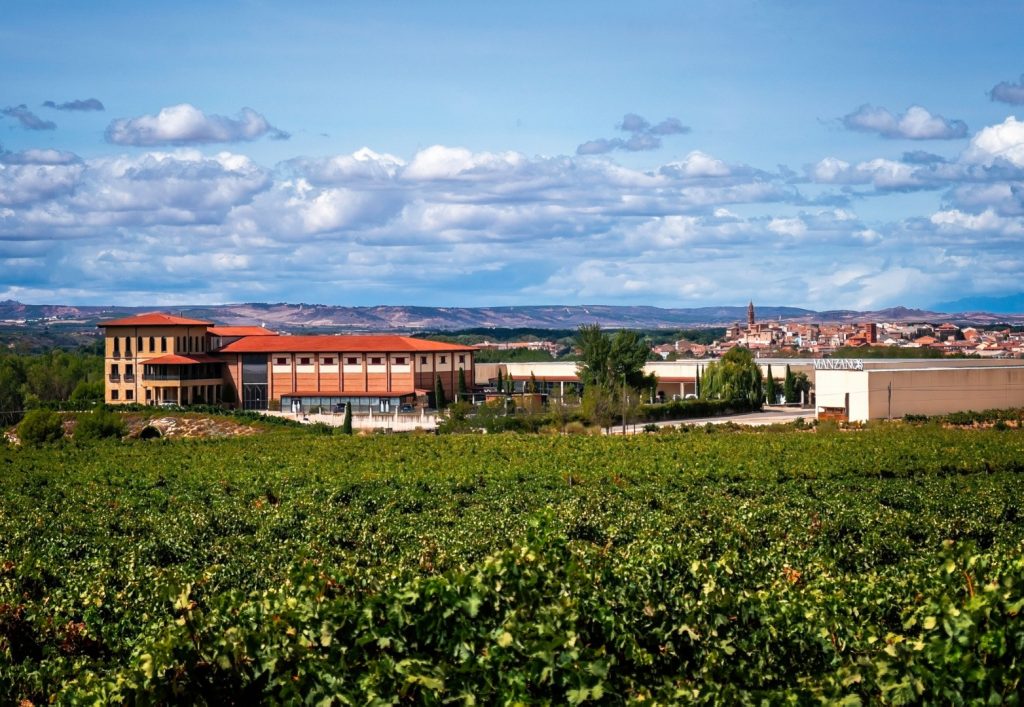
The wines of Las Campanas are sourced from estates around the small Navarra town of Azagra, southeast of Logroño, a major wine center and the capital of the famous La Rioja region. Both areas are popular destinations for wine tourism.
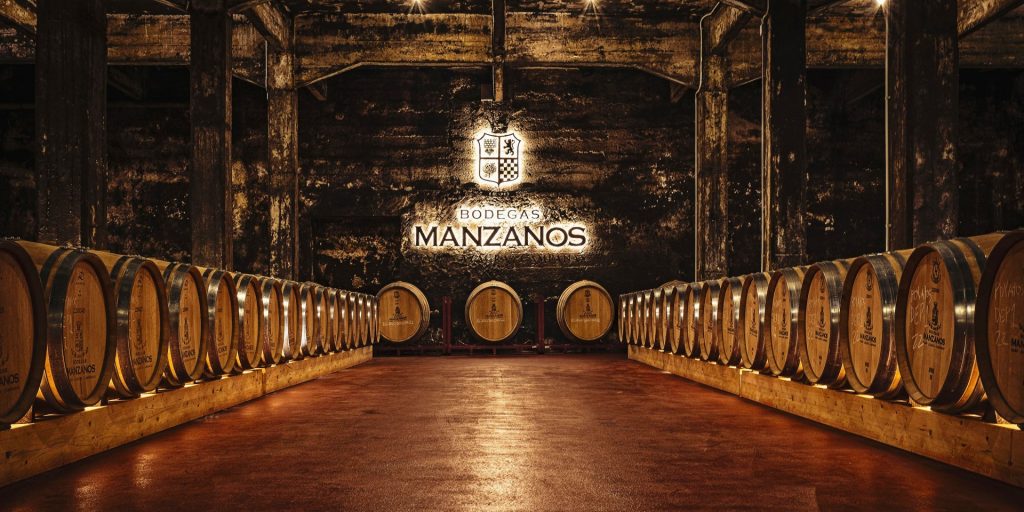
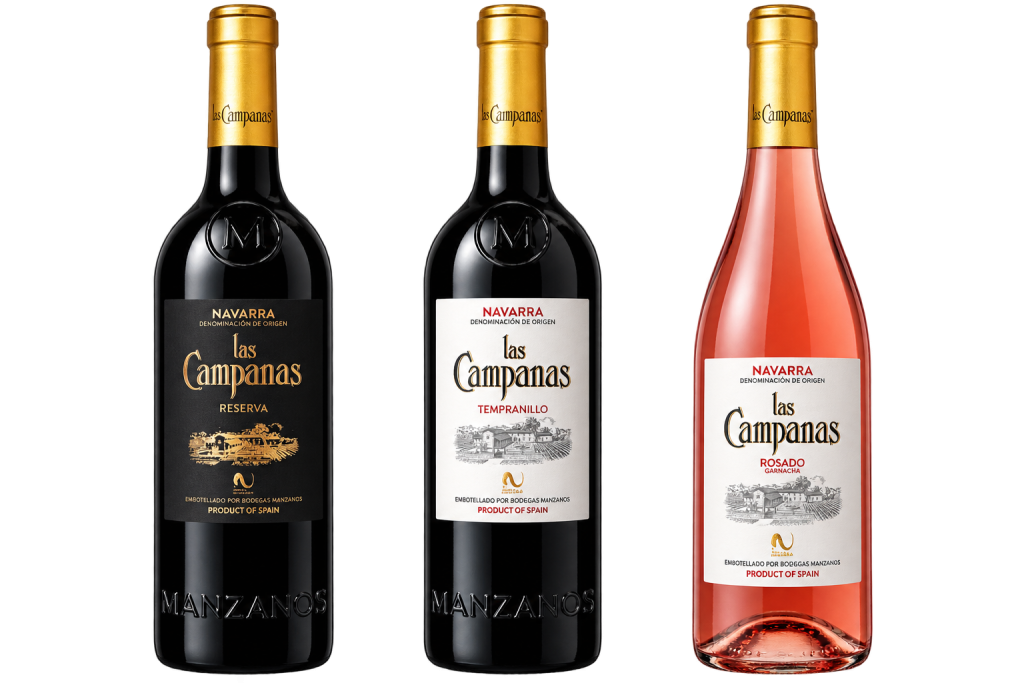
We recently sampled three expressions from the Bodegas Manzanos stable of Las Campanas wines. The name means “bells” in Spanish, and the estate’s winemakers are happy to ring those bells and tell the world about the wines they produce.
These three bottles demonstrate the versatility of Navarra’s leading red varieties and the enduring appeal of its rosado tradition.
LAS CAMPANAS TEMPRANILLO
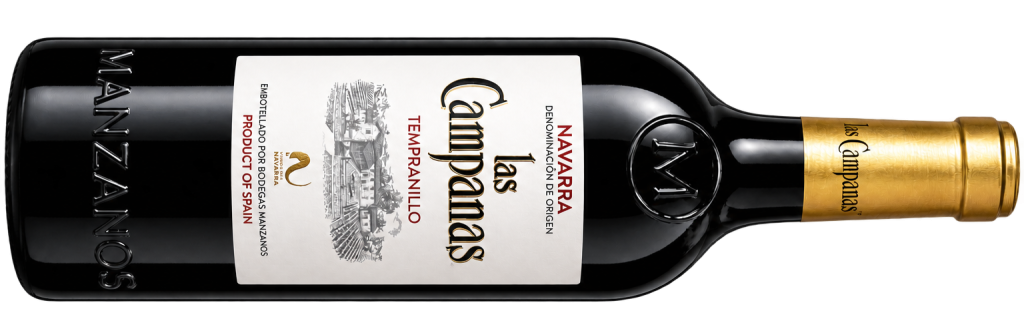
While Garnacha is a dominant red variety in Navarra, Tempranillo is also important in regional blends. Viticulture in the region dates back to the Roman era, and Tempranillo is now planted extensively throughout Spain, where its character varies considerably from region to region.
The grape can be lively and fruit-forward when young, or become considerably more brooding with extended oak aging. In some parts of the world, there is a tendency to over-oak Tempranillo, with prolonged barrel aging dominating the fruit.
This Las Campanas expression takes a considerably lighter approach. Fermentation occurs in stainless steel vats, with only a small percentage of the wine aged in American oak for four months.
The limited oak contact allows the fresh fruit character to shine through, making this a wine best enjoyed relatively young. We enjoyed it at a barbecue after placing it in the refrigerator for around 20 minutes before serving. It pairs particularly well with steak, lamb, spiced chicken, and various styles of sausage.
As a bit of an aside for the health-conscious wine drinker, Tempranillo also has an interesting connection with resveratrol, a naturally occurring polyphenol and antioxidant found primarily in the skins of red grapes. Resveratrol has attracted considerable scientific interest for its potential antioxidant and anti-inflammatory properties, with research exploring possible benefits for cardiovascular health, metabolic function, and healthy ageing. The science is far from settled, however, and human studies have yet to establish conclusively that consuming resveratrol through wine or other foods prevents disease or extends lifespan. Tempranillo has long been considered a resveratrol-rich wine grape variety, though it’s perhaps not necessarily the top pick: studies have found particularly high levels in varieties such as Pinot Noir, too, but concentrations vary considerably according to grape variety, climate, growing conditions, and winemaking.
Producer: Las Campanas
Style: Tempranillo
Region: Navarra
Vintage: 2024
Grape Variety: Tempranillo
Alcohol Content: 13.5%
Closure: Cork
Price: RM104
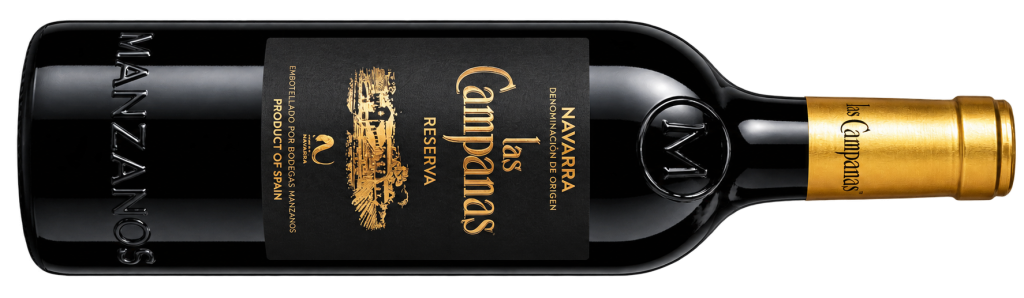
LAS CAMPANAS RESERVA
Early wines from Navarra were sometimes regarded as poorer cousins of those from La Rioja, but the introduction of international grape varieties over recent decades has injected new energy into the region’s winemaking.
Las Campanas Reserva is arguably closer in style to Bordeaux-influenced wines than many traditional wines from neighboring La Rioja. The grapes are sourced from across Navarra, with the winemakers aiming for consistency in style and quality from vintage to vintage by blending Cabernet Sauvignon, Merlot, and Tempranillo.
Tempranillo provides structure – the framework of acidity, tannins, sweetness, and alcohol – while the international varieties contribute body and richness and help the wine develop greater roundness with age.
Fermentation takes place in 60,000-liter stainless steel tanks, followed by 24 months of aging in French (70%) and American (30%) oak barrels. The wine then spends a further 24 months aging in bottle.
Spain has strict regulations governing wine labeling and aging. Crianza and reserva are among the most familiar terms. A red wine labeled crianza must be aged for at least 24 months, including a minimum period in oak, while reserva wines require at least 36 months of aging, with at least 12 months in oak and a further minimum of 24 months in bottle.
This Reserva stands out for its black and ripe fruit, spice, and rich aromas. With several years of bottle age, it offers excellent value and should pair particularly well with Asian dishes such as beef rendang, Peking duck, and dishes prepared with five-spice blends.
Producer: Las Campanas
Style: Reserva
Region: Navarra
Vintage: 2019
Grape Varieties: Cabernet Sauvignon, Merlot, Tempranillo
Alcohol Content: 13.5%
Closure: Cork
Price: RM113
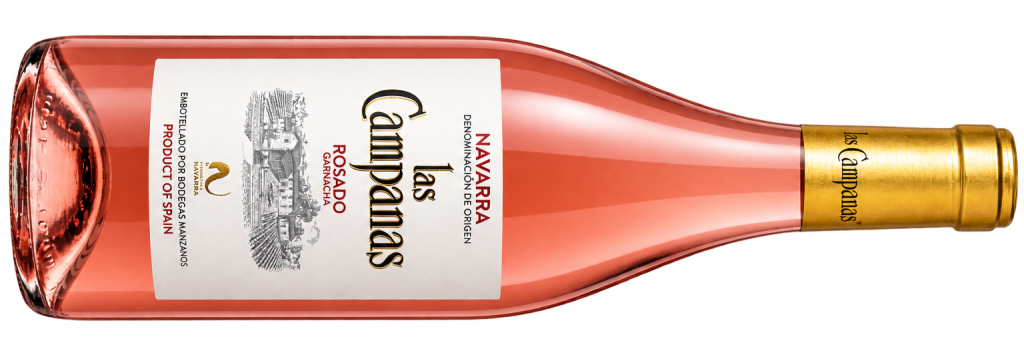
LAS CAMPANAS ROSÉ
As mentioned, Navarra is best known for its rosado wines. Interestingly, the estate has chosen the more recognizable French term rosé rather than the lesser-known Spanish rosado in markets such as Malaysia.
Whatever the terminology, its distinctive bronze, or onion-skin, color clearly indicates the style of wine.
There was once a school of thought that suggested rosé was ideal for diners who could not decide between red and white wine. We could not disagree more. Rosé has its own identity and characteristics, occupying a fascinating space between the two styles while remaining distinctly its own wine.
This Navarra rosé is more muscular than some versions that lean toward the delicate end of the spectrum. Garnacha grapes are fermented to produce a fruit-forward wine with a spicy backbone, giving it considerably more presence than many pale, restrained rosés.
Las Campanas has a long association with Navarra’s rosado tradition and played an important role in establishing the appellation’s reputation for the style. This is therefore a bottle worth considering for anyone who enjoys a fuller, more characterful rosé.
Serve it well chilled as an aperitif or alongside a relaxed Sunday lunch. It should work particularly well with seafood salad, pizza, paella, or lightly spiced chicken curry. It could even serve as a suitable base for a Spanish-style sangria.
Producer: Las Campanas
Style: Rosé (Rosado)
Region: Navarra
Vintage: 2024
Grape Variety: Garnacha
Alcohol Content: 13%
Closure: Cork
Price: RM110