


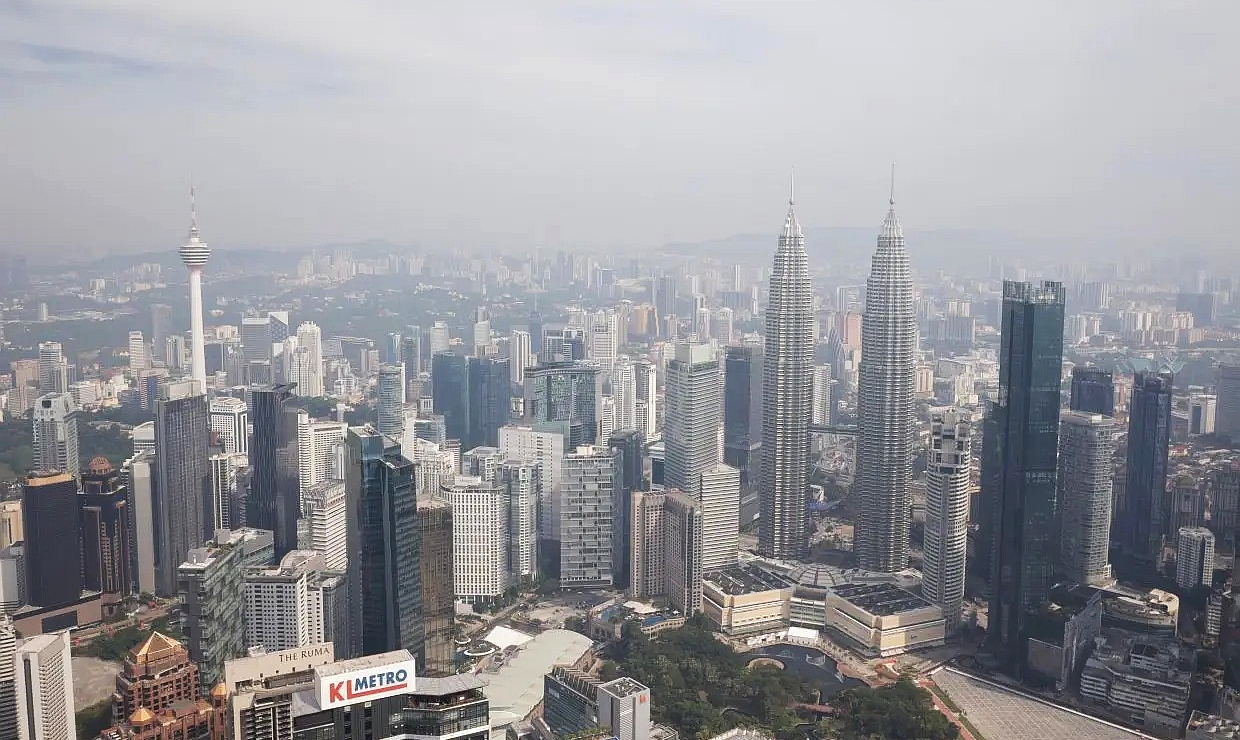
Malaysia and Indonesia are stepping up cooperation to contain transboundary haze as dry conditions and a strengthening El Niño raise the risk of more fires across the region.
Malaysia and Indonesia are once again joining forces against one of Southeast Asia’s most stubborn seasonal nuisances: haze.
With Malaysia’s 69th National Day celebrations just days away and Malaysia Day approaching on September 16, the two countries have agreed to intensify measures to prevent and suppress fires that could send smoke drifting across the border.
Natural Resources and Environmental Sustainability Minister Arthur Joseph Kurup said the commitment followed a phone conversation on August 24 with Indonesia’s environment minister, Jumhur Hidayat. The timing is particularly important, with El Niño expected to strengthen toward October as the region moves through the Southwest Monsoon. The combination of hotter, drier conditions and prevailing winds can significantly increase the risk of fires and transboundary smoke.
Malaysia has also received official clearance from Indonesia to send Malaysian cloud-seeding aircraft into Indonesian airspace to target areas along the shared border. The National Disaster Management Agency (NADMA) and Malaysian Meteorological Department are now working on an operational timetable with Indonesian authorities, while Malaysia has offered to assist with firefighting should additional support be required.
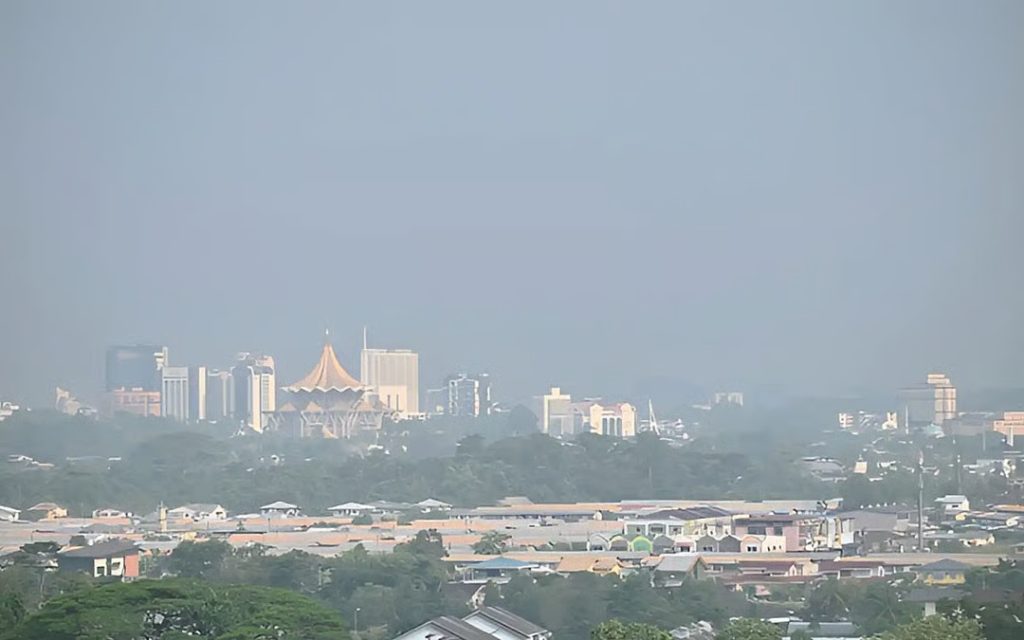
The need for cooperation is already becoming apparent. As of 10 a.m. on August 24, 10 areas across four Malaysian states were recording unhealthy Air Pollutant Index (API) readings, with Serian in Sarawak registering 197 – just short of the 200-point threshold for “very unhealthy” air quality.
A REGIONAL PROBLEM THAT REFUSES TO DISAPPEAR
Transboundary haze is hardly a new problem. Southeast Asia has wrestled with it for decades, particularly during dry seasons when forest and peatland fires can spread rapidly and the resulting smoke is carried across national borders.
Peatlands are particularly problematic. When drained and dried, peat can burn underground and smolder for prolonged periods, making fires notoriously difficult to extinguish. ASEAN estimates that peatland fires account for around 90% of transboundary haze in the southern ASEAN region.
The region has had a formal framework for tackling the problem since the ASEAN Agreement on Transboundary Haze Pollution was adopted in 2002. The agreement requires member states to work together on prevention, monitoring, information sharing, and emergency response. Indonesia became the final ASEAN member to ratify it in 2015.
This year’s conditions are already giving authorities reason to be cautious. The ASEAN Specialised Meteorological Centre activated Alert Level 2 for the southern ASEAN region earlier this month after dry conditions drove a sharp increase in hotspots, particularly in western and southern Kalimantan and parts of Sumatra. ASMC now expects strengthening El Niño conditions and below-normal rainfall to increase the likelihood of prolonged dry periods and transboundary haze during August through October.
There is also a more immediate human dimension. Recent fires in Indonesia have already produced significant smoke across parts of Borneo, with Malaysian authorities monitoring conditions particularly closely in Sarawak. Indonesia has meanwhile intensified aerial and ground firefighting operations, with authorities investigating suspected deliberate fire-setting and illegal land clearing in several areas.
Cloud seeding may help bring temporary relief, but it is ultimately a response to the symptoms rather than the underlying problem. Preventing fires, protecting peatlands, enforcing restrictions on open burning, and rapidly detecting and extinguishing hotspots remain the more durable solutions.
For now, Malaysia and Indonesia appear to be taking the threat seriously. With National Day celebrations about to begin and El Niño potentially making the months ahead considerably drier, nobody is likely to complain if this year’s biggest fireworks are the ones that were actually planned.
Sources: Free Malaysia Today; Bernama; Reuters; ASEAN Specialised Meteorological Centre; Department of Environment Malaysia; Associated Press.