

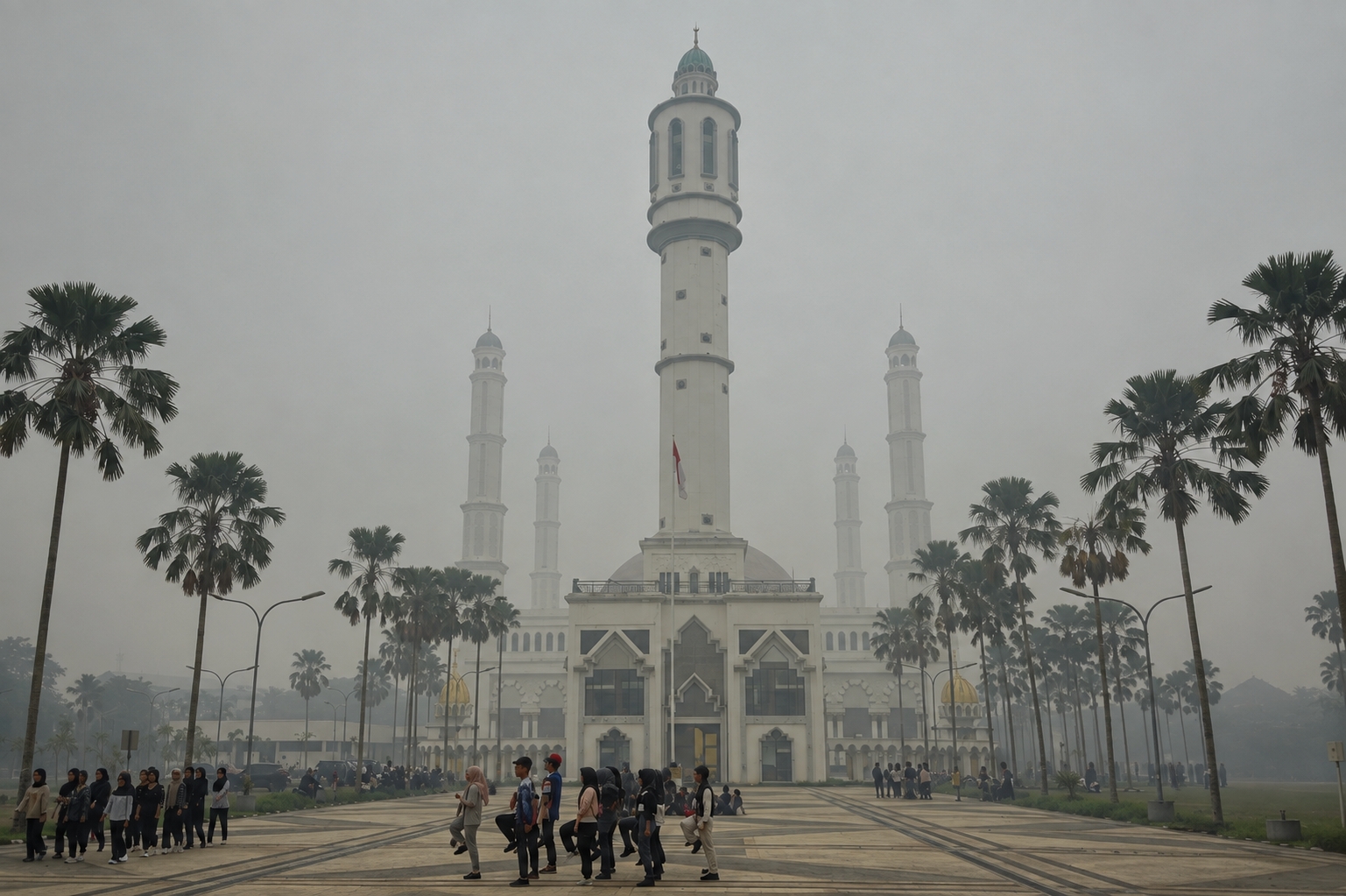
Welcome rain in parts of Indonesia is offering a measure of hope after another day of distinctly unwelcome haze across Greater Kuala Lumpur, with rainfall falling in areas that have been among the sources of the smoke affecting Indonesia and neighbouring countries.
The latest reports from Pontianak, the capital of West Kalimantan on Borneo, describe a noticeable improvement after weeks of severe haze, with residents reporting clearer skies and better visibility following several days of rain. For Malaysians watching the skies turn grey again, the important point is that rain falling over the fire zones is far more significant than a thunderstorm over Kuala Lumpur.
THE RAIN NEEDS TO FALL WHERE THE FIRES ARE
If you think it’s been bad on occasion recently in KL, be glad you’re not living in West Kalimantan. Pontianak, a city of around 700,000 people, has been horribly affected by smoke from widespread fires burning through forest and peatland across Borneo. Schools have been closed at times, outdoor activities curtailed, and health authorities have recorded a substantial increase in respiratory illnesses. The recent rain there offered much-needed relief.
“After the rain, I immediately felt the difference. The air was better, and the visibility was clearer,” Pontianak resident Lilis Suryani told AFP. Another resident, university student Uray Rosa Febrianti, said the rain offered hope that conditions were beginning to improve.
PM2.5 levels in Pontianak nevertheless remained extremely high at times, reaching more than 23 times the World Health Organization’s recommended level, according to IQAir. Earlier this month, concentrations were reported at more than 100 times the WHO guideline.
And while Borneo has been at the centre of the current crisis, Sumatra is also relevant to residents of Peninsular Malaysia. Smoke from fires in southern Sumatra has been identified by Malaysian authorities as a source of haze affecting Johor in particular, with prevailing winds carrying the pollution across the Straits of Malacca. The vast island of Sumatra has numerous hotspots, which have also contributed to the haze in KL and Selangor, as well, along with other parts of the Peninsula.
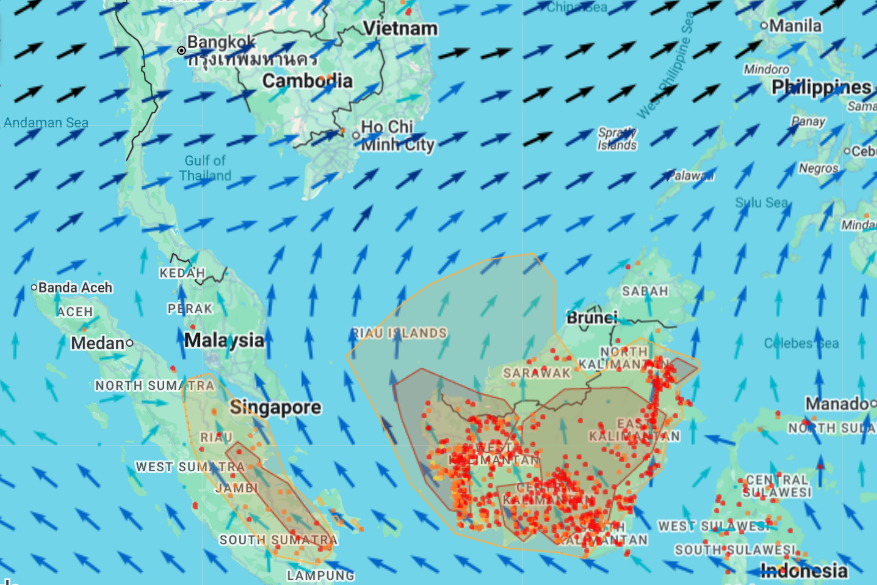
That brings us to a commonly held misconception during haze season. Rain falling in Kuala Lumpur does not, in fact, meaningfully solve a haze problem whose source is hundreds of kilometres away. A heavy shower here in the city can certainly wash some airborne particles from the local atmosphere and produce a very temporary improvement in air quality, but it does nothing to extinguish a fire at its source – or prevent the smoke from returning shortly after the rain has stopped.
Rain falling over the fires themselves is another matter entirely. Sustained rainfall can dampen vegetation, replenish dried-out peatlands, reduce the intensity of fires, and make it considerably harder for underground peat fires – which are notoriously hard for people to extinguish without Mother Nature’s help – to continue smouldering. That is why the recent rainfall in Indonesia is genuinely encouraging.
A DIFFICULT FIRE SEASON
Indonesia is experiencing an exceptionally severe fire season, with drought intensified by a strong El Niño pattern. Reuters reported earlier this month that more than 12.5 million people across seven Indonesian provinces had been exposed to hazardous levels of haze, while respiratory cases rose sharply.
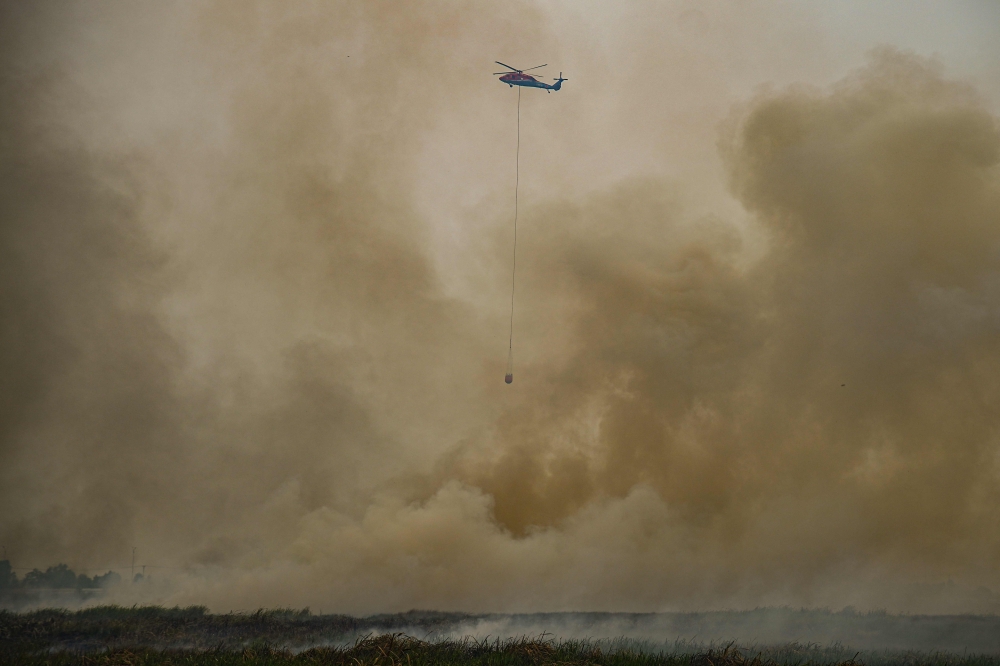
The fires are particularly difficult to suppress when they reach peatlands. Flames may disappear from the surface while combustion continues underground, allowing fires to spread and re-emerge even after an area appears to have been extinguished. Firefighters have been supported by volunteers, water-bombing aircraft, and cloud-seeding operations, but the scale and persistence of the fires have made the response difficult.
The ASEAN Specialized Meteorological Centre, based in Singapore, has also warned that El Niño and below-normal rainfall are increasing the risk of continued hotspot and transboundary haze activity across the southern ASEAN region. At the same time, it expects increased shower activity as the Southwest Monsoon gives way to the inter-monsoon period around October, potentially providing some relief.
For Greater KL, meanwhile, the immediate outlook remains changeable. MetMalaysia’s September 29 forecast calls for rain in parts of Selangor and thunderstorms in several areas of the Peninsula, while Kuala Lumpur itself could see thunderstorms later in the day.
So, by all means, enjoy the rain when it arrives in KL. It may give the local air a welcome short-term scrub, and of course lower the hot temperatures for a while. But if you’re hoping for the real solution to this year’s haze, keep an eye on the weather map across Sumatra and Borneo… because that is where we really need the rain to fall.
Sources: AFP, Reuters, Malay Mail, The New Straits Times, ASEAN Specialized Meteorological Centre, MetMalaysia.