


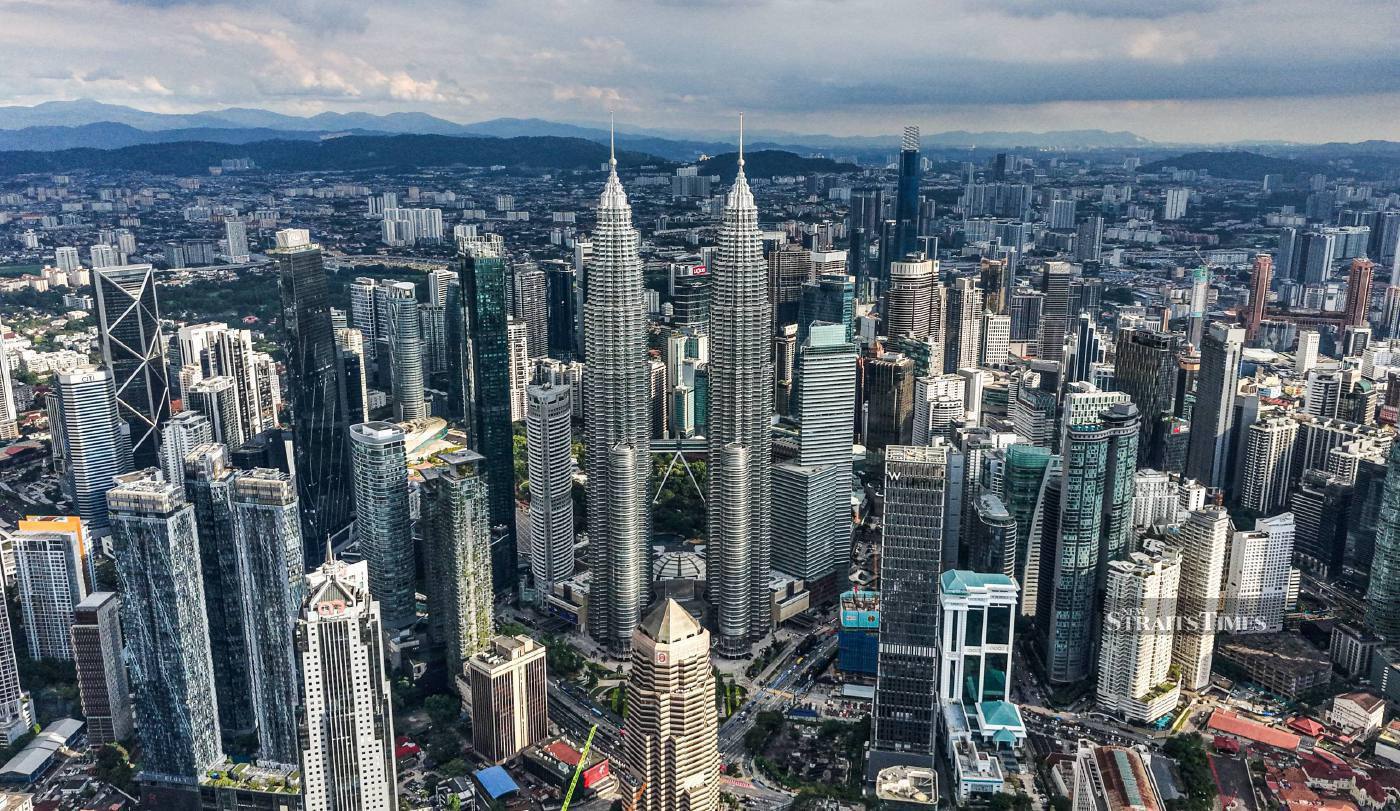
After weeks of murky skies, Kuala Lumpur enjoyed its clearest day in a long while on October 25. Rainfall in fire-hit parts of Indonesia is offering hope that the regional haze may finally begin to ease, although the reprieve will depend on whether the showers continue.
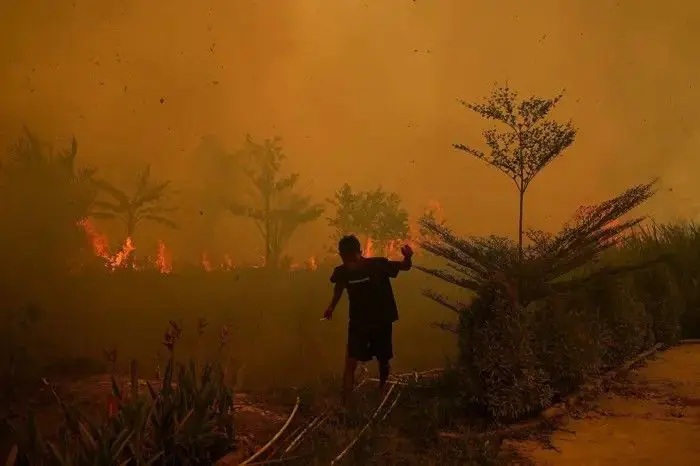
Rain in Malaysia is always welcome, particularly after weeks of oppressive heat and hazy skies. Even a passing shower can temporarily wash some pollutants from the air and offer a little relief. But any mitigation of the haze by rain that falls here is fleeting at best: the rain that really matters is that which falls where the haze begins: over the forests and peatlands of Indonesia, where fires have been burning through an extended dry season.
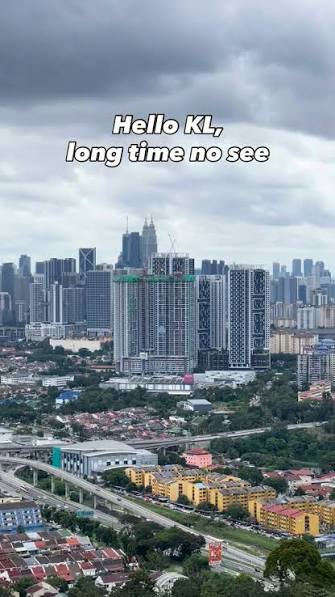
Now, that long-awaited change appears to be underway in parts of Sumatra and Kalimantan, with numerous fire-plagued areas receiving heavy rainfall, and the results have been striking. Sunday, October 25, brought Kuala Lumpur its first genuinely clear day in many weeks, with the haze dramatically reduced. Social media users shared photographs and videos of distant buildings, open horizons, and clear views that for far too long had been all but swallowed by the smoke.
The improvement offers a welcome reminder of just how quickly conditions can change when rainfall reaches the affected areas. It is an encouraging development, although experts caution that it remains too early to declare the haze season over.
RAIN RETURNS TO FIRE-HIT INDONESIA
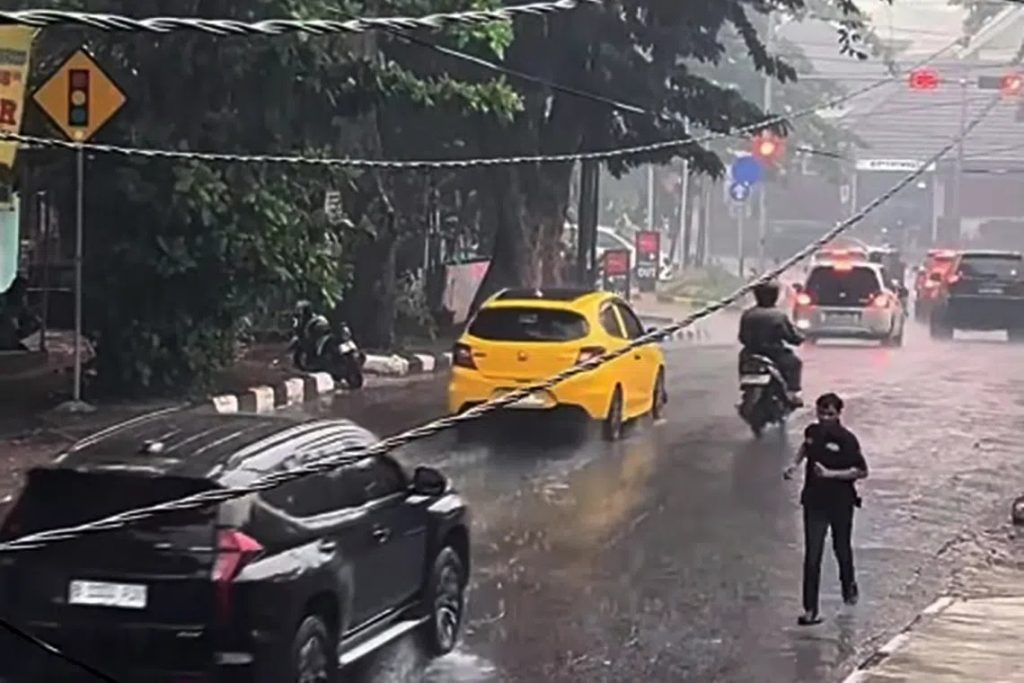
In Palembang, the capital of South Sumatra, heavy rain arrived on the afternoon of October 24 after more than three months of dry conditions. Rather than simply seeking shelter, residents reached for their phones to record the downpour. Videos of rain beating against rooftops and washing over smoke-shrouded streets quickly circulated on social media. Volunteer firefighters were also shown expressing absolute joy at the heavy rain.
One user on X expressed the relief felt by many residents, writing that Palembang had finally received its share of heavy rain and that the moment was so emotional it brought tears.
The showers continued over the weekend and into October 26, according to local resident Firmansyah, 60, who told The Straits Times in Singapore that the rain had eased from its heaviest downpours, but was still falling.
Indonesia’s Meteorology, Climatology and Geophysics Agency (BMKG) expects the rainy season to begin in South Sumatra in November, although some fire-prone areas may see rainfall arrive a bit earlier. Several parts of Sumatra and Kalimantan have already experienced scattered showers, including areas where cloud-seeding operations have been conducted.
Cloud seeding uses salt to encourage suitable existing clouds to produce precipitation. Its success depends on atmospheric conditions, so it cannot guarantee rain wherever it is needed. Nevertheless, the recent downpours offer grounds for cautious optimism.
RELIEF, BUT NOT EVERYWHERE
The change has been uneven. While rain has brought relief to some communities, others continue to face dangerously poor visibility and persistent haze. In Palangka Raya, Central Kalimantan, local reports on October 25 described visibility falling to around 50 metres as smoke thickened.
BMKG has warned that showers will remain patchy in the coming weeks. South Sumatra, Jambi, Bengkulu, Lampung, and Bangka Belitung remain at risk of fires, while rainfall forecasts vary across Kalimantan. The ASEAN Specialised Meteorological Centre has also indicated that increased showers during the late-October inter-monsoon period could help reduce regional hotspots and haze.
The fires have been aggravated by an unusually prolonged dry season associated with a strong El Niño, which has helped create conditions conducive to burning.
For Malaysians, Sunday’s clearer skies were a welcome change after weeks of looking out at a grey, smoke-filled horizon. But lasting relief depends on more than a shower passing over the Klang Valley. Rain must continue to reach the areas where fires are burning, helping to suppress them and reduce the smoke drifting across national borders. This past weekend, that’s exactly what happened.
For now, the rain falling in Indonesia is bringing something the region has been desperately waiting for: a genuine reason to hope that blue skies may return more consistently. Let’s hope the rains in Indonesia continue.