


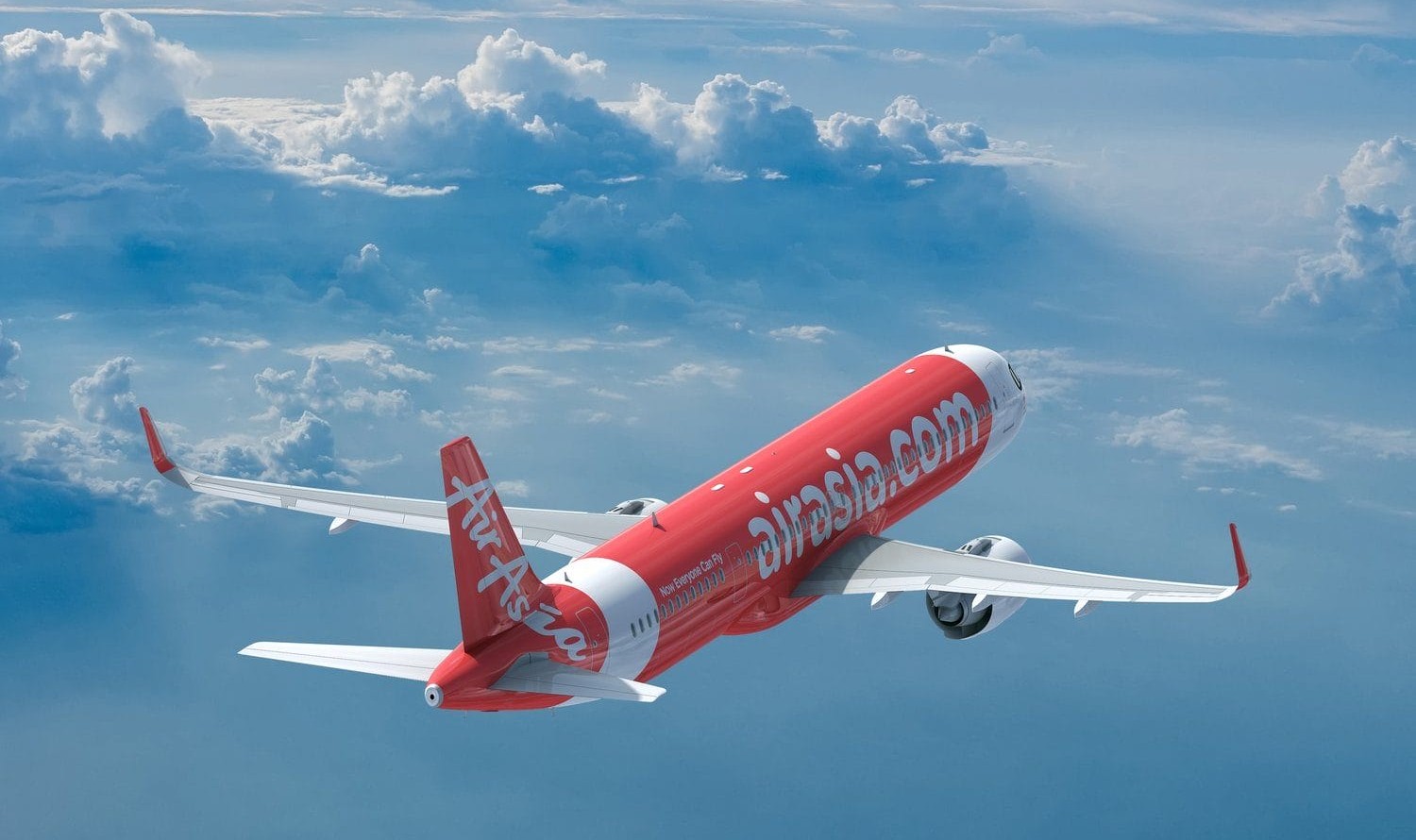
AirAsia X has completed the long-planned acquisition of AirAsia’s short-haul and aviation units from Capital A, formally bringing all AirAsia-branded airlines under one consolidated platform.
AirAsia X Bhd has completed the acquisition of AirAsia Bhd and AirAsia Aviation Group Ltd from Capital A Bhd, marking the final step in the consolidation of the group’s aviation businesses and a significant restructuring milestone for one of Southeast Asia’s most recognisable airline brands.
The transaction was settled through the allotment and issuance of 2,307,692,307 new ordinary shares in AirAsia X to Capital A and its entitled shareholders. In parallel, AirAsia X assumed RM3.8 billion in liabilities previously owed by Capital A to AirAsia Bhd, according to a statement released by the group. The move effectively transfers full ownership of the core airline operations to AirAsia X, while allowing Capital A to pivot more decisively toward its non-aviation portfolio.
In a separate exercise, AirAsia X also allotted and issued 606,060,606 new ordinary shares to independent third-party investors through a private placement. Both the consideration shares and placement shares are scheduled to be listed and quoted on the Main Market of Bursa Malaysia on January 19, 2026.
With the completion of the deal, all AirAsia-branded airlines are now housed under a single operating platform known as AirAsia Group. This structure brings together short-haul and long-haul operations that were previously separated across listed entities following Capital A’s post-pandemic corporate restructuring. Capital A, meanwhile, will focus its efforts on expanding its digital, logistics, and aviation support businesses.
The consolidation follows several years of balance sheet repair and organizational realignment triggered by the severe disruption to air travel during the Covid-19 pandemic. Like many airlines globally, AirAsia’s operations were heavily impacted by prolonged border closures and grounded fleets, prompting the group to pursue asset rationalization and a clearer separation between aviation and non-aviation activities.
PLANNING FOR THE FUTURE
AirAsia X chairman Datuk Fam Lee Ee said the integration would create a stronger and more streamlined aviation platform, positioning the group for sustainable growth and long-term value creation. He added that the board was confident the move would unlock meaningful synergies and reinforce AirAsia Group’s leadership position within the region’s highly competitive low-cost aviation market.
From an operational standpoint, the consolidation is expected to deliver both cost and efficiency benefits. These include improved fleet utilisation across short-haul and long-haul routes, more integrated network planning, and a more resilient operating structure capable of responding to fluctuations in demand. By aligning schedules, aircraft deployment, and commercial strategy under a single group, management expects to reduce duplication while improving connectivity across the network.
The statement also noted that the newly consolidated AirAsia Group will continue to leverage the broader aviation and travel ecosystem that remains within Capital A’s stable of companies. These include aircraft maintenance, engineering, ground handling, digital platforms, and logistics services, all of which are intended to support the airline’s core operations without requiring direct ownership.
For investors, the transaction represents a clearer delineation between Capital A’s diversified business ambitions and the aviation-focused strategy of AirAsia Group. Analysts have previously noted that the separation could improve transparency by allowing each business to be assessed on its own fundamentals, particularly as the airline sector continues to recover unevenly across different markets.
Regionally, the consolidation comes at a time when Southeast Asia’s aviation market is experiencing renewed capacity growth, rising competition, and ongoing cost pressures linked to fuel prices, aircraft availability, and currency movements. AirAsia Group’s scale and unified structure may offer advantages in negotiating with suppliers and responding more quickly to shifts in travel demand, particularly across high-growth leisure routes.