



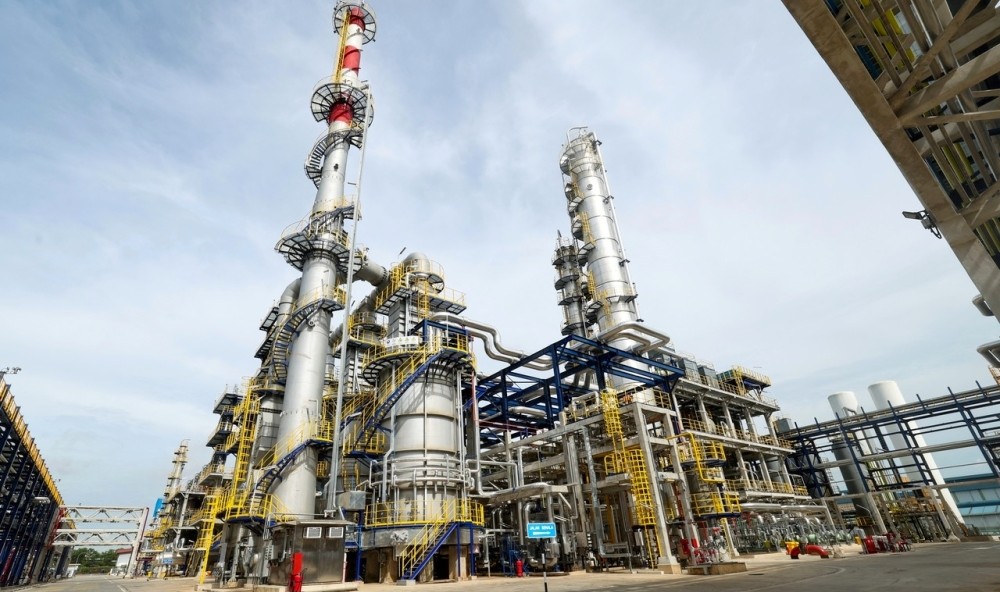
Malaysia has taken a significant step in aviation decarbonisation with the launch of its first commercial-scale sustainable aviation fuel plant in Johor, positioning the country as a regional leader in low-carbon fuel production and energy transition.
Malaysia has strengthened its push toward cleaner aviation and a lower-carbon economy with the inauguration of its first commercial-scale sustainable aviation fuel (SAF) production facility at Tanjung Langsat, Johor. The plant, developed by EcoCeres Renewable Fuel Sdn Bhd, represents a major milestone for the country’s aviation, commodities, and energy sectors, aligning national policy objectives with industrial capability and export-oriented growth.
The launch comes as governments and airlines across Asia accelerate efforts to reduce emissions from aviation, one of the most challenging sectors to decarbonise. Sustainable aviation fuel, which can cut lifecycle carbon emissions by up to 80 percent compared with conventional jet fuel, is increasingly viewed as a critical near-term solution while longer-term technologies mature.
Speaking at the launch, Plantation and Commodities Minister Datuk Seri Dr Noraini Ahmad said the project aligns with the Malaysia Aviation Decarbonisation Blueprint (MADB), which sets out a phased roadmap for lowering carbon emissions across the aviation sector. The blueprint focuses on improving operational efficiency, embedding sustainability practices, and promoting SAF as a core future fuel for aviation.
She added that the National Energy Transition Roadmap (NETR) plays a complementary role, particularly through its initial SAF blending target of one percent. While modest by global standards, the target is intended to create early demand, support market development, and provide confidence for investors and producers as Malaysia builds domestic SAF capacity.
INDUSTRIAL SCALE AND SUPPLY CHAIN IMPACT
The EcoCeres facility has a licensed annual capacity of 350,000 tonnes and is designed to produce SAF, renewable diesel, and other advanced bio-based products for both domestic consumption and export markets. Built on a site spanning more than 105,000 square metres, the plant incorporates modern processing technology capable of handling certified waste-based biomass feedstocks.
According to the ministry, the project reflects Malaysia’s strategy to position its plantation and commodities sector as a responsible contributor to global sustainability efforts. By converting waste-based biomass into high-value fuels, the facility strengthens downstream processing, improves transparency in feedstock sourcing, and enhances the long-term competitiveness of the sector.
The economic impact extends beyond fuel production. Noraini said the plant is expected to create new opportunities for Malaysian small and medium enterprises, particularly in biomass supply, logistics, engineering services, and industrial maintenance. This broader ecosystem support aligns with national objectives for inclusive growth and industrial diversification.
EcoCeres began construction of the Johor facility in June 2023, with operations commencing in October 2025. The project marks the company’s second major biofuels production plant in Malaysia and underscores growing investor confidence in the country’s renewable energy and bio-industrial landscape.
POSITIONING MALAYSIA AS A REGIONAL SAF HUB
Beyond its domestic implications, the SAF plant strengthens Malaysia’s standing as a leading SAF producer within ASEAN. Regional demand for sustainable aviation fuel is expected to rise sharply over the next decade as neighbouring countries introduce SAF mandates, carbon pricing mechanisms, and airline sustainability commitments.
Malaysia’s geographic position, established plantation sector, and access to certified biomass feedstocks give it a competitive advantage in serving regional and international markets. The Johor location also offers logistical benefits, supporting efficient export to key aviation hubs across Asia-Pacific.
The launch reflects a broader policy alignment between environmental responsibility and economic development. By anchoring SAF production within national transition frameworks such as the MADB and NETR, Malaysia is signalling that sustainability and industrial competitiveness are not mutually exclusive, but mutually reinforcing.
While challenges remain — particularly around securing consistent, certified biomass supplies at scale — the successful commissioning of the EcoCeres plant demonstrates Malaysia’s readiness to participate meaningfully in the global SAF market. As aviation faces increasing regulatory and commercial pressure to reduce its carbon footprint, the country’s first commercial-scale SAF facility places Malaysia firmly on the regional map as a credible, forward-looking producer of low-carbon aviation fuel.
SOURCES: Bernama; Malay Mail; The Edge Malaysia; Reuters; Bioenergy Times