


The long-haul low-cost carrier returns to London Gatwick in 2026, restoring a direct link between Malaysia and the UK with a revised operating model designed for sustainability and price-sensitive travellers.
After a 13-year absence, AirAsia X has resumed flights between Kuala Lumpur and London, marking the carrier’s return to the United Kingdom market and restoring a long-missed low-cost connection between Southeast Asia and Britain.
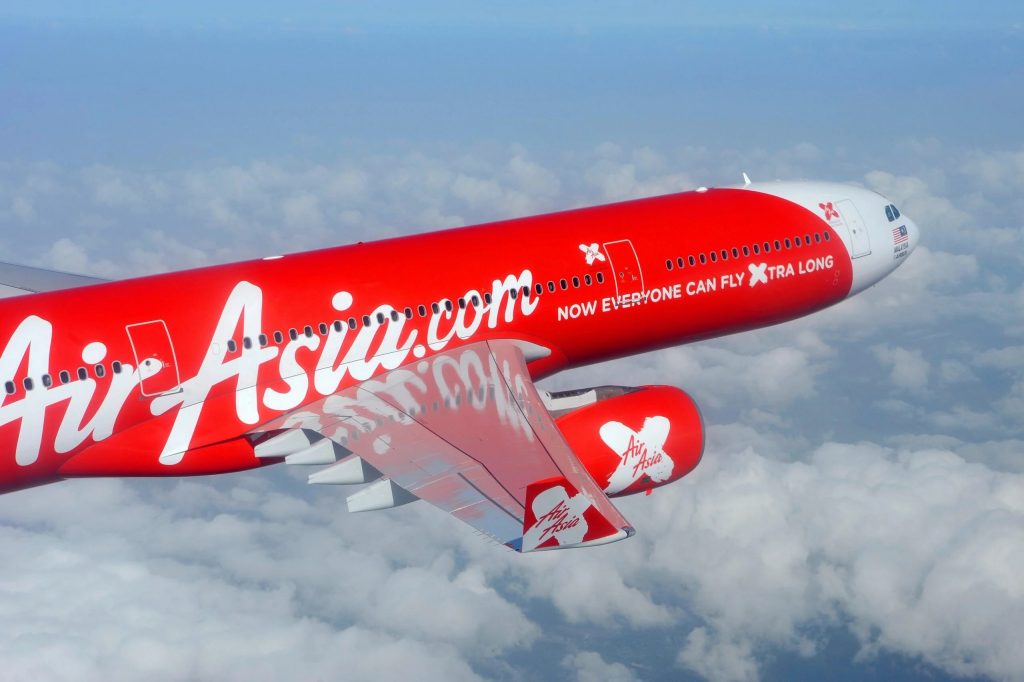
The service, which operates to London Gatwick, includes a technical stop in Bahrain. While not a non-stop routing, the revised model reflects the operational realities of long-haul budget flying in 2026. By using the Airbus A330-300 on a sector broken into two manageable legs, AirAsia X is able to balance payload, fuel efficiency, and ticket pricing more effectively than in its previous attempt at serving London.
AirAsia X first launched flights to London in 2009 but withdrew in 2012 amid rising fuel costs and structural challenges associated with ultra-long-haul low-cost operations. The 2026 relaunch suggests that conditions have shifted sufficiently – both commercially and strategically – to justify a return.
A DIFFERENT APPROACH TO A FAMILIAR MARKET
The inclusion of Bahrain as a technical stop is central to the route’s viability. Rather than prioritizing speed alone, the airline is focusing on maintaining competitive fares while operating within the performance envelope of its aircraft. In practice, this means travellers accept a short transit in exchange for a lower headline fare compared with many full-service alternatives.
For Malaysia, the reinstated service reconnects two long-linked markets. The United Kingdom remains one of Malaysia’s key European partners for tourism, education, and business. London also serves as a gateway to wider Europe, while Kuala Lumpur International Airport continues to function as a regional hub for onward travel to Thailand, Indonesia, Australia, and beyond.
WHY GATWICK MATTERS
The route’s return comes at a time when passenger demand between Asia and Europe has rebounded strongly following the pandemic years. Airlines have been recalibrating networks, and secondary London airports such as Gatwick have benefited from capacity constraints and high operating costs at Heathrow.
Gatwick has positioned itself as an attractive base for long-haul leisure and hybrid carriers. Compared with Heathrow, it offers greater slot availability and typically lower operating charges, factors that align with AirAsia X’s cost-conscious model.
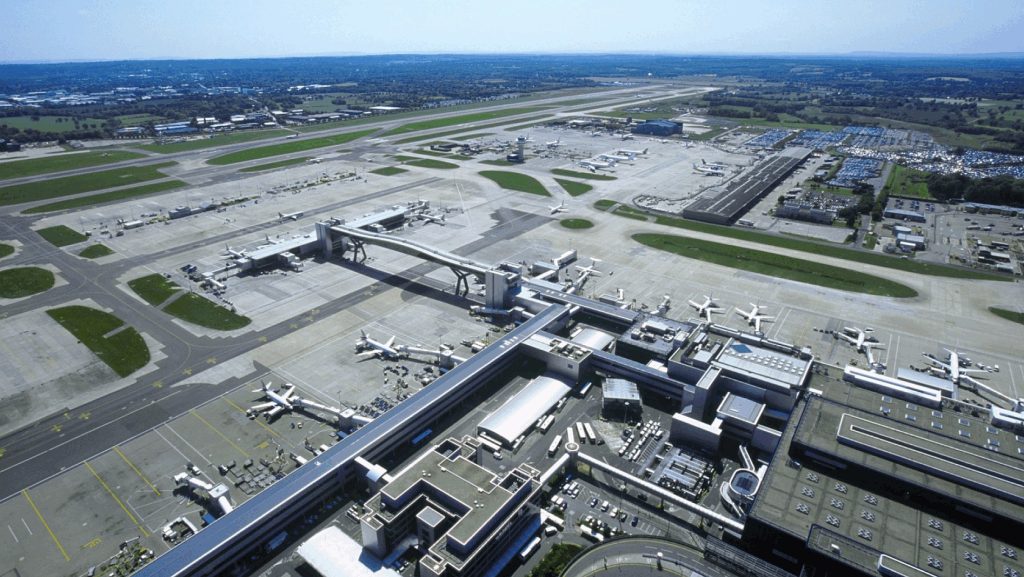
For UK travellers, the service provides a competitively priced option to Southeast Asia, particularly for those willing to trade a non-stop journey for lower fares. For Malaysian passengers, it restores a direct connection to London without transiting through Middle Eastern or European hubs.
CABIN OVERVIEW AND ADD-ONS
As regular passengers of the airline know well, AirAsia will operate an unbundled service model on this route, much the same as on its domestic and regional flights out of Kuala Lumpur. The A330-300 features a high-density economy cabin in a 3-3-3 configuration, alongside the airline’s Premium Flatbed seats at the front of the aircraft. Ancillary services such as meals, baggage, seat selection, and additional legroom are offered as optional add-ons.
The so-called Quiet Zone, positioned at the forward section of the economy cabin, remains available for passengers seeking a calmer environment. While the airline’s core appeal remains price-driven, the tiered product allows travellers to tailor their experience according to budget and comfort preferences.
The revival of Kuala Lumpur–London services signals confidence in sustained demand between the two cities. It also underscores the continuing evolution of the low-cost long-haul model, which has matured considerably over the past decade.
Whether the Bahrain stop becomes a long-term fixture or a transitional solution remains to be seen. Much will depend on fuel prices, aircraft developments, and competitive pressures. For now, however, the return of AirAsia X to London restores an important air bridge and reintroduces a price-led option on one of the world’s most competitive intercontinental routes.