

International travel data and industry commentary suggest Kuala Lumpur continues to strengthen its position as a global tourism hub, supported by strong airline connectivity, modern infrastructure, and a diverse visitor offering.
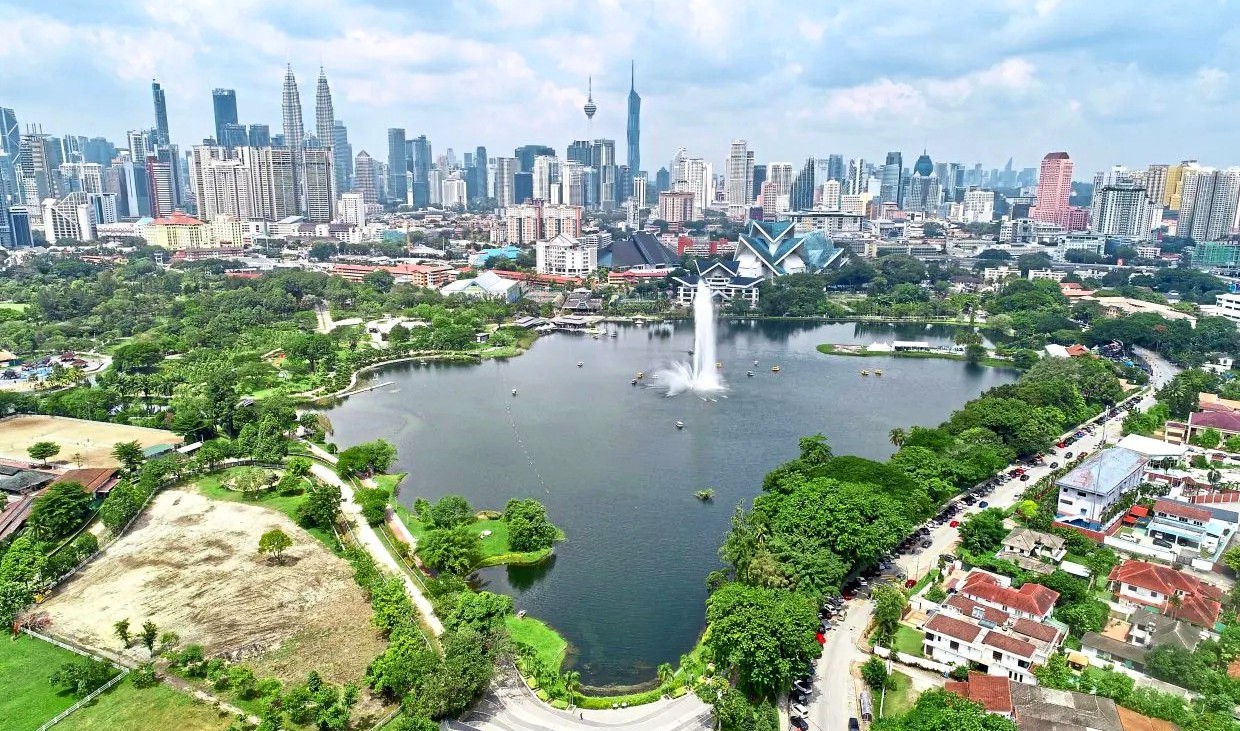
Kuala Lumpur has once again secured a place among the world’s most popular cities for international travellers. According to a recent report based on flight booking data from Trip.com Group, the Malaysian capital ranked as the eighth most popular city globally for the second consecutive year, reinforcing its status as one of Southeast Asia’s leading urban destinations.
The ranking reflects a steady stream of international arrivals drawn by Kuala Lumpur’s blend of modern infrastructure, cultural diversity, and regional accessibility. While the city is well known to residents and frequent visitors, the Trip.com report highlights how Kuala Lumpur continues to capture attention internationally as a gateway to Malaysia and a hub for travellers exploring Southeast Asia.
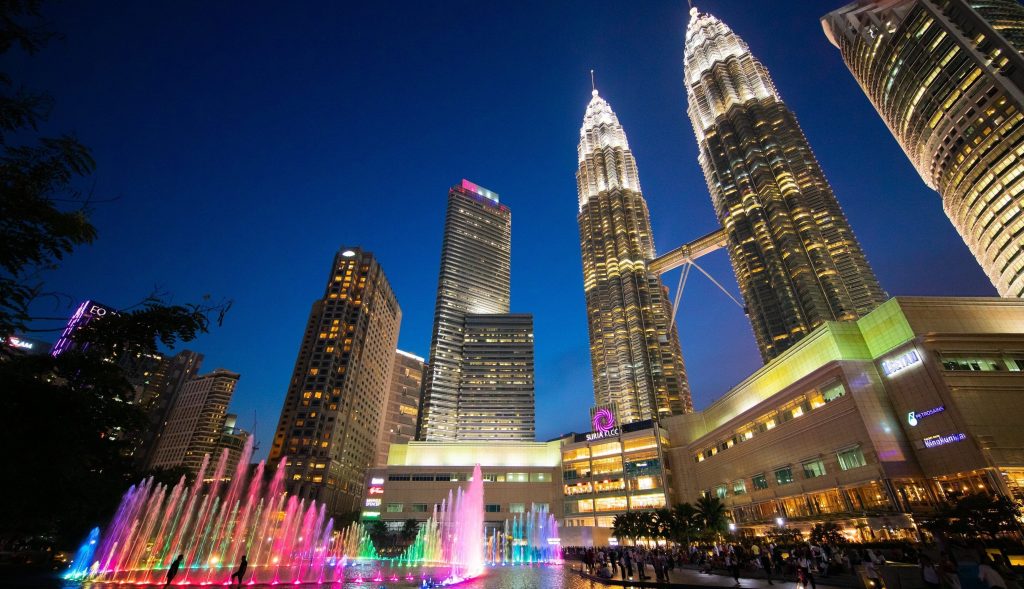
Industry observers point to a number of factors driving this sustained interest. The city combines major urban attractions – including the Petronas Twin Towers, extensive shopping districts, and a globally recognised food culture – with relatively easy access for regional and long-haul travellers. At the same time, Kuala Lumpur’s position as Malaysia’s main aviation hub has played a central role in expanding its global reach.

FLY ME AWAY
Air connectivity remains a major part of the story. Malaysia’s aviation sector includes three key players – AirAsia, Malaysia Aviation Group (notably comprising Malaysia Airlines and Firefly), and Batik Air – each contributing in different ways to Kuala Lumpur’s accessibility. AirAsia, headquartered in the city, has built an extensive low-cost network across Asia and beyond, offering frequent services from cities such as Bangkok, Singapore, Jakarta, and Hong Kong. The airline’s budget model has made short-haul travel to Kuala Lumpur relatively affordable for many regional visitors, and it perennially wins the Skytrax award for the world’s best low-cost carrier.
Malaysia Airlines, the country’s national carrier, provides a full-service alternative with long-haul and regional routes connecting Kuala Lumpur to major global cities. Meanwhile, Batik Air has expanded its presence in recent years, as has Malaysia Airlines’ sister airline Firefly, strengthening regional links and offering additional connectivity within Southeast Asia and beyond. Together, these airlines help sustain Kuala Lumpur’s role as one of the region’s most accessible capitals.
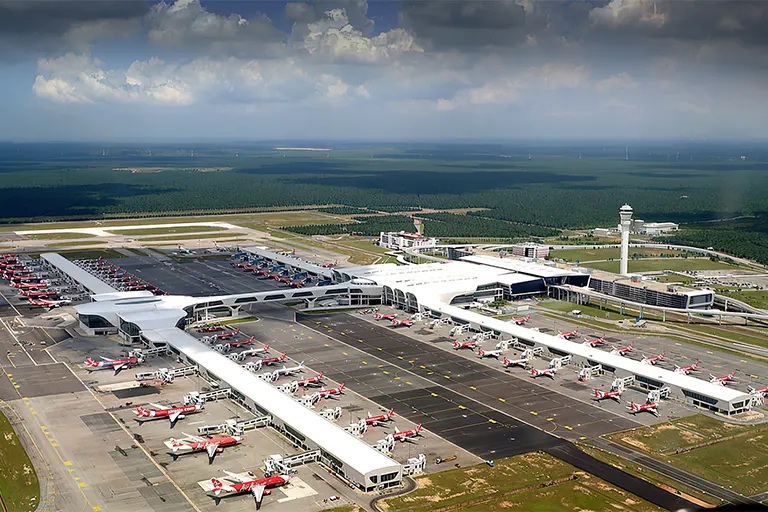
Kuala Lumpur International Airport (KLIA) underpins this connectivity. As Malaysia’s primary international gateway, the airport handles tens of millions of passengers annually and serves as a hub for both full-service and low-cost carriers. Residents and frequent travellers to KL will agree that the city’s airports are one of the highest-profile tourist points of contact which are in need of upgrading and better maintenance. Nevertheless, there are reasons to be optimistic. Subang Airport has completed an impressive refurbishment of its airside facilities, while KLIA Terminal 2 has embarked on some much-needed improvements for efficiency, aesthetic appeal, and passenger comfort.
HOSPITALITY AND ATTRACTIONS SUPPORT TOURISM GROWTH
The report, in addition to raw flight data, also points to Kuala Lumpur’s expanding hospitality sector as another key factor supporting the city’s tourism growth. International hotel brands such as Hilton, Marriott, InterContinental, and Shangri-La (among numerous others) all maintain a strong presence in the capital, offering accommodation options that range from luxury city hotels to mid-range and budget properties.
At the same time, heritage and boutique hotels contribute to the city’s diverse accommodation landscape, which also includes some top-tier luxury offerings, too. Properties such as The Majestic Hotel Kuala Lumpur, Four Seasons, and The St. Regis Kuala Lumpur are often highlighted in travel coverage as examples of the city’s upscale hospitality offerings, blending modern amenities with local character.
Tourism analysts note that Kuala Lumpur’s appeal extends beyond its hotel inventory. The city offers a broad mix of experiences that attract different types of travellers. Iconic landmarks such as the Petronas Twin Towers and Batu Caves remain high on many visitors’ itineraries, while shopping districts like Bukit Bintang continue to draw international tourists looking for a combination of high-end retail and local street markets.

Cultural districts also play an important role in shaping the visitor experience. Areas such as Chinatown and Central Market provide opportunities for travellers to explore traditional food, handicrafts, and historic architecture within the city centre. These neighbourhoods, alongside Kuala Lumpur’s diverse culinary scene, frequently appear in international travel features highlighting the Malaysian capital.
Beyond the city itself, Kuala Lumpur also functions as a launch point for exploring other parts of Malaysia. Excellent domestic connectivity allows travellers to combine visits to the capital with trips to destinations such as Penang, Langkawi, and Kota Kinabalu. This multi-destination travel pattern has become increasingly common, contributing to longer average stays in the country.
According to the figures cited in the Trip.com report, international visitors now spend an average of 5.1 days in Kuala Lumpur, compared with 3.8 days in 2022. The increase reflects both improved travel connectivity and a broader range of tourism offerings that encourage visitors to extend their time in the city.
Looking ahead, Kuala Lumpur’s tourism outlook remains closely tied to continued growth in airline connectivity, hospitality investment, and national tourism promotion efforts. Campaigns such as Visit Malaysia 2026 aim to further strengthen the country’s international tourism profile, with Kuala Lumpur expected to remain a central gateway for incoming travellers.
For many international observers, the city’s continued presence in global rankings suggests that Kuala Lumpur’s combination of accessibility, affordability, and cultural diversity continues to resonate with travellers worldwide. As airlines expand routes and visitor infrastructure evolves, the Malaysian capital appears well positioned to remain a prominent destination on the global travel map.