



Governments across Asia are rushing to conserve fuel, stabilize prices, and protect their economies as soaring oil costs and disruptions in the Strait of Hormuz trigger an energy shock with global implications.
The ripple effects of the escalating conflict involving Israel, the US, and Iran are now being felt across Asia, where governments are racing to contain the economic fallout from soaring oil prices and disruptions to global energy supply. With the Strait of Hormuz – one of the world’s most critical oil shipping routes – effectively closed to maritime traffic, the resulting supply shock has forced policymakers across the region to adopt emergency measures aimed at conserving fuel and stabilizing prices.
For many Asian economies, the stakes are particularly high. The region relies heavily on Middle Eastern oil exports, leaving it especially vulnerable when geopolitical tensions disrupt the flow of energy. Japan and South Korea, for instance, source approximately 90% and 70% of their oil from the Middle East respectively, underscoring how quickly a distant conflict can translate into domestic economic pressure.
The sudden surge in global crude prices has left governments scrambling to respond. West Texas Intermediate (WTI) crude briefly surged past US$115 per barrel earlier this month before retreating amid volatile trading, though prices remain well above recent averages. Energy analysts warn that the current disruption could prove more severe than previous crises. Wood Mackenzie analyst Simon Flowers noted that “while oil reached $150/bbl in inflation-adjusted terms during the 2022 Russia/Ukraine crisis, this situation could prove more severe… supply volumes at risk this time are dimensionally bigger – and real.” He added that prices reaching US$200 per barrel “is not outside the realms of possibility in 2026.”
THAILAND INTRODUCES EMERGENCY ENERGY SAVING MEASURES
Thailand has moved quickly to implement conservation measures as it seeks to stretch its energy reserves. The government has ordered civil servants to adopt work-from-home arrangements for the duration of the crisis and encouraged staff to take the stairs instead of elevators in government buildings.
Air-conditioning temperatures in government offices are now capped at 27°C, while employees are being urged to abandon formal attire in favour of lighter clothing such as short-sleeved shirts in order to reduce cooling demands.
The measures reflect the seriousness of the situation. According to reports cited by Reuters, Thailand currently holds about 95 days of energy reserves, prompting officials to focus on reducing consumption wherever possible.
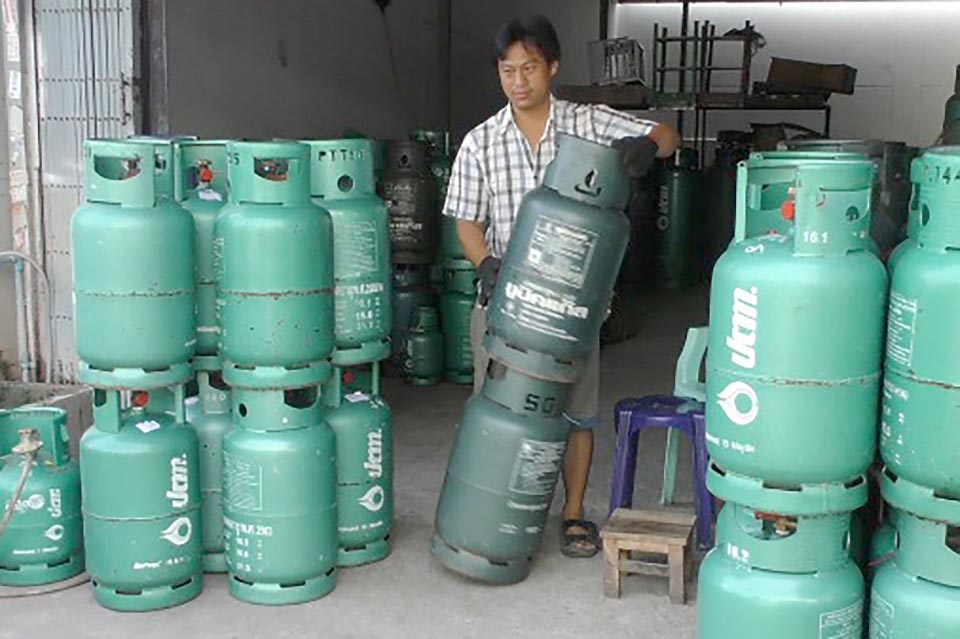
In addition, Thai authorities are considering longer-term measures to soften the blow from higher fuel costs. Cooking gas prices are expected to be frozen until at least May, while consumers are being encouraged to use alternative fuels such as biodiesel where available.
VIETNAM AND THE PHILIPPINES TARGET TRAVEL AND WORK PATTERNS
Vietnam has taken a similar approach, urging businesses to allow employees to work remotely in order to reduce commuting and transportation demand. Officials say the goal is to reduce fuel consumption while maintaining economic activity.
The Philippines is also exploring structural changes to the working week. Authorities are studying the feasibility of introducing a four-day workweek for certain sectors, a move aimed at lowering energy usage by reducing commuting and office operations. Government departments have already been instructed to restrict official travel to essential functions only.
While such policies may appear modest at first glance, they reflect a growing recognition across the region that behavioural changes may be necessary if fuel supplies tighten further.
INDONESIA RAMPS UP SUBSIDIES TO PROTECT CONSUMERS
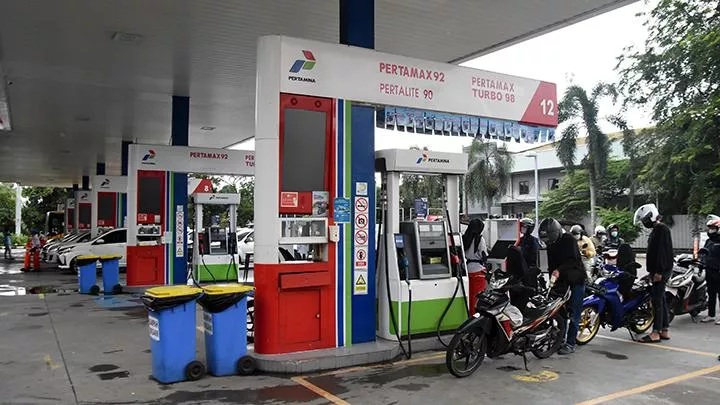
Indonesia, Southeast Asia’s largest economy, has opted for a more direct intervention in the fuel market. Finance Minister Sri Mulyani Indrawati announced that the government will allocate roughly 381.3 trillion rupiah (about US$22.6 billion, or RM89 billion) for energy subsidies in an effort to keep fuel and electricity prices affordable.
The funding will also support state-owned energy companies such as Pertamina, allowing them to maintain stable prices despite rising global oil costs.
Subsidies have long played a central role in Indonesia’s energy policy, and the latest move highlights how governments are attempting to shield households and businesses from the worst effects of the global energy shock. However, economists have stated the obvious, noting that such programmes can become increasingly expensive if oil prices remain elevated for a prolonged period.
JAPAN AND SOUTH KOREA PREPARE MARKET INTERVENTIONS
Further north, two of Asia’s most energy-dependent economies are preparing stronger market interventions.
South Korean President Lee Jae Myung said his government will introduce a price cap on petroleum products in response to the surge in global oil prices. He warned that the crisis presents a “significant burden on the country’s economy.”
Presidential policy advisor Kim Yong-beom noted during a briefing that approximately 1.7 million barrels of oil per day destined for South Korea have been held back due to the conflict and disruptions in Middle Eastern supply routes.
Japan is also weighing emergency measures. Industry Minister Ryosei Akazawa indicated that Tokyo could tap into the country’s national oil reserves if necessary.
“The government will take all possible measures to ensure stable supplies of energy,” Akazawa said.
Such stockpiles are designed precisely for moments like this, though releasing them would underscore the seriousness of the current supply disruption.
SOUTH ASIA FEELS THE STRAIN, AS WELL
South Asian economies are facing their own set of challenges.
Bangladesh has moved to conserve energy by bringing forward the Eid-al-Fitr holiday period, allowing universities to close earlier in an effort to reduce fuel consumption.
Pakistan has introduced a four-day workweek for government offices and temporarily closed schools as part of a broader effort to reduce electricity and fuel usage.
India, meanwhile, has taken steps to prioritize household energy supplies. Authorities suspended shipments of liquefied petroleum gas (LPG) to commercial operators in order to ensure adequate supply for residential consumers.
The move has sparked concern among businesses, particularly in the hospitality sector. Hotels and restaurants warn that prolonged supply restrictions could force some establishments to suspend operations if alternative fuel sources are unavailable.
GLOBAL RESPONSE BEGINS TO TAKE SHAPE
International energy authorities are also stepping in to help stabilize markets. On March 11, the International Energy Agency’s 32 member countries unanimously agreed to release 400 million barrels of oil from their emergency reserves. The coordinated action is intended to offset part of the supply disruption caused by the closure of the Strait of Hormuz.
Even so, analysts caution that the scale of the disruption could still push prices higher if shipping lanes remain blocked for an extended period.
With roughly a fifth of the world’s oil passing through the Strait of Hormuz under normal conditions, any prolonged closure represents a major shock to global energy markets.

MALAYSIA WATCHES AND PREPARES
Here in Malaysia, the government is monitoring developments closely as policymakers assess how best to protect the domestic economy.
Officials are studying proposals to introduce work-from-home arrangements and possibly a four-day workweek for parts of the public sector as a fuel-saving measure. The proposals are expected to be discussed at the Cabinet level in the coming days.
Malaysia is somewhat insulated compared to some regional peers thanks to its domestic energy production and longstanding fuel subsidy system. However, the country is not immune to global price swings.
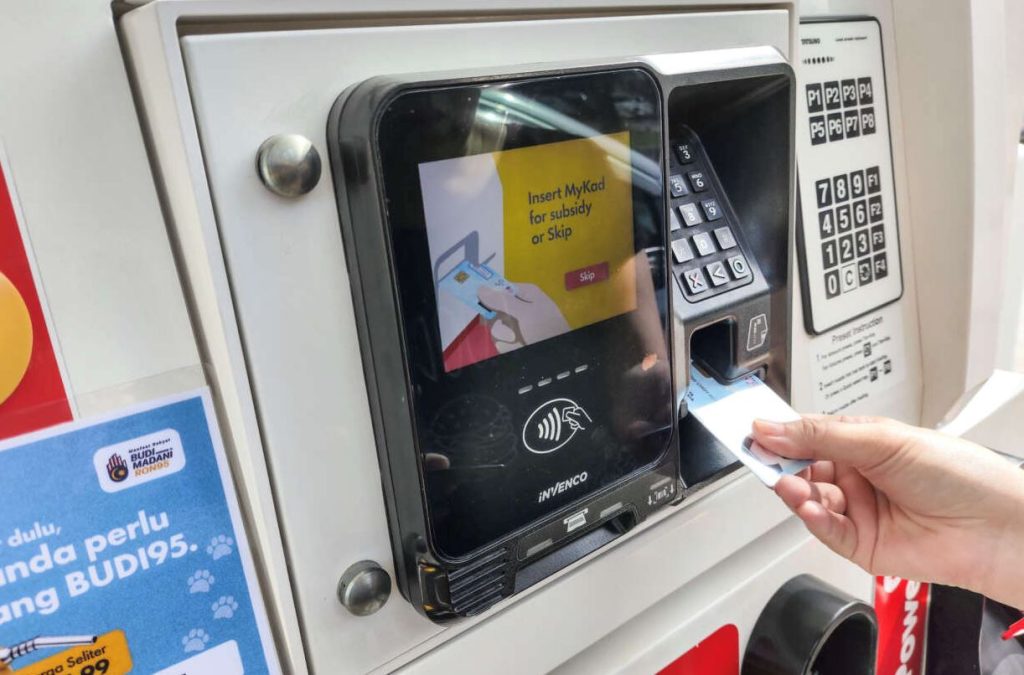
Higher oil prices can drive up government subsidy costs while also affecting sectors such as aviation, logistics, and manufacturing. The fact that the government is studying the feasibility of work-from-home measures and shortened workweeks seems to suggest that they are well aware that maintaining the heavily subsidized RON95 petrol at RM1.99/litre is not realistic if the conflict drags out for weeks or months.
As policymakers across Asia grapple with the fallout from the crisis, one reality is becoming clear – energy security has once again moved to the forefront of economic planning. For Southeast Asia, the coming months may prove to be a test of how well governments can balance conservation, market intervention, and economic stability in the face of an increasingly uncertain global energy landscape.
Sources: Fortune, New Straits Times, Reuters, International Energy Agency, Wood Mackenzie, government statements from Thailand, Indonesia, Japan, South Korea, and Malaysia.