



A personal reflection on how distance, time, and the lives of extraordinary individuals can reshape how we measure our own success.
Perspective is a funny thing. Not only does it vary from person to person – we all know that – but even the passage of time has a keen way of altering it. You almost certainly see things differently now than you did when you were younger; I know I do. We all regularly look back on things in our lives after a few years with that clarity of perspective that only time can provide.
For the expat, perspective is something we deal with on a daily basis in a much more pronounced way. After all, we have left everything familiar and dropped ourselves into a largely different world. And when we talk with friends or family back home, it might be tempting to feel a bit special, because, after all, we’re told over and over, “I could never do something like that!” or “You’re so brave!” or “You’re really making the most of your life – I’m so envious!” After a while, perhaps we even start to believe it. And why not? From their perspective, comfortably and safely at home, the expat’s life is adventurous and exotic, and to them, we are the ones seizing the day.
But I’ve met people here whose achievements and adventures seriously outstrip my own, and the perspective shifts. People who have started businesses, become incredibly successful, founded charitable organizations, and are certainly making the accomplishments of my own life look rather pitiful by comparison. But even their achievements are subject to the laws of perspective.
Success is relative, of course, and as with many things, is a matter of one’s point of view. For those of limited means and few opportunities, success might be something that others would consider rather basic. A steady job, good health, providing for their family, maybe even sending their child to college. For others, the fortunate who have had many opportunities afforded them, the bar of success is set much higher. And every now and then, you have that rare person… the one who has serious limitations and very few, if any, opportunities, yet overcomes again and again to achieve success that would shine by any measure.
A woman by the name of Marguerite Annie Johnson was just such a person. That was only her birth name, however; the world knew her as Maya Angelou. A celebrated American poet, author, and civil rights activist, Maya died just about a dozen years ago, in May 2014, at age 86, and though many are not fully aware of her life story, that does not diminish it. She was the ultimate testament to earning success despite trauma, hardship, and frightfully long odds.
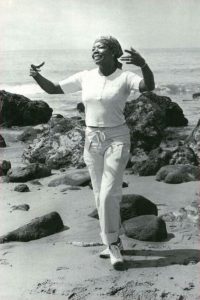
She was born in 1928 in St Louis, Missouri, only eight years after women even gained the right to vote in the United States. But as a black woman, Maya was destined to grow up in a difficult era. When she was only 8, she was raped by her mother’s boyfriend, who was later beaten to death by an angry mob after the young Maya bravely testified against him. She later said that she felt that by naming her rapist, her voice had killed him, so for five years, she stopped speaking altogether.
But from that silence, a towering voice ultimately emerged. In those five years of silence, she developed a powerful memory and an astute ability to not only observe, but to see. She went on to study dance and drama. She worked as San Francisco’s first female streetcar driver. And though she dropped out of high school at 14, she returned later during her teens to continue studying and earned her diploma.
Later, Maya toured Europe in the 1950s with the production of Porgy and Bess. She recorded her first album in 1957, and went on to win three Grammys for her spoken-word albums. She spoke six languages and worked as an editor in both Egypt and Ghana. She forged friendships with Malcolm X, Martin Luther King Jr., and Rosa Parks, the giants of the civil rights movement in 20th-century America. She was a playwright, a producer, a director, a Tony-nominated actress… a woman who received more than 30 honorary degrees and countless accolades and honours.
But her enduring legacy will surely prove to be her staggering command of the written word. Her literature, her autobiographies, and her poetry vaulted her to global prominence, perhaps nothing more so than her 1969 masterpiece, I Know Why the Caged Bird Sings, a coming-of-age autobiography in which she revealed her childhood trauma and the struggles she faced with the bitter racism and prejudice so prevalent in society at that time.
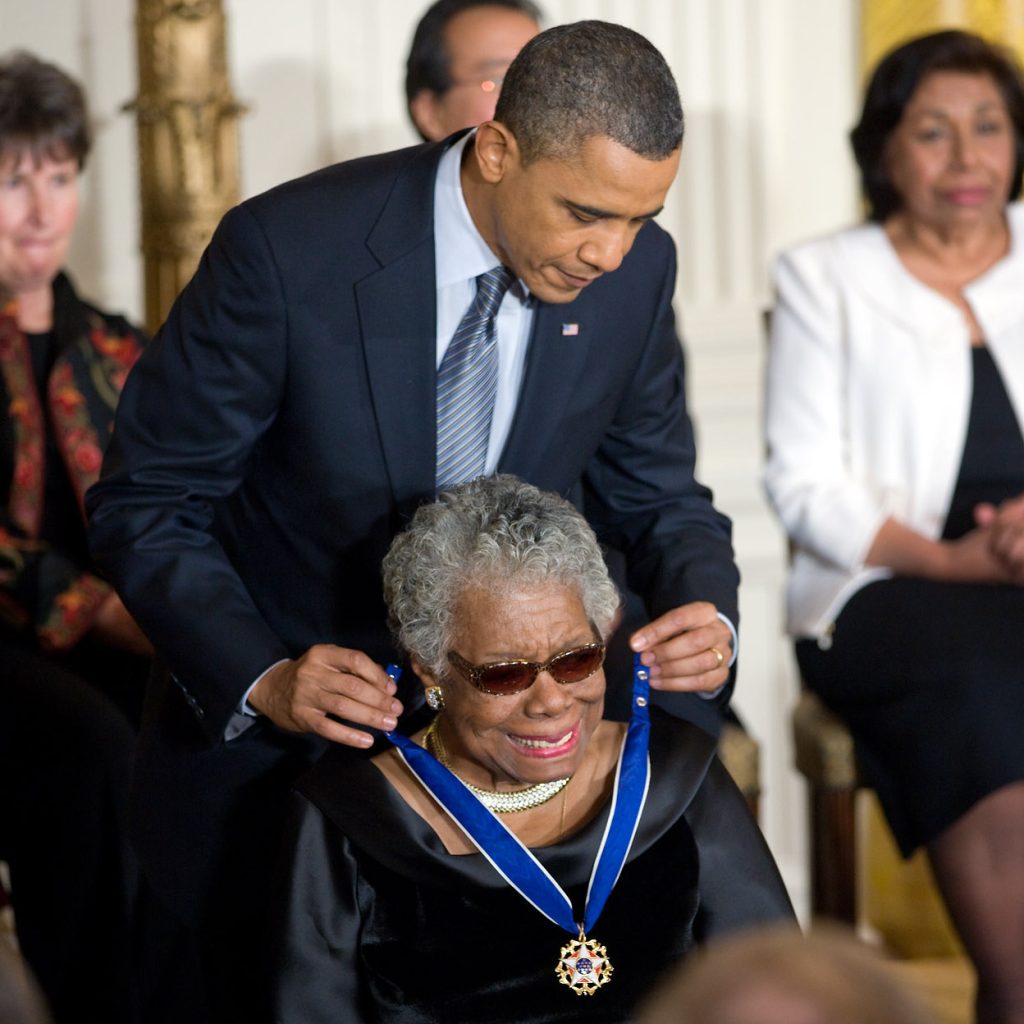
So again, perspective. I have never had to overcome the trauma or deep struggles of inspirational people like Maya Angelou or Nelson Mandela, or even those like Salva Dut or Rubin “Hurricane” Carter, lesser-known perhaps, but whose stories are no less moving and certainly no less motivational. All of these people, and countless unknown others, faced incredible difficulties, some by race or gender, some by circumstances, some simply by being born in a less-than-ideal time or place. And each of them persisted and persevered to find success on their own terms.
When I look at people who overcame such odds to become these luminous icons of dignity and hope, it puts my own trifling achievements in stark perspective. But perhaps that shouldn’t diminish what I’ve accomplished. Instead, maybe it should inspire me to aim higher, to take more risks, and to aspire to be more like Maya Angelou, who reminded us, “If you are always trying to be normal, you will never know just how amazing you can be.”