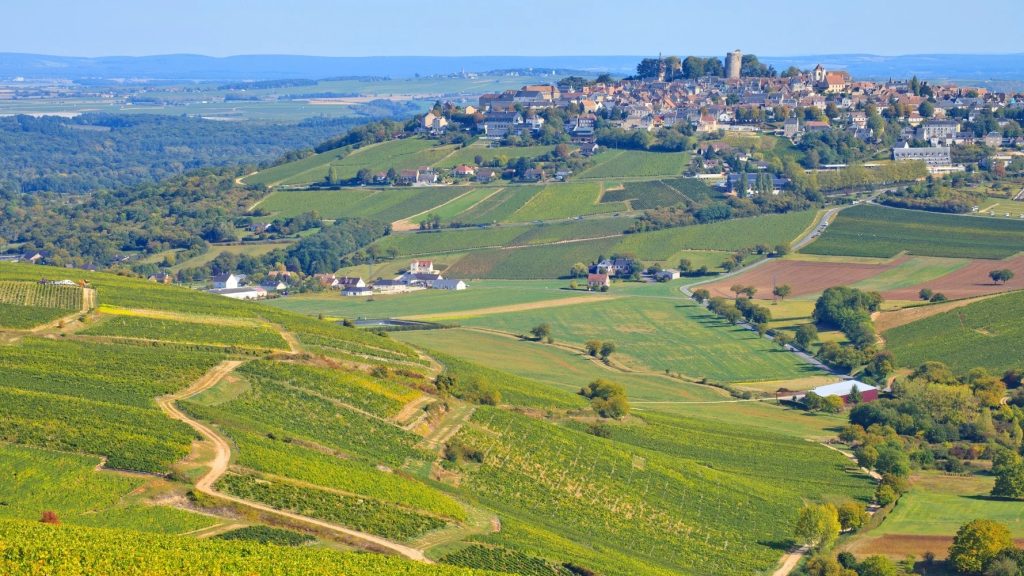



From crisp, citrus-driven New World expressions to layered, mineral-driven Old World classics, Sauvignon Blanc continues to evolve. As World Sauvignon Blanc Day lands on May 1, we revisit this enduringly popular grape and sample three standout bottles available in Malaysia.
Trends come and go in almost every consumer-led category, so it’s not surprising that most consumer brands are either chasing trends or setting them. Some, like wine, manage to capably do both. Some maverick winemaker might try something new or introduce something a little different, the market reacts favourably, and then more winemakers quickly jump on the bandwagon. The trend was both set and followed entirely within the same industry!
Wine aficionados may recall the great ‘oaked Chardonnay’ phase (some would say plague) of the late 1980s and early 1990s, when heavily oaked, high-alcohol styles – rich with buttery, vanilla, and toasted notes – gained traction, particularly in California and Australia. Recognizing a growing trend, plenty of winemakers piled on, following suit, adopting heavy oak influence and aggressive malolactic fermentation in a bid to create wines that were likened to ‘Burgundy on steroids.’ By the end of the decade, however, the style had well and truly worn out its welcome, prompting the ‘ABC’ or ‘Anything But Chardonnay’ movement in the early 2000s.
It has taken years for Chardonnay to recover, with winemakers and consumers rediscovering more balanced and expressive interpretations of the grape. As with most trends, the cycle continues, and Sauvignon Blanc has arguably been the defining white wine of the past two decades.
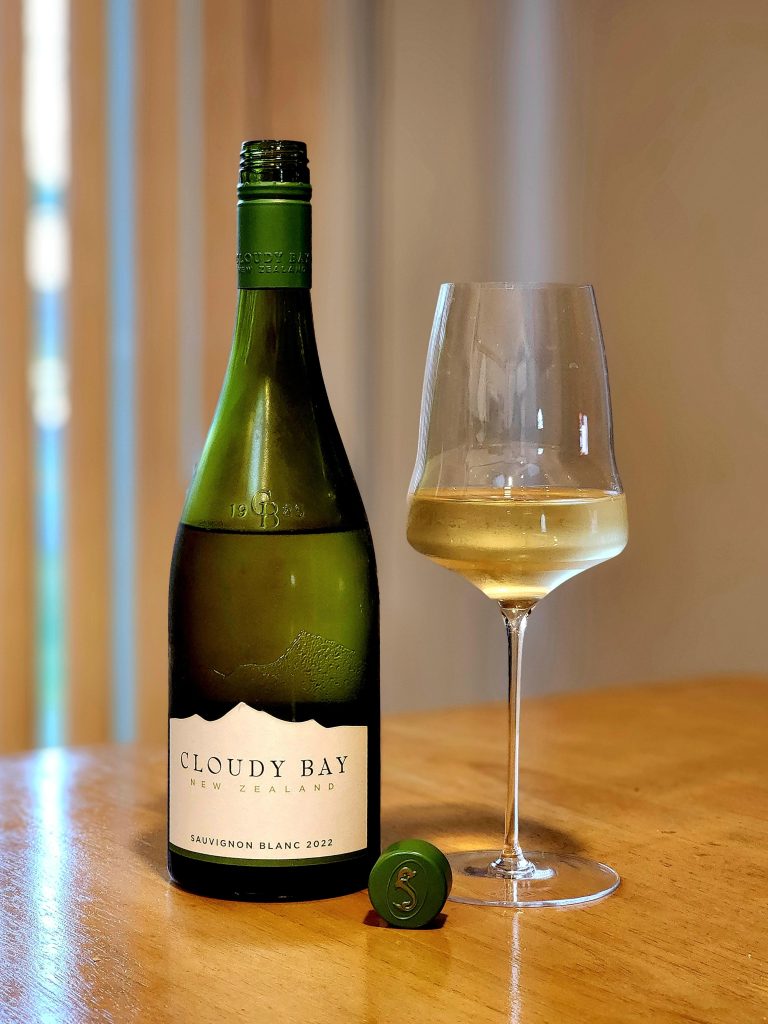
The rise of Sauvignon Blanc, particularly the vibrant, zesty style associated with New Zealand, can be traced back to the mid- to late 1980s, when producers such as Cloudy Bay introduced a distinctly aromatic, acid-driven profile that quickly gained global appeal. Bursting with punchy citrus, gooseberry, and tropical fruit notes, this ‘NZ style’ became a benchmark that many others sought to replicate. But like all trends, those in wine can be both cyclical and fickle.
While the overall popularity of NZ-style Sauvignon Blanc remains strong, there are signs that the market is broadening. Some seasoned wine drinkers are beginning to explore more restrained or complex expressions – from the flinty, mineral-driven wines of Sancerre to more textured styles incorporating oak maturation or extended skin contact. This shift seems to collectively reflect a maturing palate rather than a sharp decline, with Sauvignon Blanc proving adaptable across regions and winemaking approaches.
With World Sauvignon Blanc Day falling on May 1, it is an ideal moment to revisit the variety and explore its diversity. We selected three wines that highlight different interpretations – a distinctive New Zealand expression that falls outside the typical Marlborough style, a classic French benchmark, and a uniquely Australian blend. All are available in Malaysia and, we think, offer compelling insights into this versatile grape. Look for any of these at your favourite wine retailer.
2024 DOG POINT VINEYARD SAUVIGNON BLANC
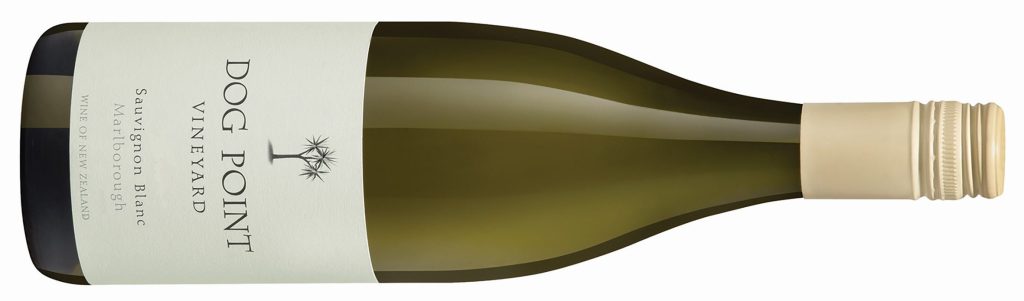
When is a Marlborough Sauvignon Blanc not the Marlborough Sauvignon Blanc you’ve come to expect? When it’s this one. Dog Point Vineyard, located in Marlborough, New Zealand, is known for crafting wines that step outside the mainstream of the region’s signature style, with some enthusiasts even branding the winery a ‘rebel’ of sorts. Founded by former Cloudy Bay viticulturists Ivan Sutherland and James Healy, the winery puts an emphasis organic practices and a more restrained approach to winemaking.
This Sauvignon Blanc offers a nuanced take on the Marlborough profile, and we found it quite compelling, having first enjoyed it at the Kuala Lumpur and Penang Michelin Awards Gala last year. While the signature citrus and tropical notes are still present, they are more measured, supported by hints of white peach, grapefruit, and a subtle herbal edge. There is a distinct flinty character on the nose, adding complexity beyond the usual fruit-forward style. On the palate, it is crisp and well-structured, with lively acidity balanced by a gentle texture that carries through to a clean, persistent finish. You would be forgiven if you tasted this blind and thought it was a Sancerre.
This is a wine that rewards a little attention, offering depth without sacrificing freshness. It pairs well with seafood, particularly grilled fish, oysters, or prawns, as well as lighter Asian dishes where citrus and herbs play a role. We sampled their standard bottling, which has received quite a bit of acclaim for the 2024 vintage, but there’s also a bottling called Section 94 which delivers even more complexity and truly marches to the beat of its own drummer, being barrel-fermented and aged for 18 months in French oak. We’d love to get our hands on that one.
- Producer: Dog Point Vineyard
- Style: Sauvignon Blanc
- Region: Marlborough, New Zealand
- Vintage: 2024
- Grape Varieties: Sauvignon Blanc
- Alcohol Content: 13%
- Closure: Screwcap
- Price: RM150
2024 CULLEN WINES ELVIE CLARKE SAUVIGNON BLANC SEMILLON
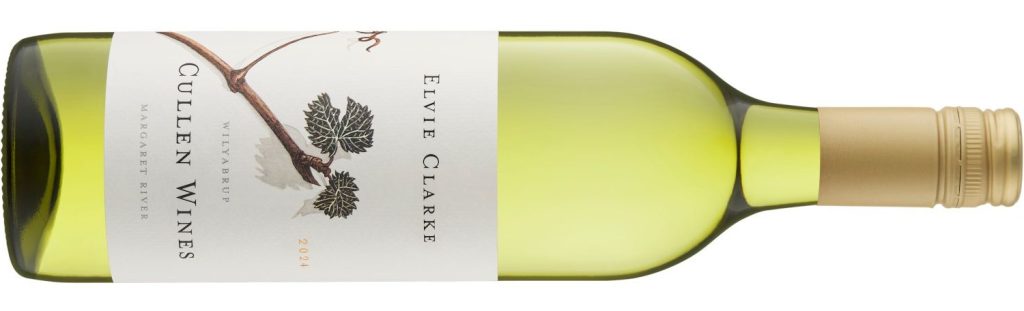
While the rest of Australia was making world-famous single-varietal Semillon (notably in the Hunter Valley) or crisp, solo Sauvignon Blanc (as seen in the Adelaide Hills), Margaret River took a different path by establishing the Semillon Sauvignon Blanc (SSB) blend as its calling card. The region’s direction can be traced back to the late 1960s, when agronomist Dr John Gladstones identified similarities between Margaret River’s maritime climate and the conditions of Bordeaux, where this blend originated.
The first Australian SSB is widely credited to Dr Mike Peterkin at Cullen Wines in 1979, and the style quickly gained recognition. Over time, it became a defining feature of Western Australian wine, balancing Sauvignon Blanc’s aromatic intensity with Semillon’s structure and ageing potential.
When Peterkin later founded his own winery, Pierro, he dedicated a third of his plantings to these varieties. By the mid-1980s, others like Evans & Tate and Lenton Brae began producing versions like the ‘Margaret River Classic,’ which helped popularize the style across Australia as an affordable, high-quality wine.
For decades, the SSB (colloquially called ‘Savvy-Sem’) was essential to local Western Australian life. However, the turn of the millennium brought a wave of New Zealand competition as the island nation put all their eggs into the Sauvignon Blanc basket – some 86% of New Zealand’s wine exports are this variety. Rather than emulating the style, Margaret River winemakers responded by effectively doubling down on their trademark SSB, working hard to increase its quality. Modern versions from pioneers like Cullen Wines and Vasse Felix now use techniques like wild fermentation and skin contact to create ‘serious’ wines that connoisseurs say rival the great whites of Graves in France.
The Elvie Clarke Sauvignon Blanc Semillon continues this tradition with a modern touch. The wine opens with notes of citrus, passionfruit, and fresh-cut grass, underpinned by a subtle savoury edge. The Semillon component adds body and a slightly waxy texture, giving the wine more depth than a typical single-varietal Sauvignon Blanc. There are hints of stone fruit and a gentle creaminess on the mid-palate, leading to a well-rounded finish.
This is a versatile wine at the table, pairing comfortably with seafood, poultry, or even lightly spiced dishes. It also has the structure to develop further with short-term cellaring. We had the opportunity to visit Cullen Wines in Western Australia in 2025 and saw first-hand how beautifully they’ve elevated this uniquely regional blend. If you’re unfamiliar with this excellent winery, we believe this bottle is a fine way to introduce yourself.
And if you’re curious about the name, Elvie Alice Clarke was the mother of Kevin John Cullen, who co-founded Cullen Wines with his wife Diana. She is the grandmother of current managing director and senior winemaker Vanya Cullen. The 2024 Elvie Clarke Sauvignon Blanc Semillon is named in her honour.
- Producer: Cullen Wines
- Style: Elvie Clarke Sauvignon Blanc Semillon
- Region: Margaret River, Western Australia
- Vintage: 2024
- Grape Varieties: Sauvignon Blanc, Semillon
- Alcohol Content: 13%
- Closure: Screwcap
- Price: RM180
2024 DOMAINE FOURNIER PÈRE ET FILS SANCERRE BLANC ‘LES BELLES VIGNES’
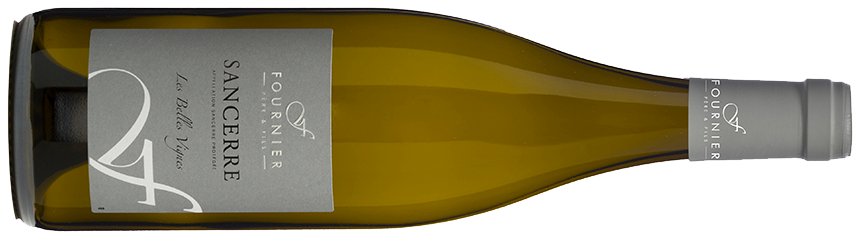
While Sancerre and New World Sauvignon Blanc (such as Marlborough) are genetically identical, Sancerre is defined by its Old World terroir – characterized by limestone, clay, and flint soils in the cool French Loire Valley – which produces a wine focused on elegance, high-tension acidity, and subtle mineral or ‘flinty’ notes. In contrast, New World Sauvignon Blanc typically thrives in sunnier climates, resulting in a more forward, assertive style that showcases intense tropical fruit flavours like passionfruit and gooseberry, often with a louder herbaceous, grassy character. Where New World wines are generally crafted to be fruity, aromatic, bright, and easy-drinking, Sancerre tends to be more restrained and complex, often developing a deeper, stony character with age.
From the Loire Valley, Sancerre represents one of the most classic expressions of Sauvignon Blanc. Domaine Fournier Père et Fils is a well-regarded producer with a long history in the region, and its ‘Les Belles Vignes’ bottling reflects the hallmark characteristics of Sancerre’s limestone and flint soils.
On the nose, we feel this wine leans more towards elegance than exuberance. Aromas of lemon zest, green apple, and white flowers are complemented by a distinctive mineral note often described as flinty or smoky. On the palate, it is precise and refined, with a linear structure and bright yet nuanced acidity that gives it a clean, focused profile. Compared to New World styles, the fruit is more restrained, allowing the terroir-driven elements to take centre stage.
We found plenty of favour with this lovely Sancerre and quickly understood why it’s well-regarded as a good ‘food wine.’ It’s a natural partner for classic pairings such as goat cheese, shellfish, or simply prepared white fish, where its nicely balanced acidity and minerality can shine.
- Producer: Domaine Fournier Père et Fils
- Style: Sancerre Blanc ‘Les Belles Vignes’
- Region: Loire Valley, France
- Vintage: 2024
- Grape Varieties: Sauvignon Blanc
- Alcohol Content: 12.5%
- Closure: Cork
- Price: RM210