


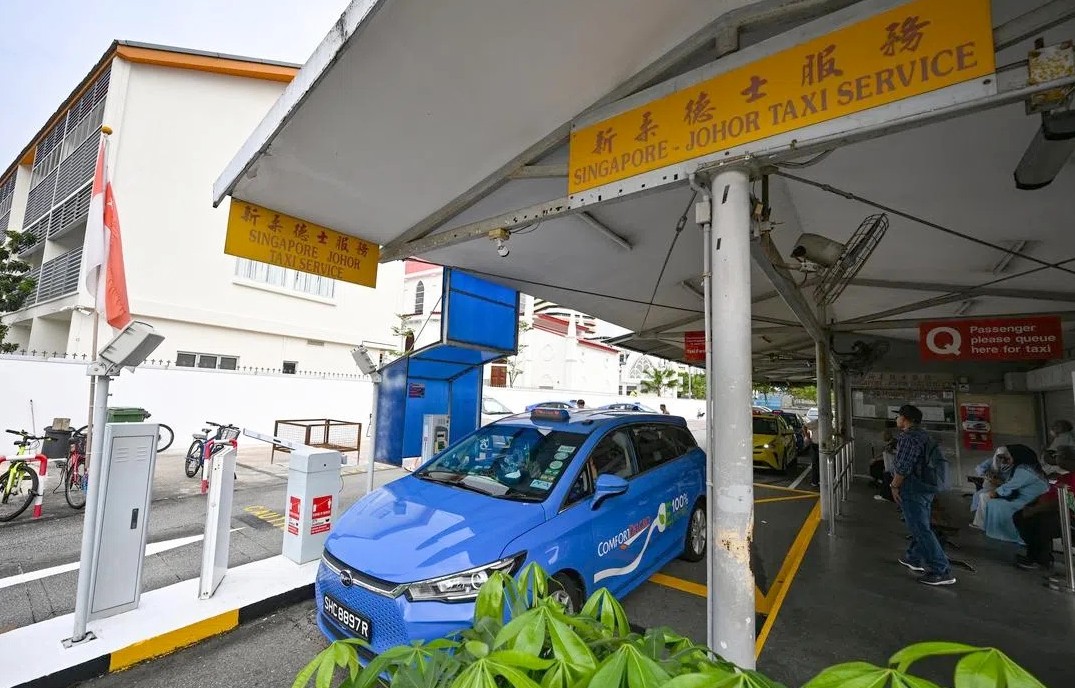
A revamped taxi framework promises greater flexibility across the Causeway, but notably higher fares and operational wrinkles are leaving both passengers and drivers in a cautious wait-and-see mode.
A new cross-border taxi scheme between Malaysia and Singapore has now come into effect, bringing long-awaited flexibility to how passengers move between the two countries – but also a sharp jump in fares that is already dampening demand. The changes, detailed in a comprehensive report originally published by CNA, mark one of the most significant updates to the sector in years.
At Johor Bahru’s Larkin Terminal on the scheme’s first morning, the impact was immediate. Taxi driver Shaban Shawal, 57, found himself waiting longer than usual for passengers.
“Usually by this time, I would have made my first trip,” he said, noting that several would-be passengers walked away after learning of the new prices.
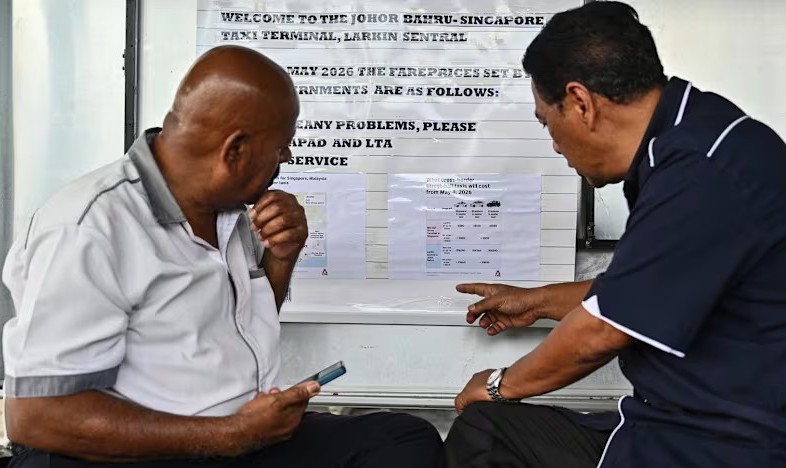
Under the revised structure, fares have risen markedly. A standard four-seater ride now costs S$80 (about RM248) from Singapore’s Ban San Street Terminal, or RM240 from Larkin Terminal – roughly double the previous rates of S$60 and RM120. For journeys beyond 35km, an additional S$20 (around RM62) applies.
The overhaul does, however, bring expanded pick-up and drop-off options. Malaysian taxis can now collect passengers at new Singapore locations such as near VivoCity, Century Square, and Joo Koon MRT, while Singapore taxis gain access to pick-up points in Johor Bahru at Toppen Shopping Centre, Mid Valley Southkey, and Angsana Mall. More notably, taxis from both sides can now drop passengers at a wider range of destinations, moving closer to genuine door-to-door service.
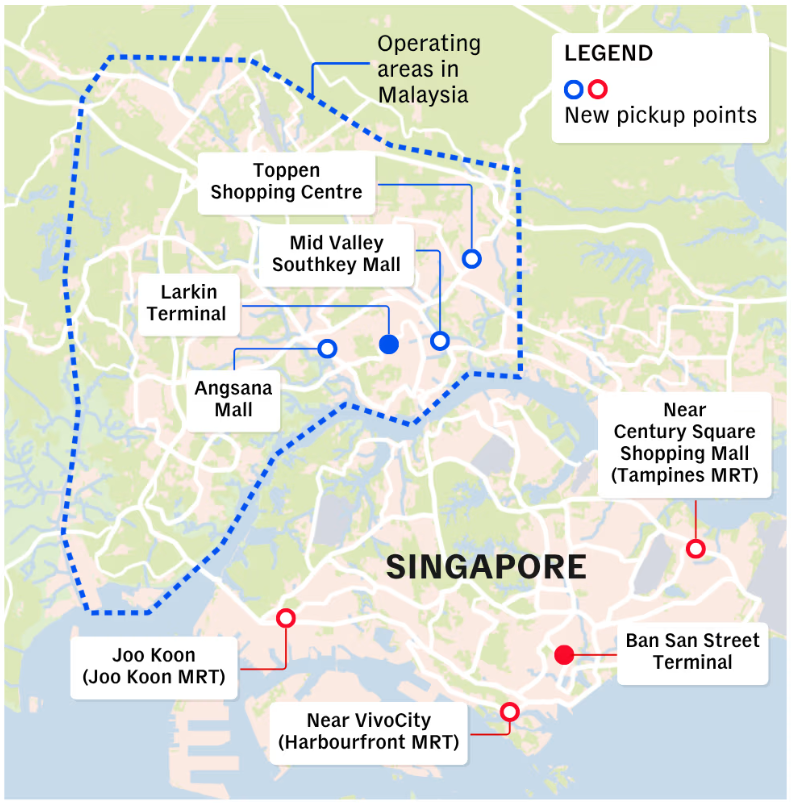
For years, cross-border taxis were restricted to a single designated terminal in each country, creating a rigid system that left gaps quickly filled by illegal operators. The new framework is clearly designed to modernize the sector and improve connectivity across the Causeway, one of the busiest land borders in the world.
Still, price sensitivity is proving to be a significant hurdle.
Some commuters welcomed the added convenience. “We don’t have to come all the way here,” said one Singaporean traveller, noting the appeal of new pick-up points closer to home.
Others were less convinced. “Even if I have the money, I think it is expensive,” said a regular visitor to Johor Bahru markets, who questioned whether the trip still made financial sense given the higher fares.
Shared rides remain an option at the two traditional terminals, allowing passengers to split costs. With four passengers, the fare can drop to as low as S$20 (about RM62) per person. However, this option is limited to specific routes and does not extend to longer journeys, where multiple drop-offs are not permitted.
For drivers, the fare increase is a double-edged sword. While some defend it as necessary, citing rising fuel and operational costs, others worry it may ultimately reduce ridership.
“Passengers say fares are more expensive and think we are earning more but they don’t realize our overhead costs have also gone up,” said one driver.

INDUSTRY ADJUSTMENT AND OPERATIONAL CHALLENGES
Beyond pricing, the transition is exposing practical challenges for both drivers and operators. On the ground, queues have lengthened, and uncertainty remains about how the new system will function day-to-day.
Drivers report longer waiting times at terminals, with fewer passengers willing to pay the higher fares. At the same time, increased fleet quotas – now 300 taxis from each country – are intensifying competition.
There are also concerns about operational restrictions. Under the new rules, taxis are generally not allowed to enter the neighbouring country without passengers, a change that could limit trip frequency and income potential.
Some drivers have raised practical issues around unfamiliar routes, particularly with expanded drop-off zones in Johor. Navigating areas like Kulai or Senai may require additional time and effort, with limited compensation due to fare caps.
“I’m also not sure where I can and cannot drop off,” one driver admitted, highlighting confusion over boundary definitions.
Technology is expected to play a growing role in smoothing these issues. Singapore’s Land Transport Authority has granted a cross-border ride-hail licence to Grab, allowing app-based bookings with fixed pricing. Industry observers believe this could improve efficiency, tracking, and compliance, while offering passengers greater certainty.
Transport analysts suggest the new framework addresses a longstanding pain point – the “first-mile, last-mile” gap that discouraged many from using cross-border taxis. Greater flexibility could eventually draw back families, business travellers, and older passengers seeking convenience over cost.
However, the higher fares remain a sticking point. As one economist noted, pricing still exceeds that of informal operators, which may continue to attract budget-conscious travellers despite enforcement risks.
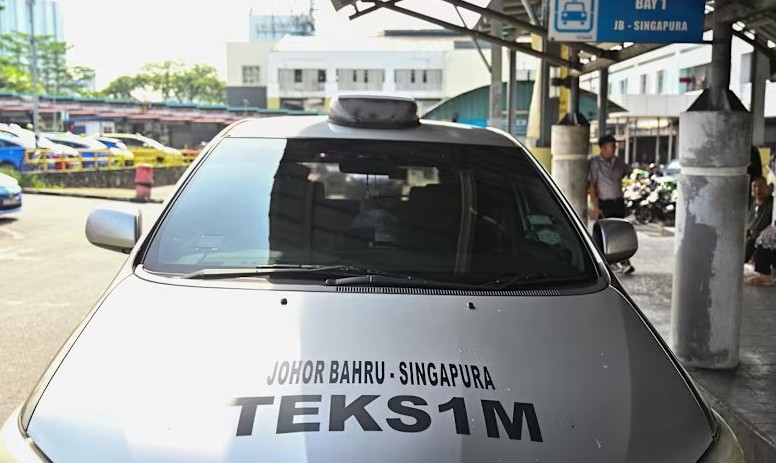
For businesses, the outlook is mixed. Traditional hubs like Larkin Terminal are expected to retain loyal customers, while new pick-up locations, particularly shopping malls, may benefit from increased footfall if convenience begins to outweigh cost concerns.
At Mid Valley Southkey, where Singaporeans make up a significant share of shoppers, retailers are already optimistic about improved accessibility.
Whether that optimism translates into sustained demand for cross-border taxis remains to be seen.
For now, the new scheme appears to be a classic trade-off – greater convenience, but at a higher price. Both passengers and drivers are now adjusting, weighing the benefits of flexibility against the realities of cost in a corridor where affordability has long been key.
To read CNA’s original full report, CLICK HERE.